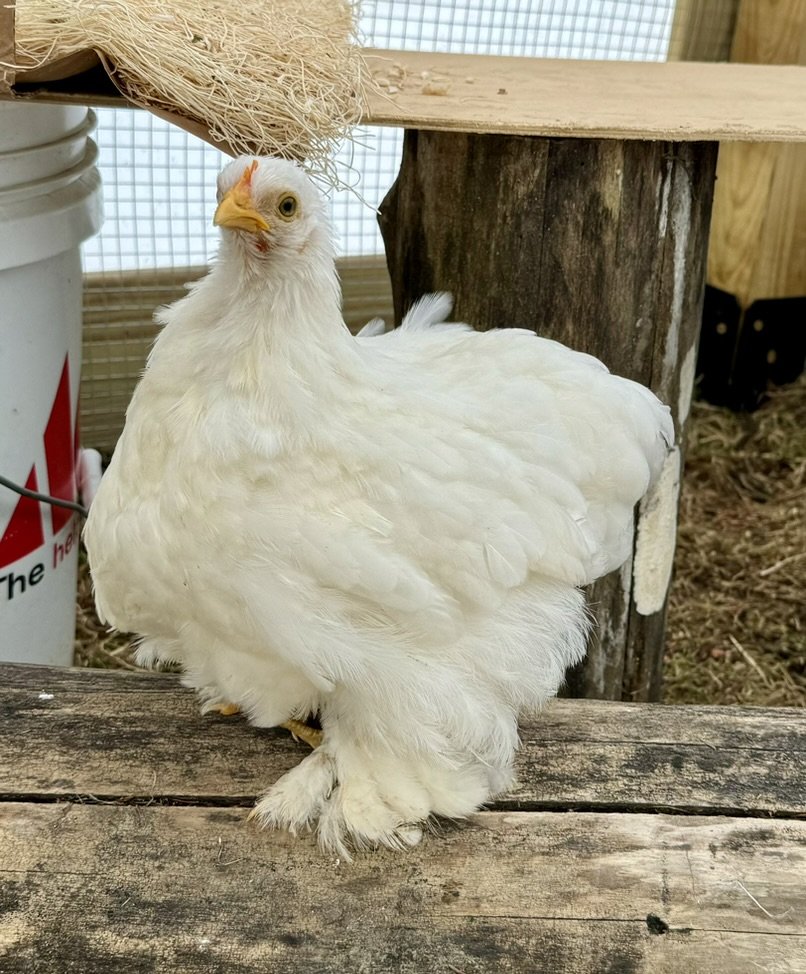
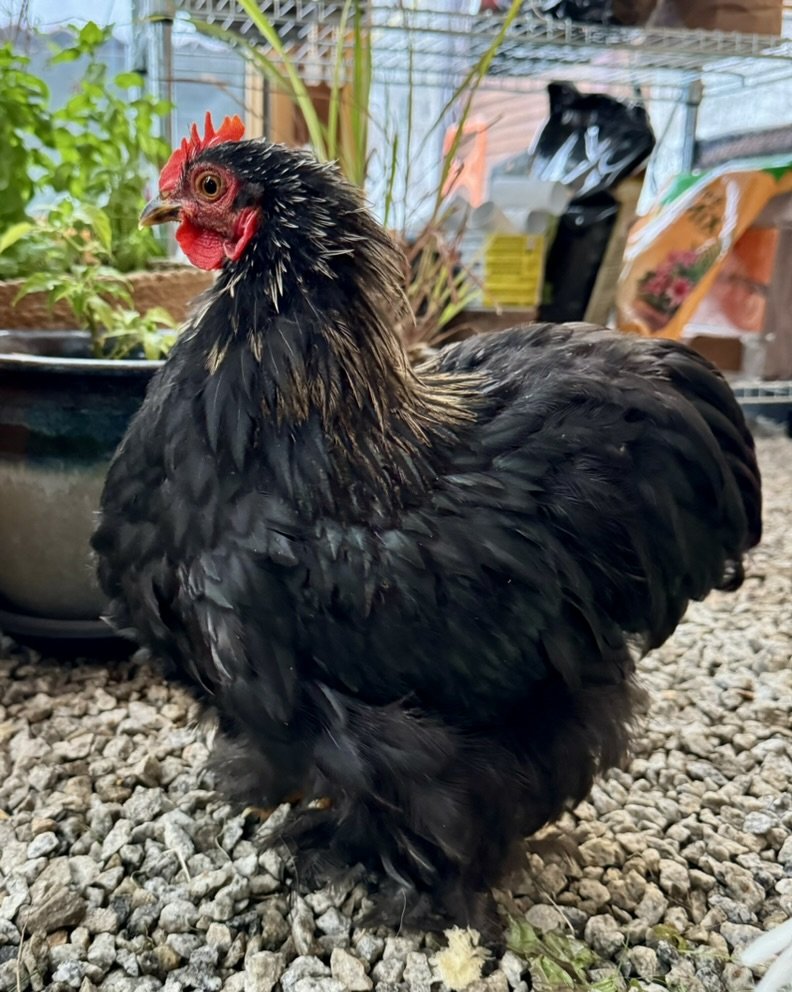
Image 1 of 22
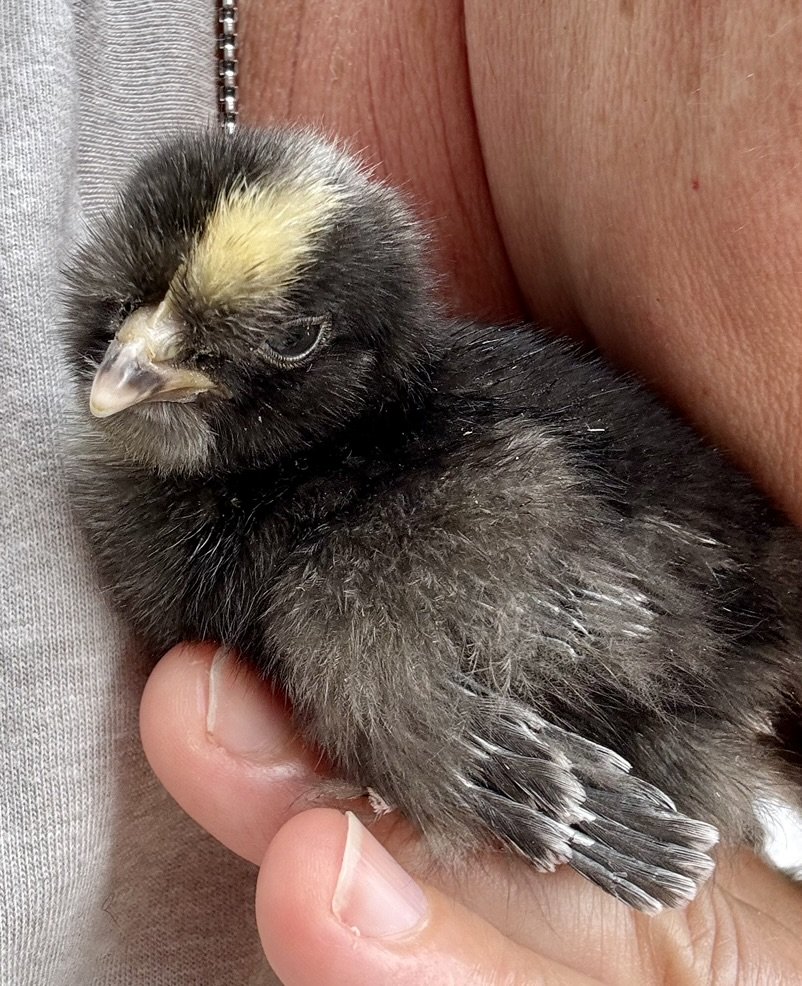 Image 2 of 22
 Image 3 of 22
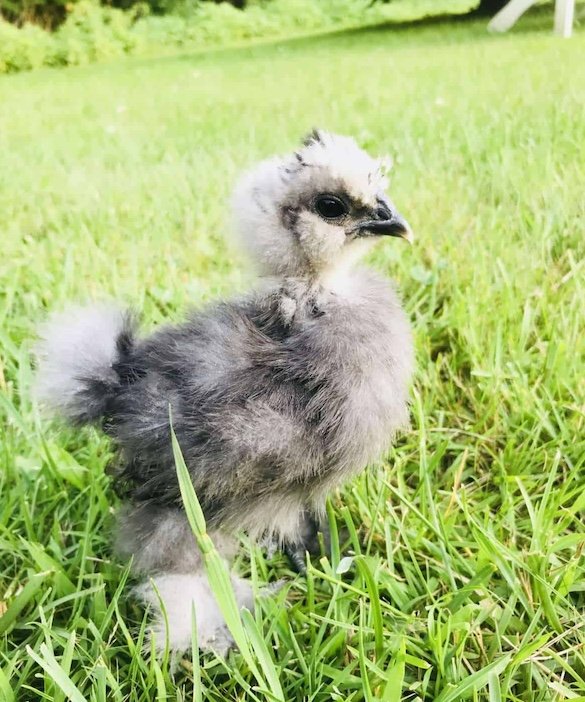 Image 4 of 22
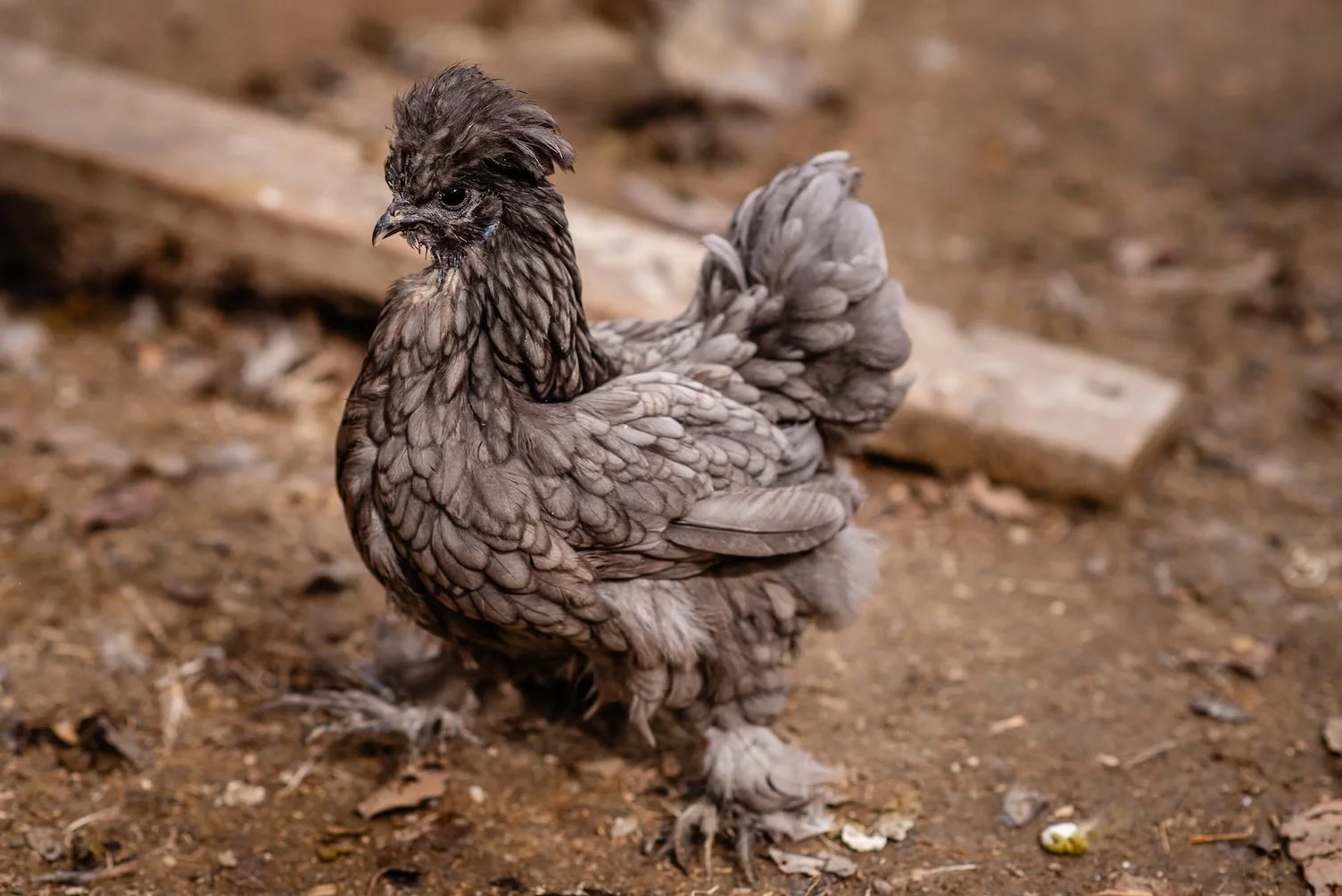 Image 5 of 22
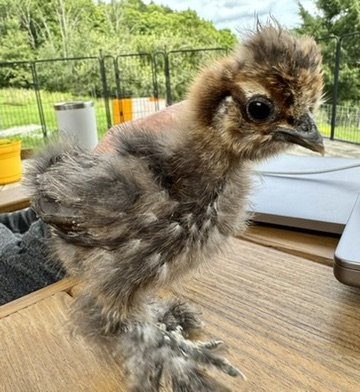 Image 6 of 22
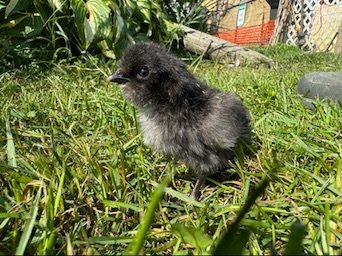 Image 7 of 22
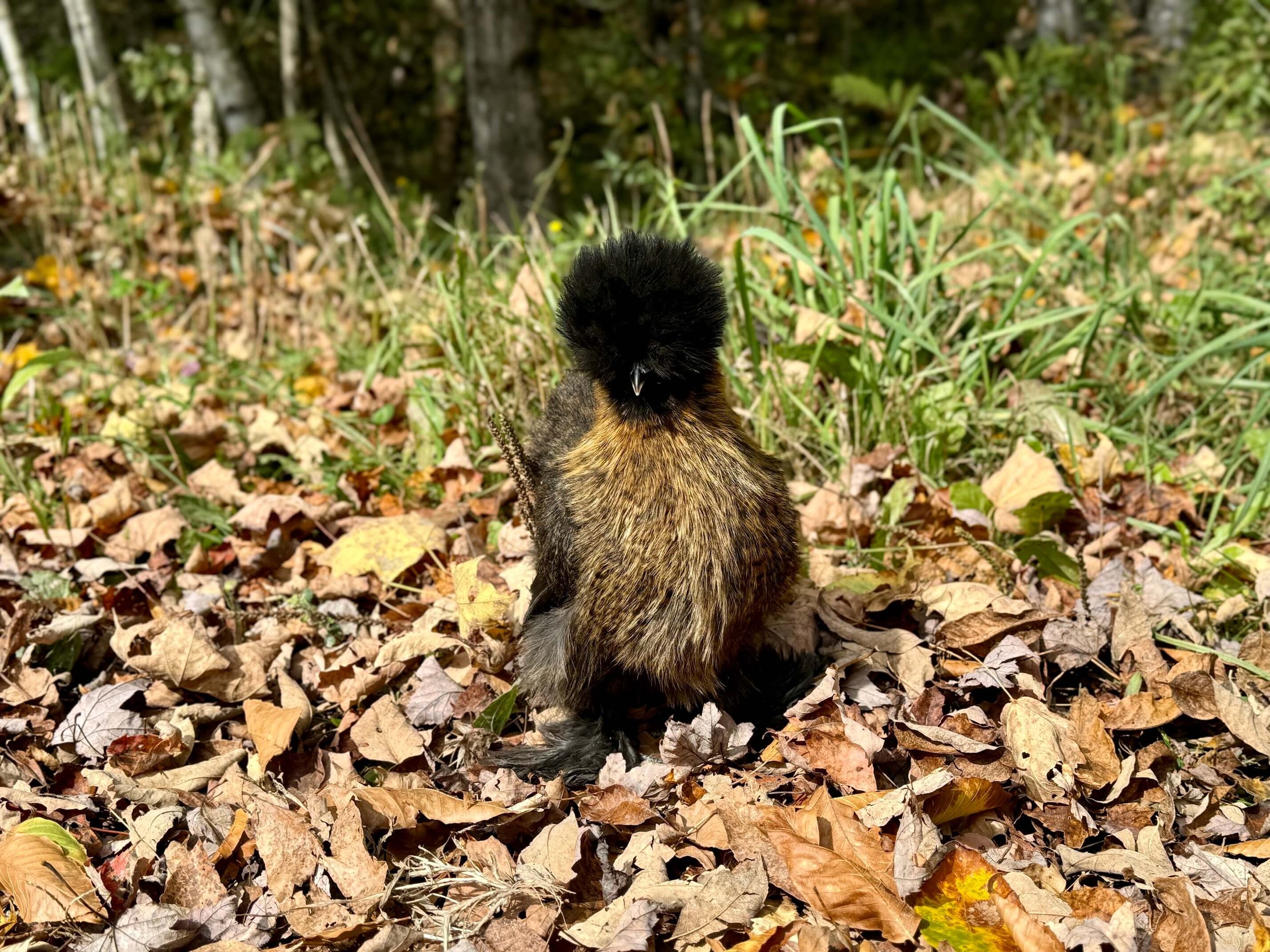 Image 8 of 22
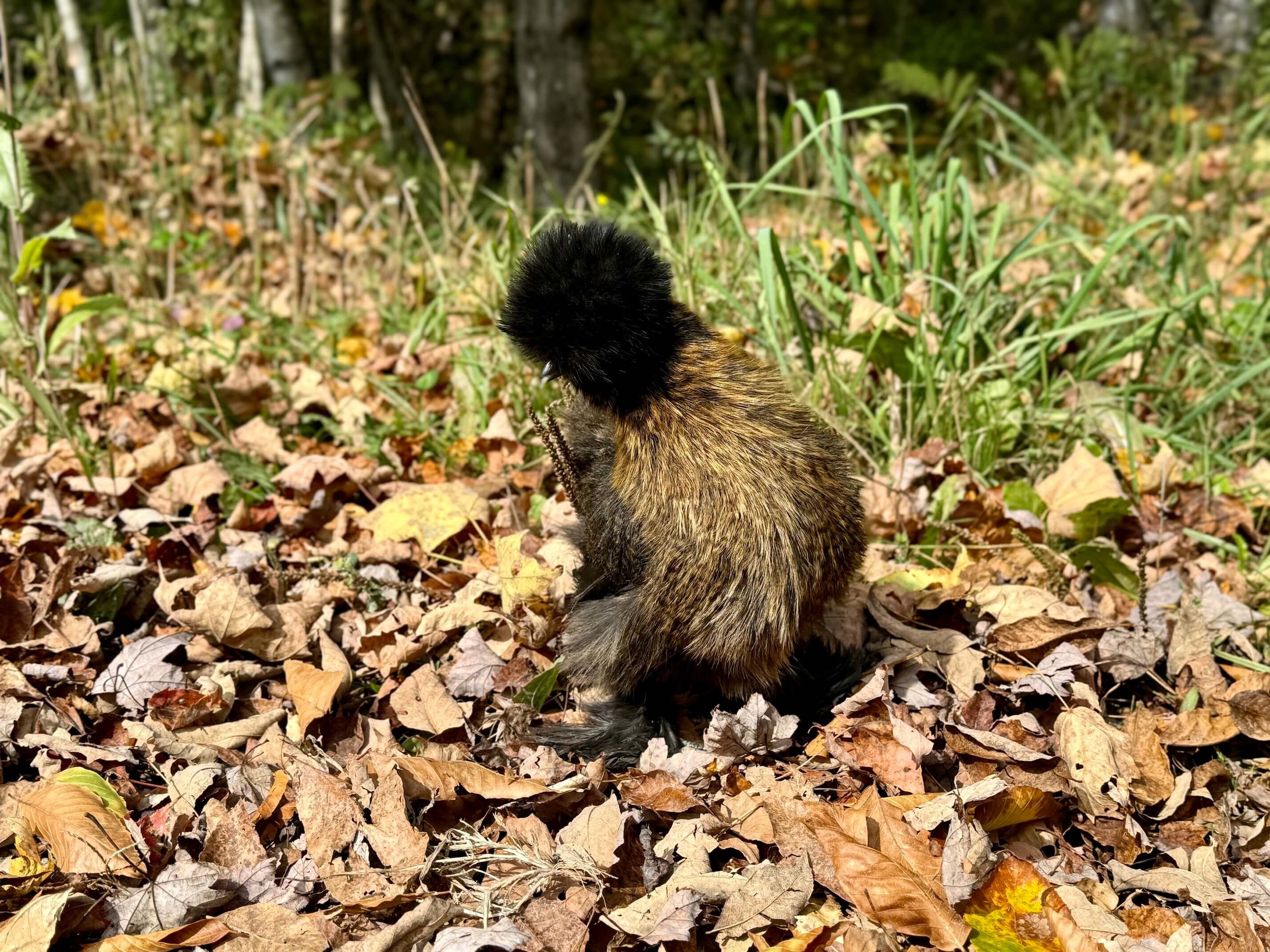 Image 9 of 22
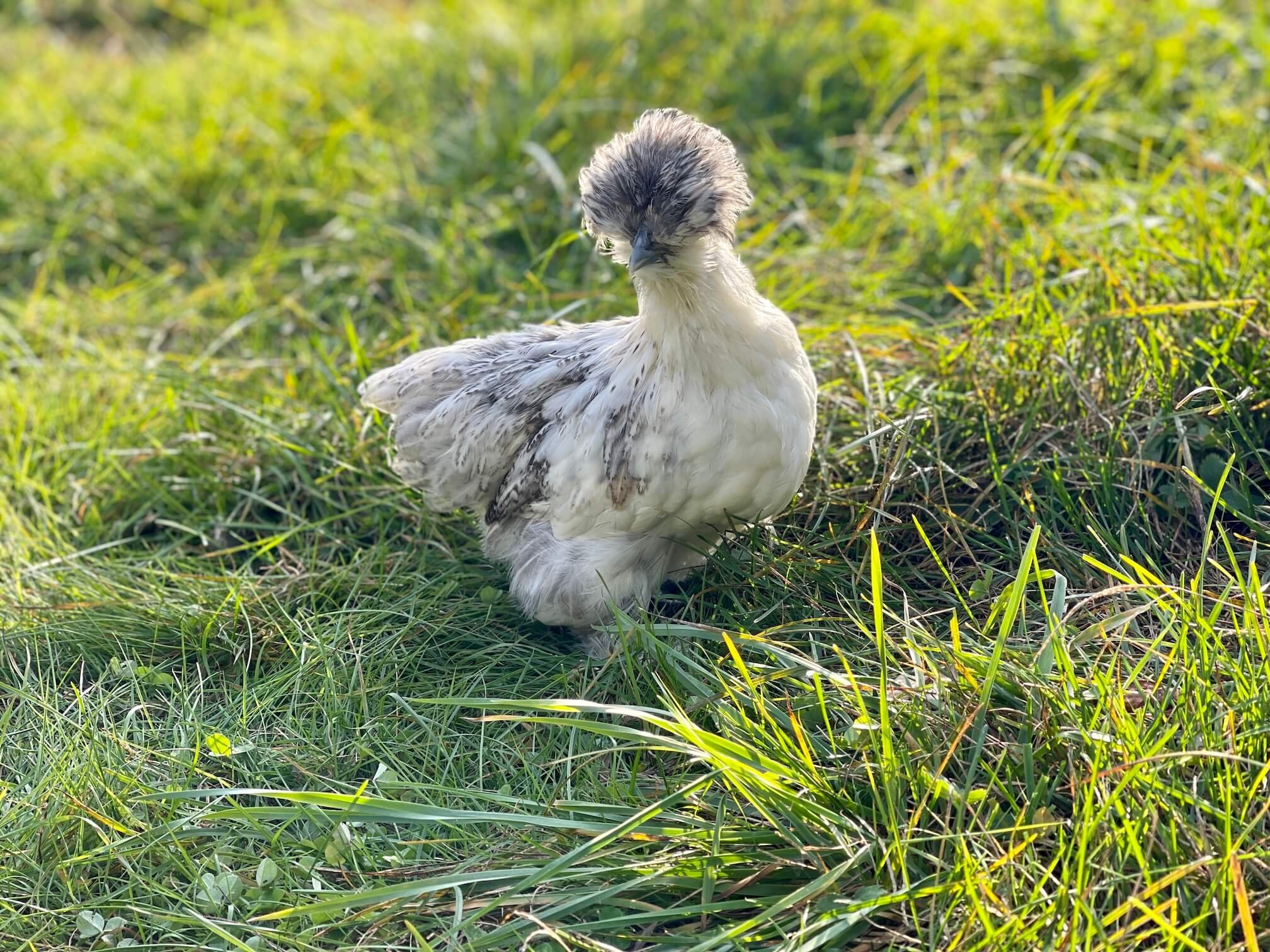 Image 10 of 22
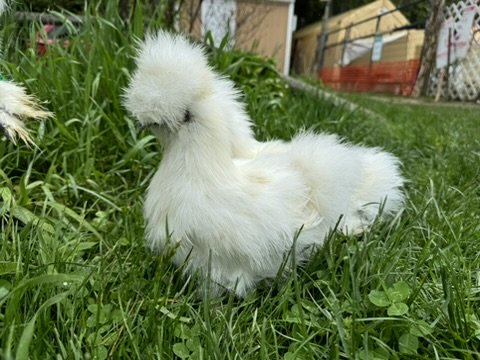 Image 11 of 22
 Image 12 of 22
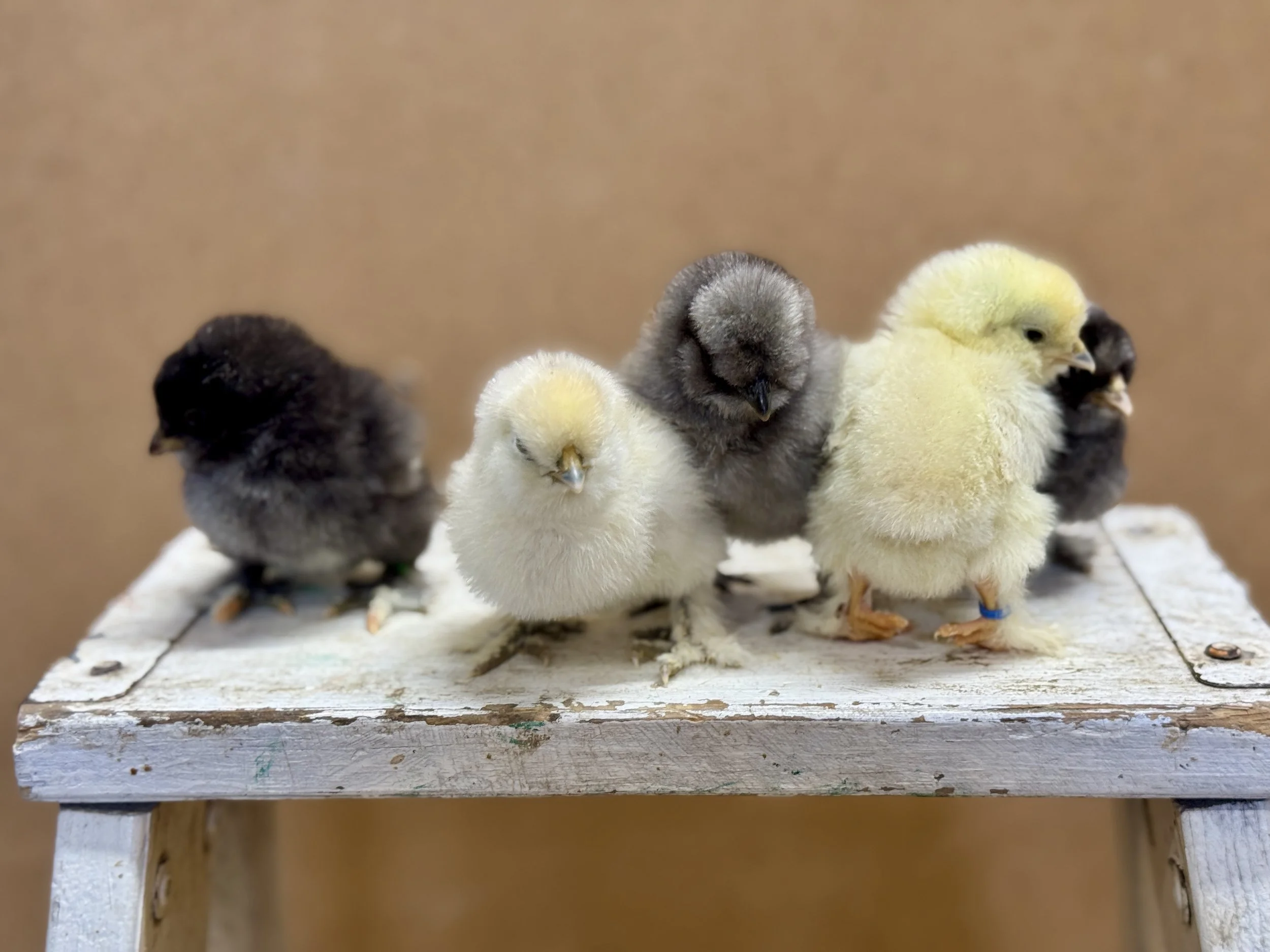 Image 13 of 22
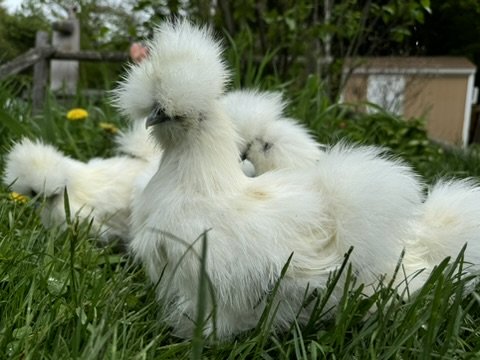 Image 14 of 22
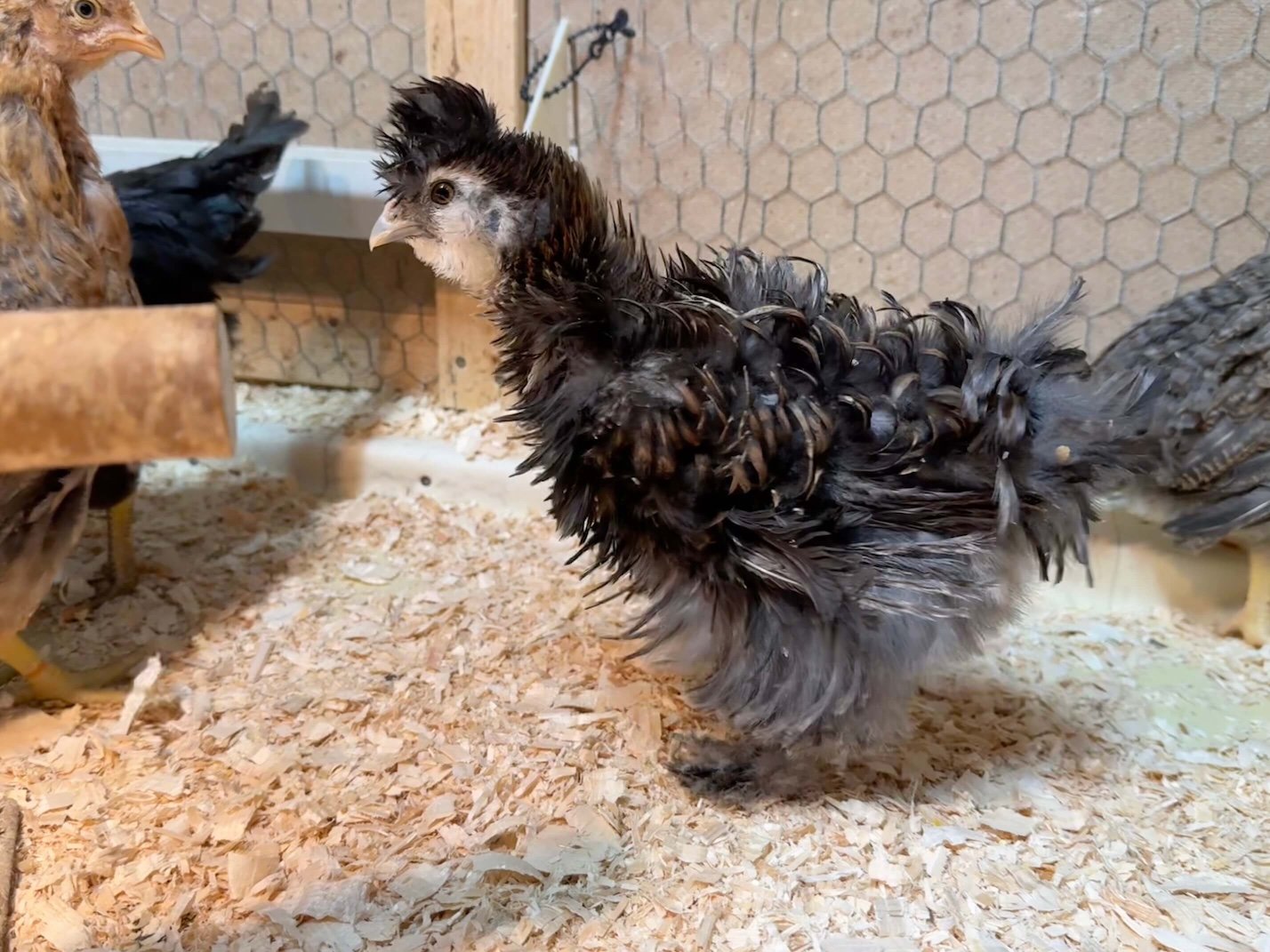 Image 15 of 22
 Image 16 of 22
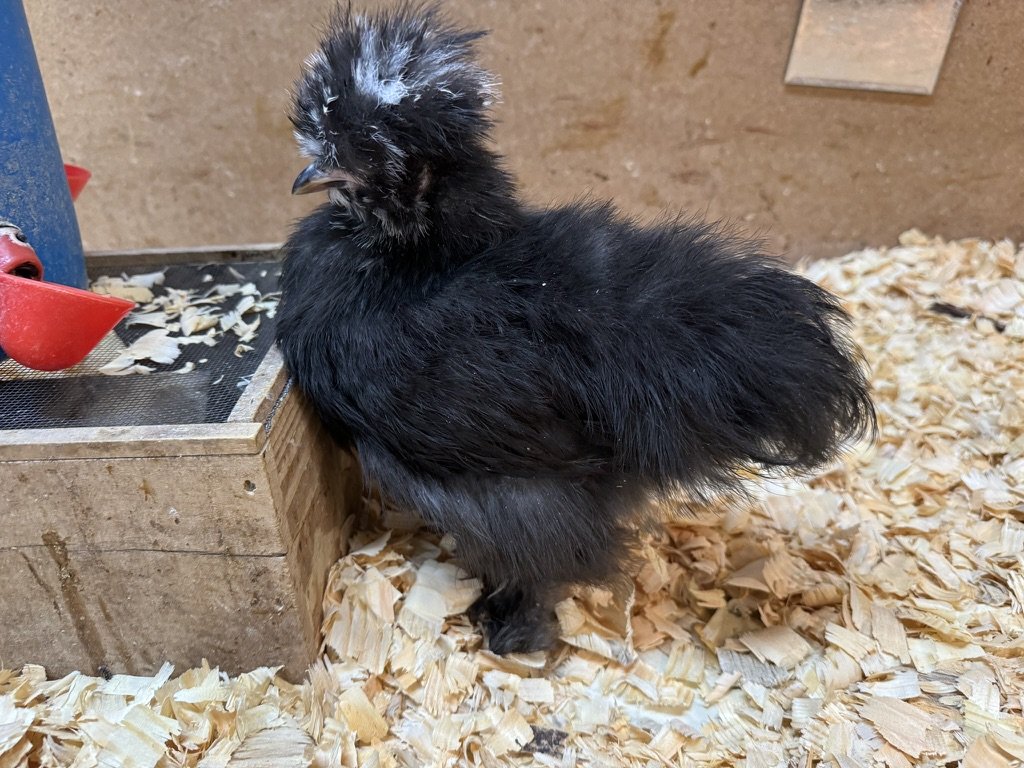 Image 17 of 22
 Image 18 of 22
 Image 19 of 22
 Image 20 of 22
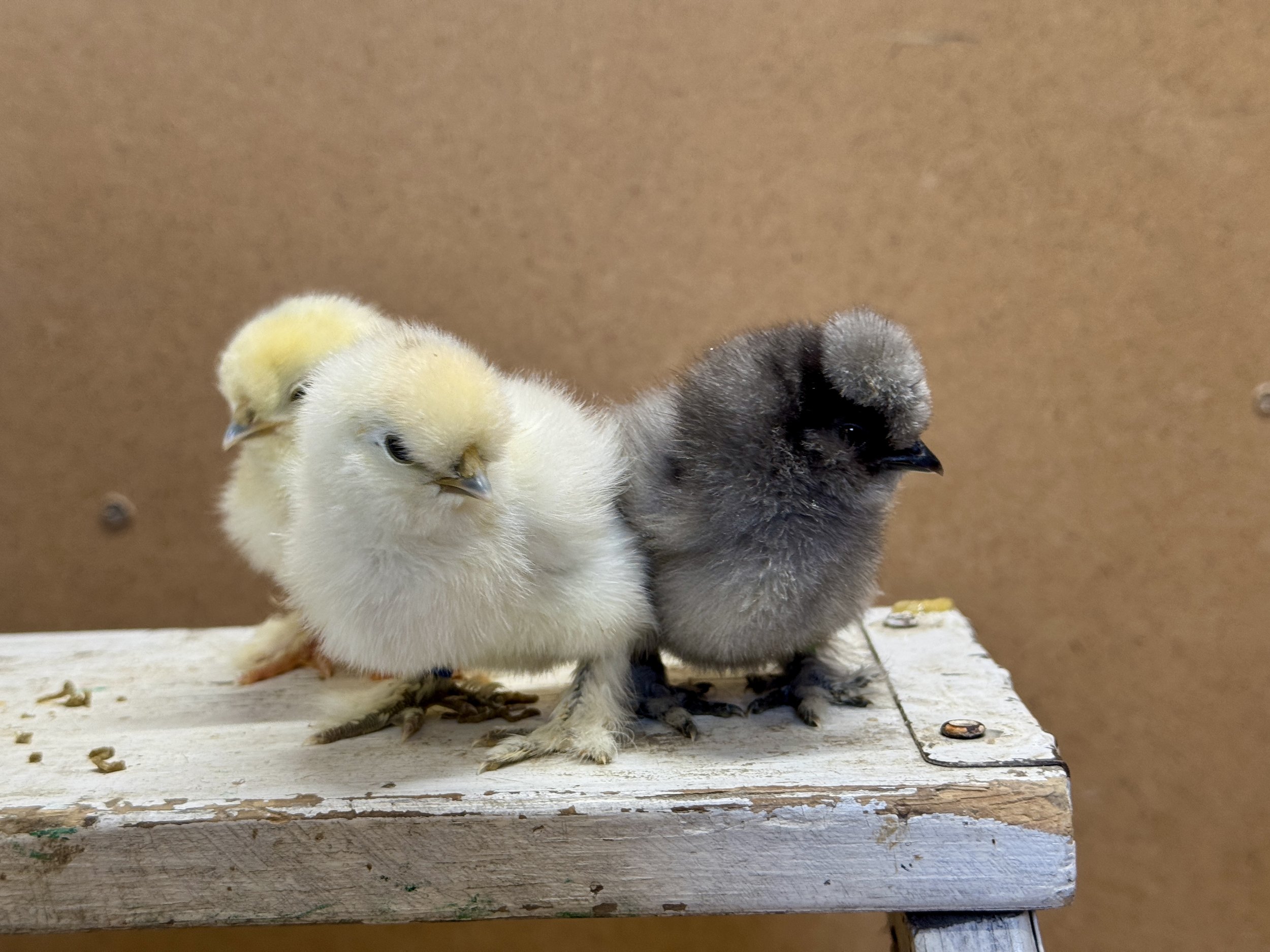 Image 21 of 22
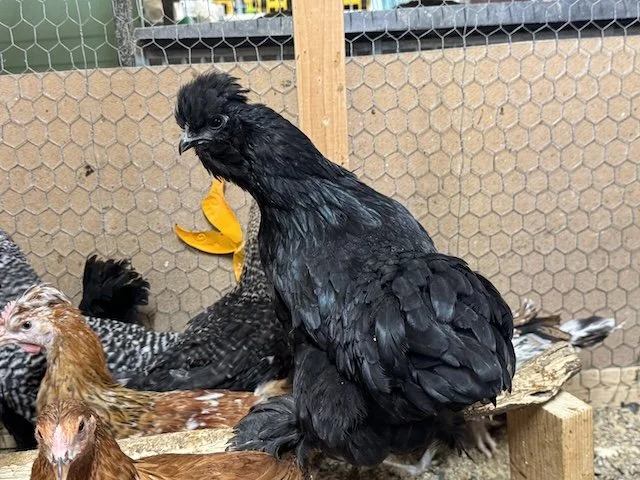 Image 22 of 22
Silkie Chicks


-
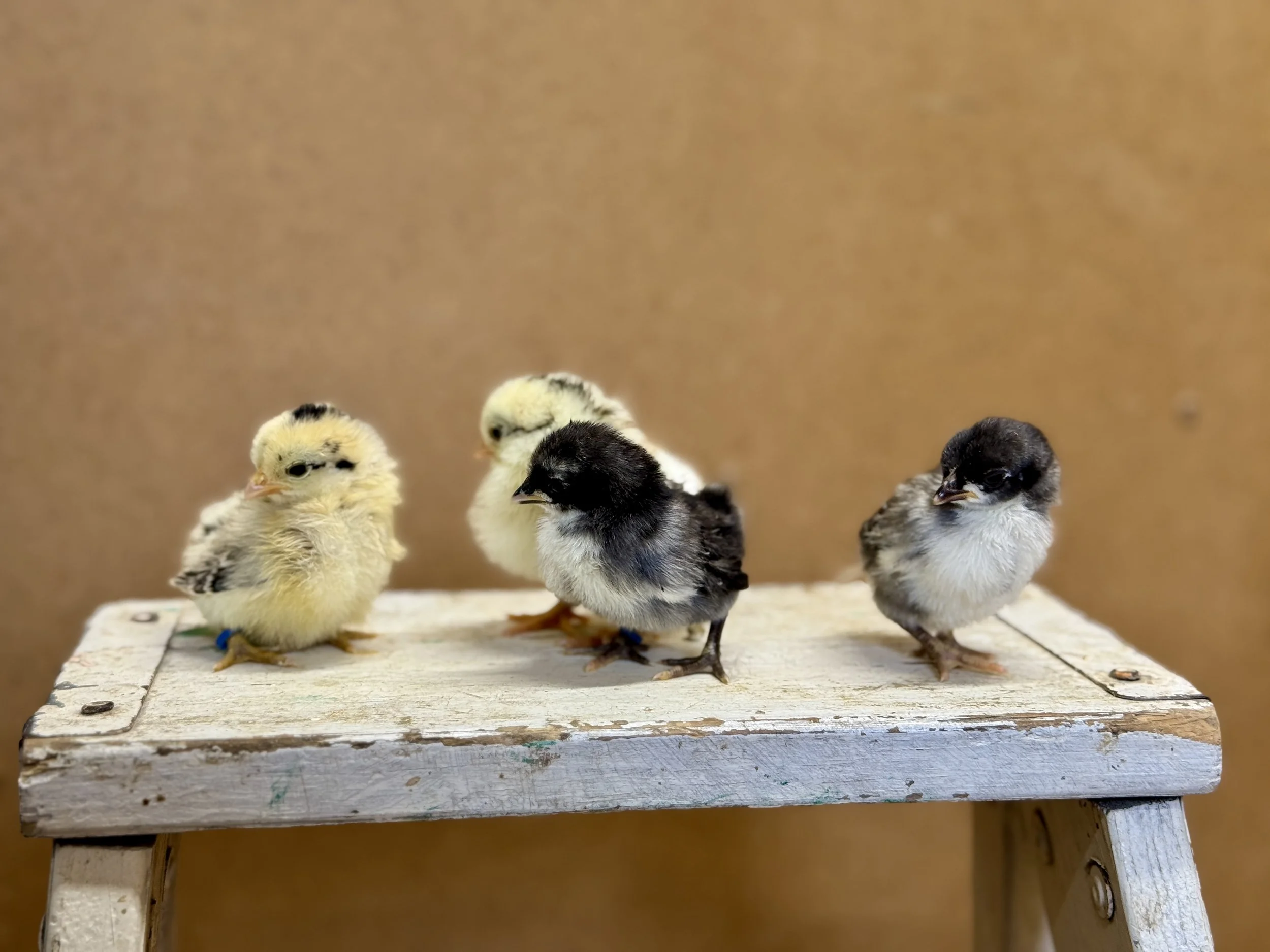
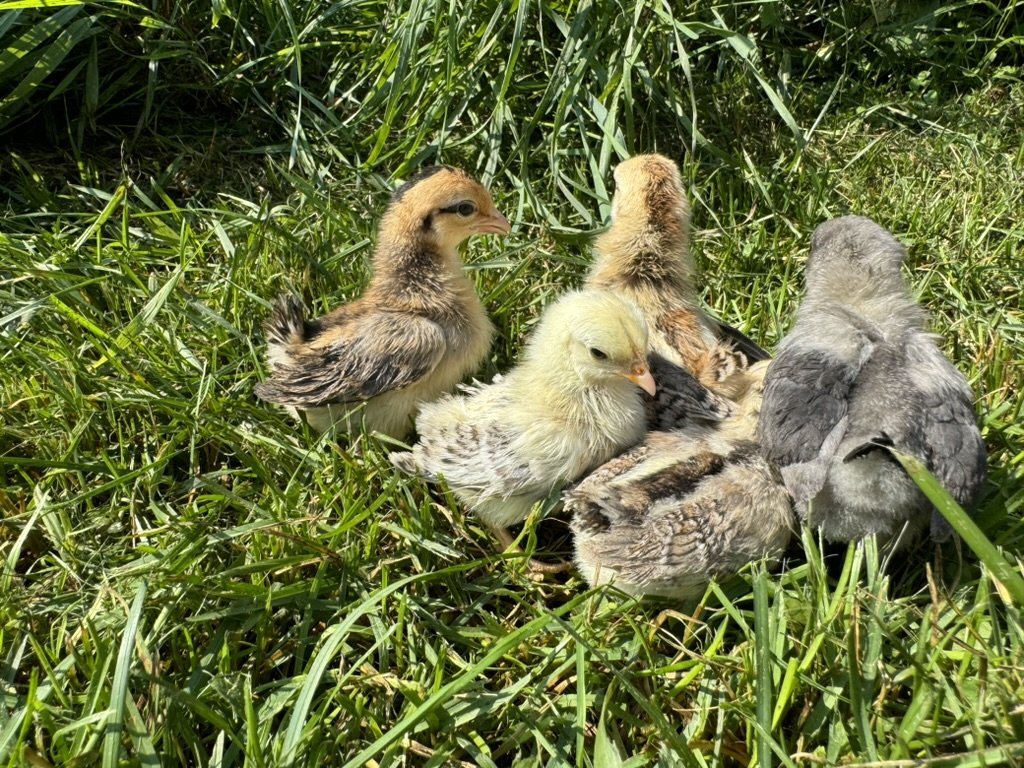
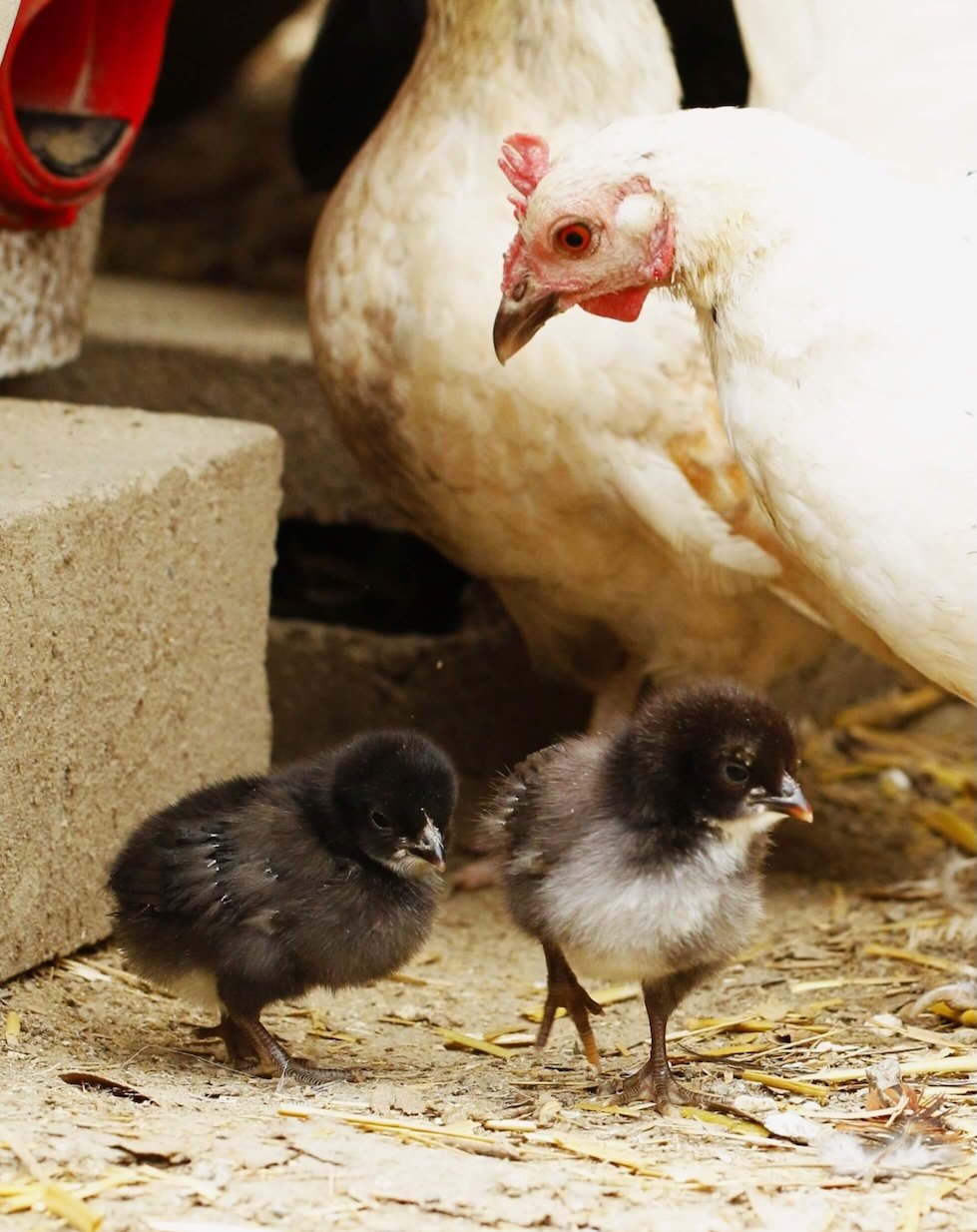
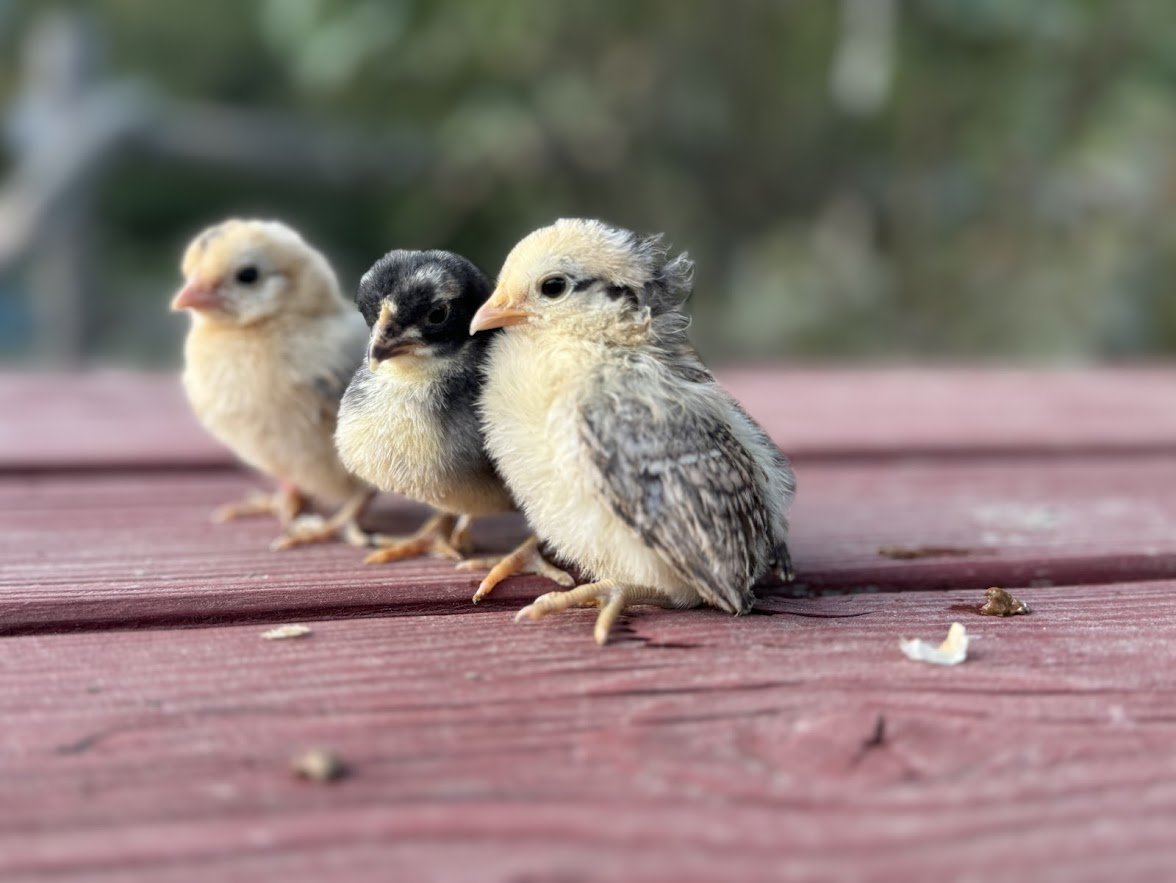
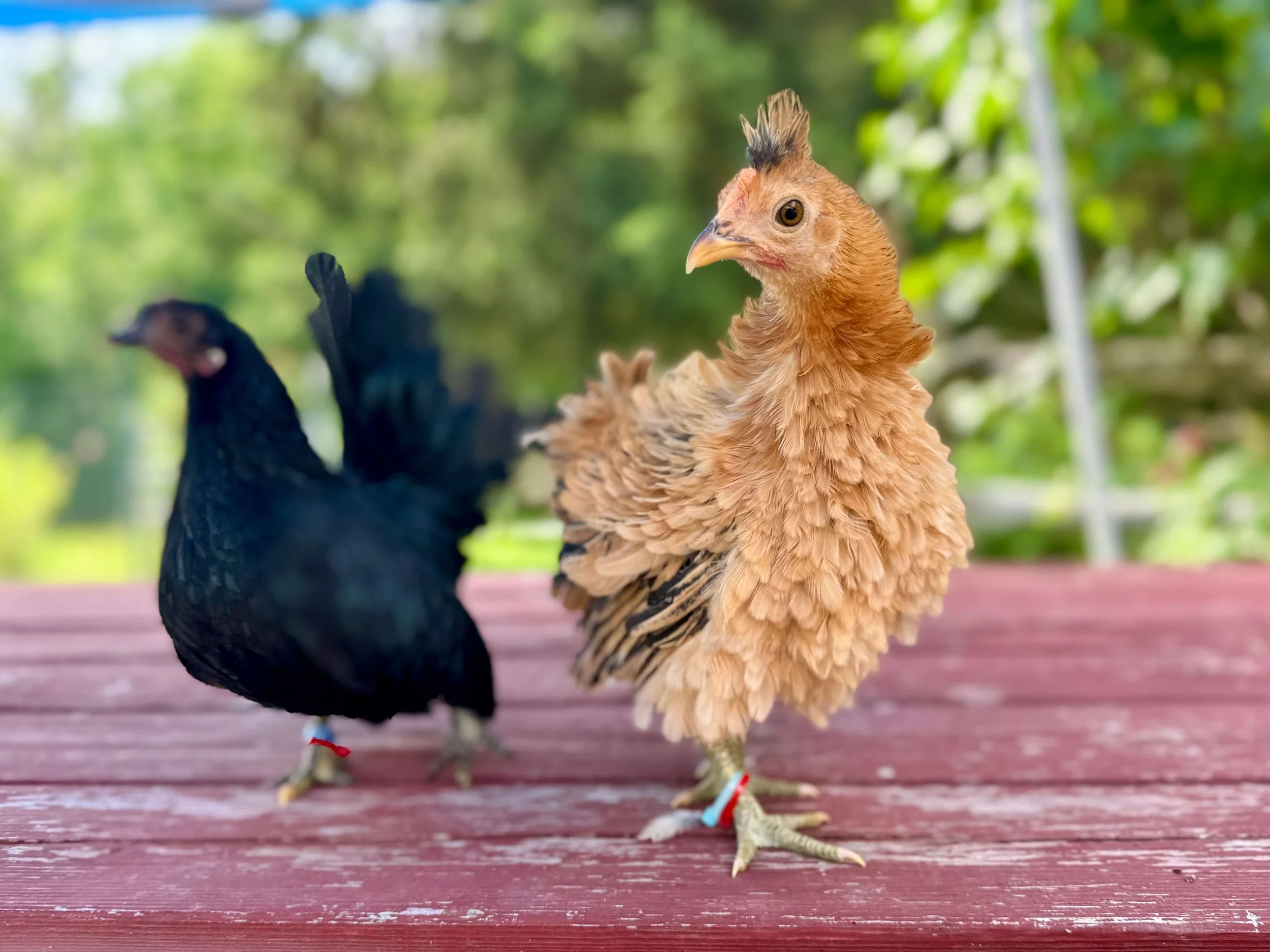
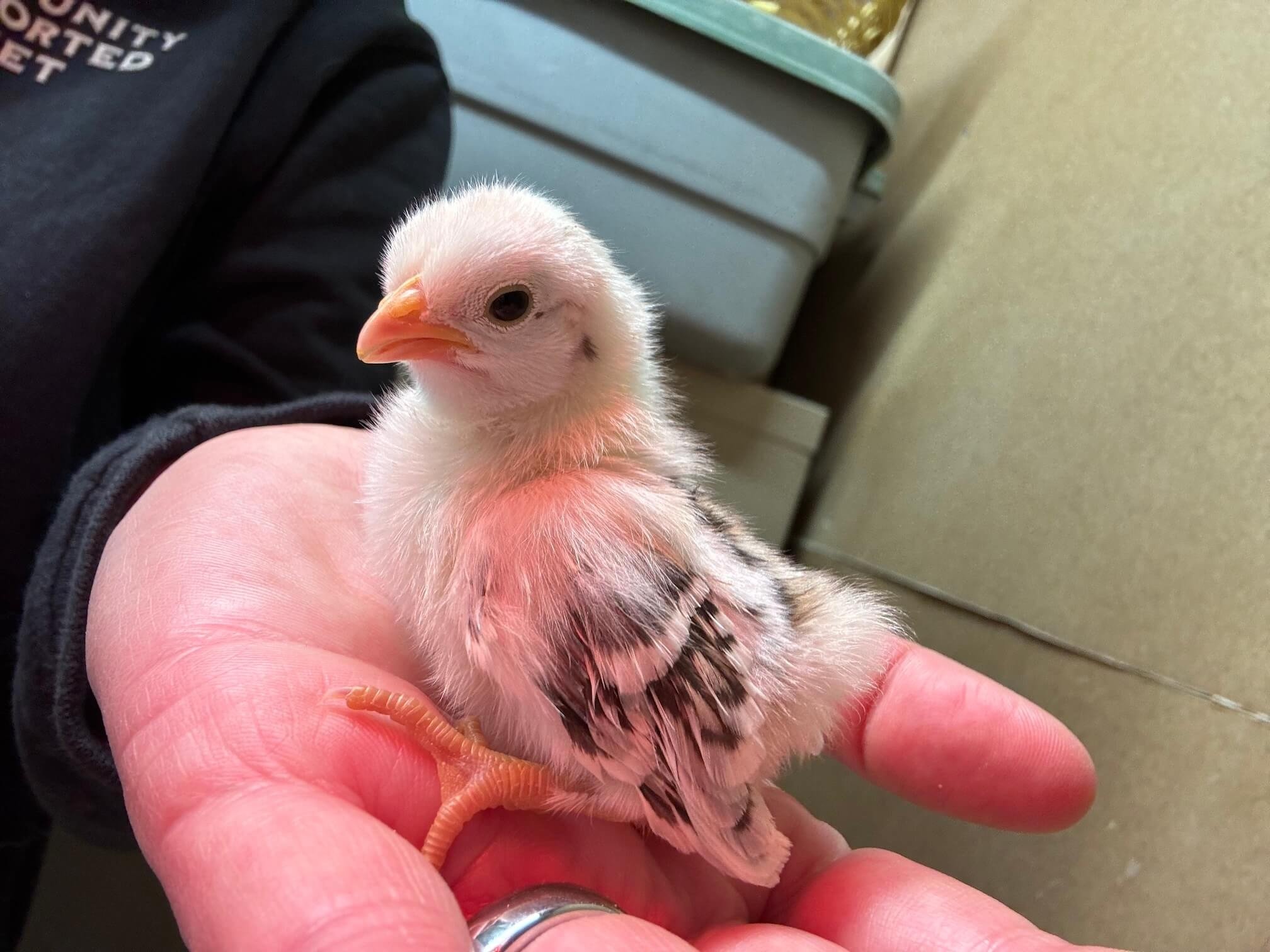
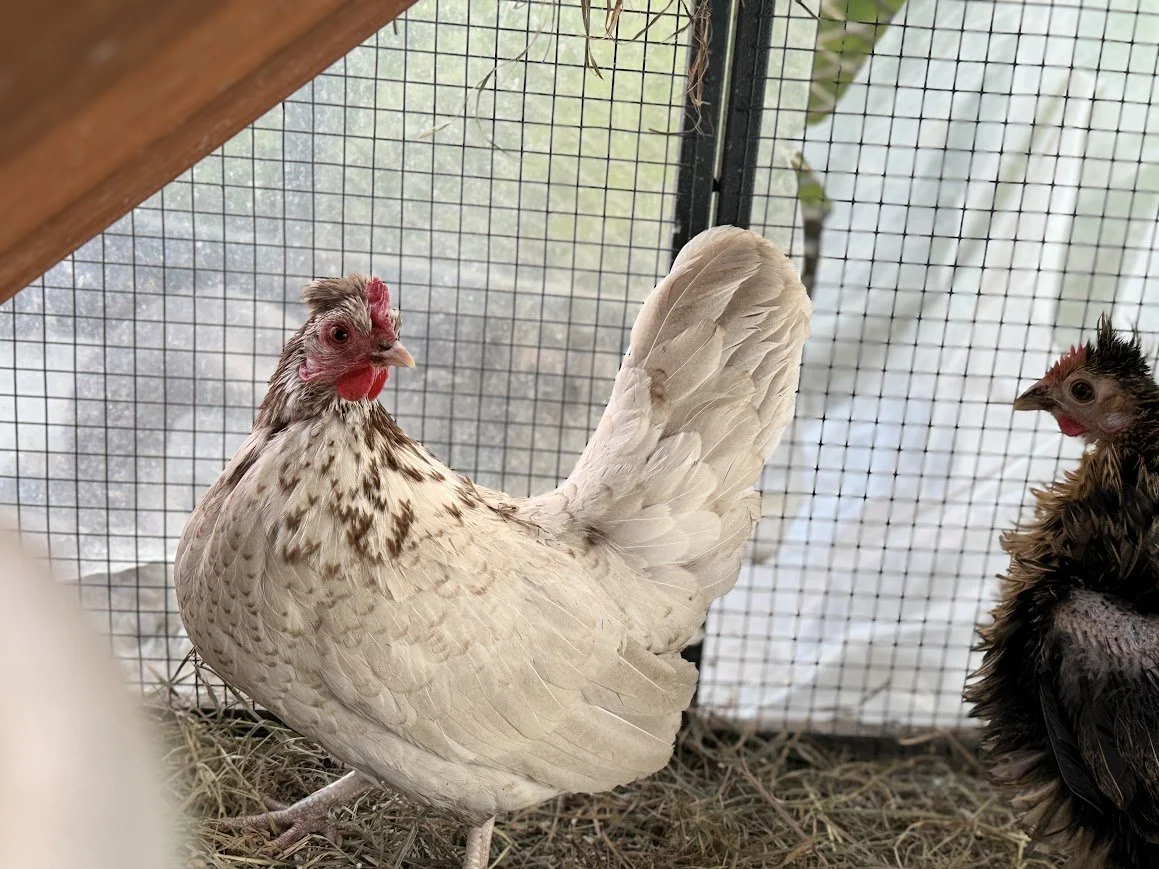
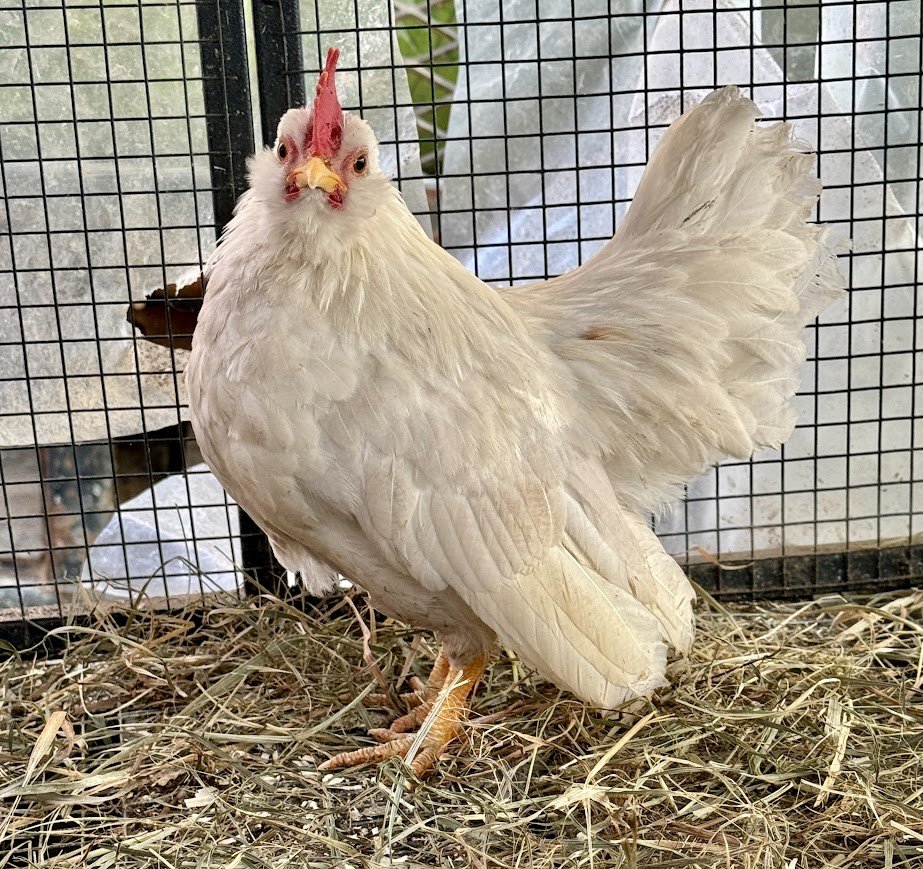
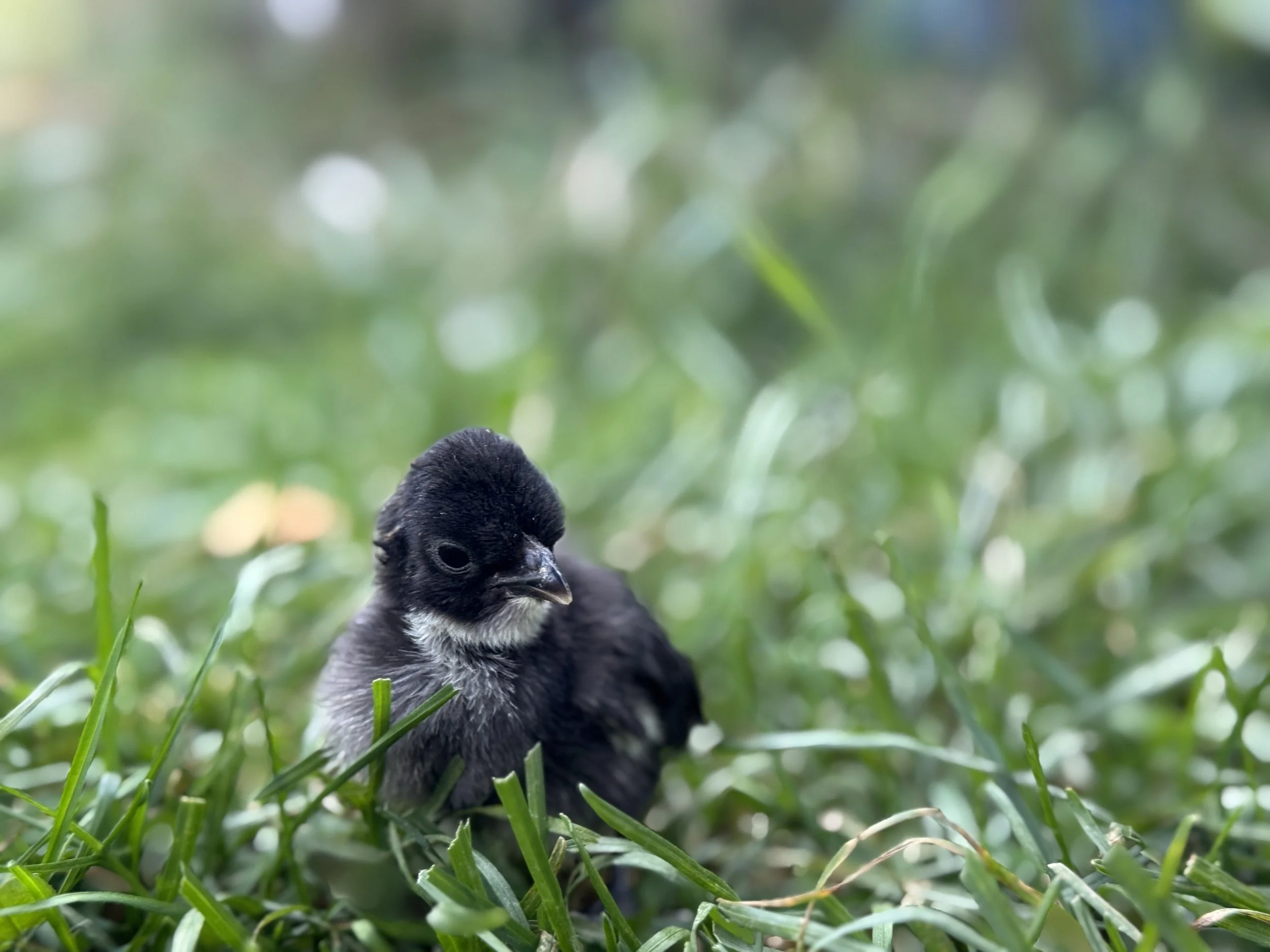
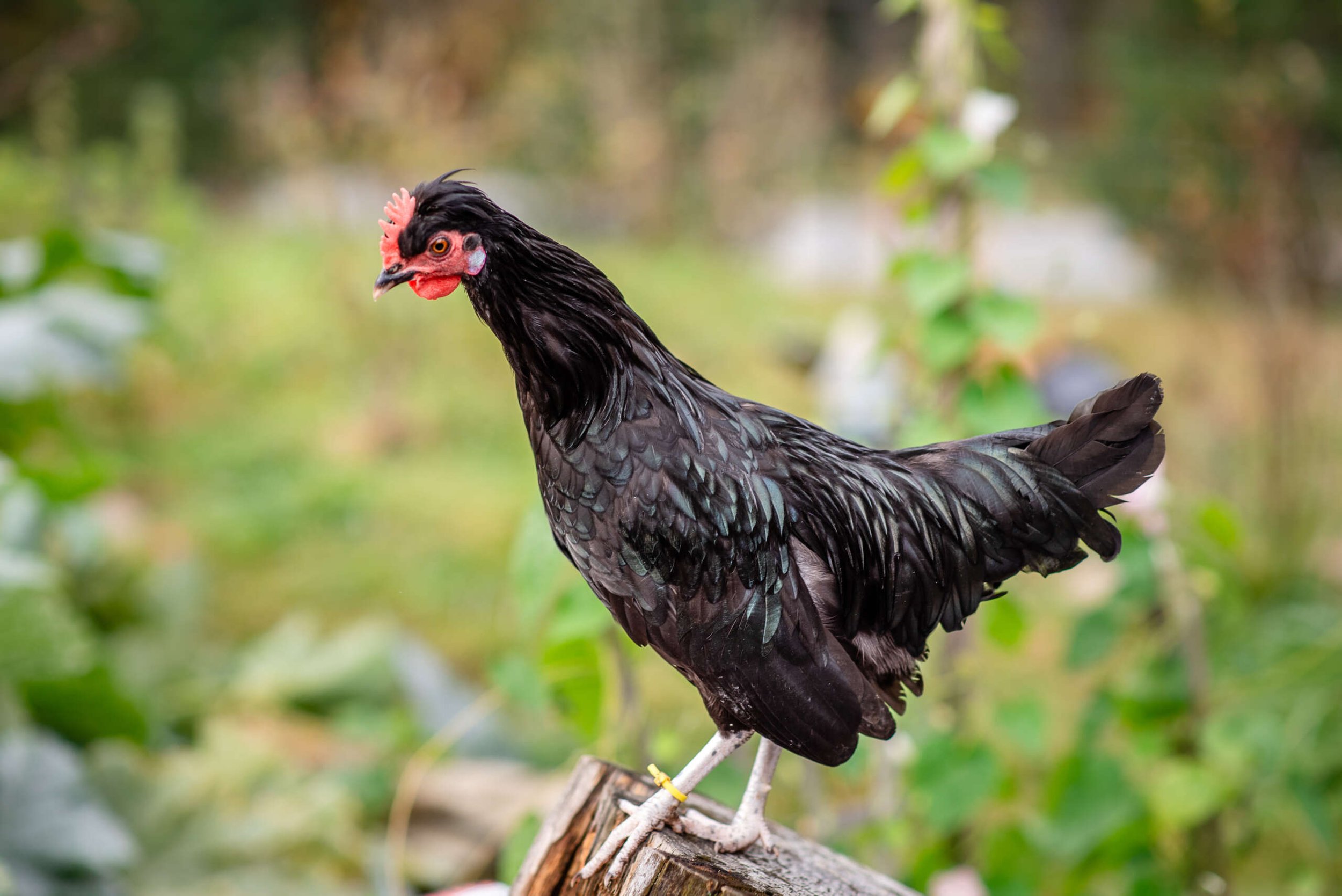
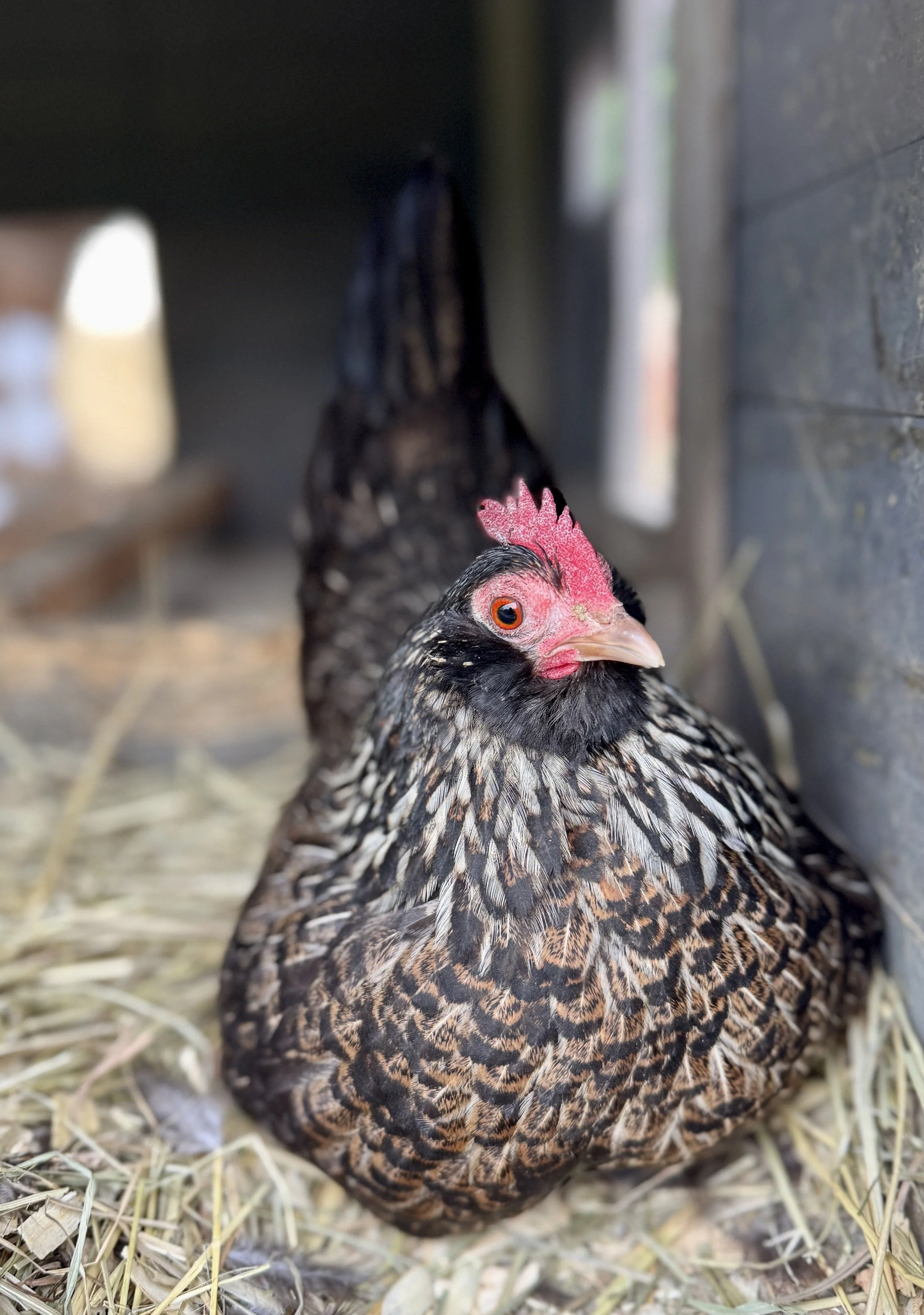
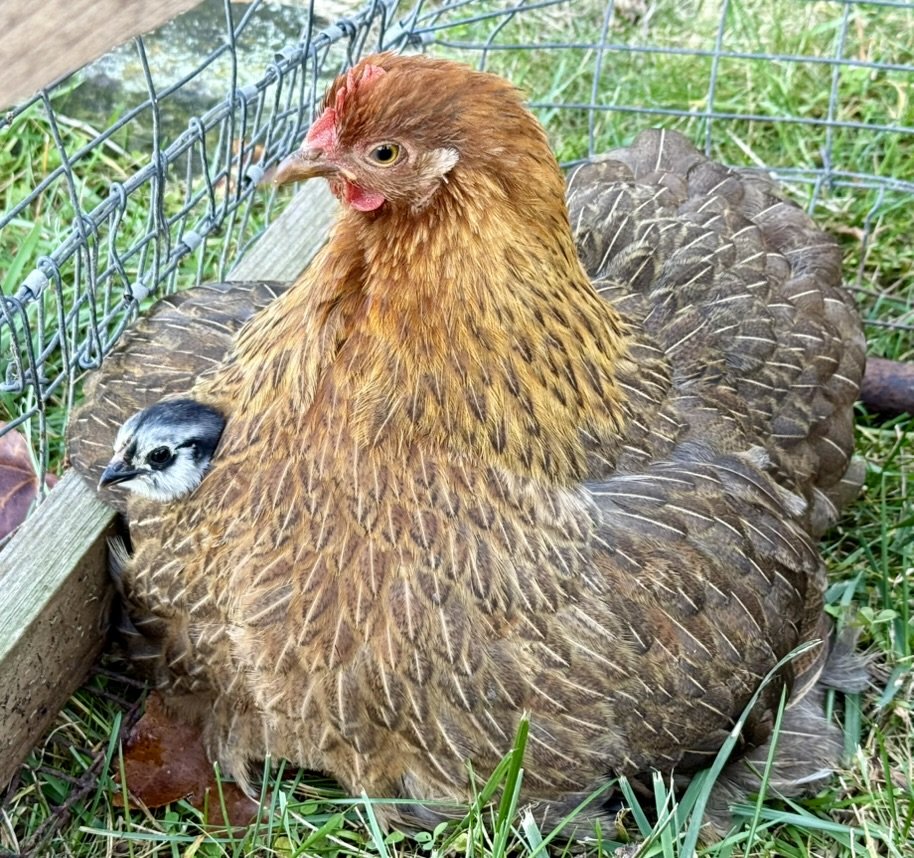
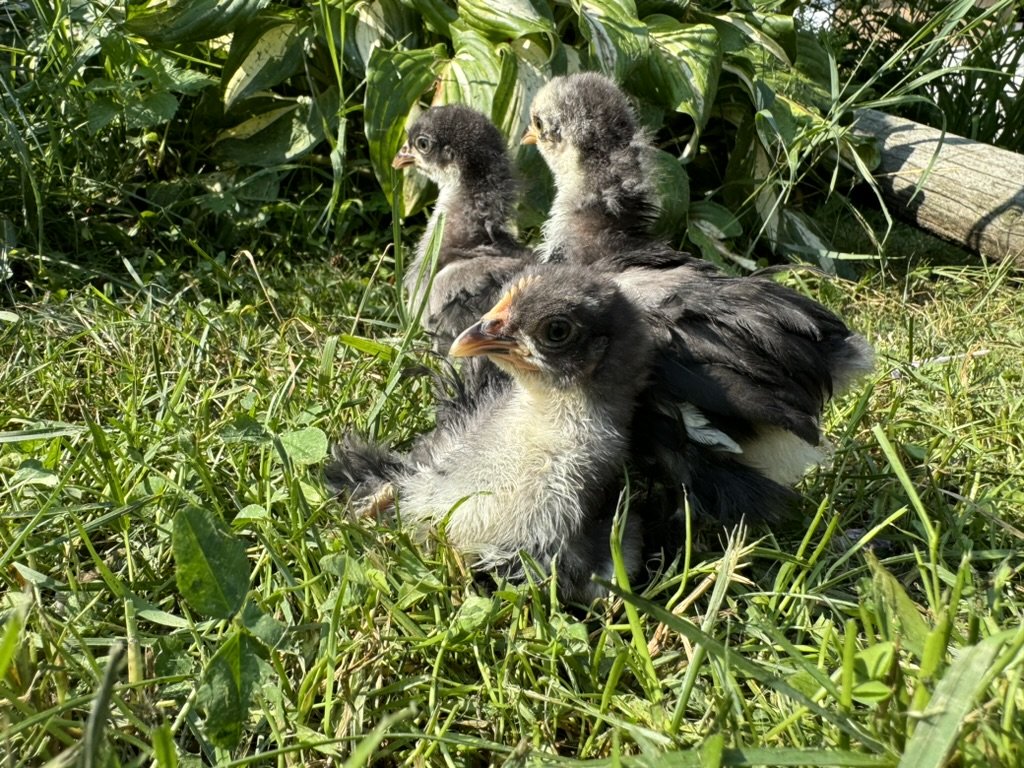
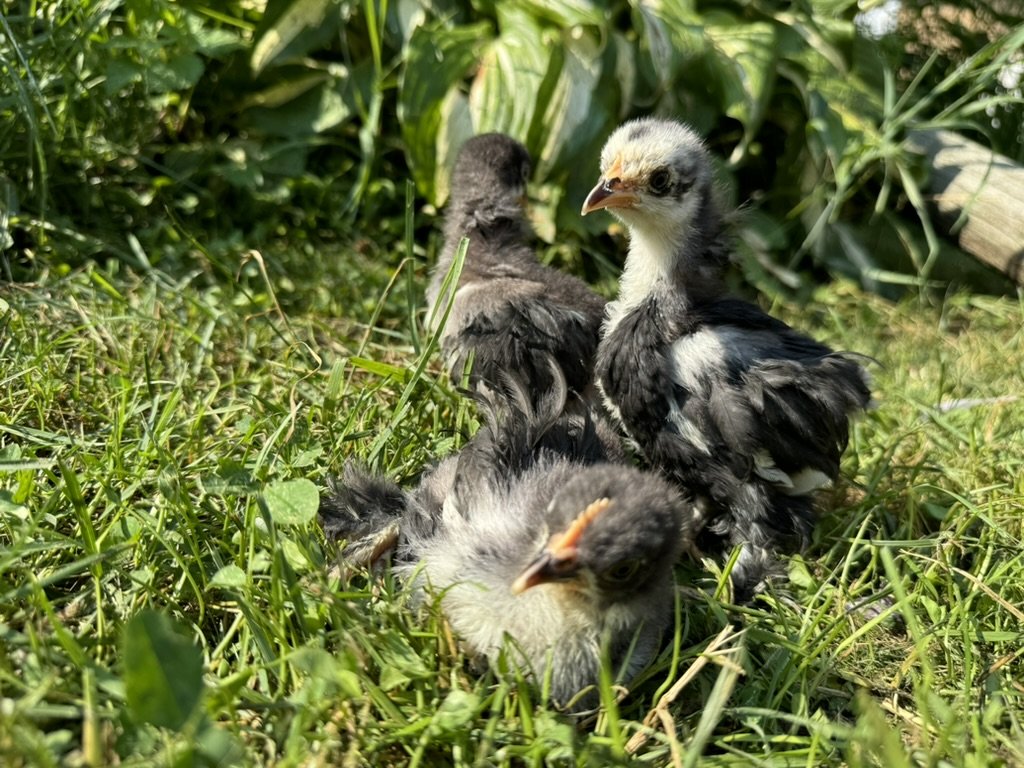
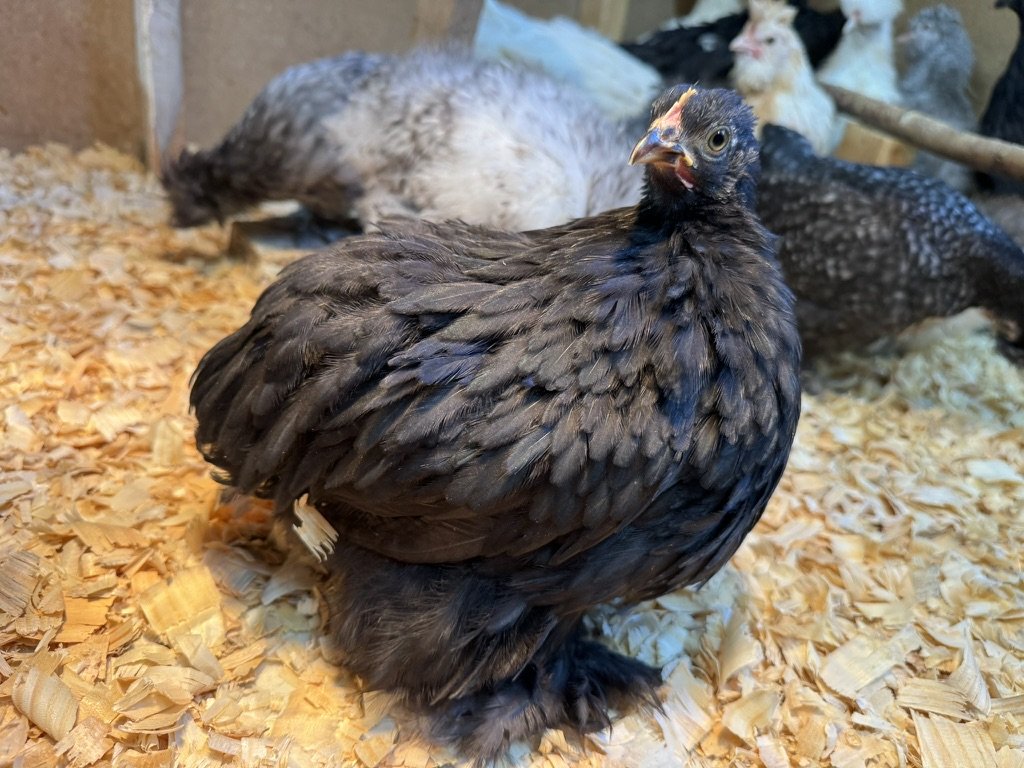
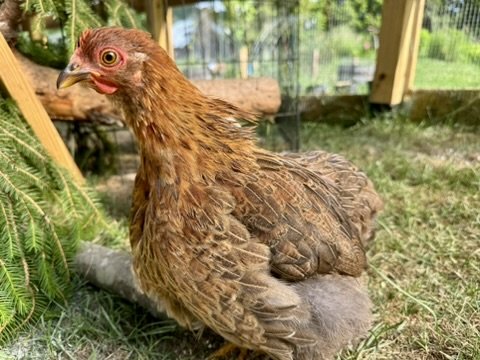
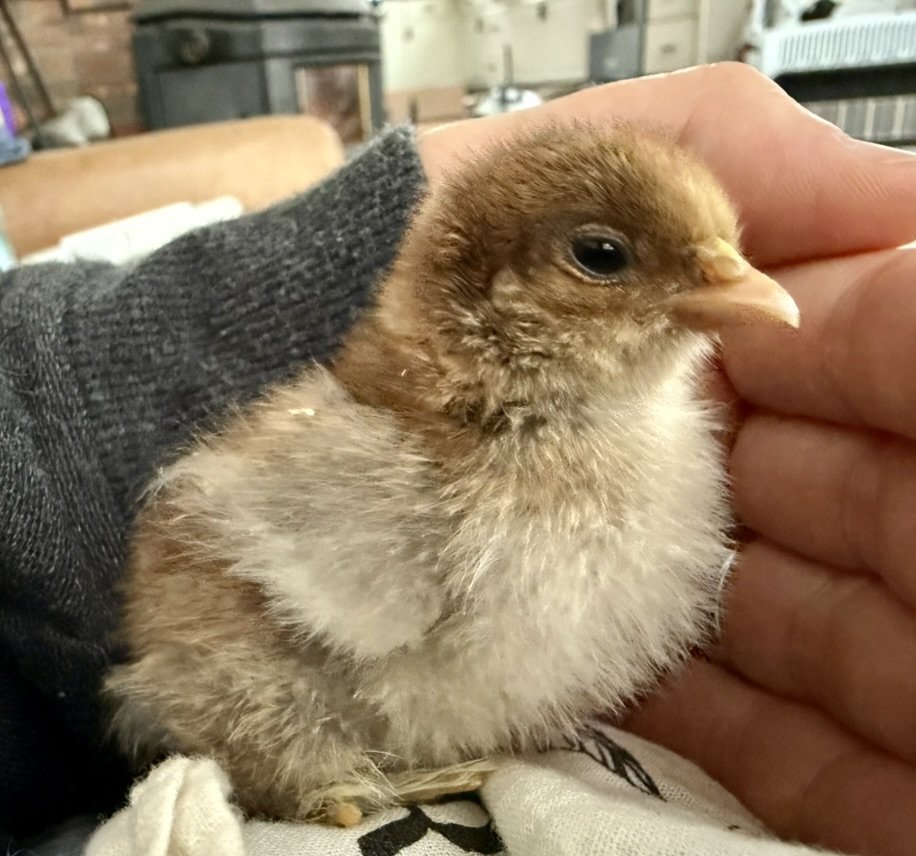
Our Silkie chicks are hatched and raised here at Sugar Feather Farm from our diverse Silkie breeding groups. Known for their sweet personalities, fluffy appearance and wonderfully quirky looks, Silkies make excellent pets, broody mothers and companion birds for backyard and mixed flocks. They can even fit into a small scale farm operation as a natural incubator and mother for your started chick program.
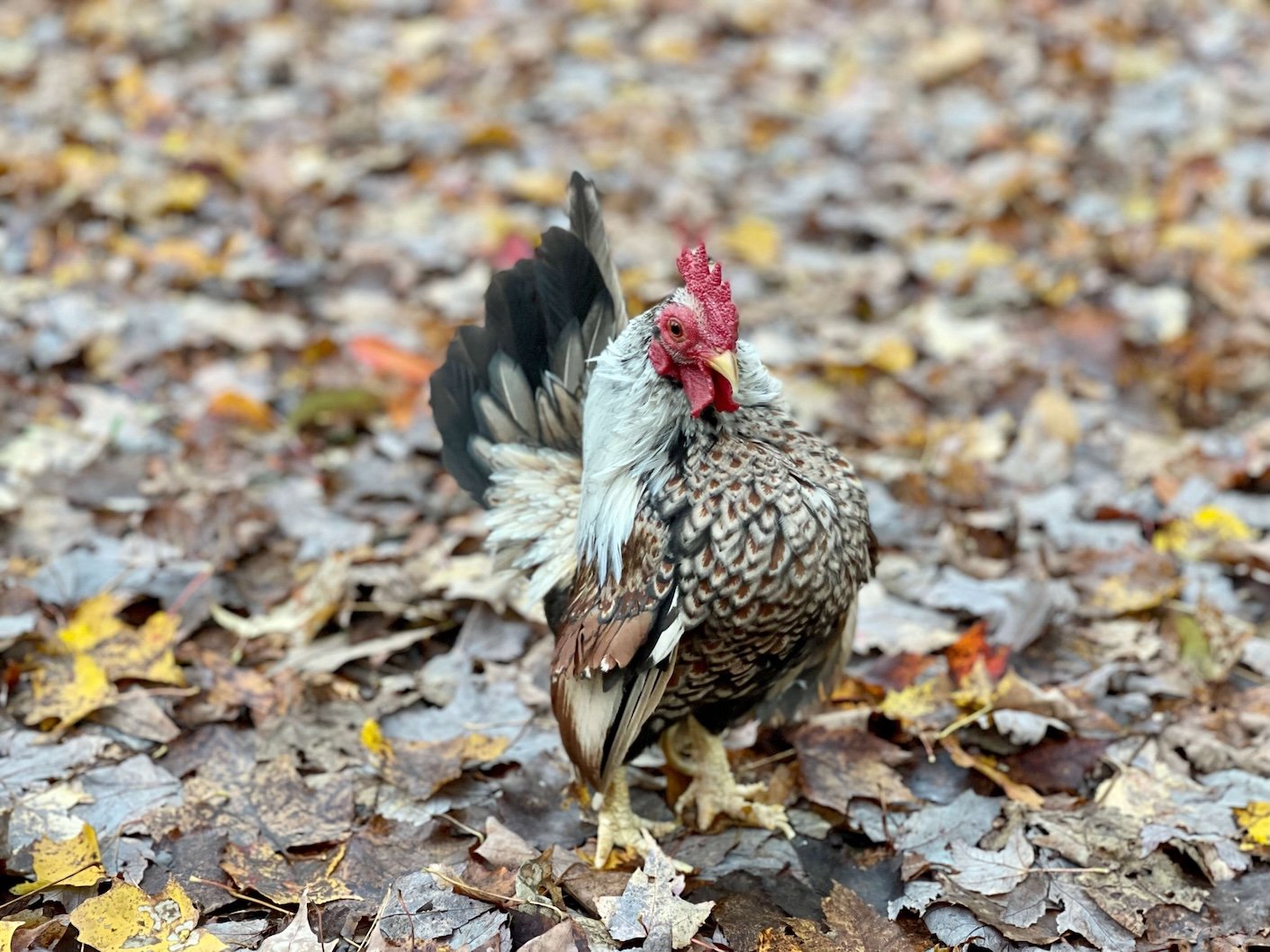
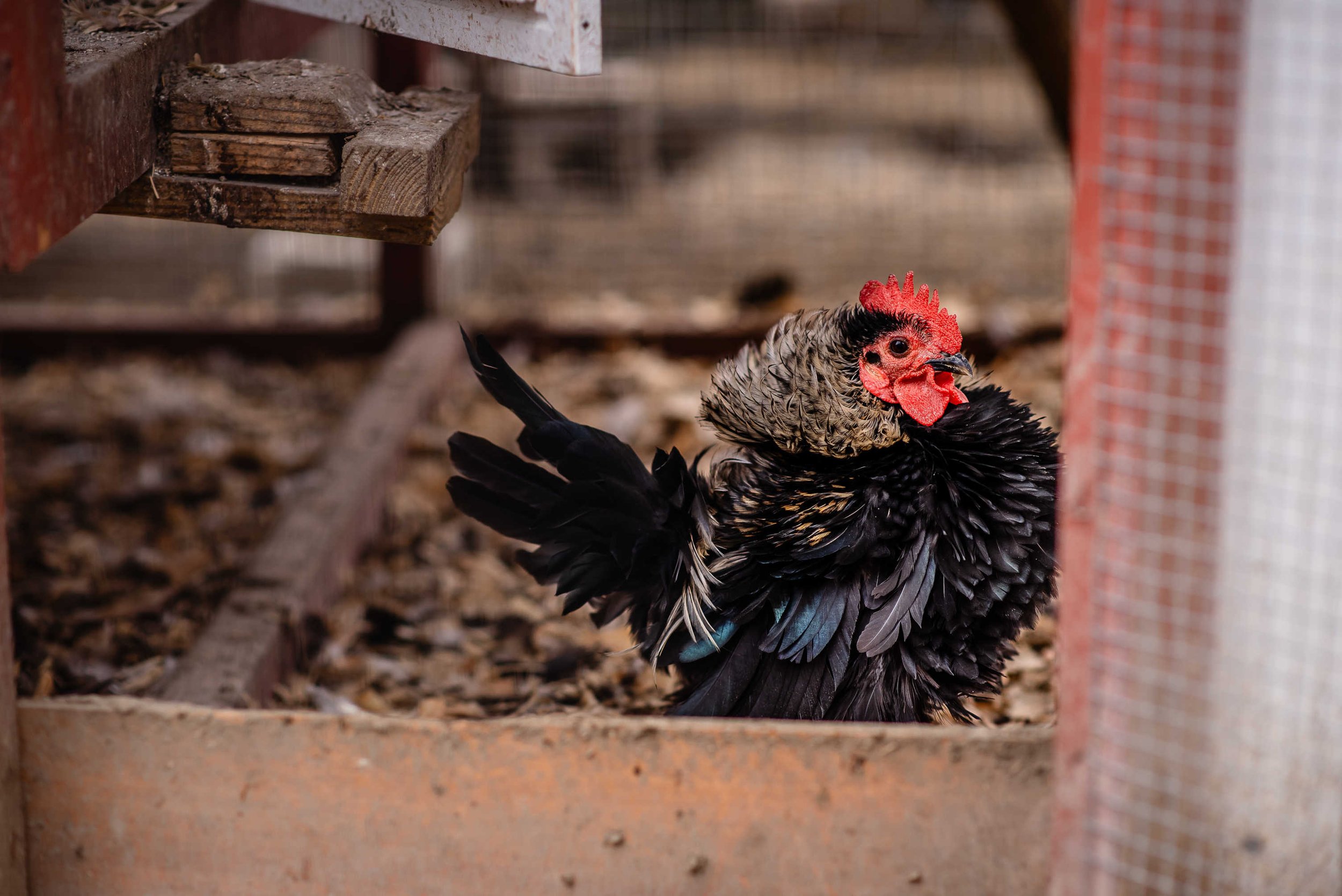
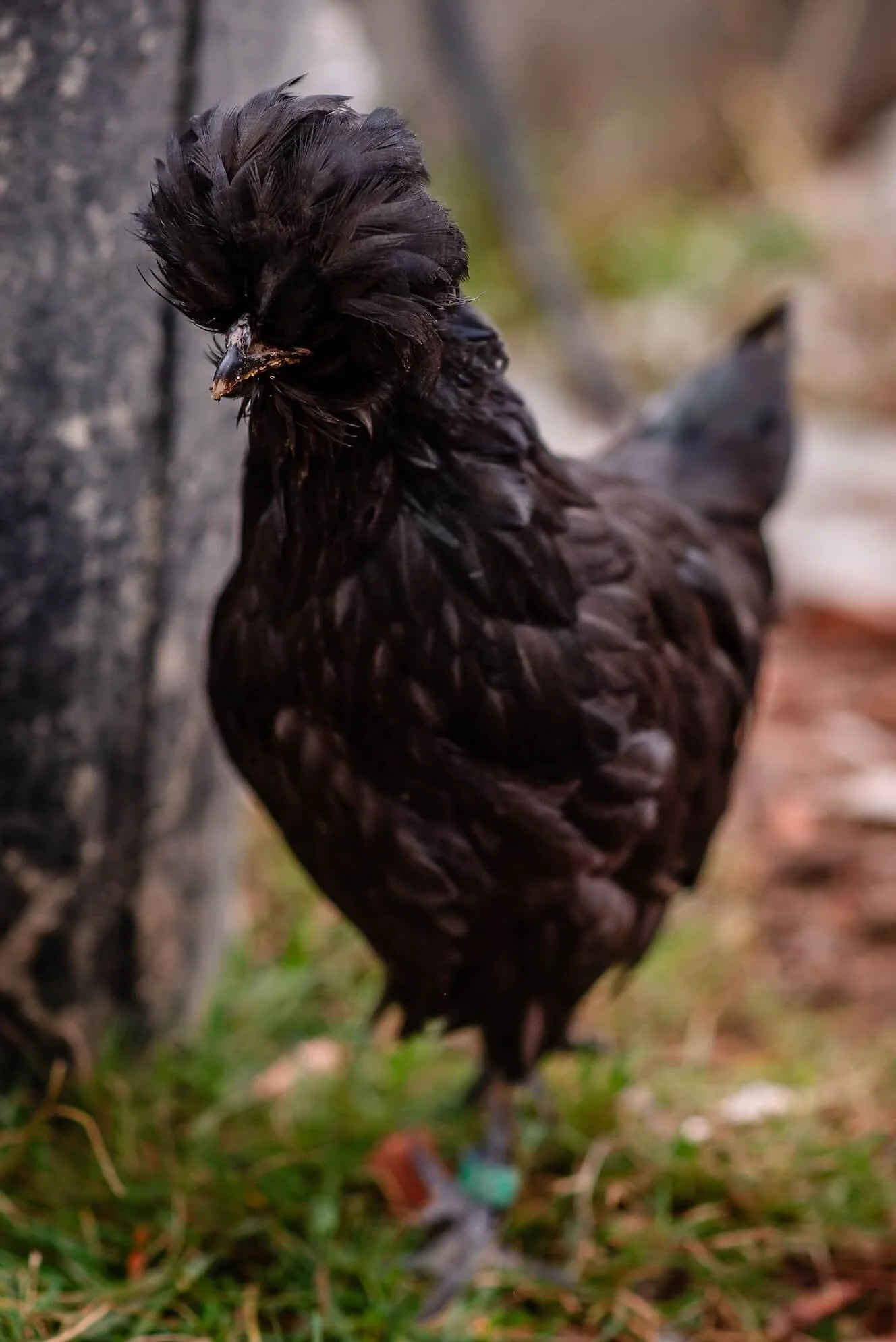
Silkies are a bantam breed with distinctive dark skin, 5 toes feathered legs and creasts (note: cuckoo will have white skin). They generally do not fly well do to their type of feathering, and their calm, docile personalities male them especially enjoyable for people looking for a more personable little chicken.
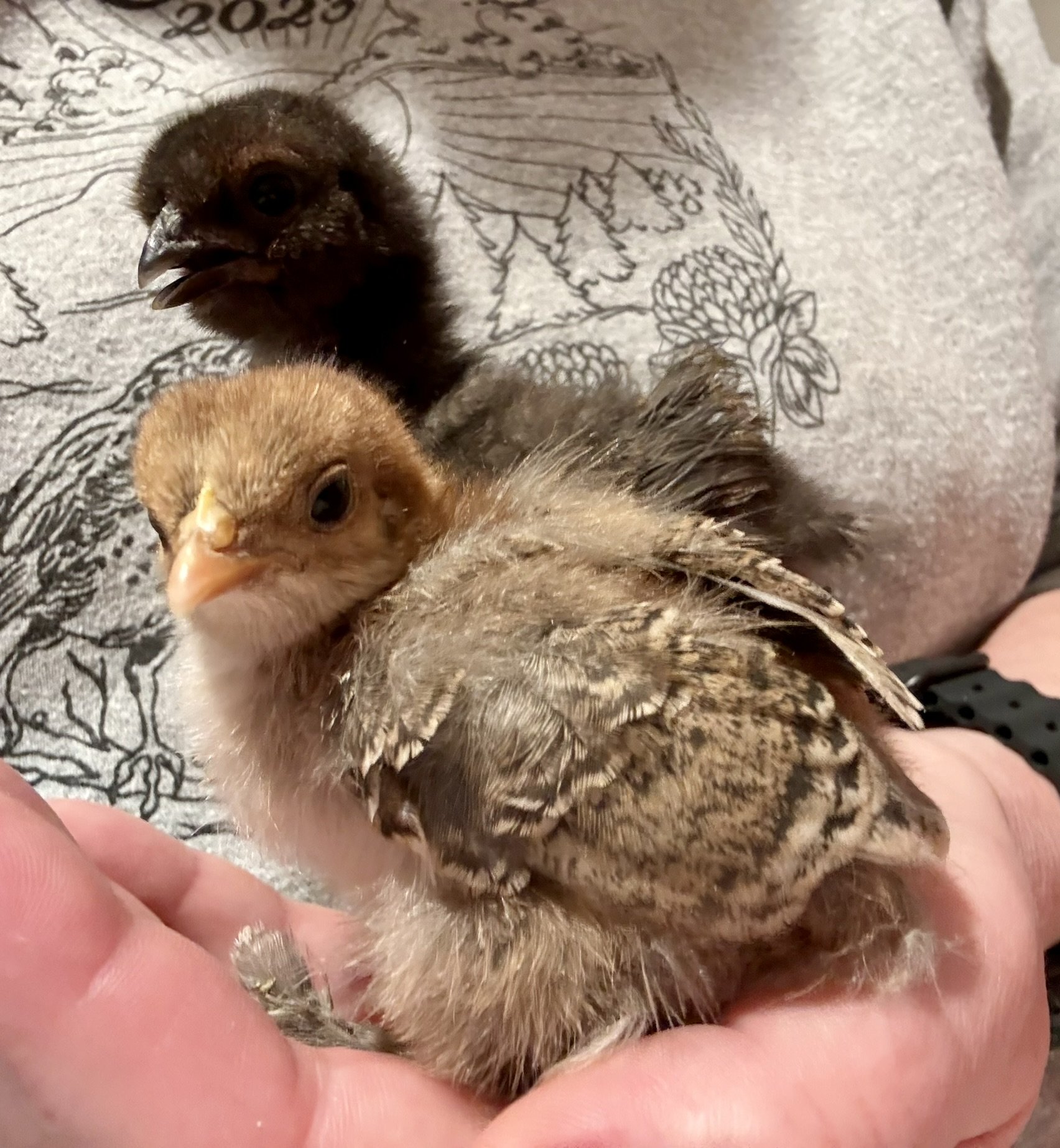
Our breeding groups produce several feather types, including Silkies, Frizzled Silkies, Satins and Frizzled Satins. Colors and feather types vary by hatch, and while we are happy to consider preferences, specific colors or feather types cannot be guaranteed.
Cuckoo White
Gray Chocolate
Black Mauve
Splash (rare) Cuckoo-Mauve
Blue Black & White Laced (rare)
Partridge
Lavender Creole
Cuckoo Silkie note: Don’t be surprised if some of our Cuckoo babies don’t have the dark skin you typically expect from a Silkie. The genetics responsible for that beautiful barred pattern can also affect skin pigmentation. It’s a normal part of working with this color variety.
Looking for other options?
-
Silkie chicks can be more delicate than many standard-size breeds, particularly during their earliest weeks. We give ours additional time to grow and strengthen before travel and do not ship newly hatched Silkie chicks.
Because Silkies are small, gentle birds, we recommend brooding them with chicks of a similar size and temperament. Keep bedding clean and dry, provide appropriate supplemental heat while they are young, and pay particular attention to their feathered feet and crests as they mature.
Silkies are not strong flyers and may prefer lower roosts—or no roost at all. Their fluffy feathering also does not shed water like the tighter feathering of many other chicken breeds, so they should always have access to dry, protected housing.
All Silkie chicks are sold unsexed. Silkies are notoriously difficult to sex visually when young. If having a pullet or cockerel is important to you, consider our Silkie Juveniles, where we offer sex selections.
-
The date and place of origin of the Silkies are not known, however, Marco Polo wrote of the fur-covered fowl with black skin during his journeys to China in the 13th century… hmmm. It is safe to assume that Silkies had been around quite a while before Marco Polo. The Silkie of that time and the modern Silkie do not resemble each other in many other respects, being that the ancient Silkies evidently did not have leg feathering or any crest to speak of. As a matter of fact, the Silkie seen in the showroom today has changed considerably in the last 30 to 40 years. Their crests are larger and the feathering down the legs is more abundant than seen previously. Also a larger variety of colors are found today. The original Silkies were white only, today there are several color patterns. Bearded and non bearded varieties.
-
We recommend starting baby chicks with Sugar Feather Farm chick starter for the first 8 weeks, then transition to Sugar Feather Farm Chicken & Waterfowl Grower. While most chicks can transition earlier, we prefer to give Silkies the additional nutritional support of starter feed a little longer because of their smaller size and development.
At approximately 8 weeks, transition to Sugar Feather Farm Chicken & Waterfowl Grower and continue until maturity. Once females begin laying, transition to the appropriate adult/layer feed.
We also recommend Oil of Oregano in their water as as part of our regular nutritional and digestive support program.
Humane Steward™ Certified
This bird is raised under farmer-developed humane care standards focused on space, enrichment, respectful handling, and natural behaviors.