Image 1 of 17
 Image 2 of 17
 Image 3 of 17
 Image 4 of 17
 Image 5 of 17
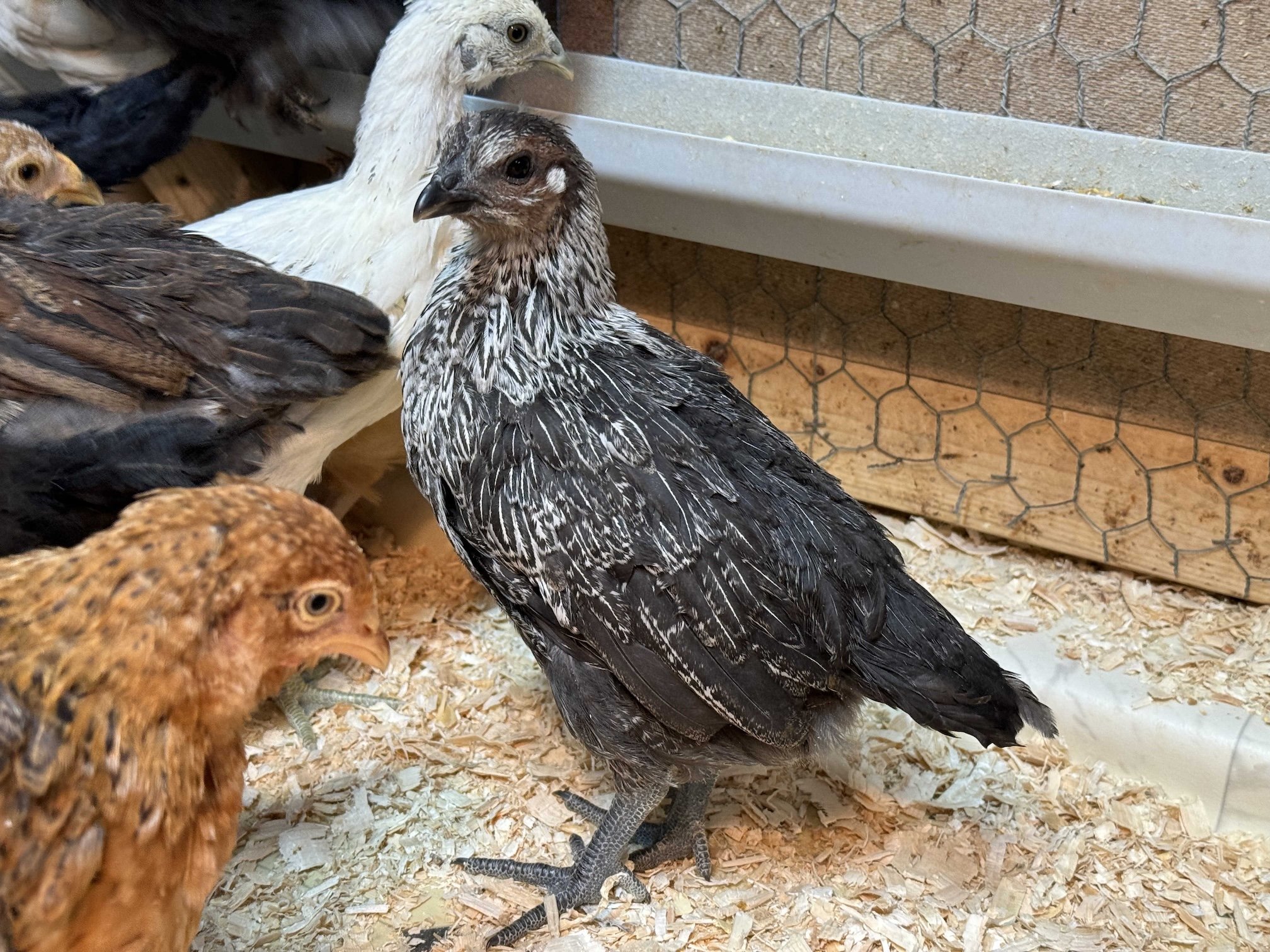 Image 6 of 17
 Image 7 of 17
 Image 8 of 17
 Image 9 of 17
 Image 10 of 17
 Image 11 of 17
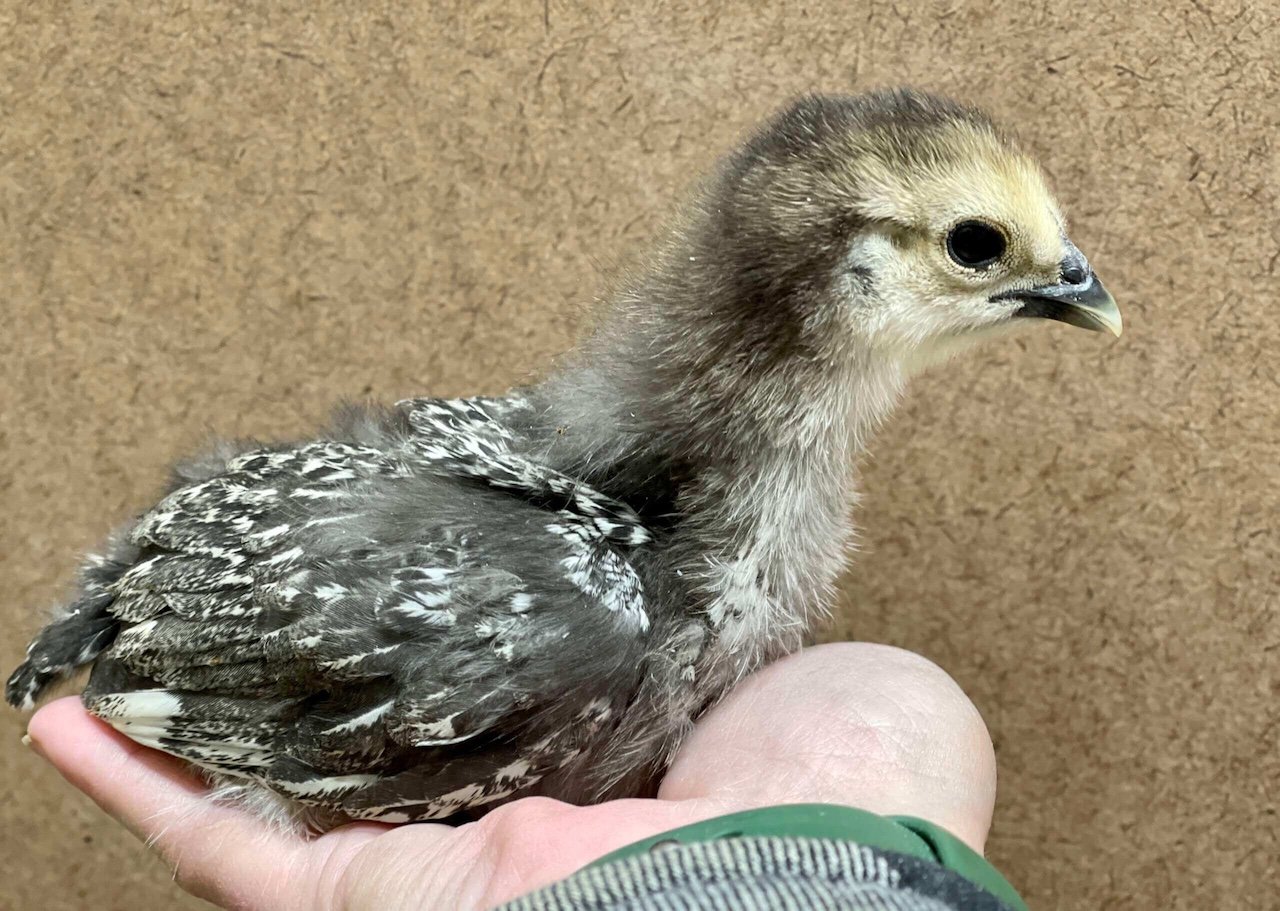 Image 12 of 17
 Image 13 of 17
 Image 14 of 17
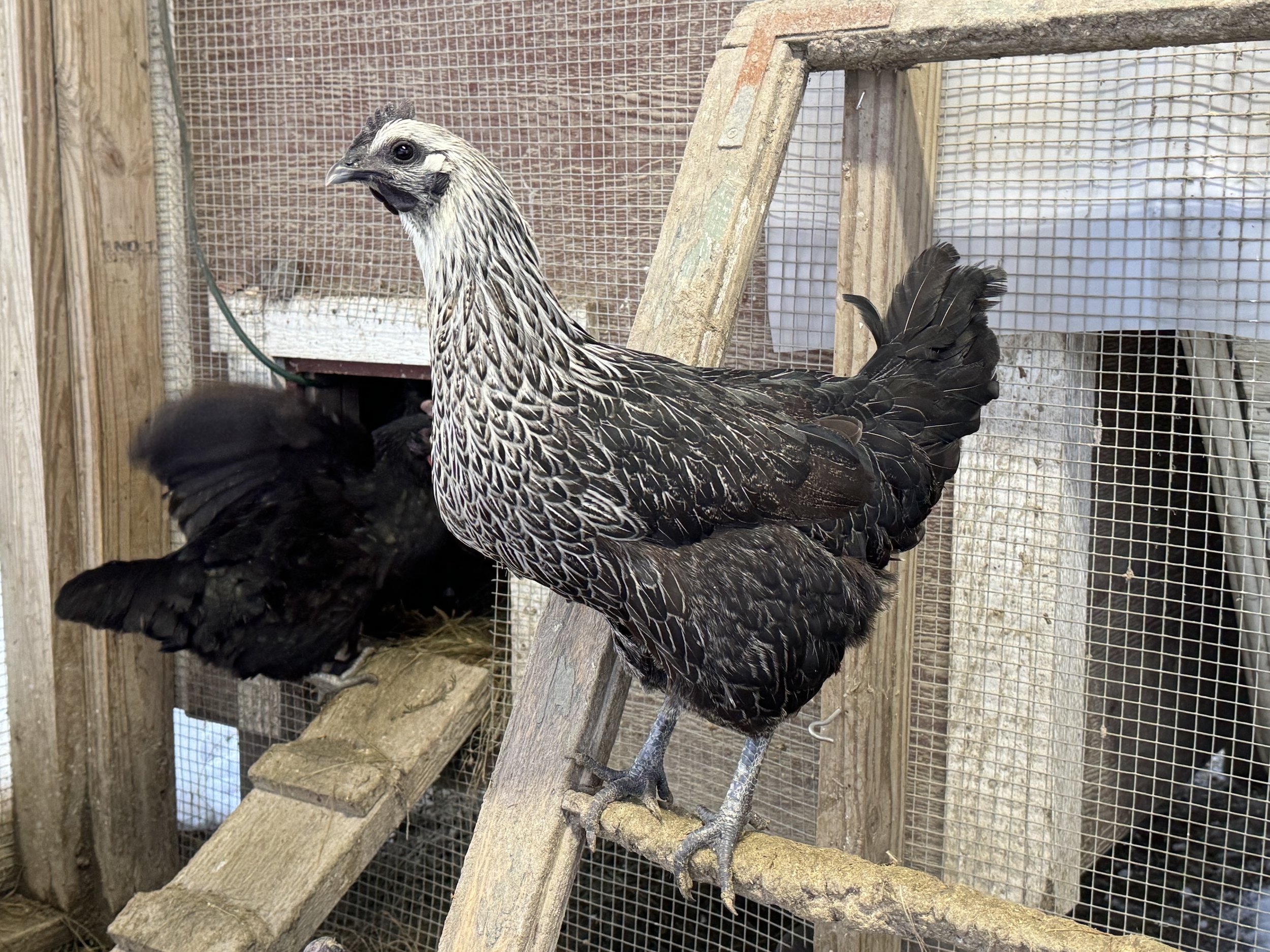 Image 15 of 17
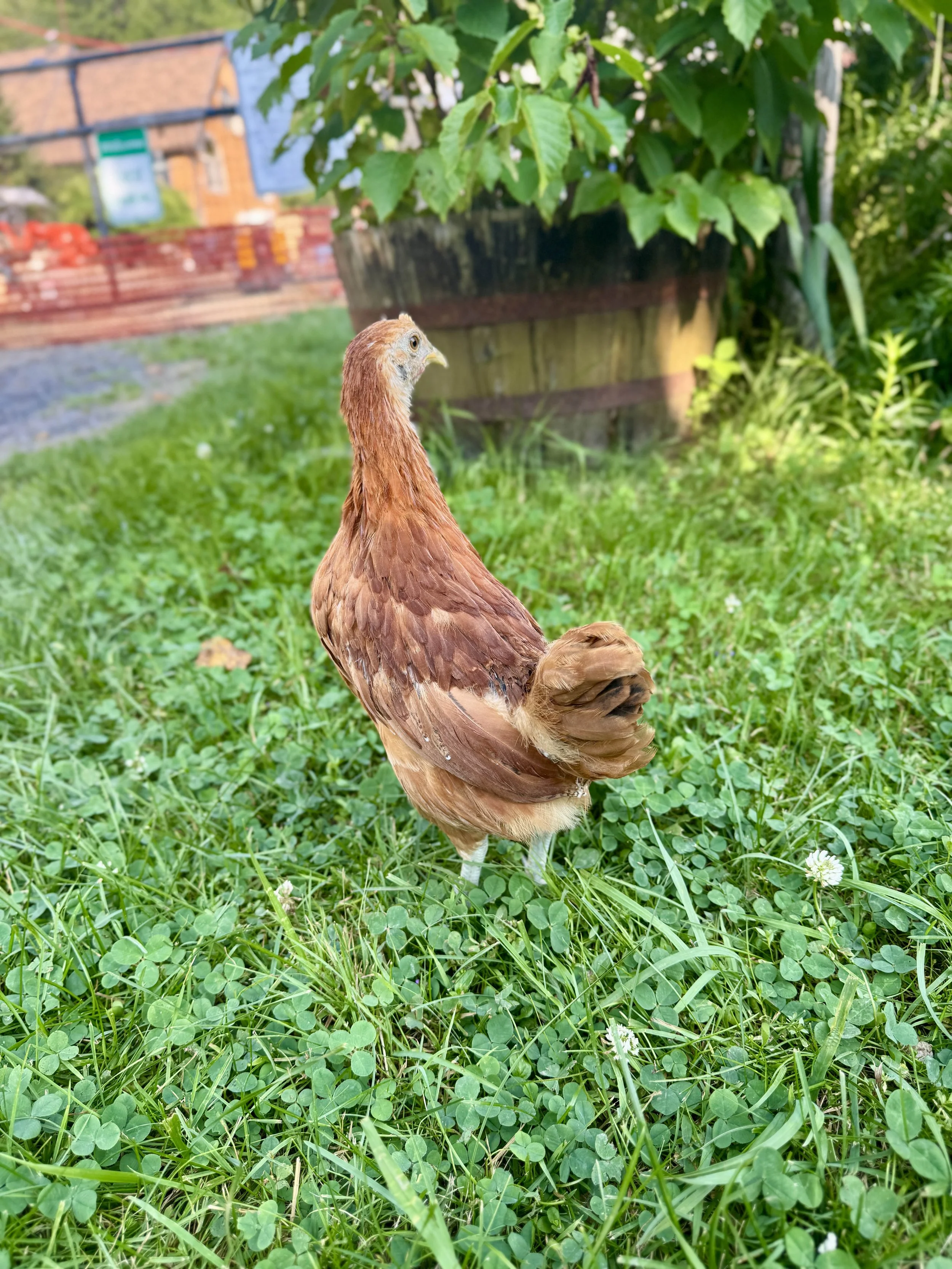 Image 16 of 17
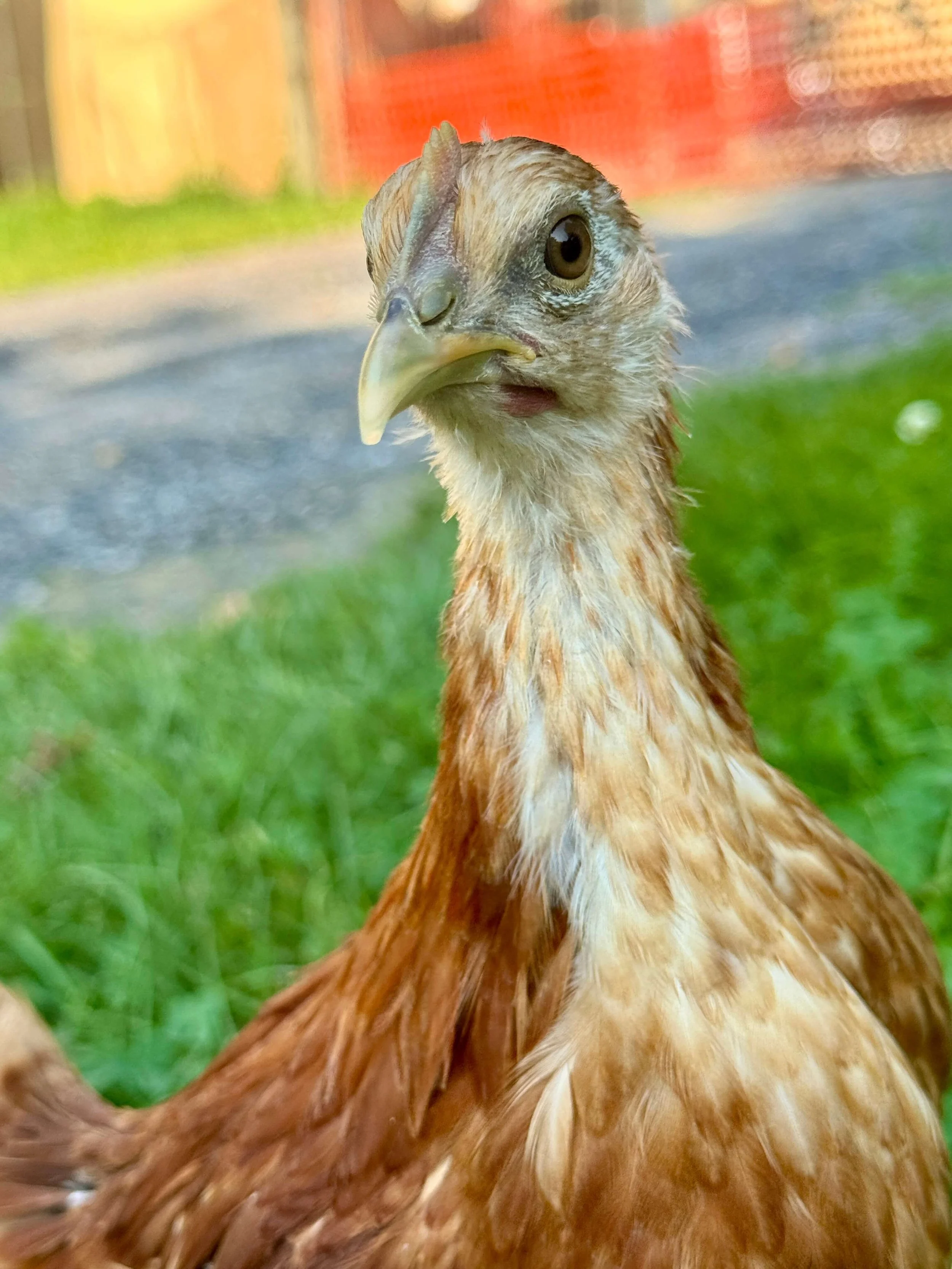 Image 17 of 17
Hmong Starter Pullet


-
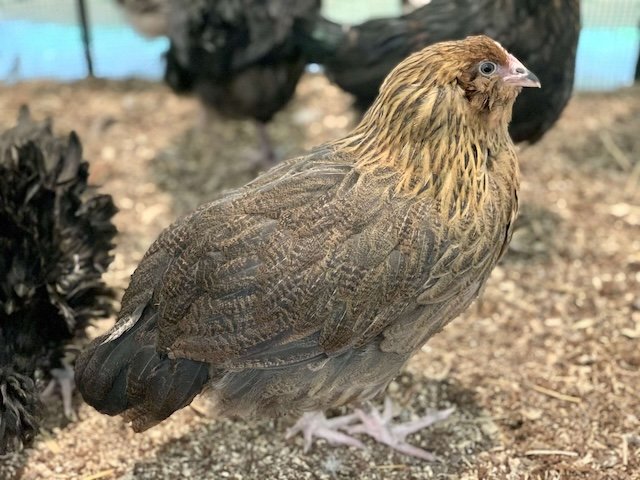
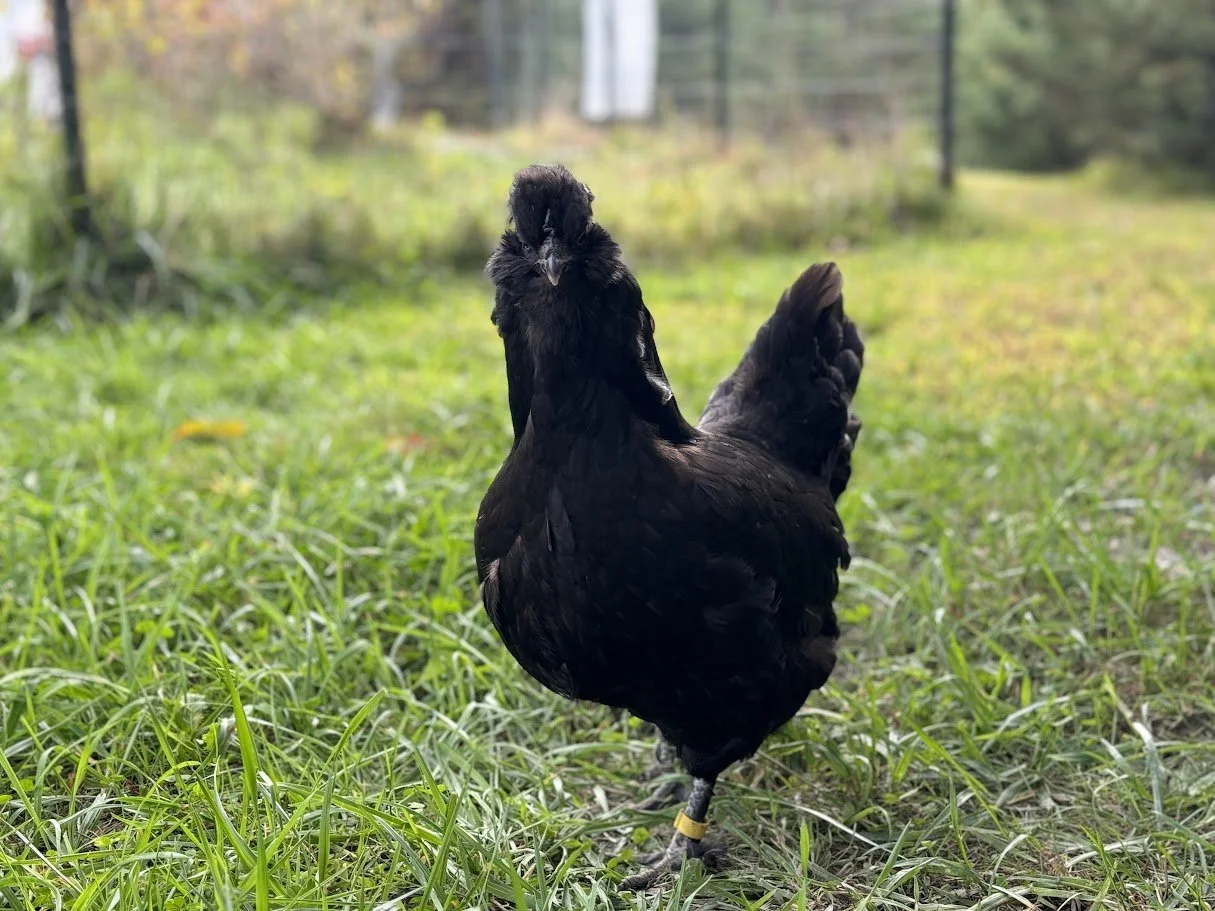
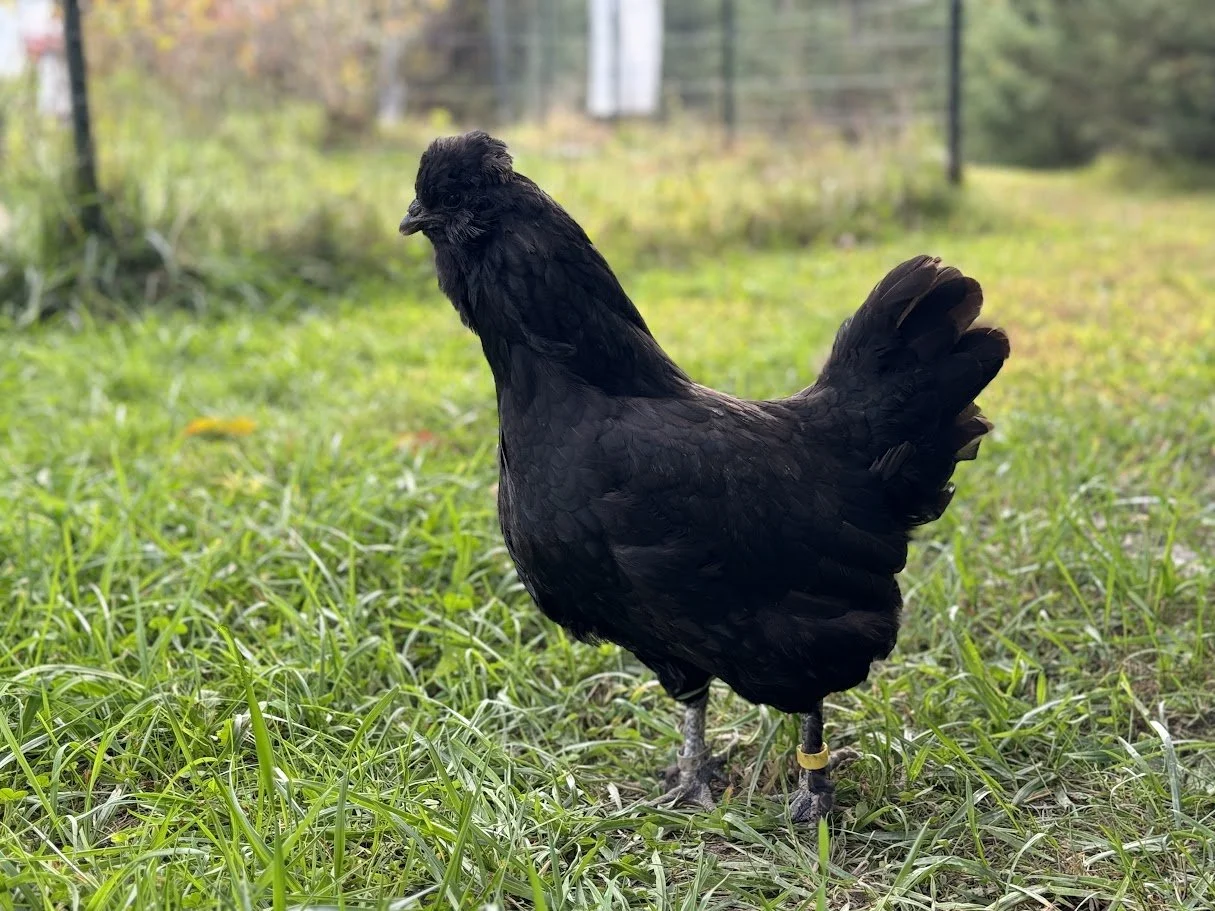
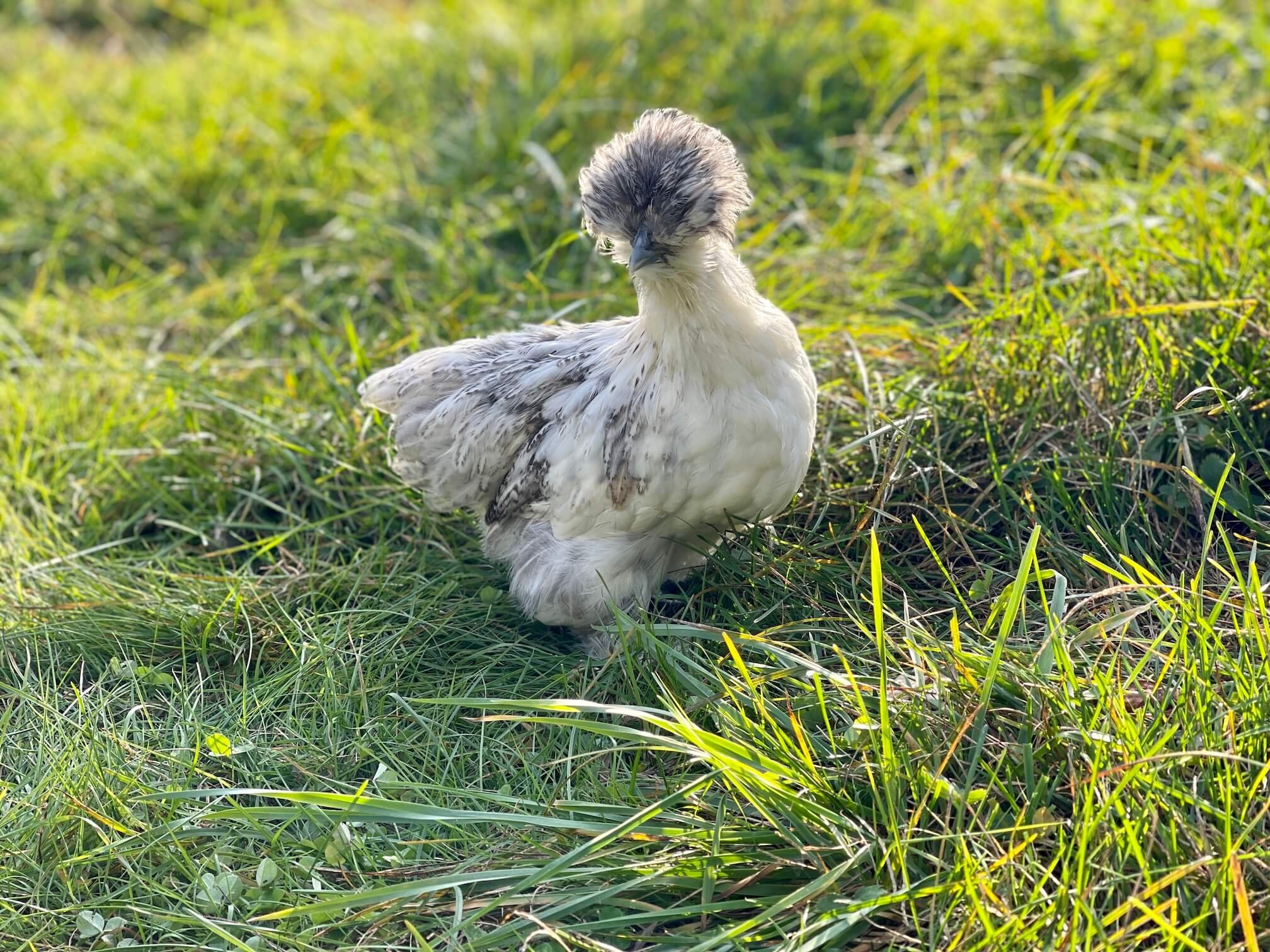
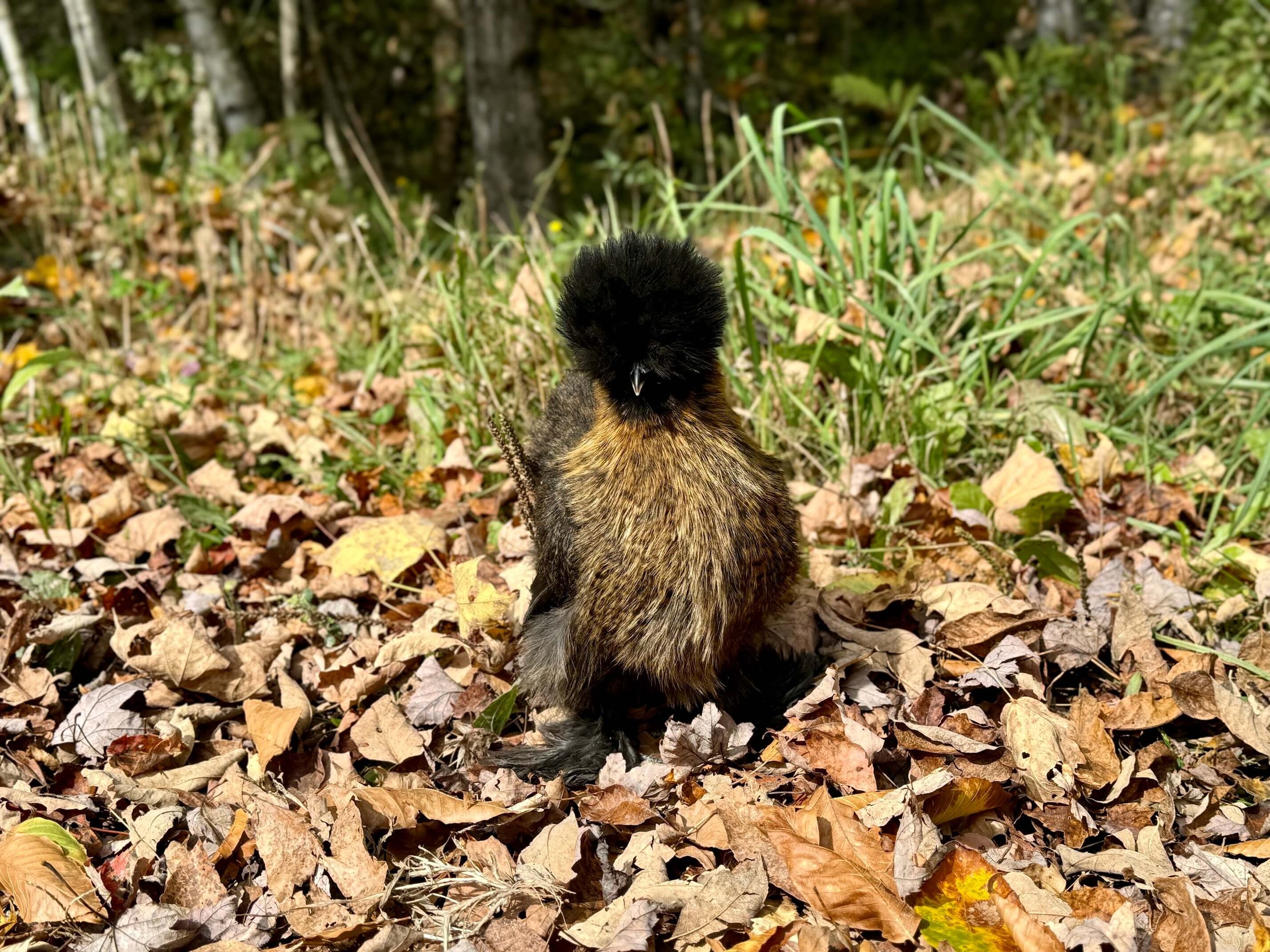
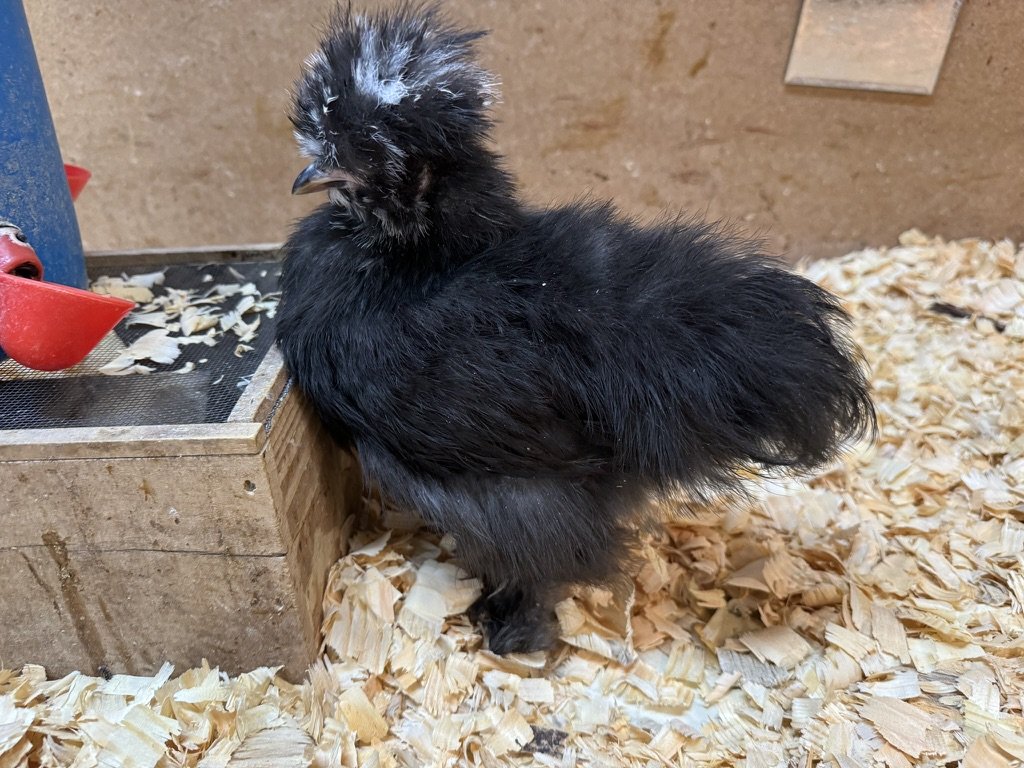
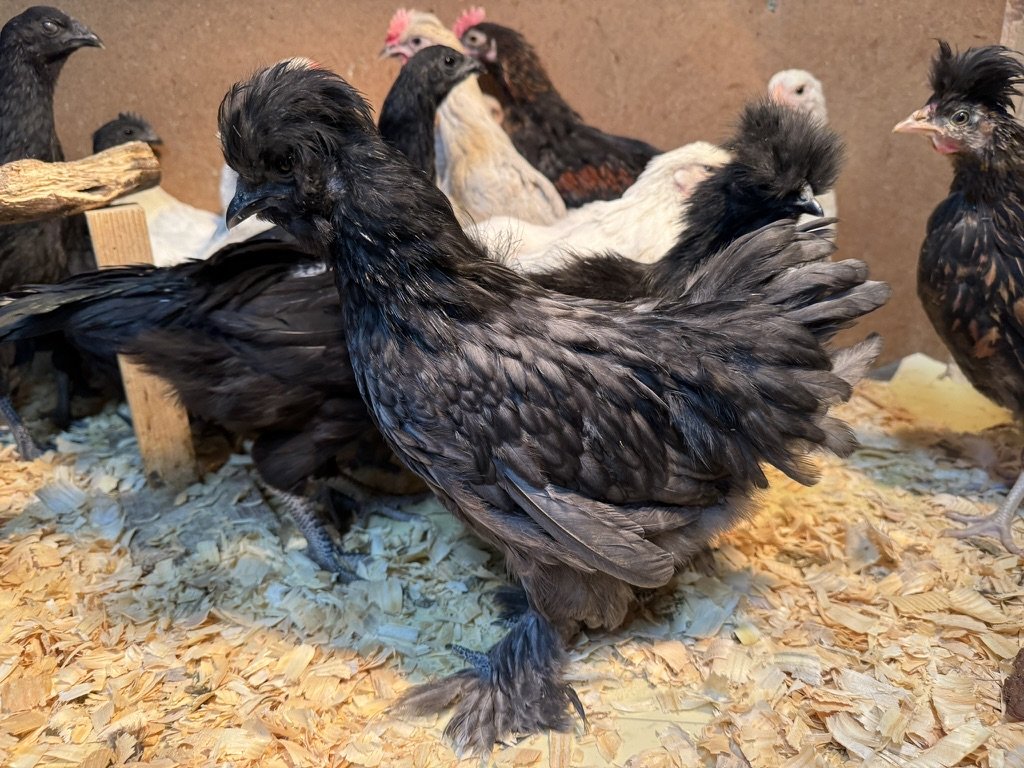
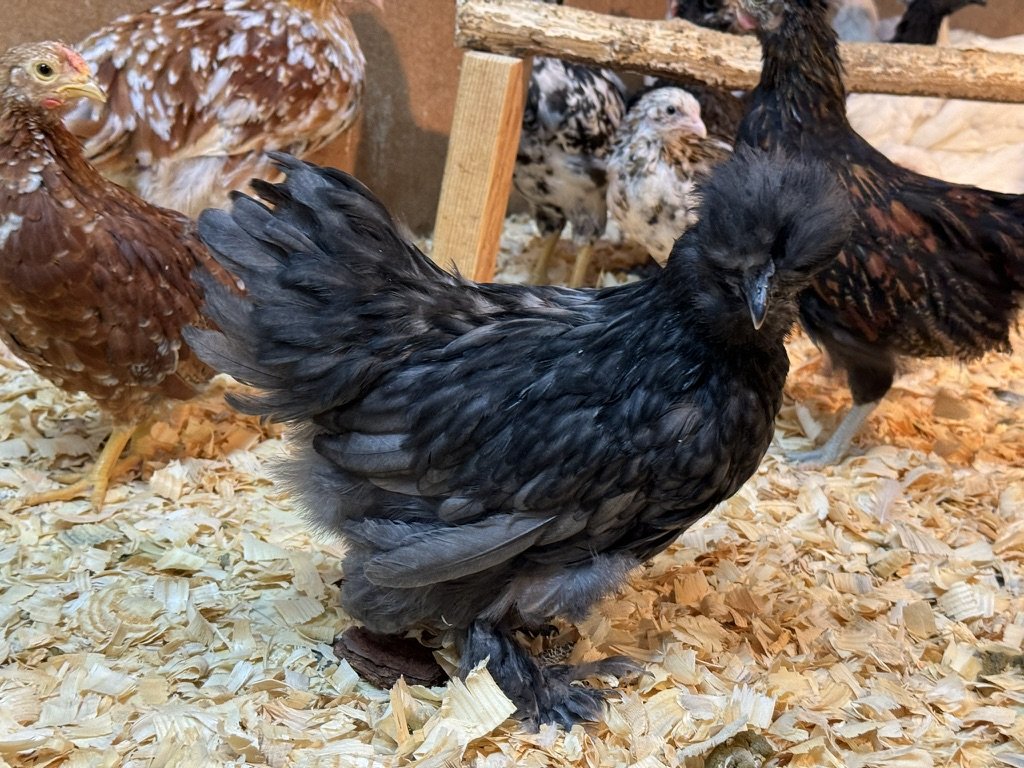
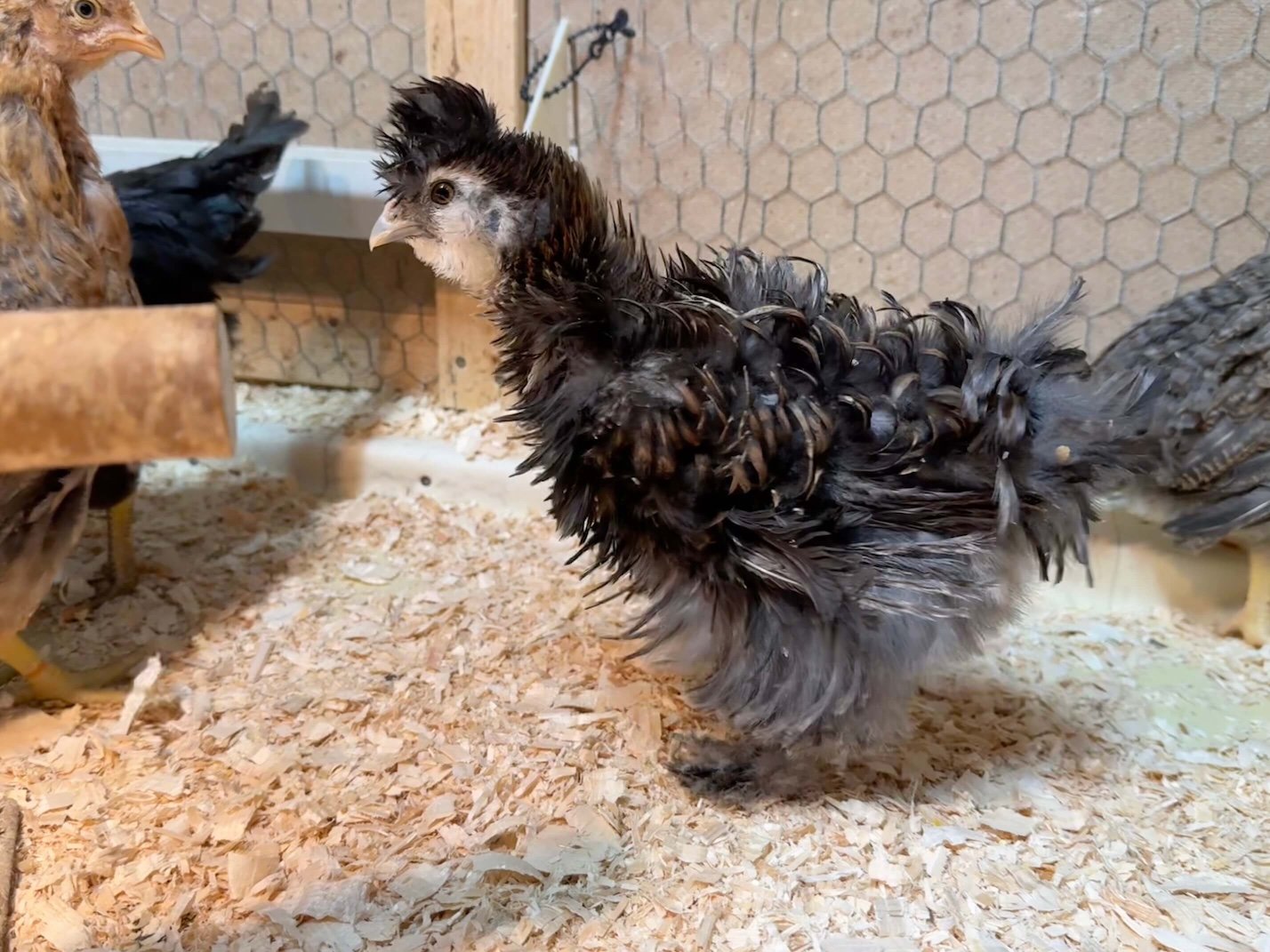
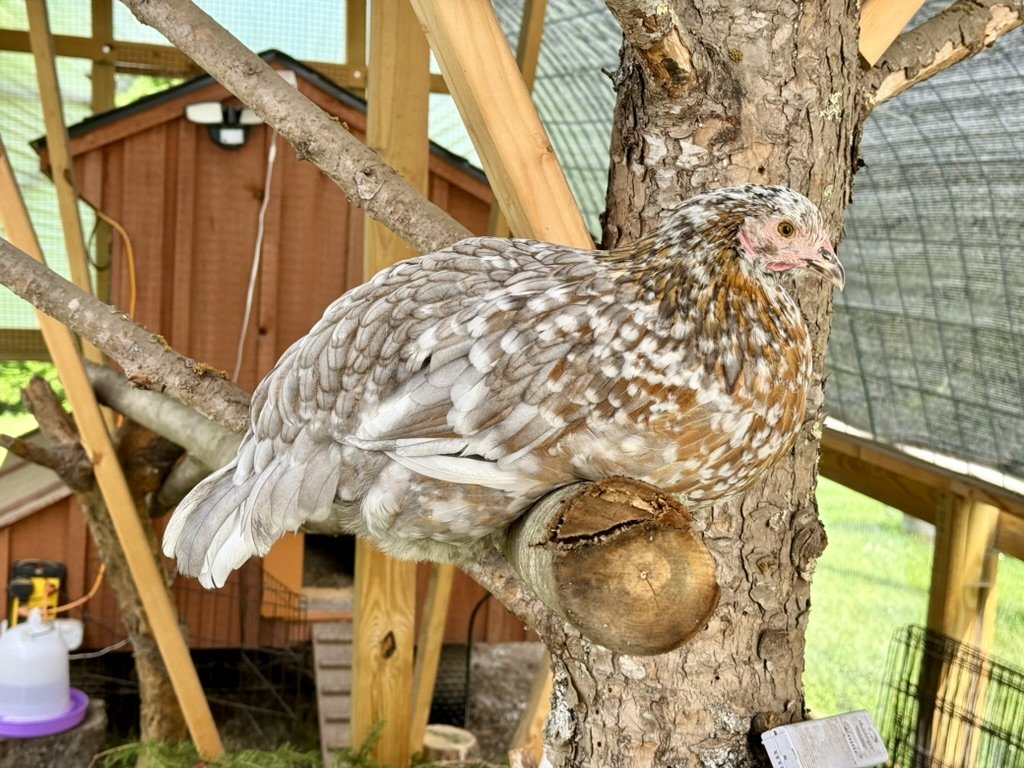
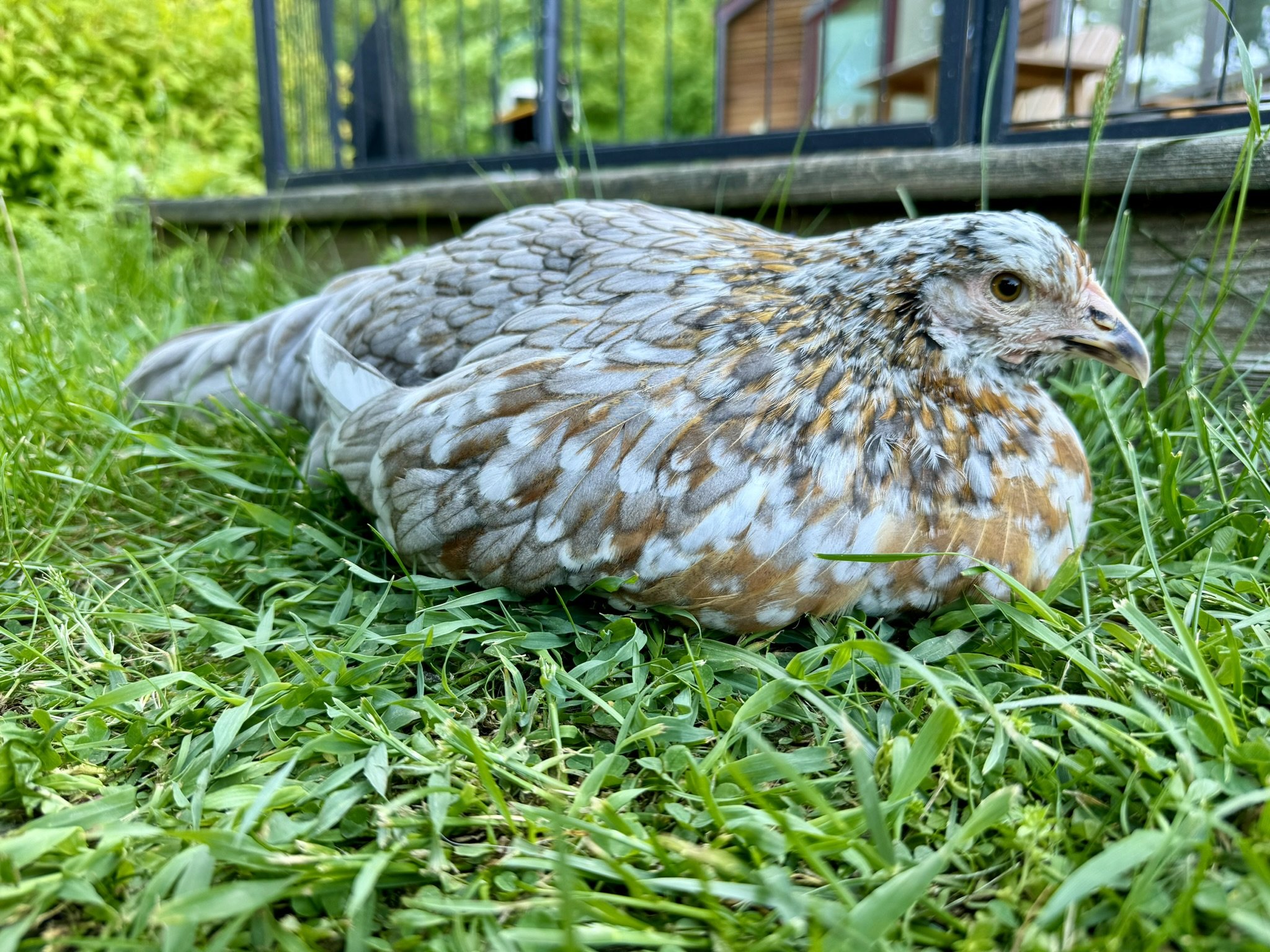
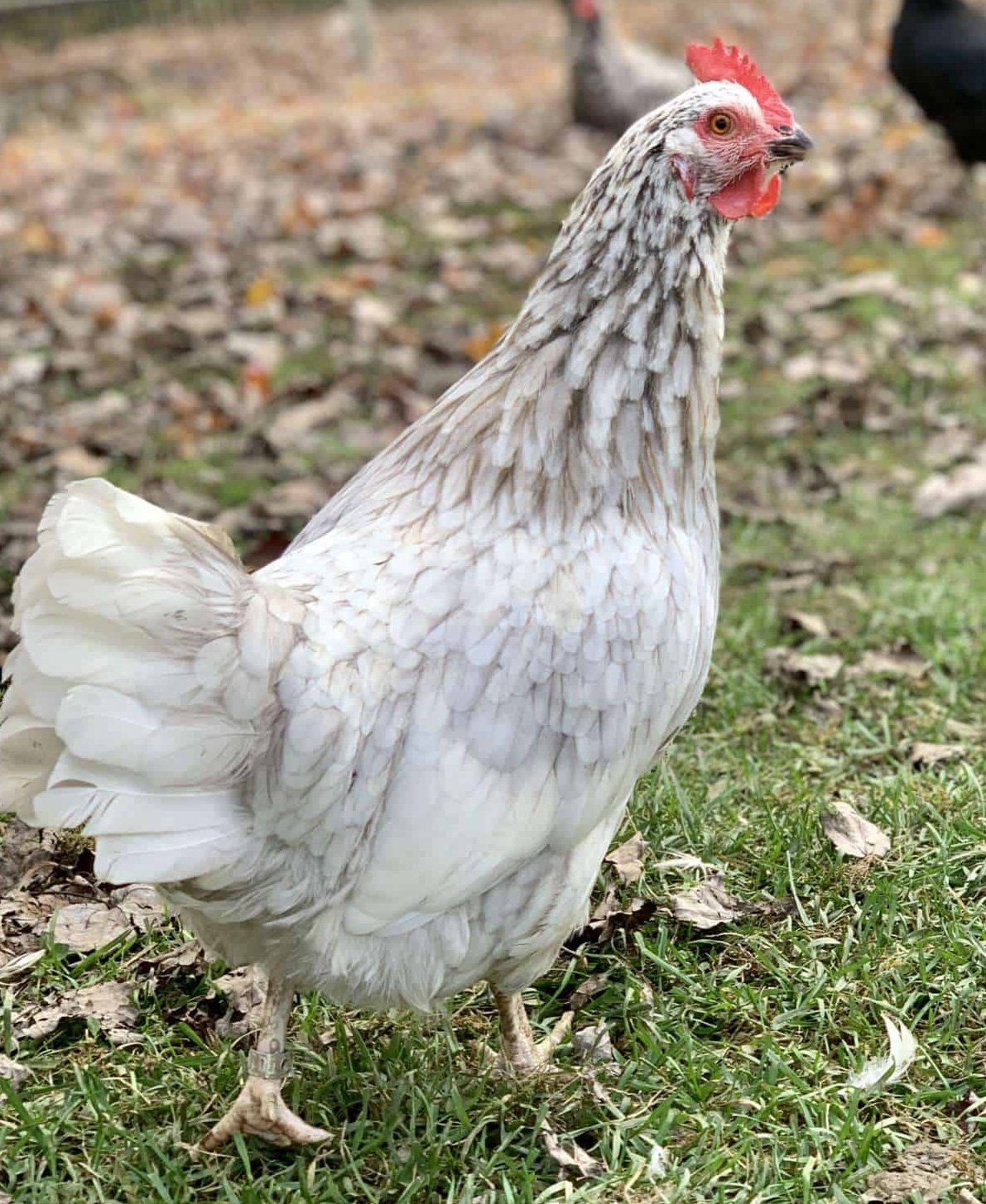
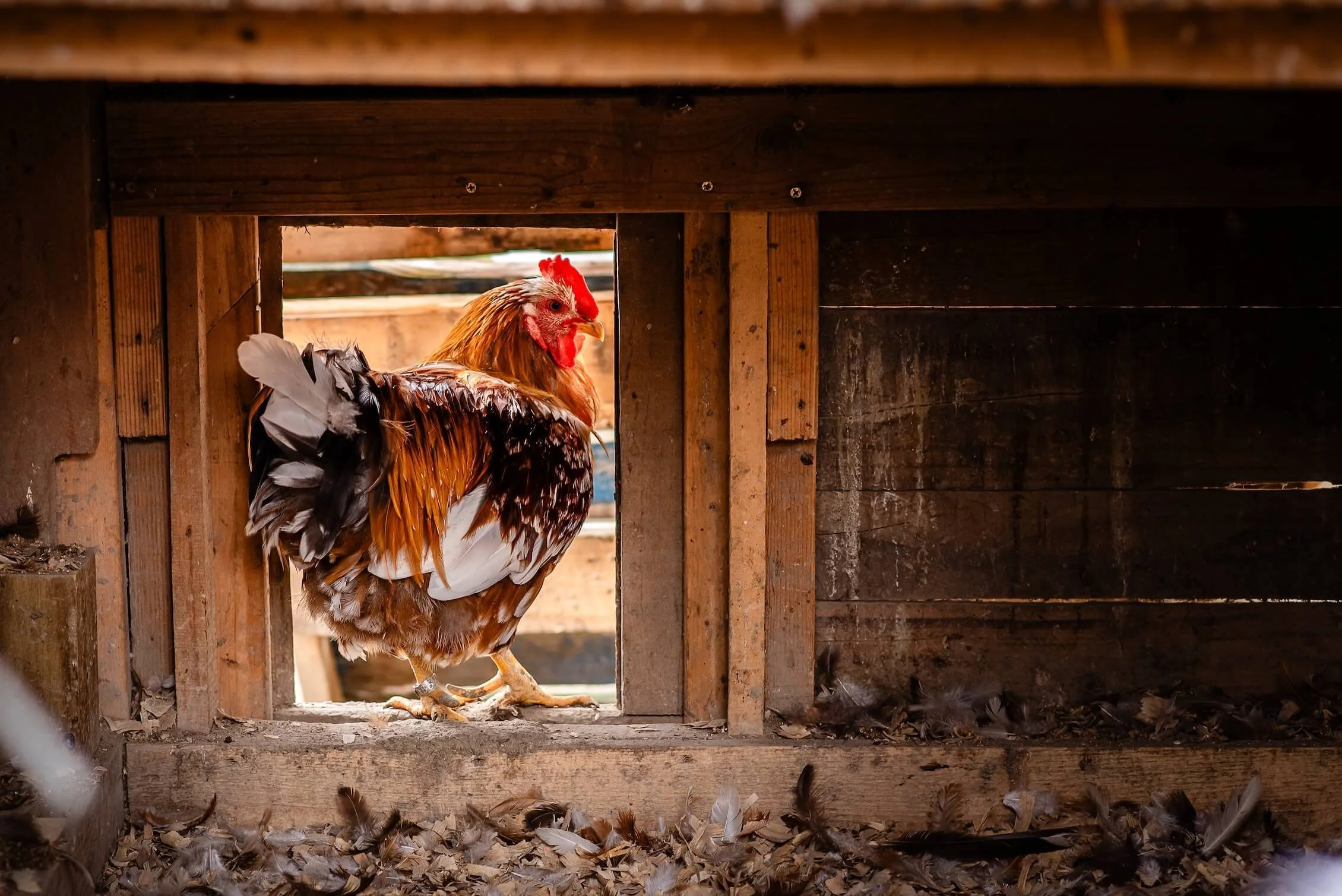
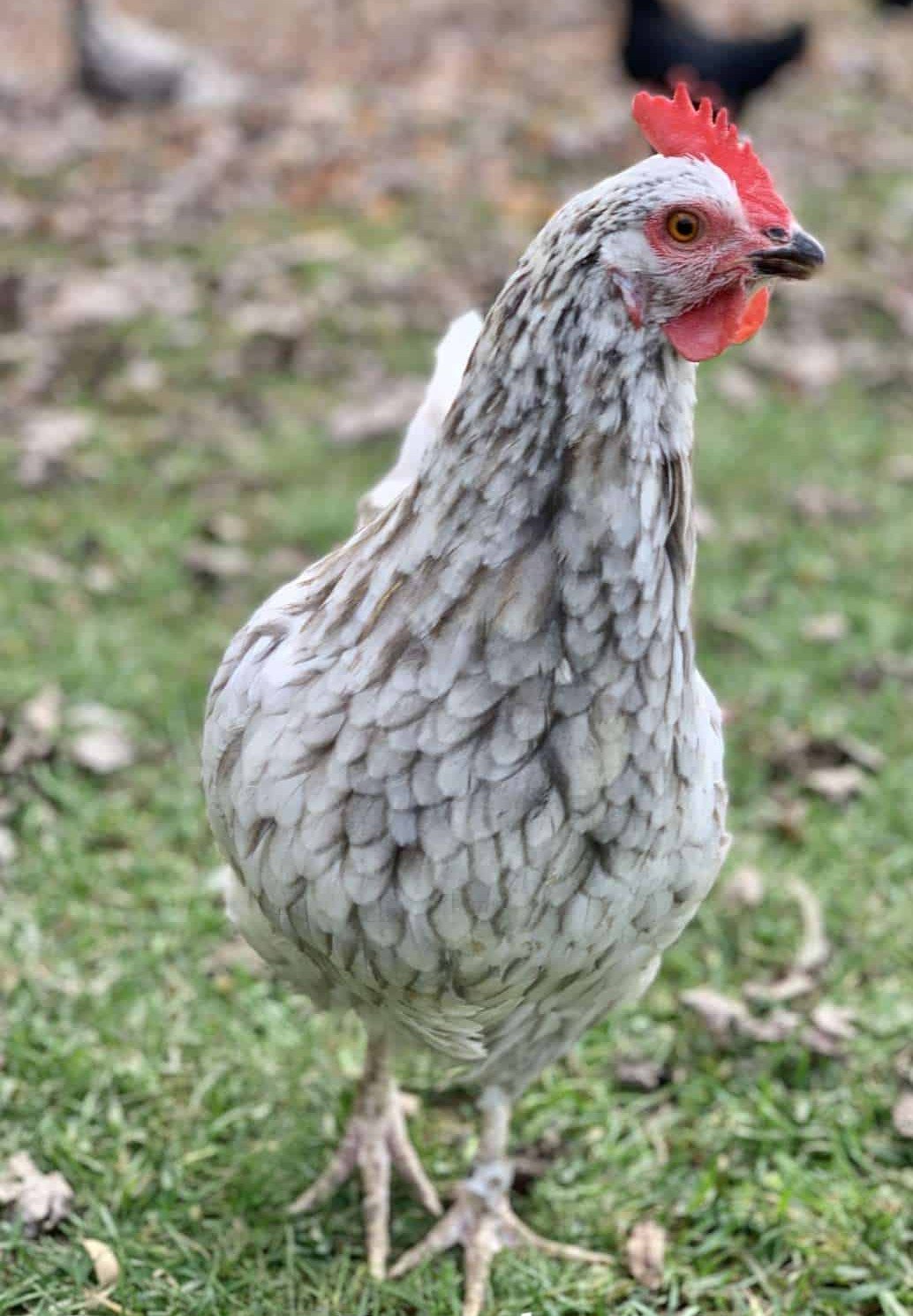
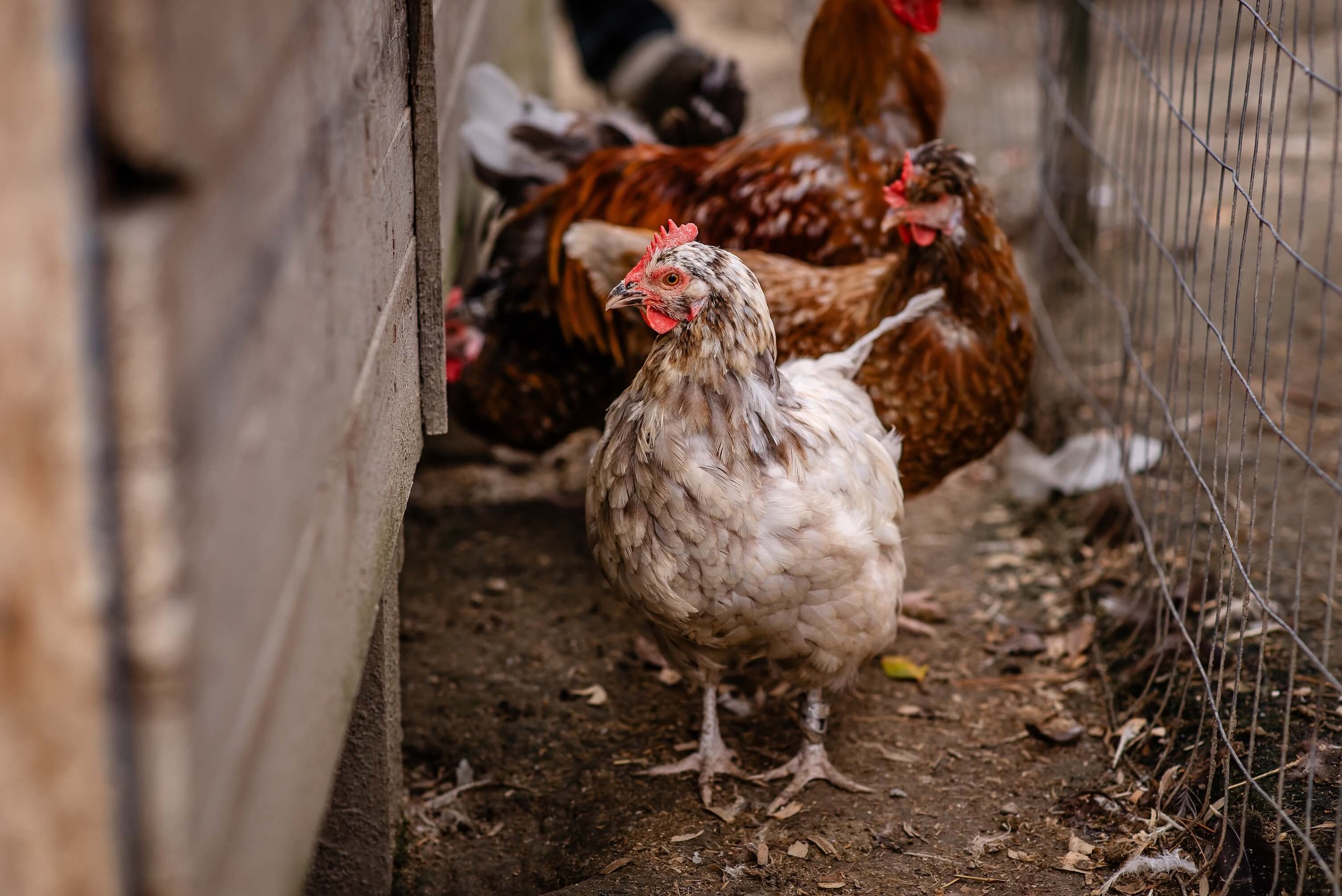
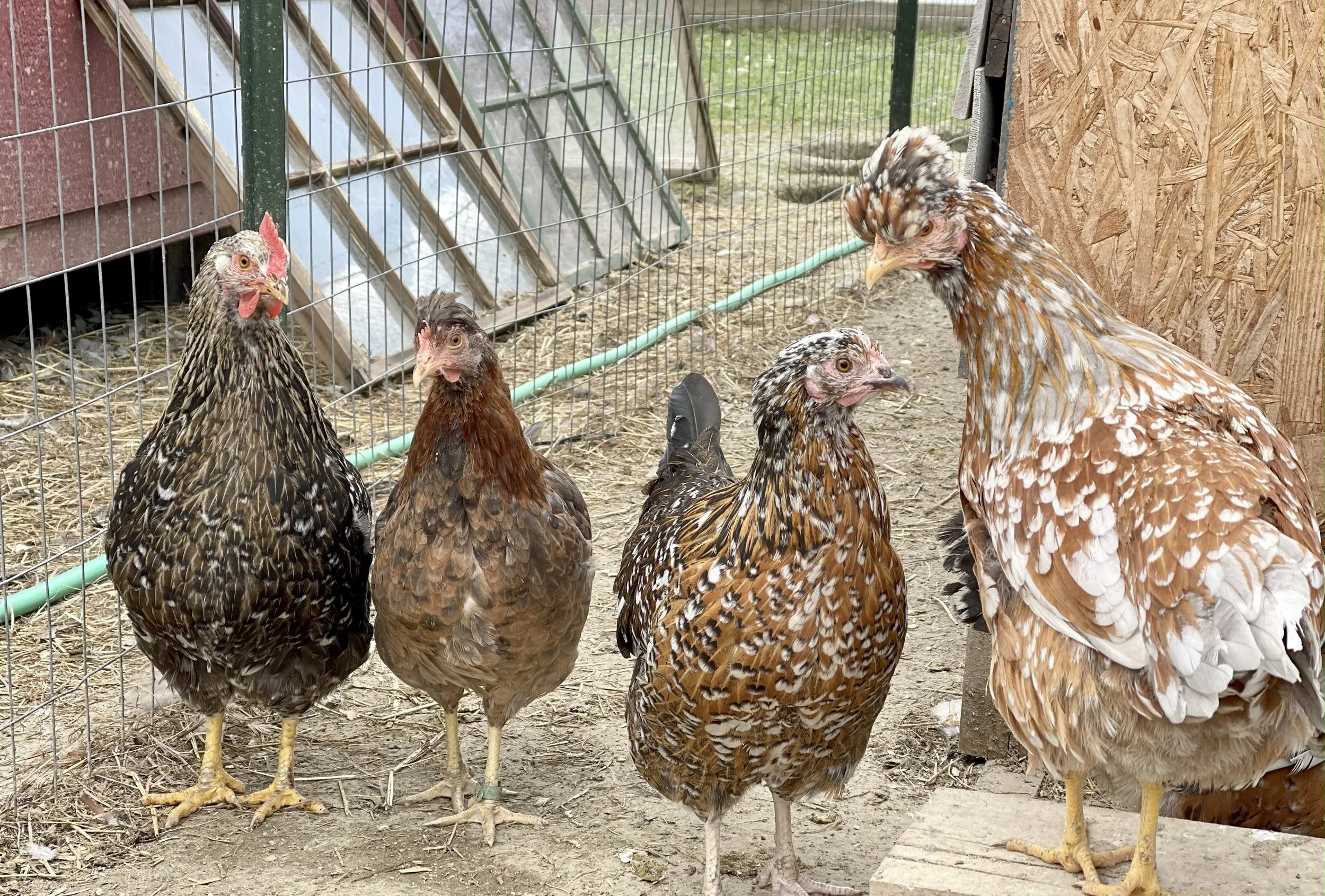
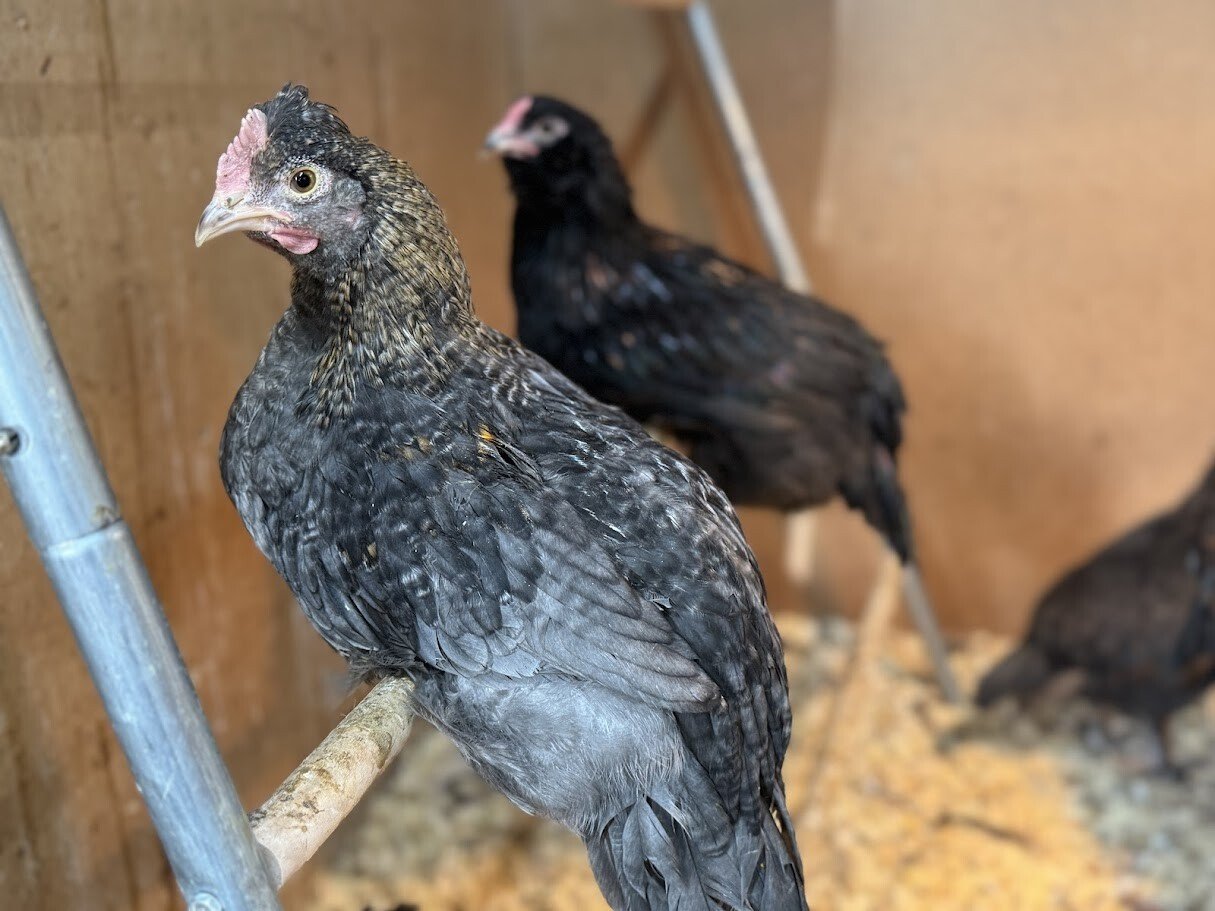
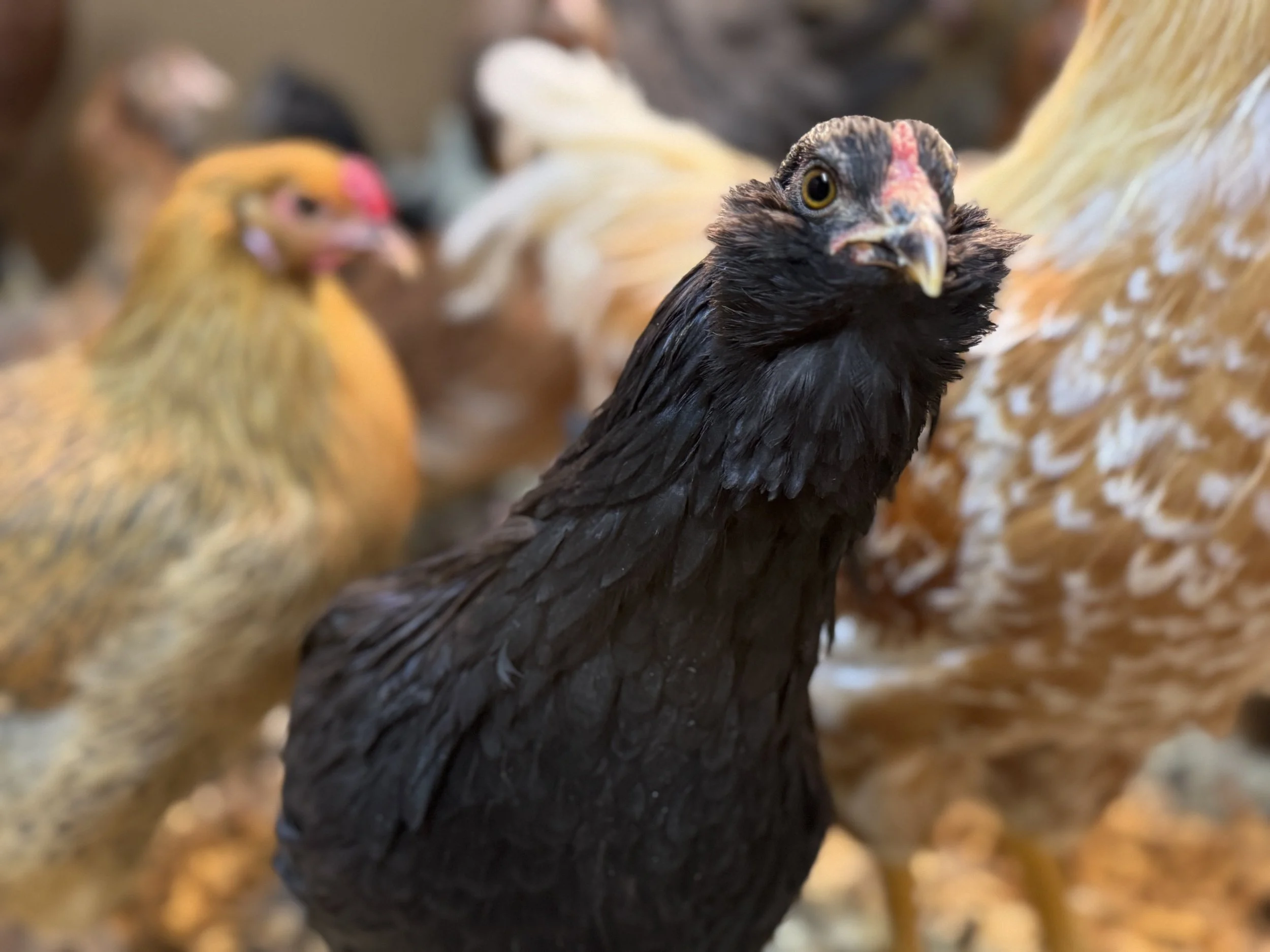
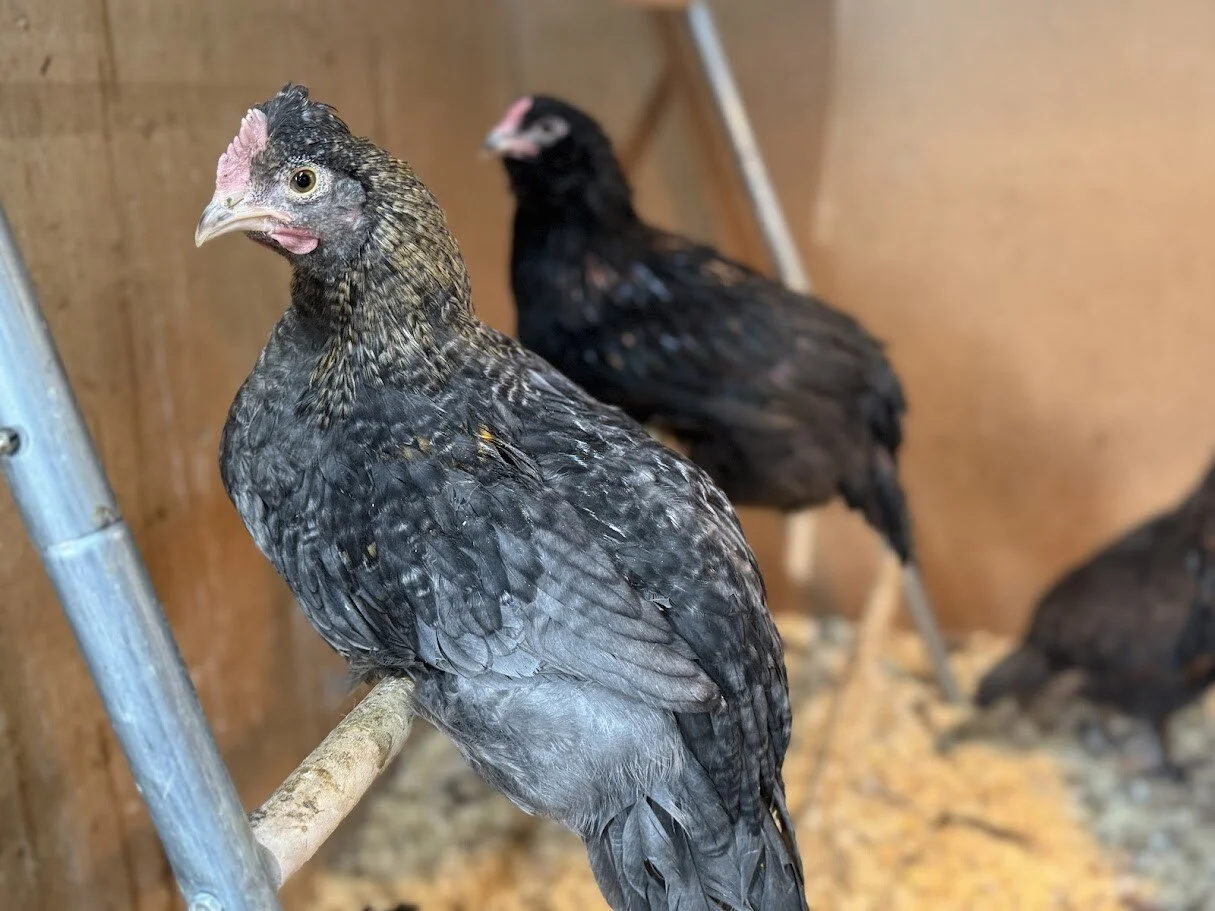
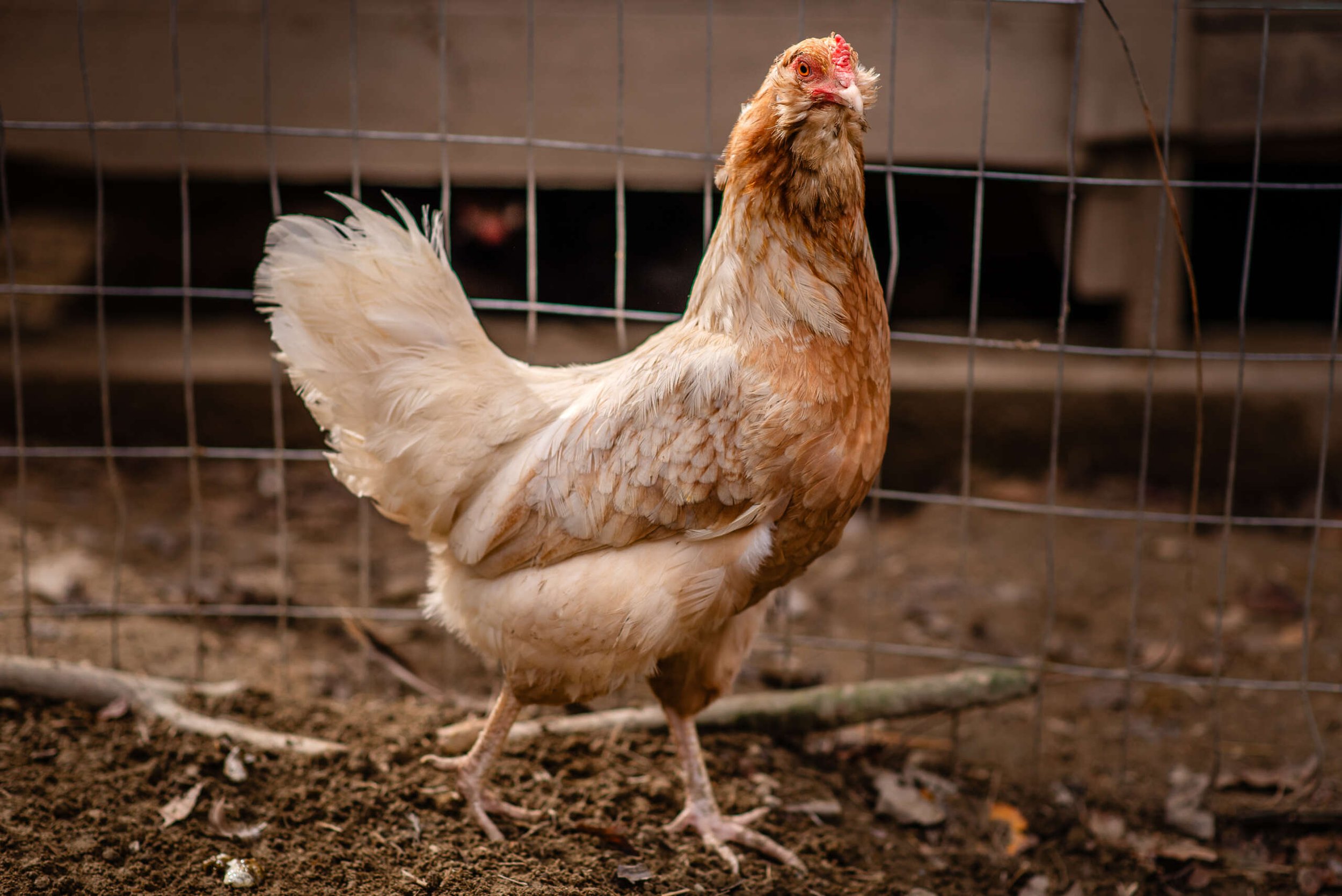
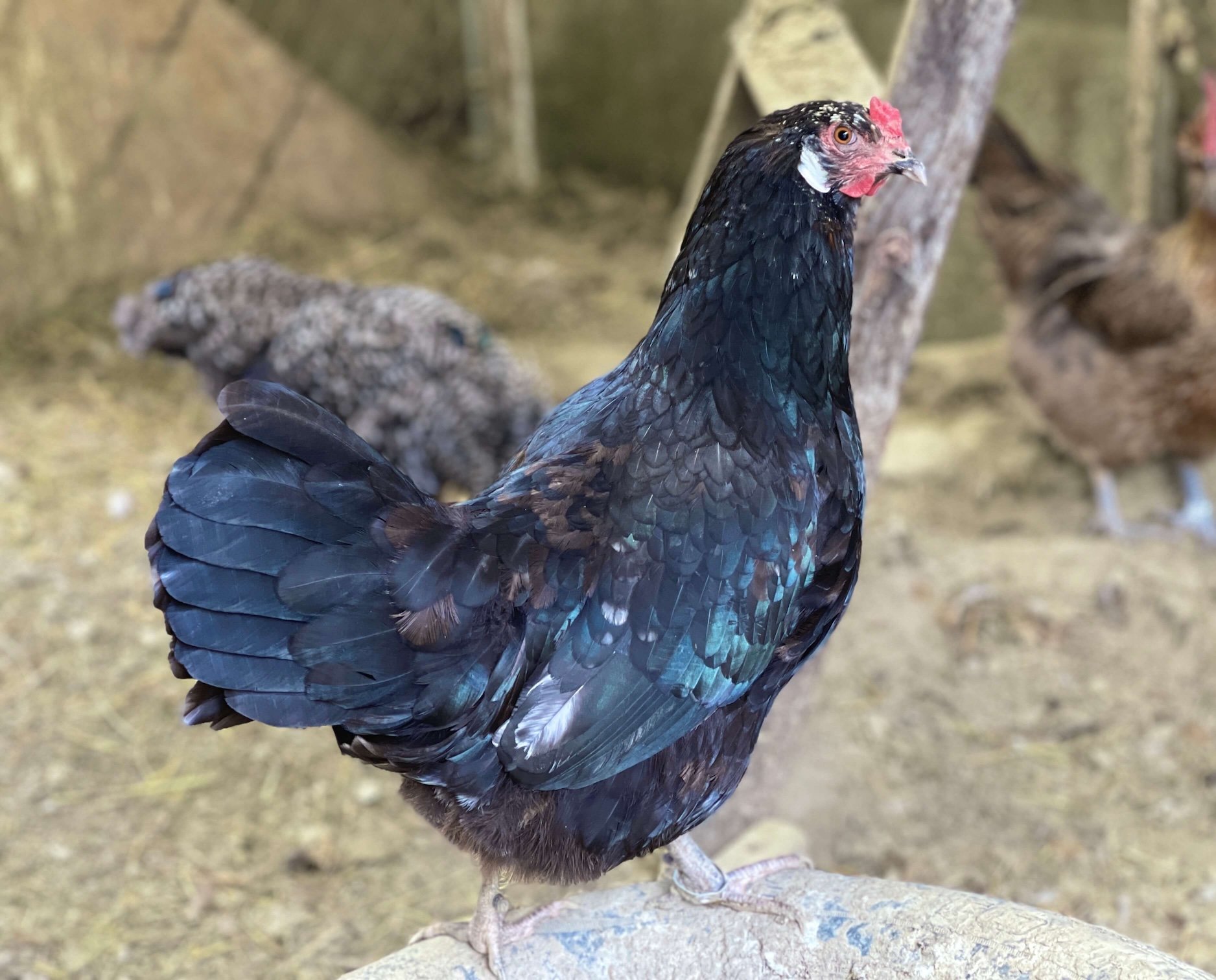
The Hmong chicken, known within Hmong communities as qaib xiav nqaij, is a rare traditional landrace recognized for its blue-black skin, dark meat, natural hardiness, and strong survival instincts.
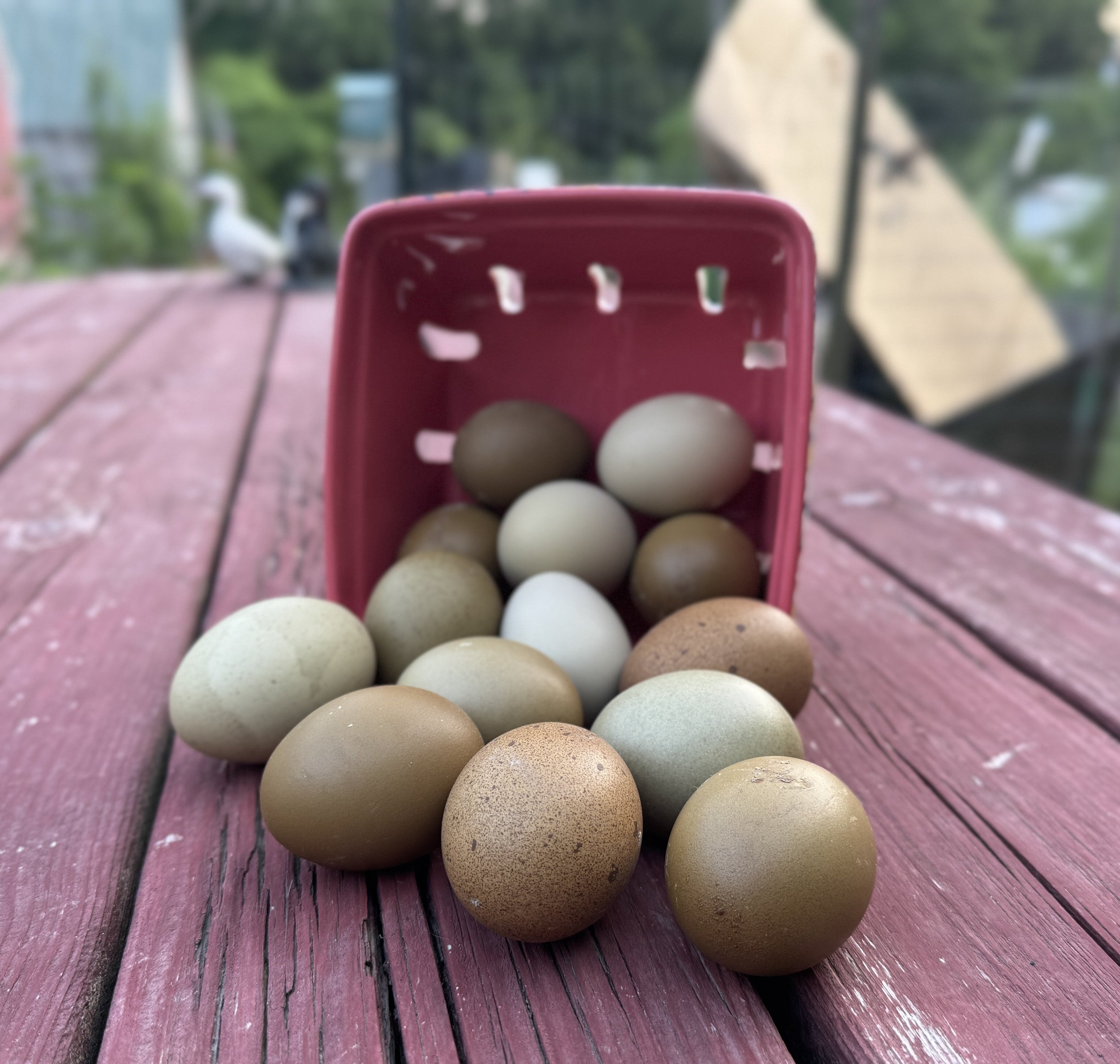
These birds are one of the most underrated breeds we raise at Sugar Feather Farm. They are excellent foragers, dependable broodies, attentive mothers, moderate seasonal layers, and intelligent birds with an even-tempered but independent personality.
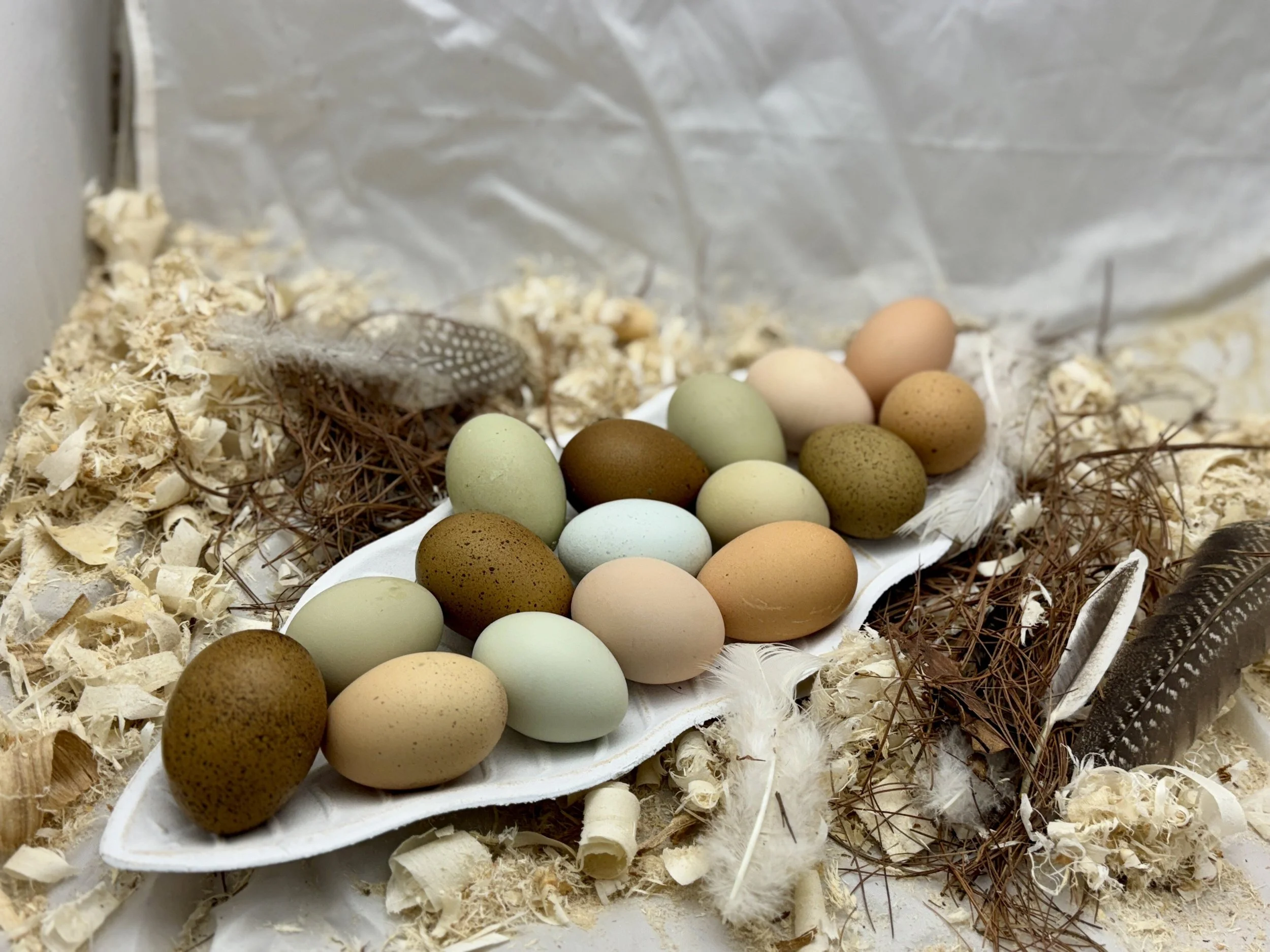
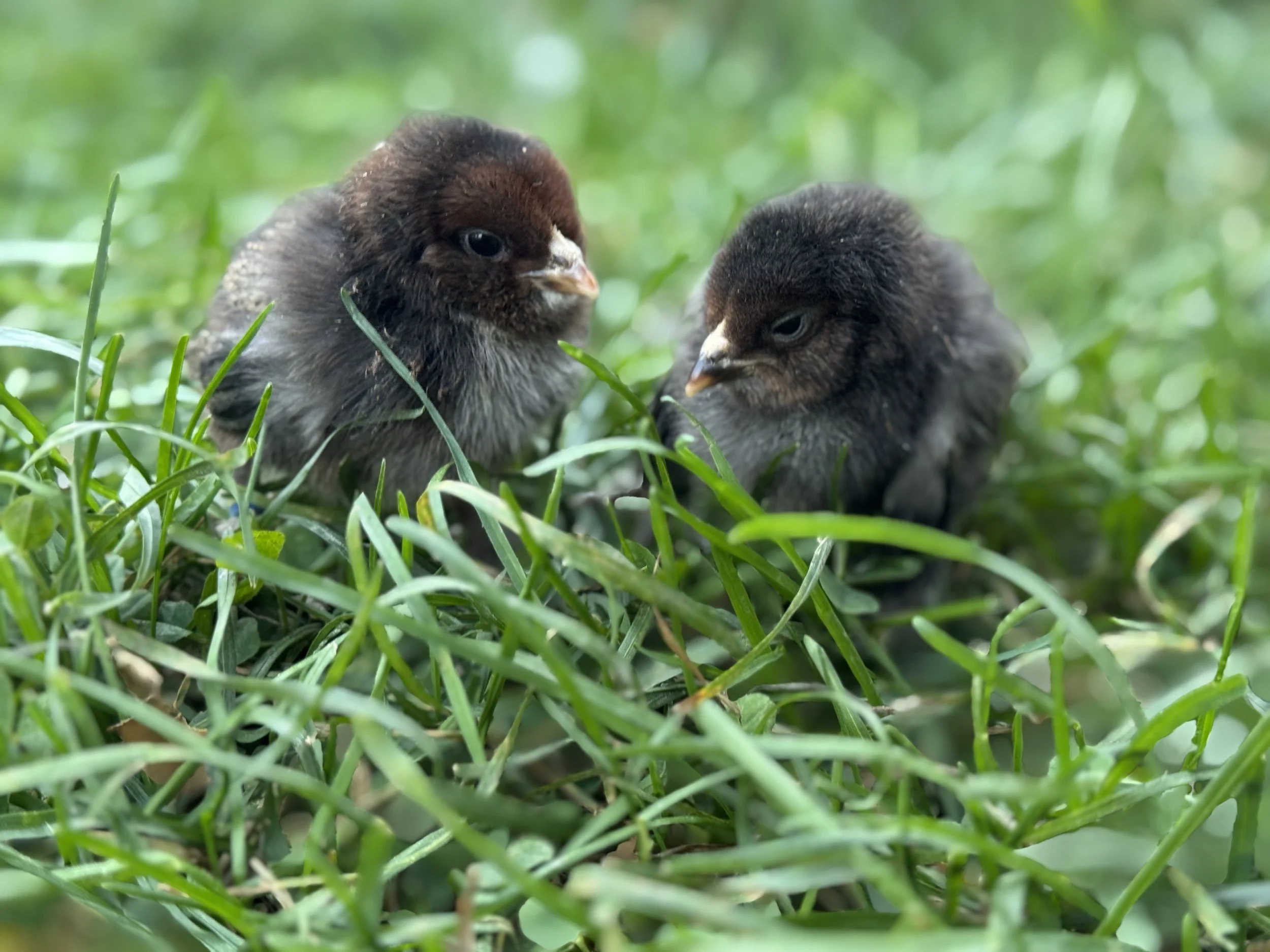
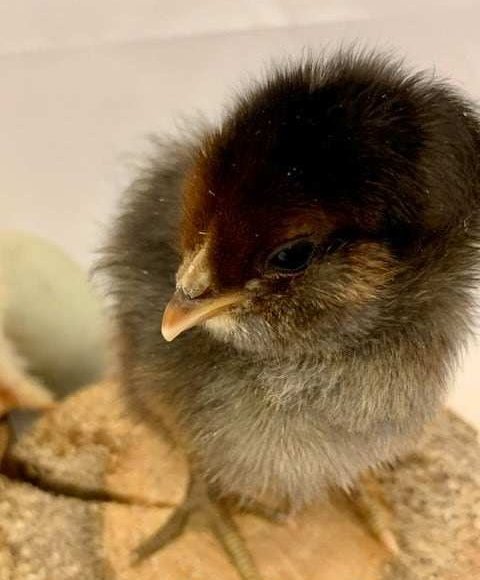
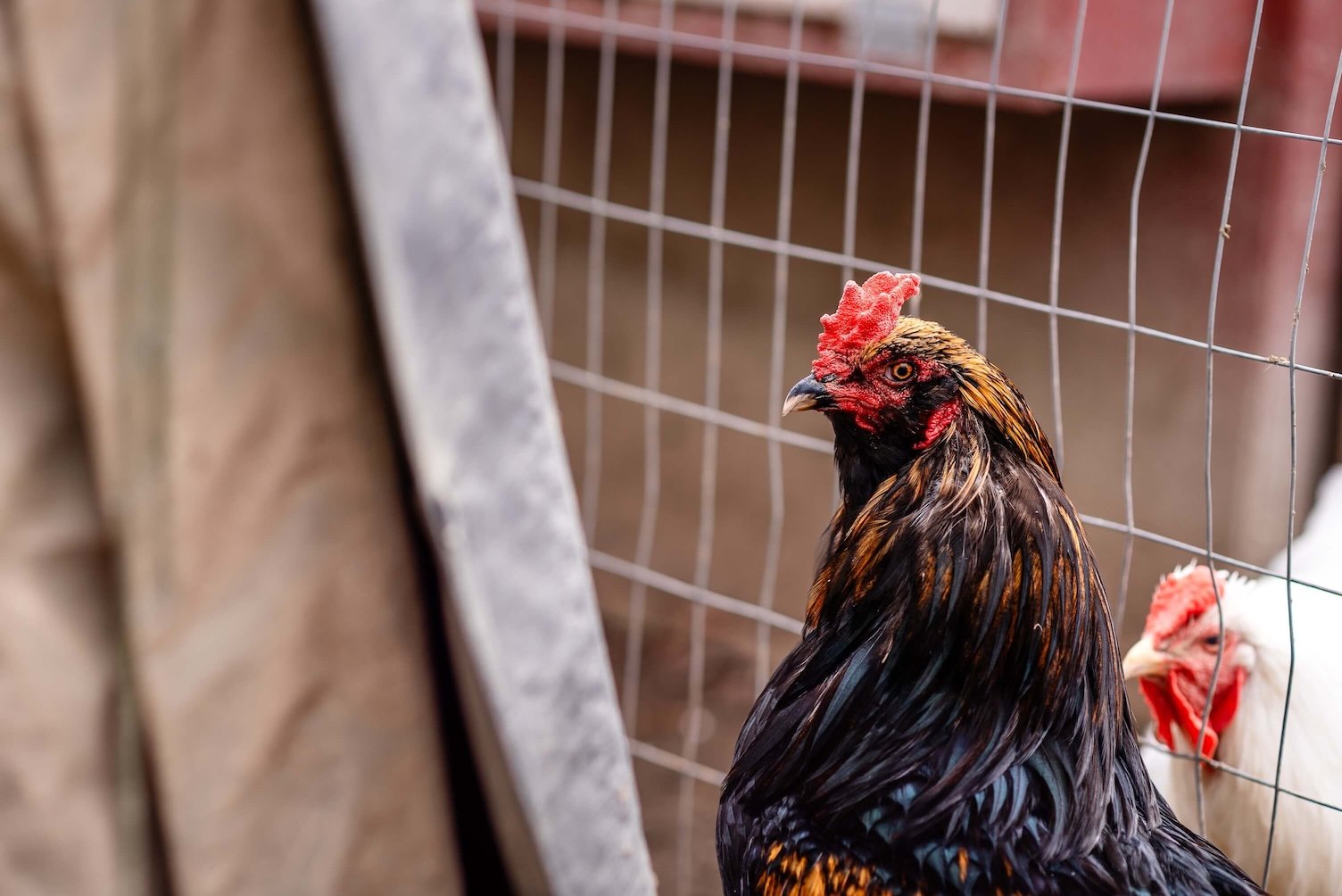
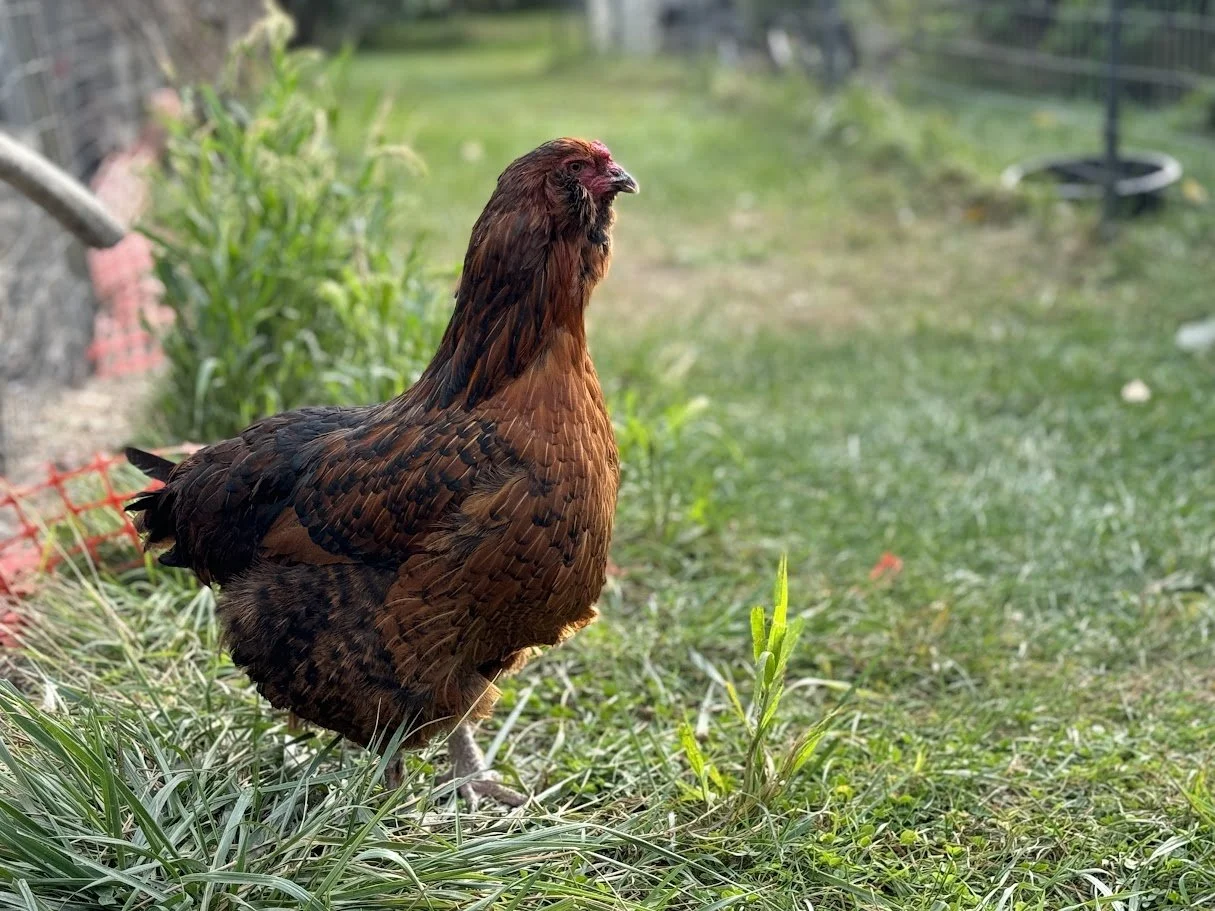
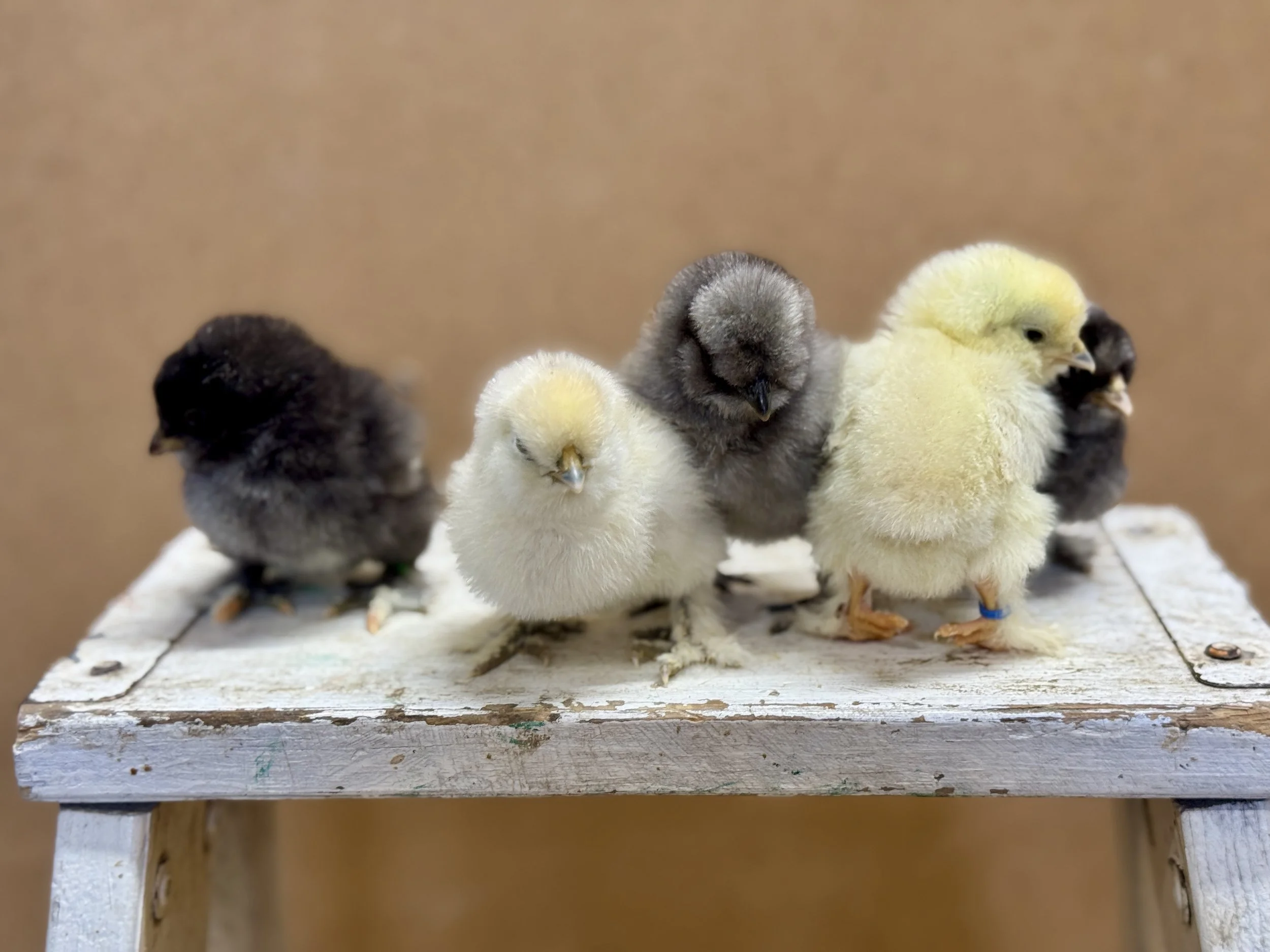
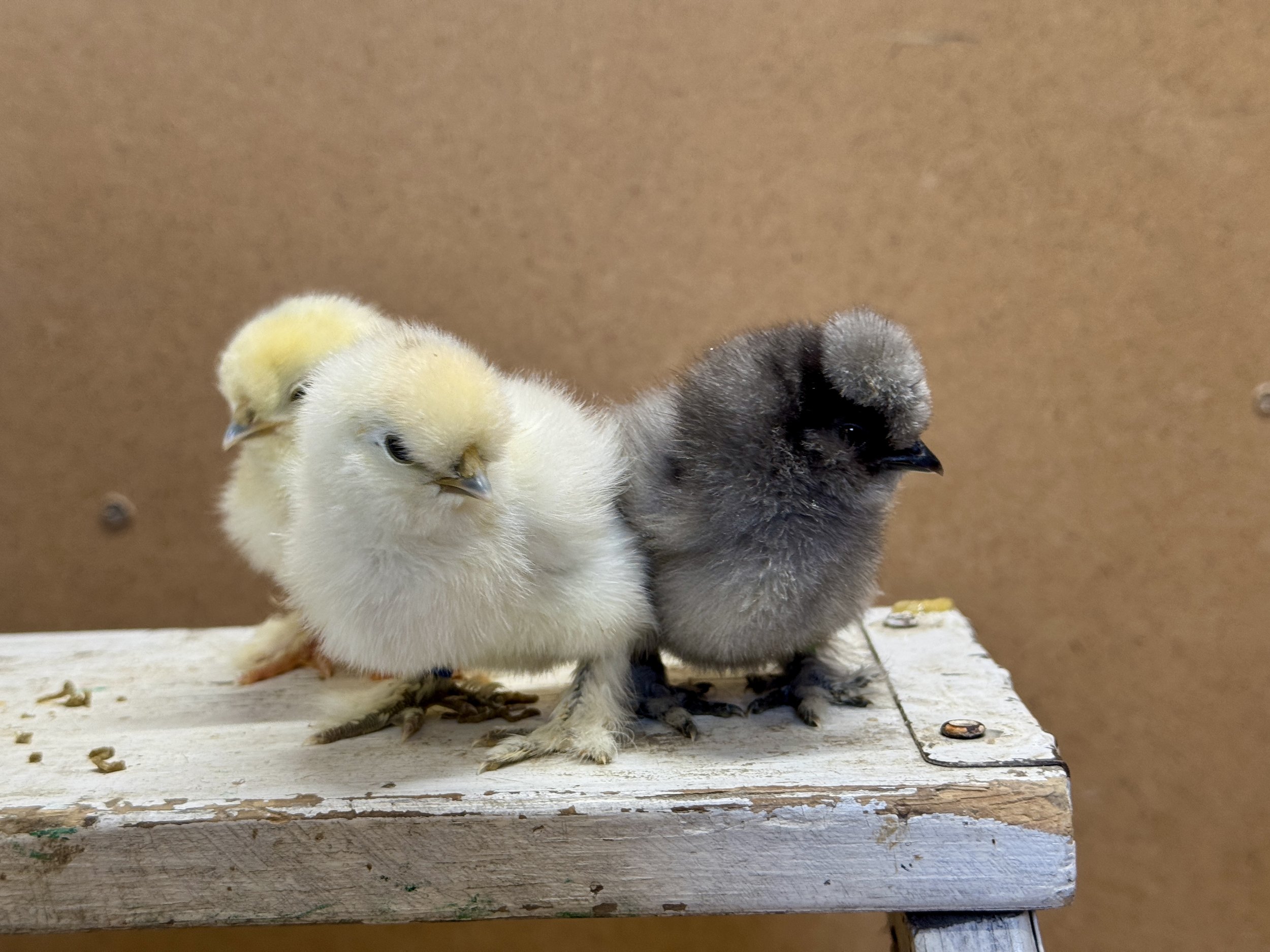
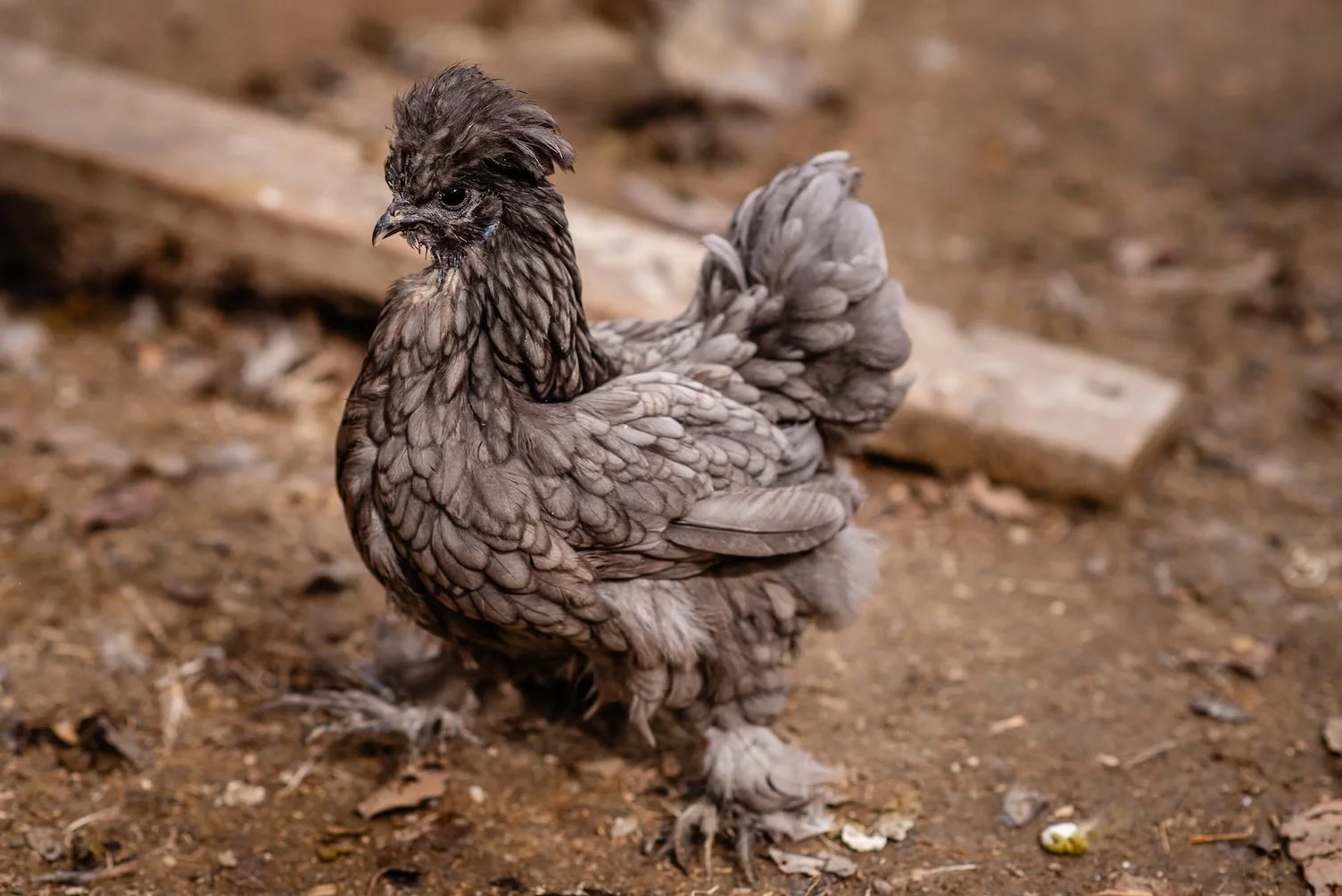
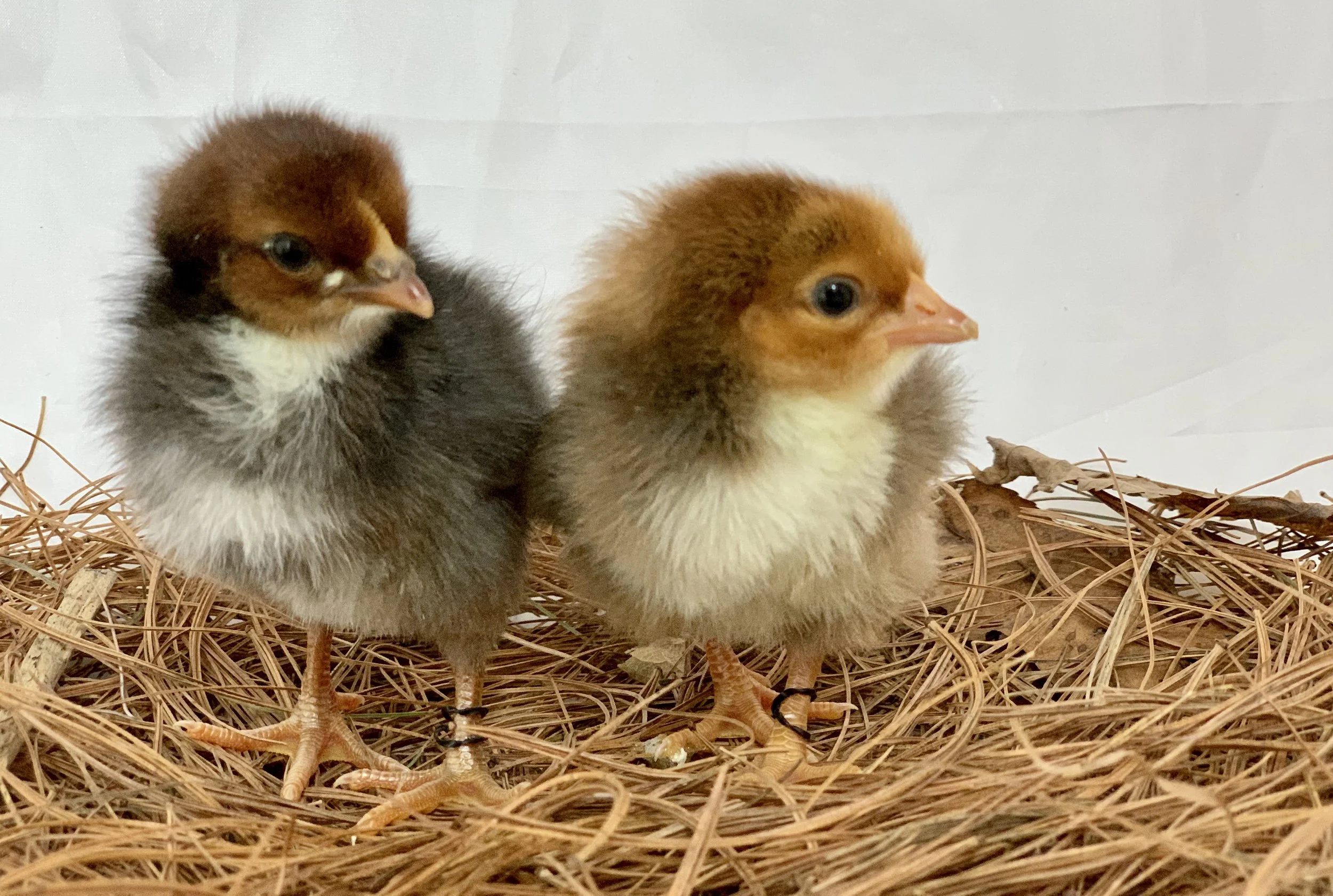
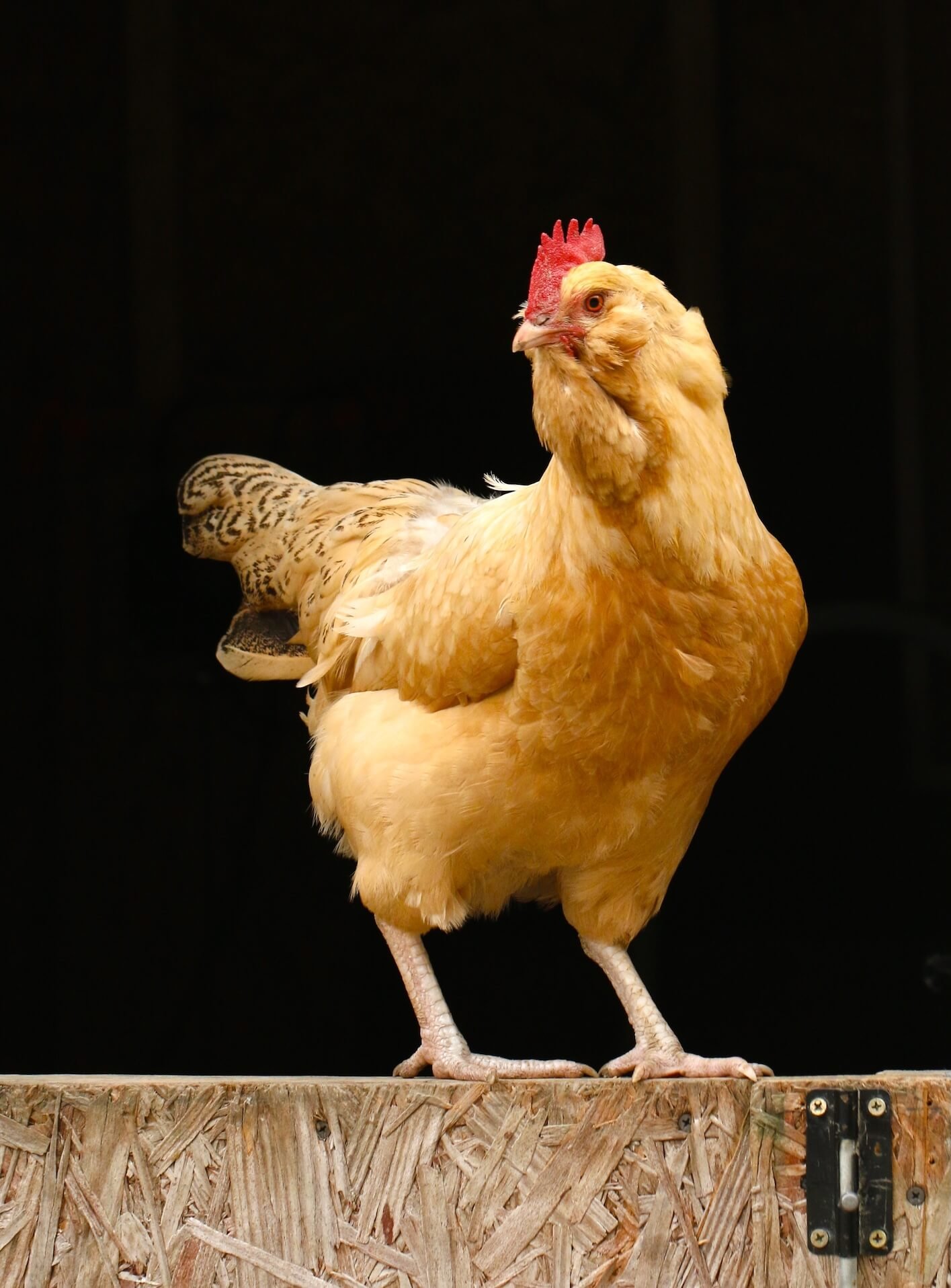
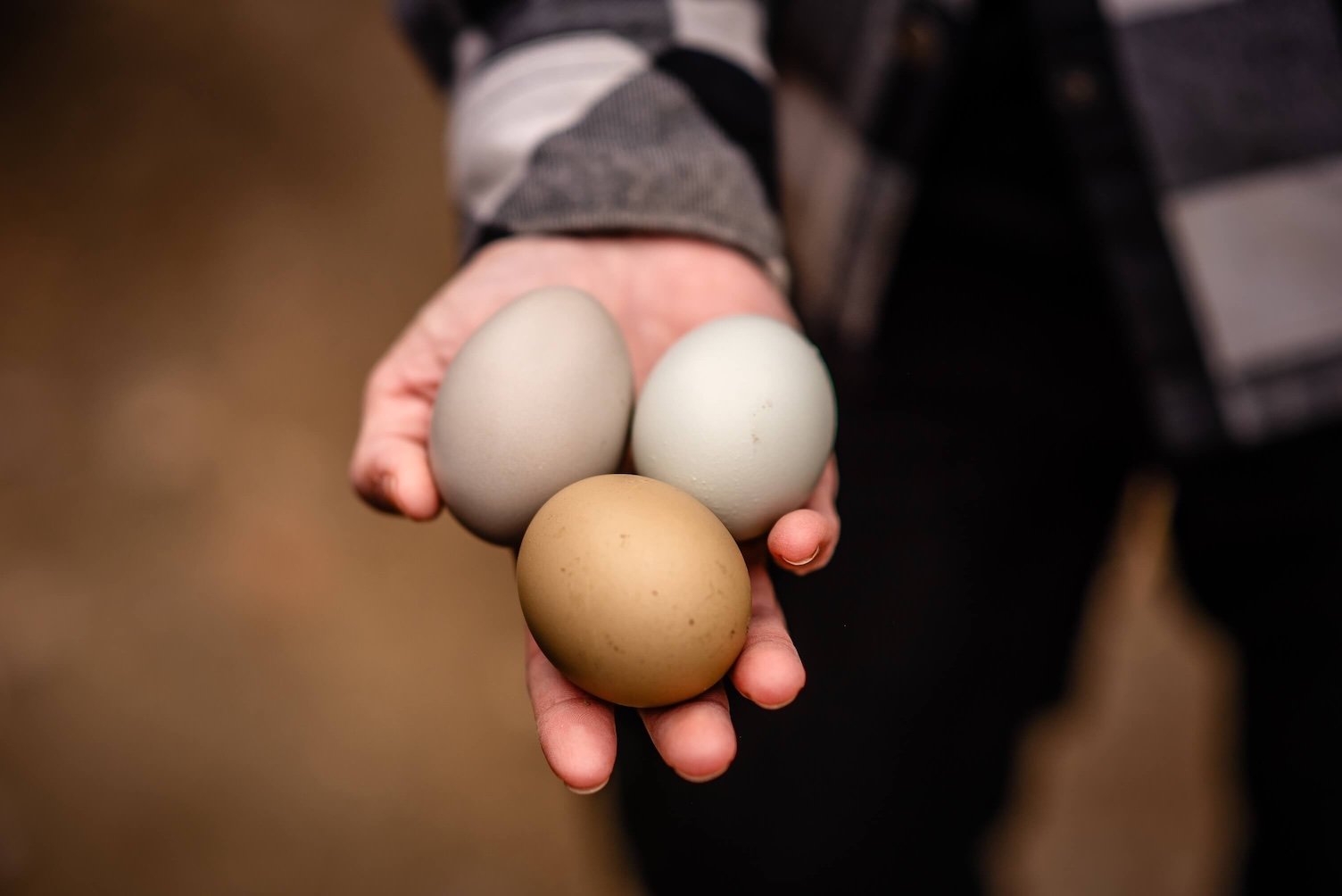
Because this is a landrace rather than a standardized commercial breed, individual birds may naturally vary in feather color, comb type, skin pigmentation, size, and overall appearance. This variation is expected and is part of the genetic diversity we work to preserve.
Our Hmong breeding groups are maintained as conservation stock and are not sourced from commercial hatchery production lines.
Looking for other options?
-
Hmong chickens have traditionally been raised by Hmong communities across southern China and mainland Southeast Asia, including Laos, Vietnam, and Thailand. More than simply utility poultry, these birds are connected with family food traditions, household self-sufficiency, and cultural continuity.
Hmong refugees began resettling in the United States during the mid-1970s following the wars in Laos. As Hmong American communities became established, families continued preserving their language, foodways, agricultural knowledge, and cultural traditions.
Known for their blue-black skin and flavorful dark meat, Hmong chickens have long been valued for traditional soups and nourishing meals. At Sugar Feather Farm, we respect the cultural history of these birds while helping preserve their rare genetics for future generations.
-
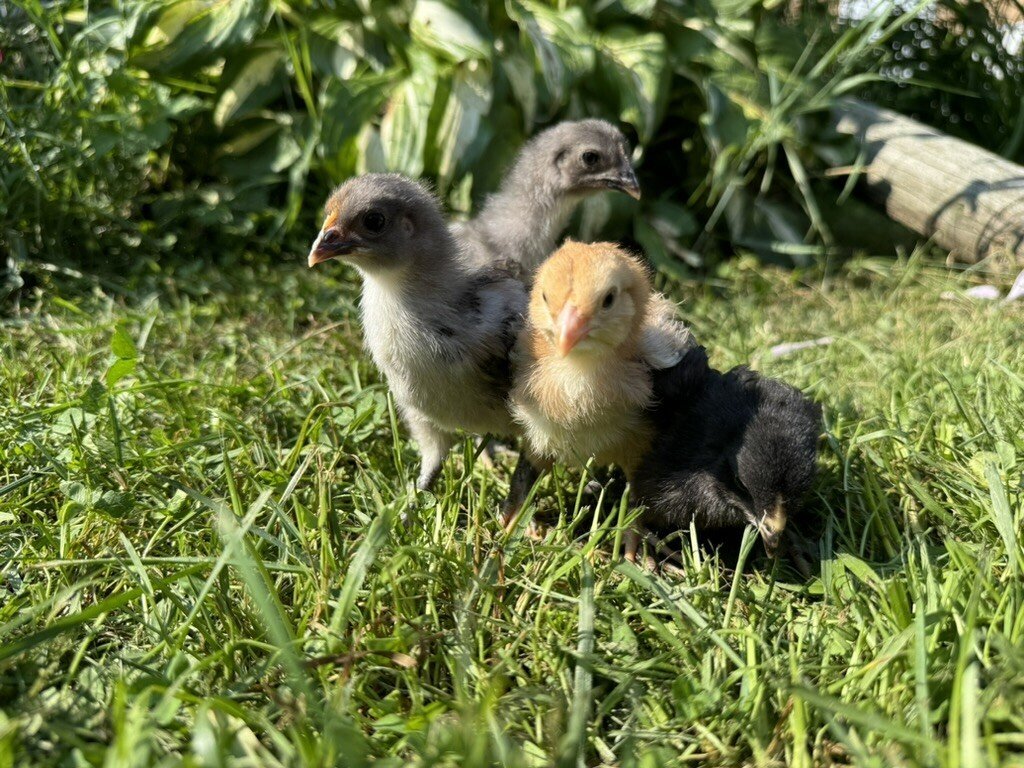
Starter Pullets and Cockerels should be transitioned gradually into their new environment with access to quality feed, fresh water, dry housing, and adequate space to settle in after travel.
Hmong chickens are highly capable foragers and thrive when given safe outdoor access, enrichment, and room to explore. When introducing new birds to an established flock, side-by-side housing before full integration can help reduce stress and pecking-order issues. See our blog artile for more details below.
We recommend Sugar Feather Farm Chicken & Waterfowl Grower until pullets reach maturity and begin laying. At that point, transition them gradually to Sugar Feather Farm Mixed Flock Layer Feed.
We also recommend Oil of Oregano in their water as part of our regular digestive and nutritional support program. Vita Boost can be especially helpful during shipping, transition, weather changes, and other periods of stress.
Recommended Products & Resources
Chicken & Waterfowl Grower Feed
Humane Steward™ Certified
This bird is raised under farmer-developed humane care standards focused on space, enrichment, respectful handling, and natural behaviors.