Image 1 of 18
 Image 2 of 18
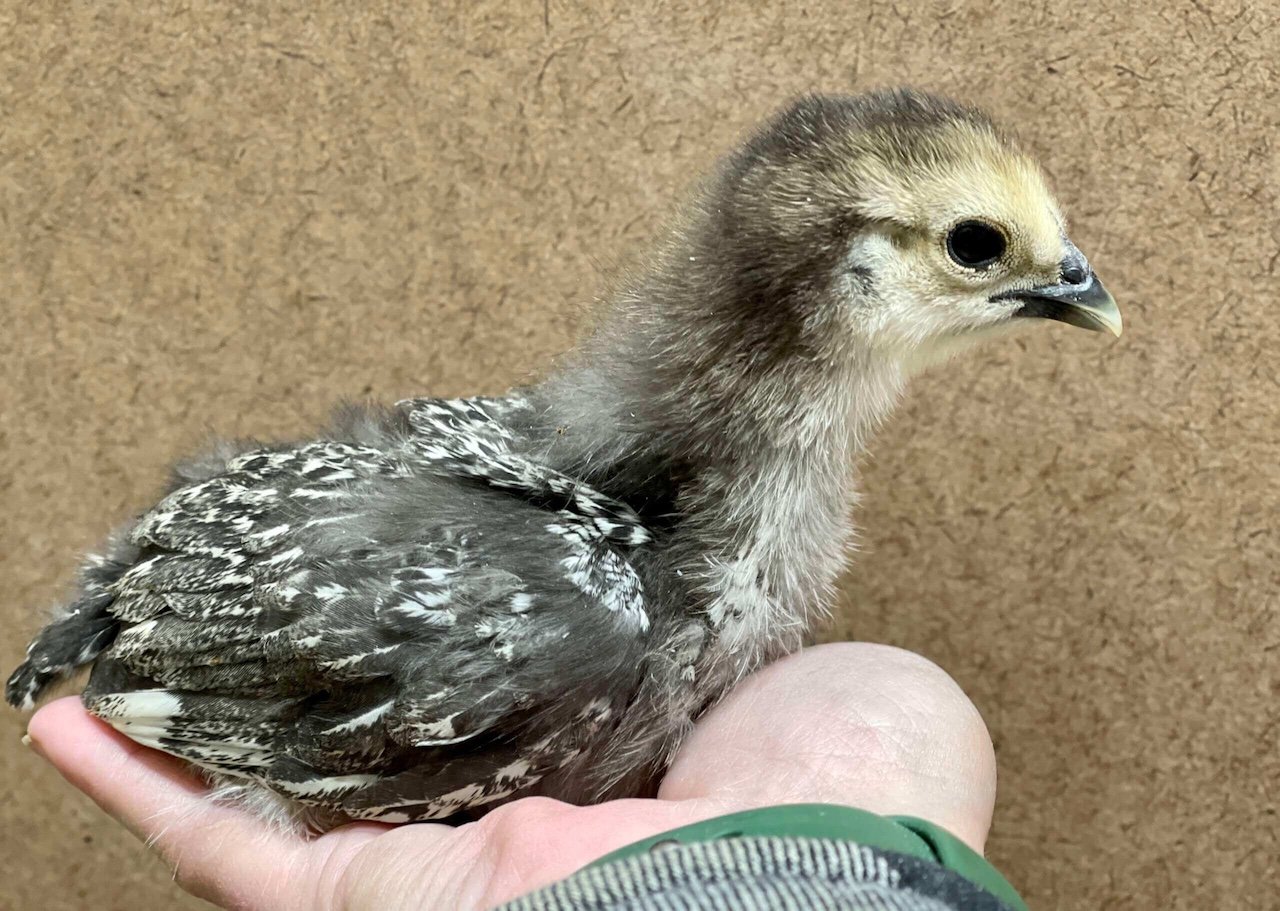 Image 3 of 18
 Image 4 of 18
 Image 5 of 18
 Image 6 of 18
 Image 7 of 18
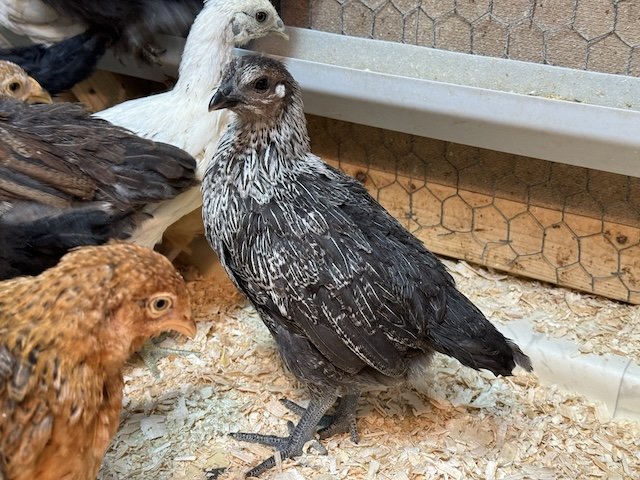 Image 8 of 18
 Image 9 of 18
 Image 10 of 18
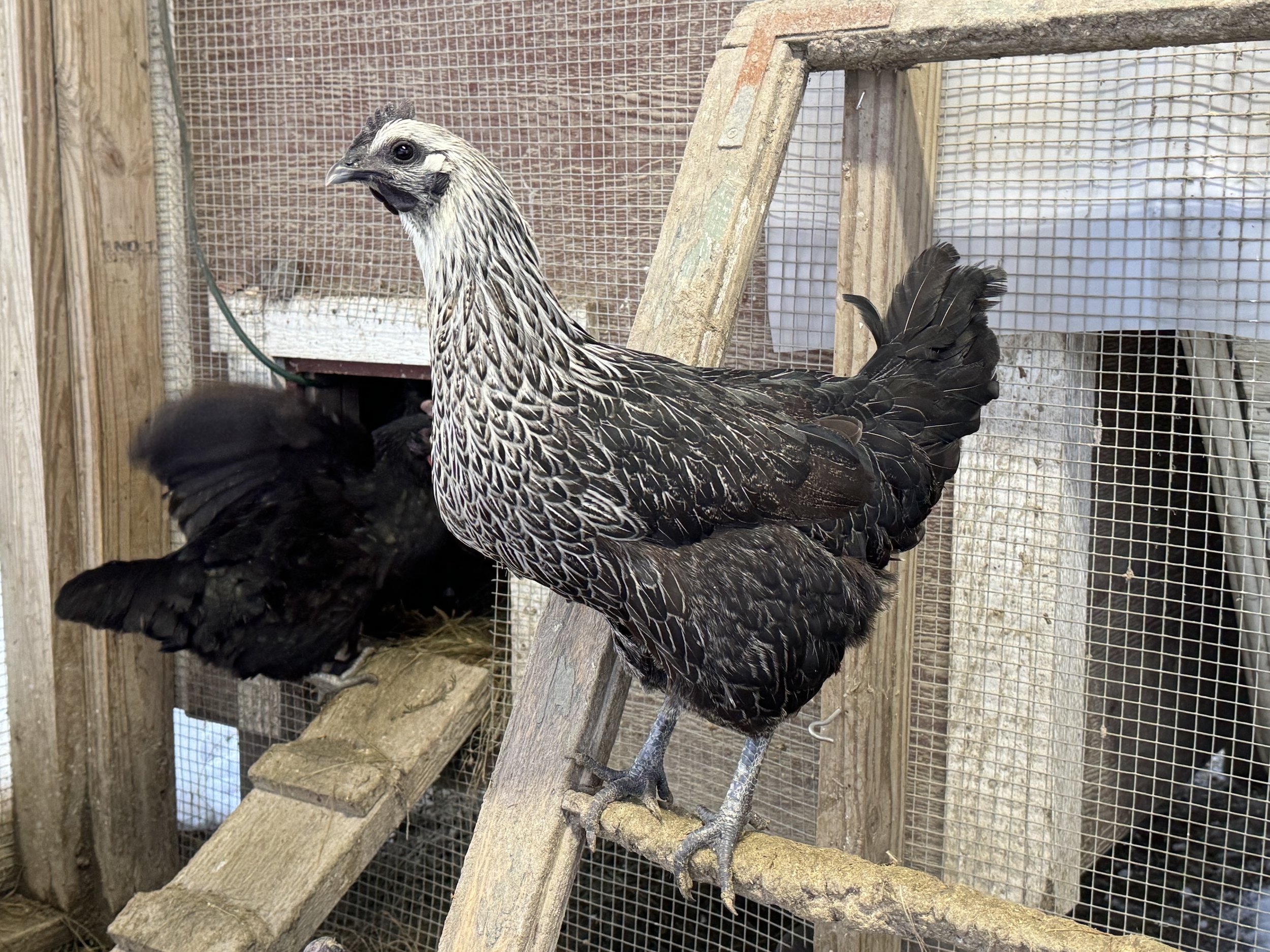 Image 11 of 18
 Image 12 of 18
Image 13 of 18
Image 12 of 18
Image 13 of 18
 Image 14 of 18
 Image 15 of 18
 Image 16 of 18
 Image 17 of 18
Image 18 of 18
Image 17 of 18
Image 18 of 18
Hmong Chicks


-
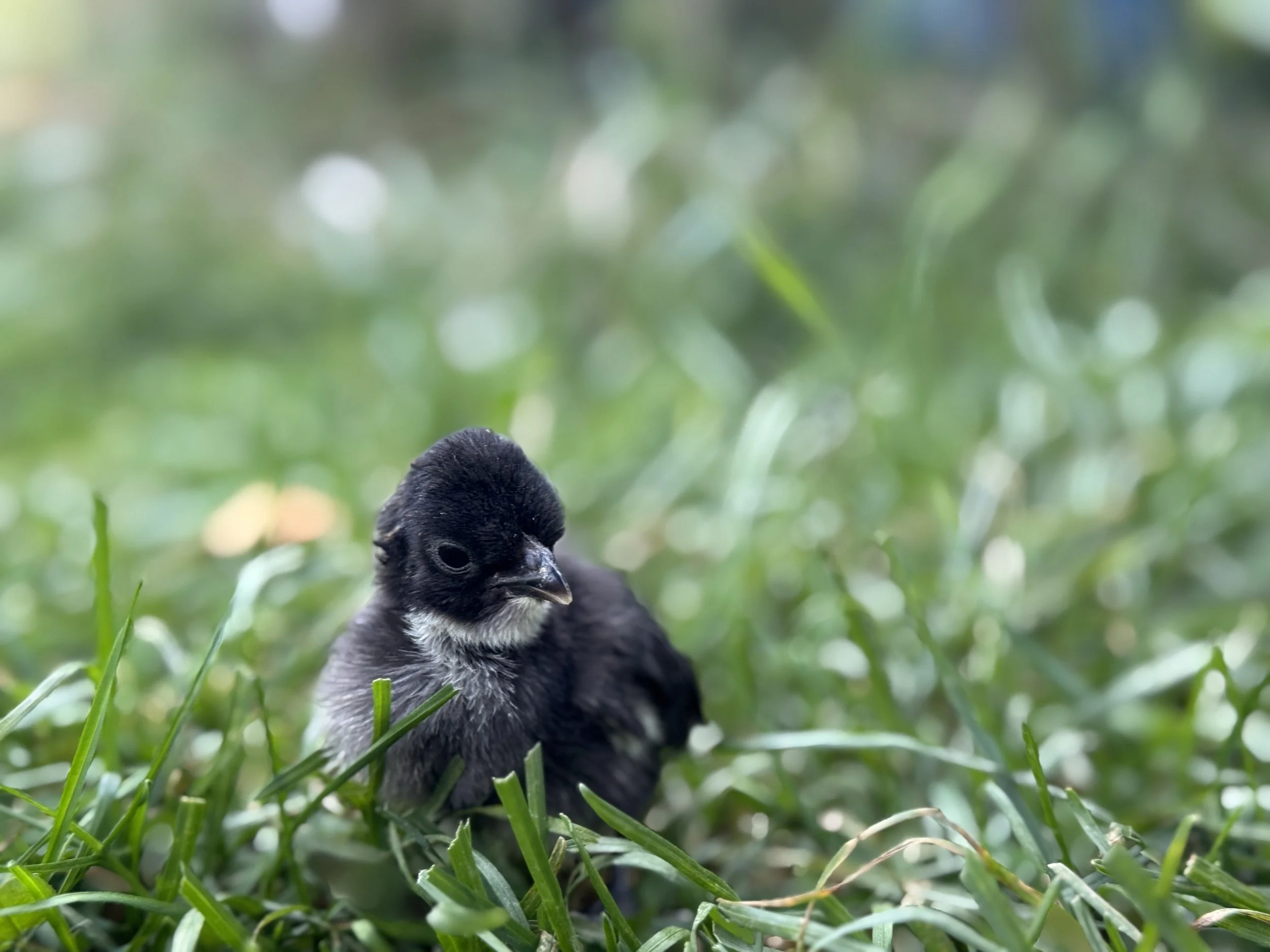
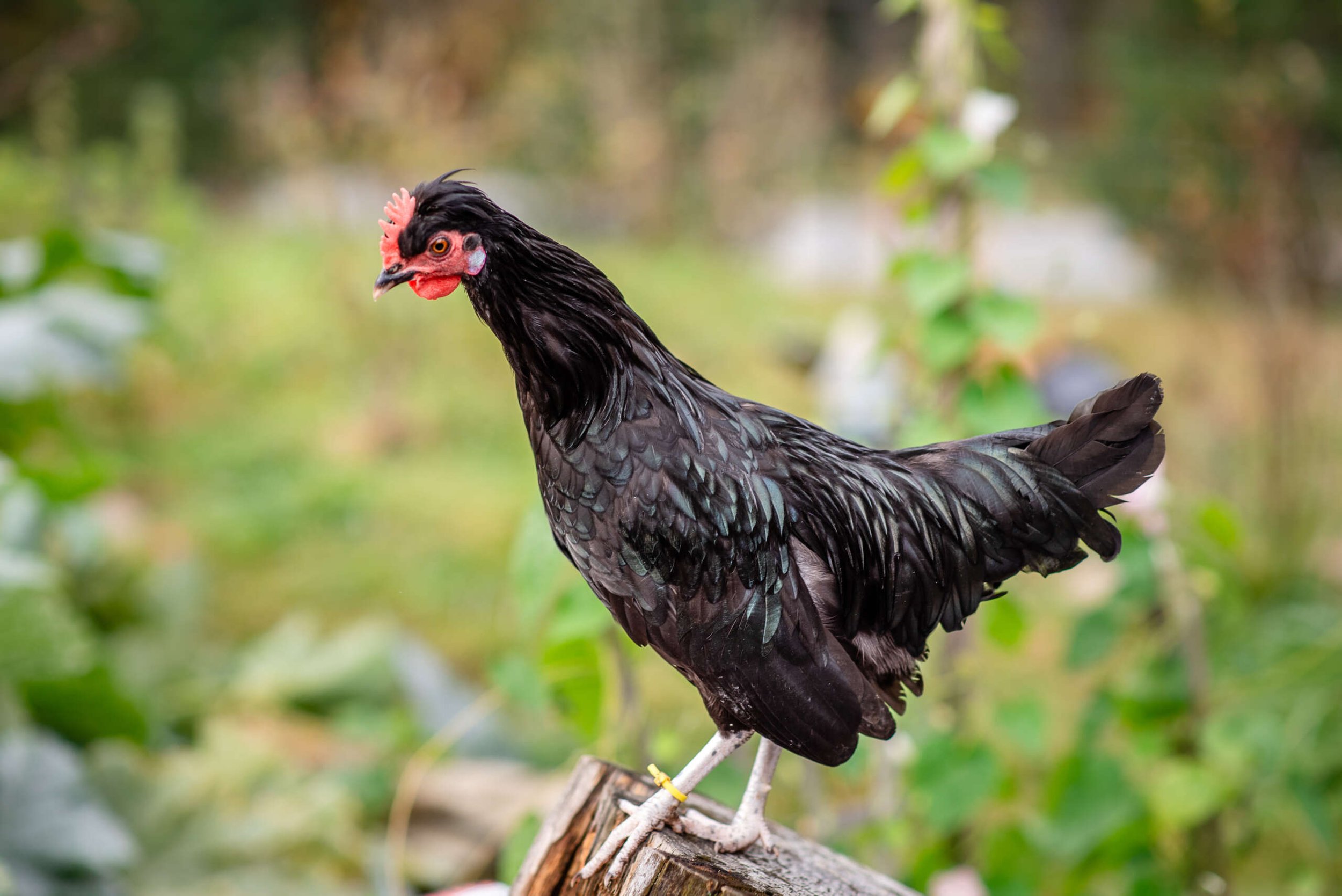
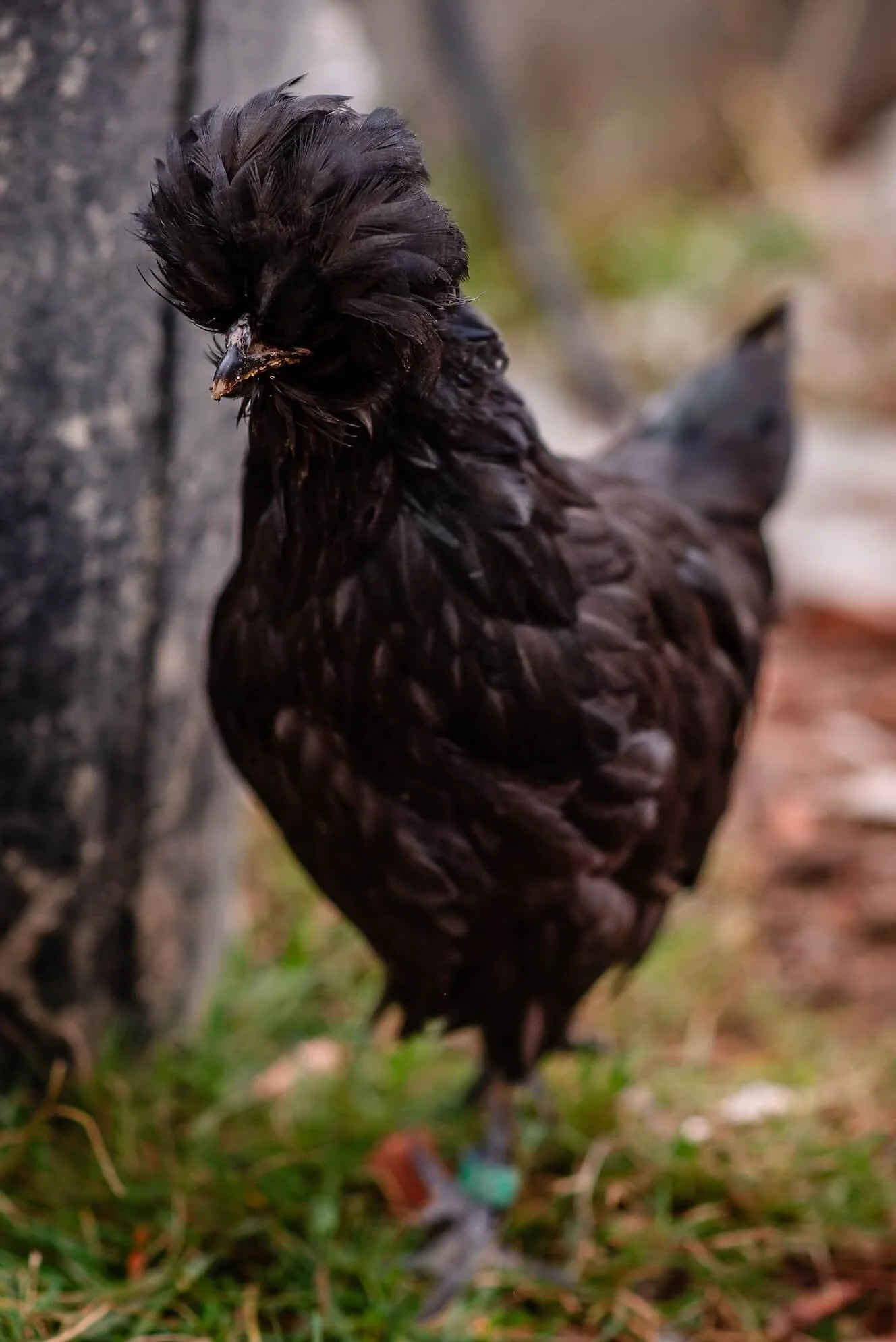
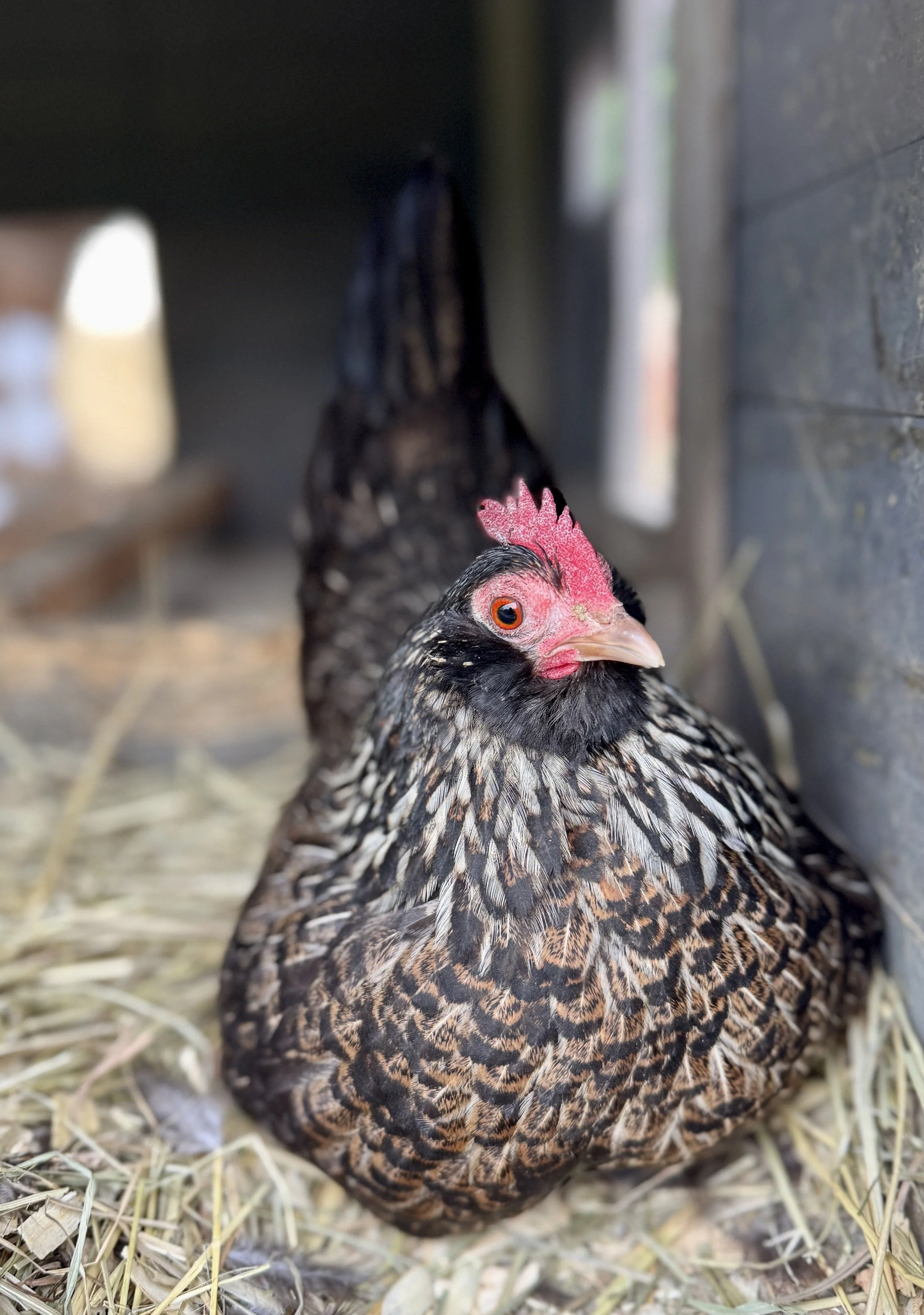
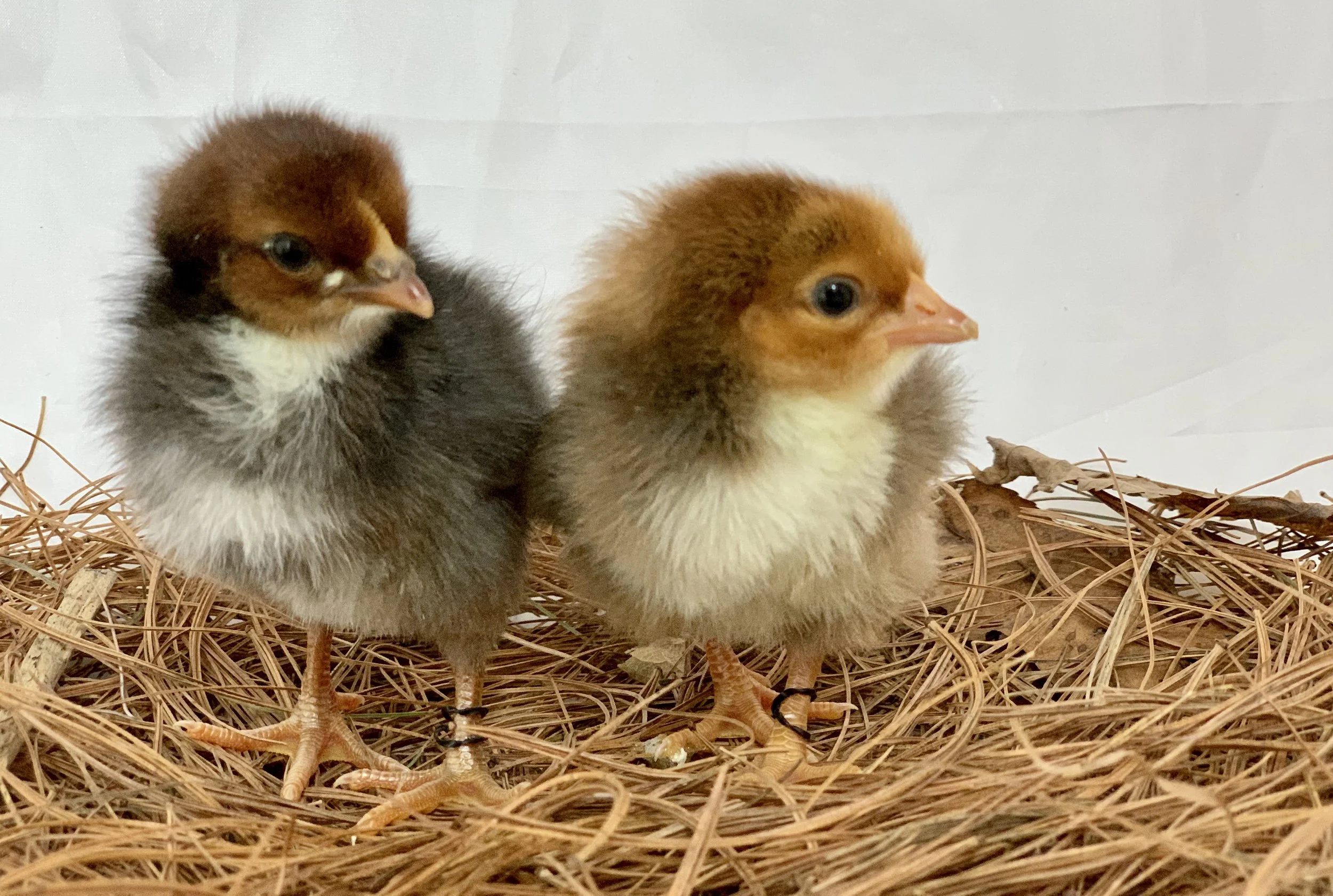
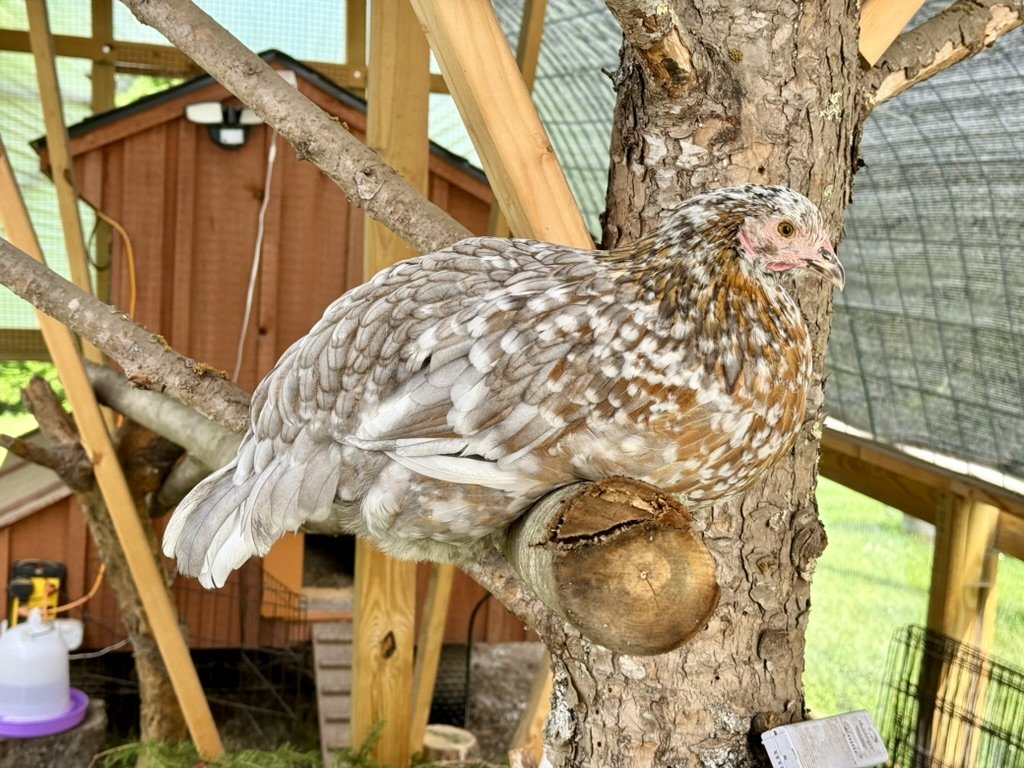
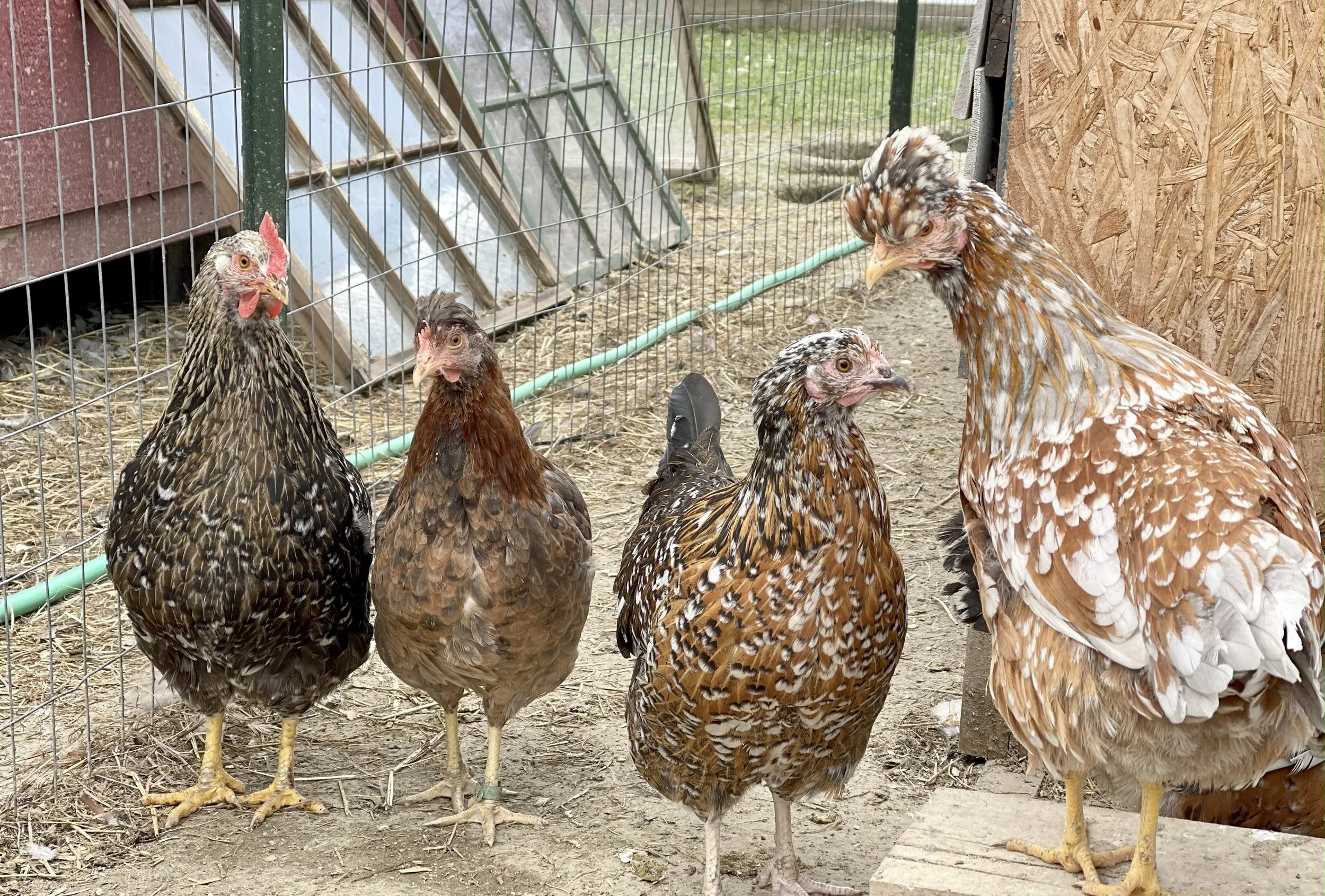
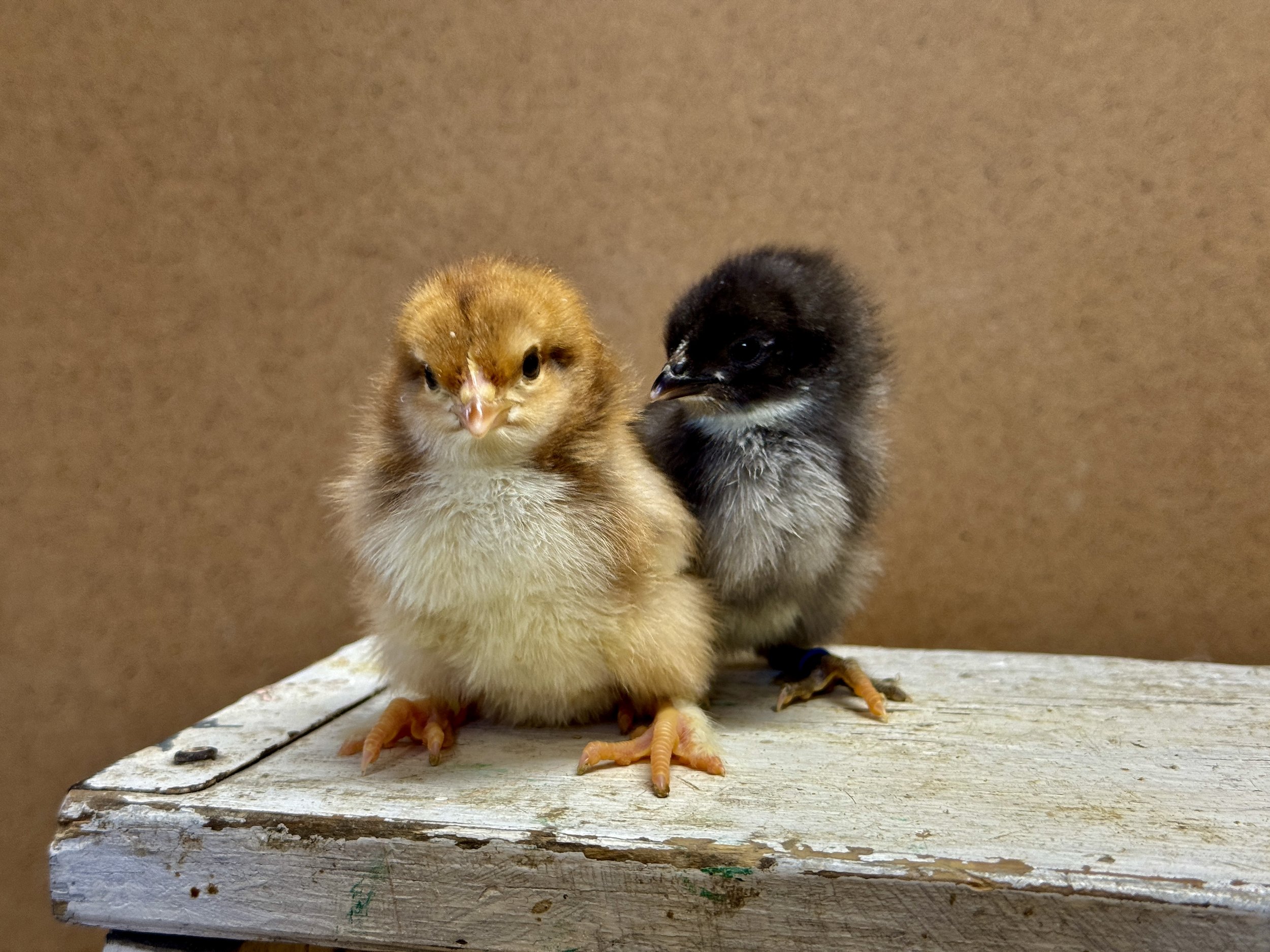
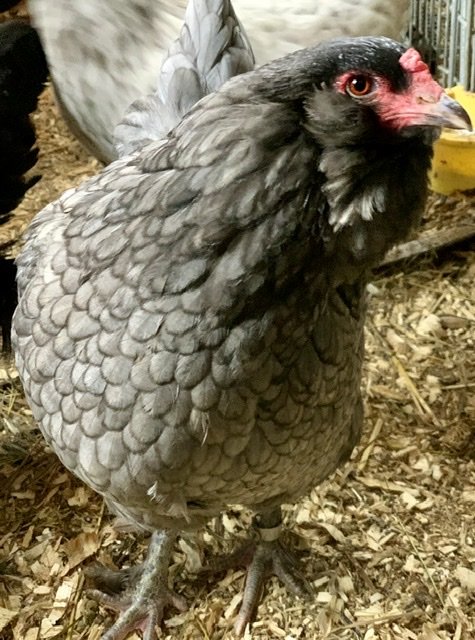
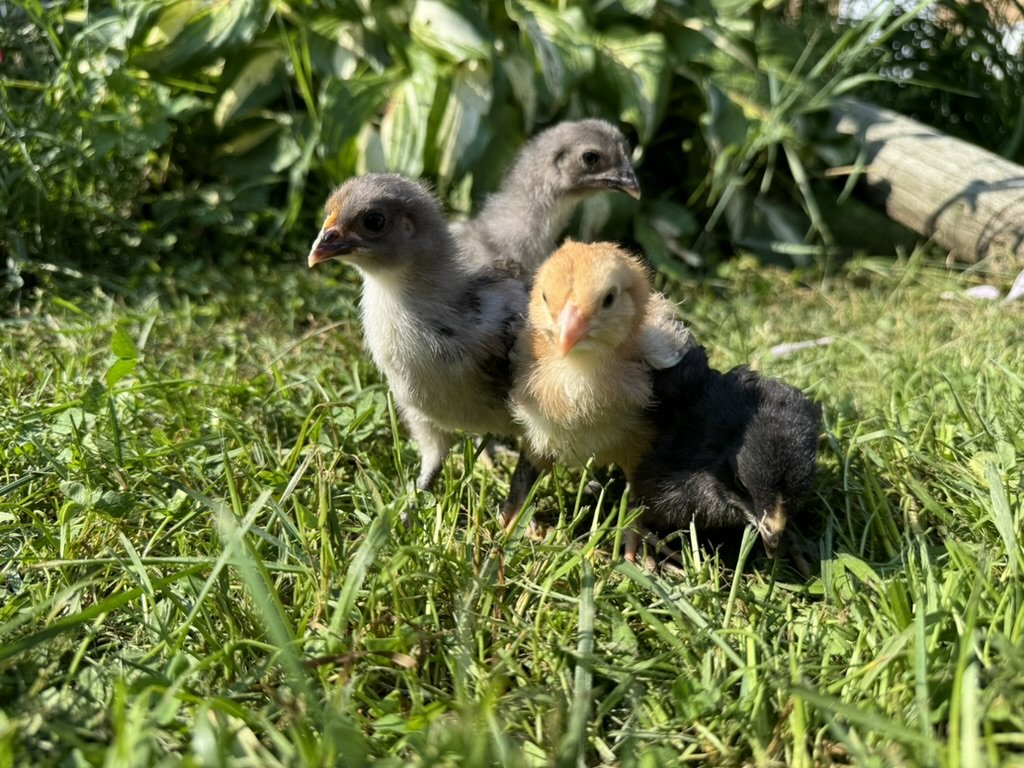
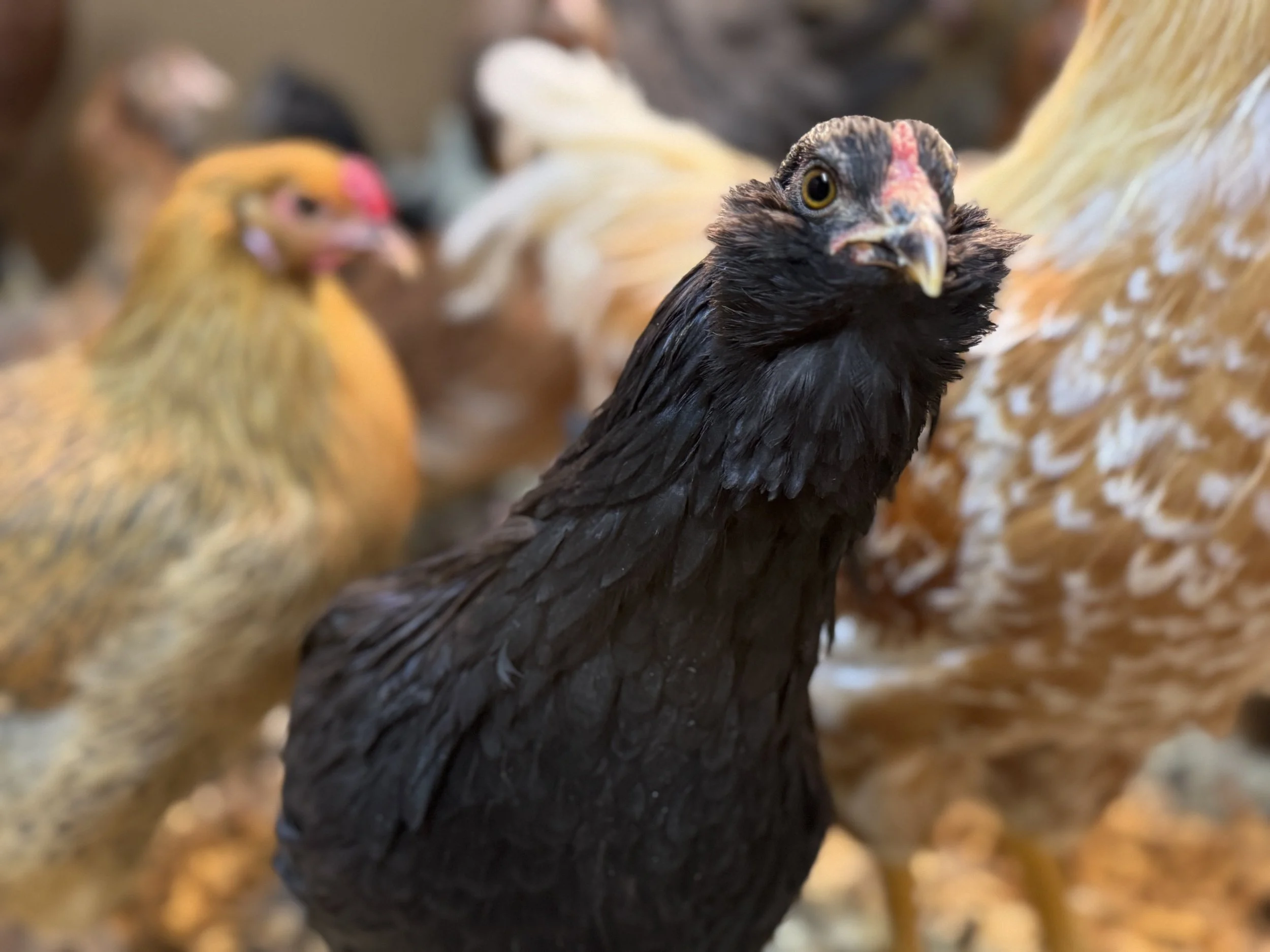
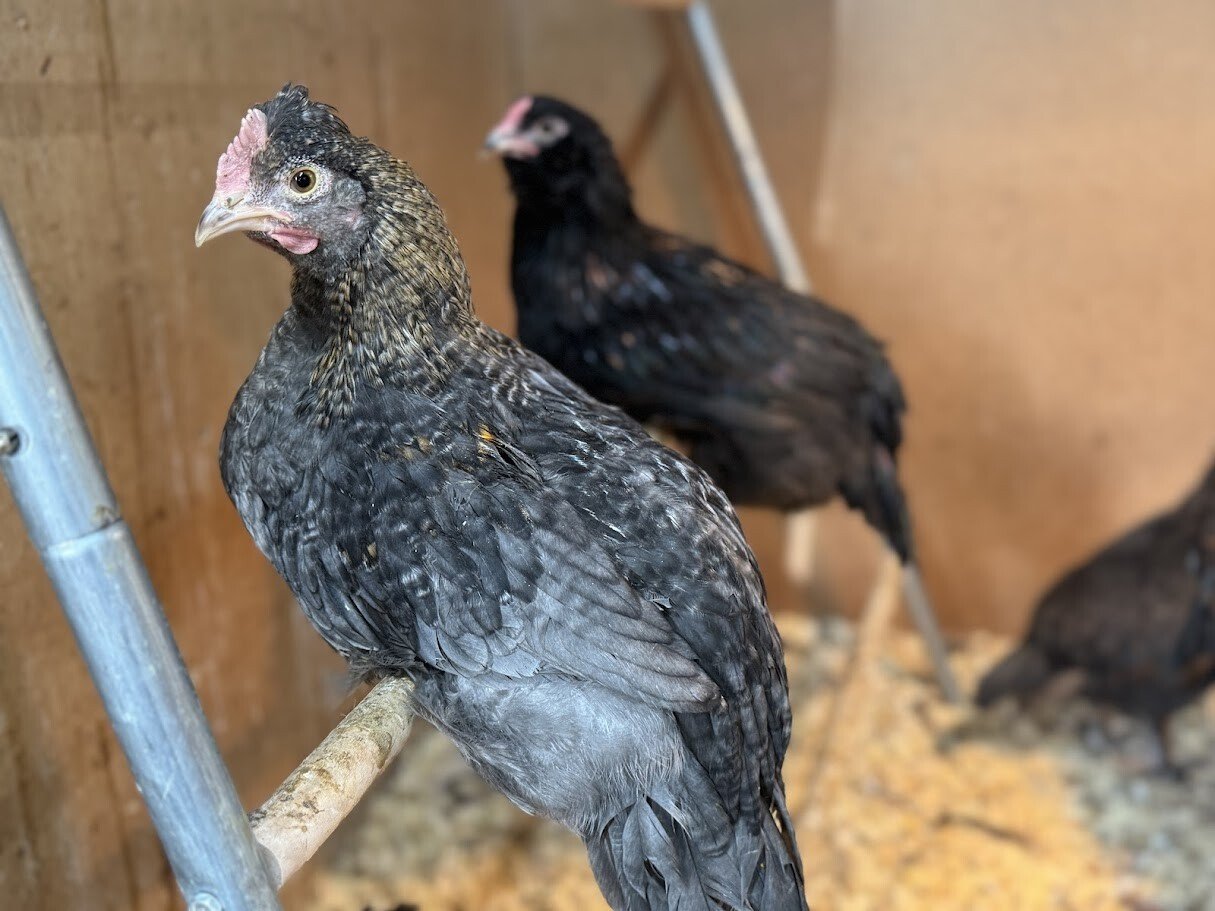
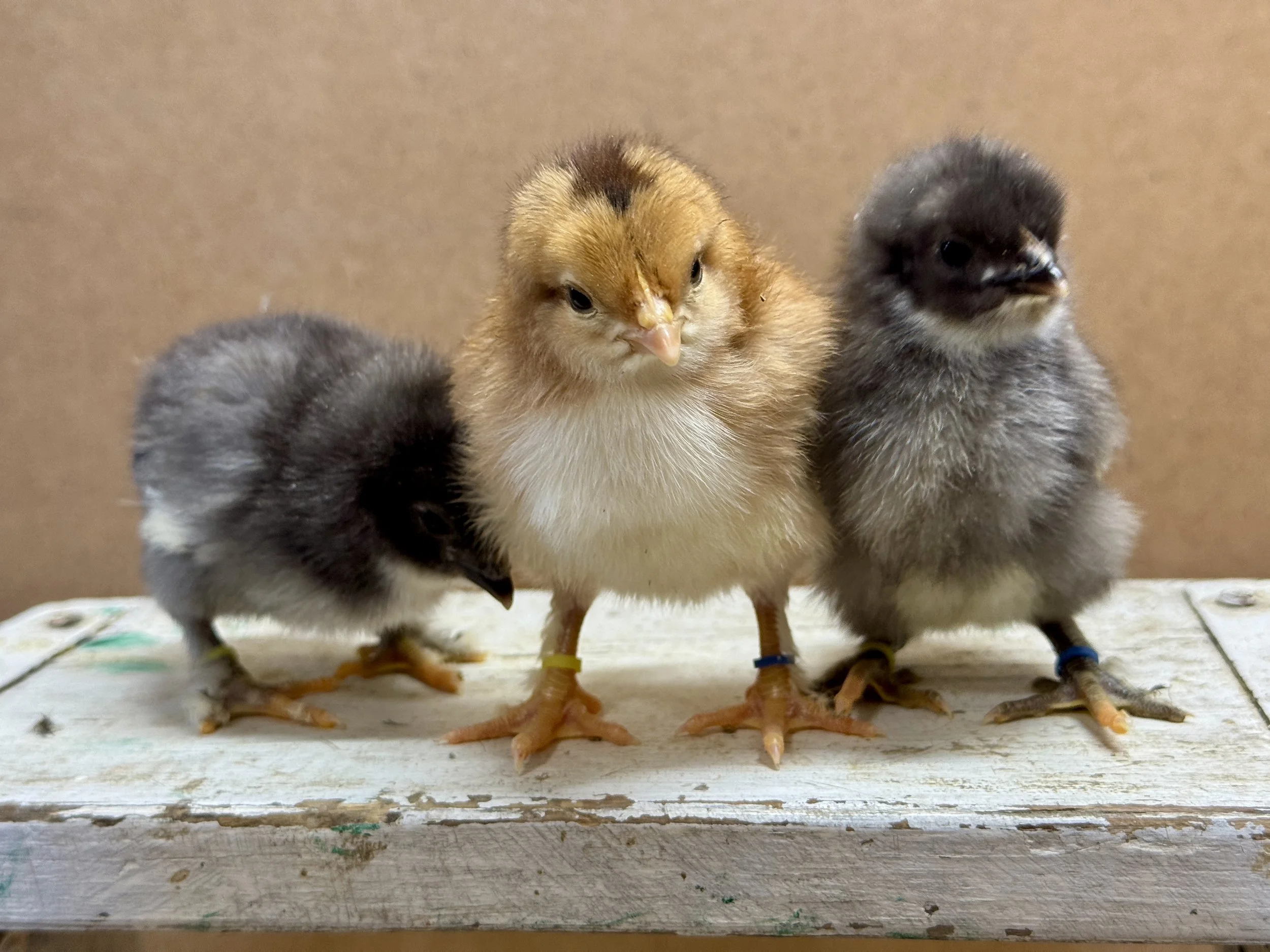
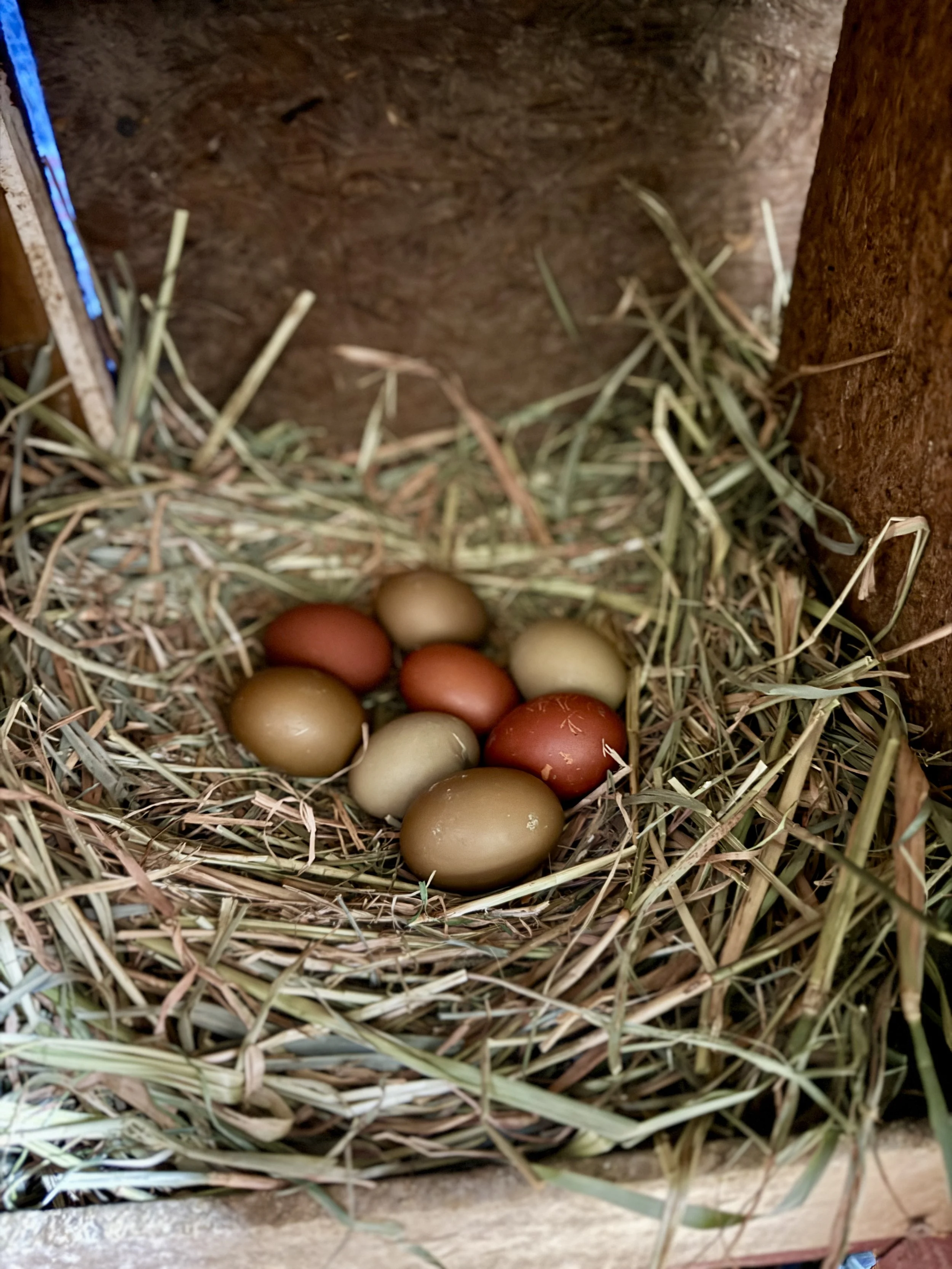
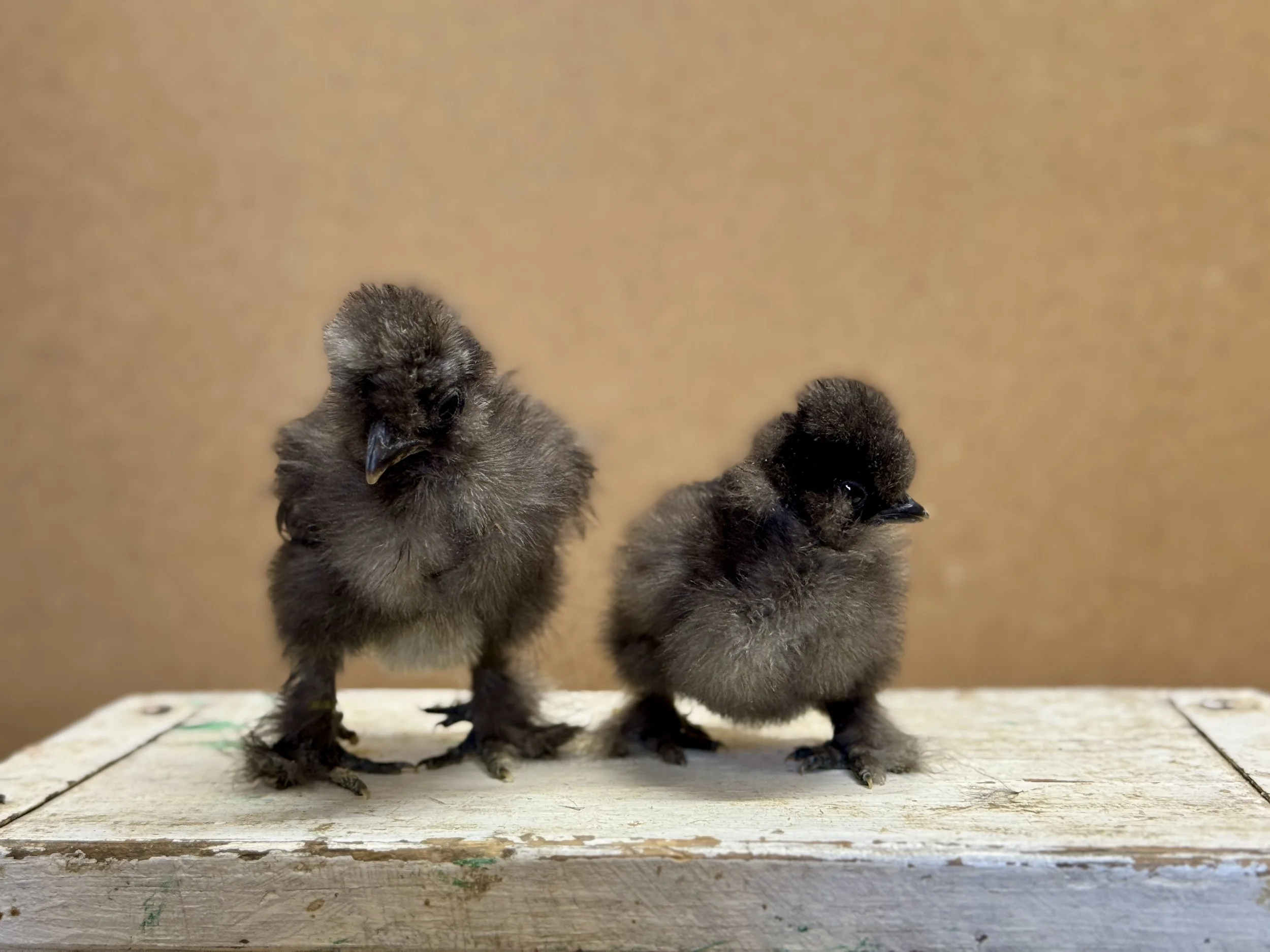
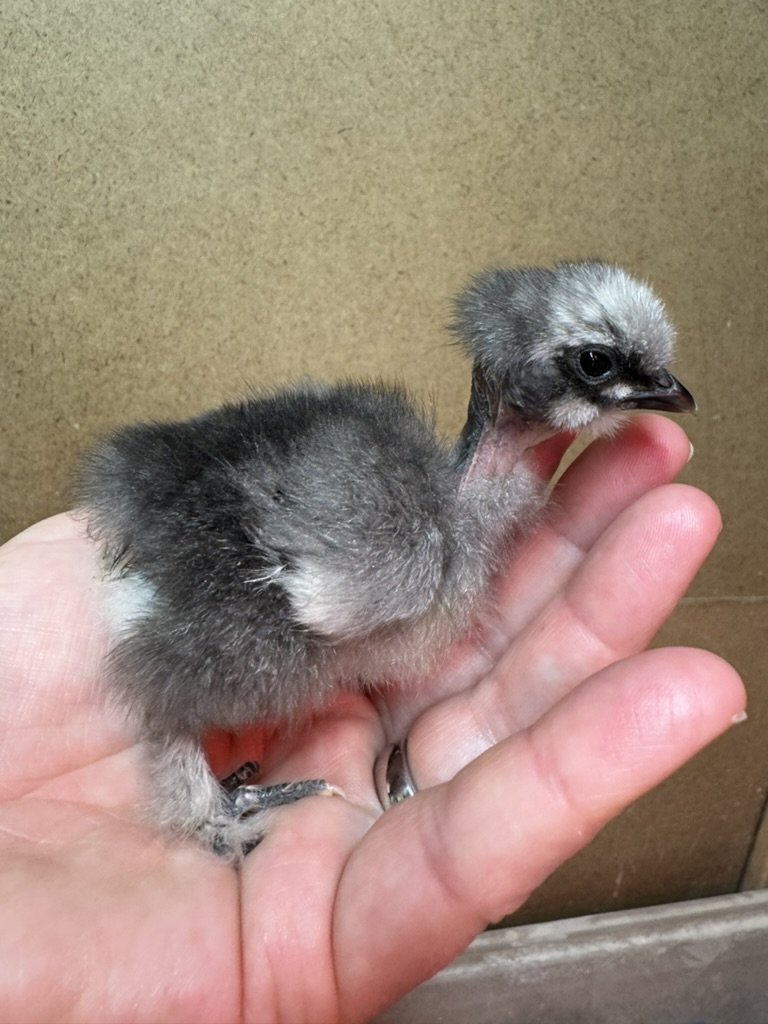
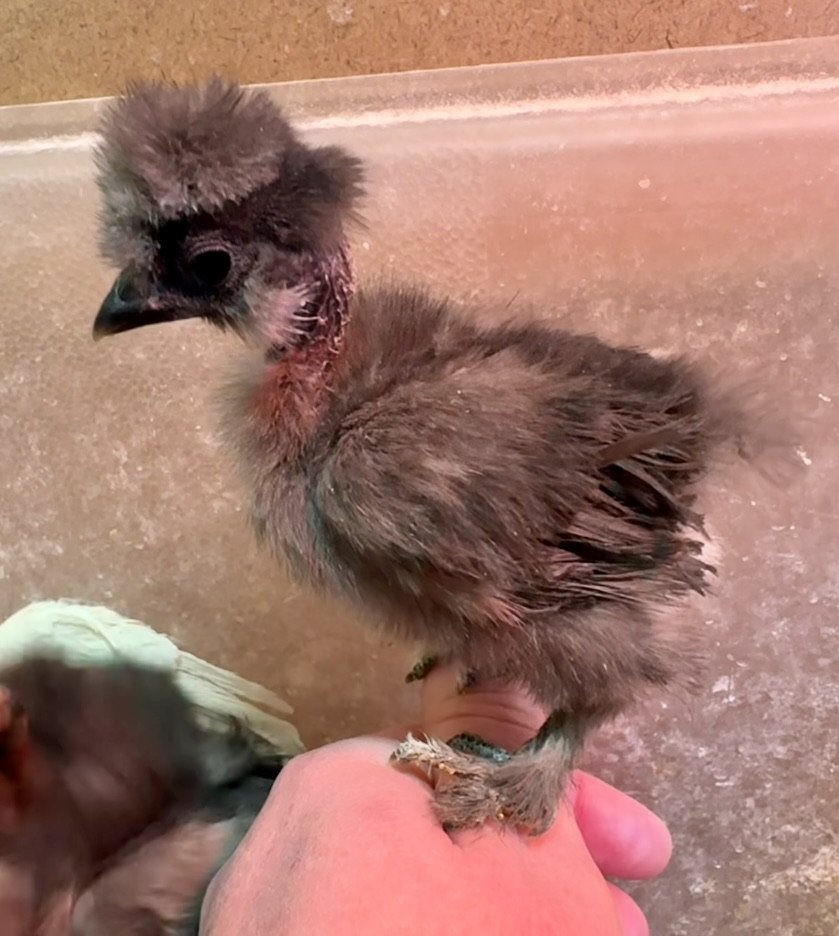
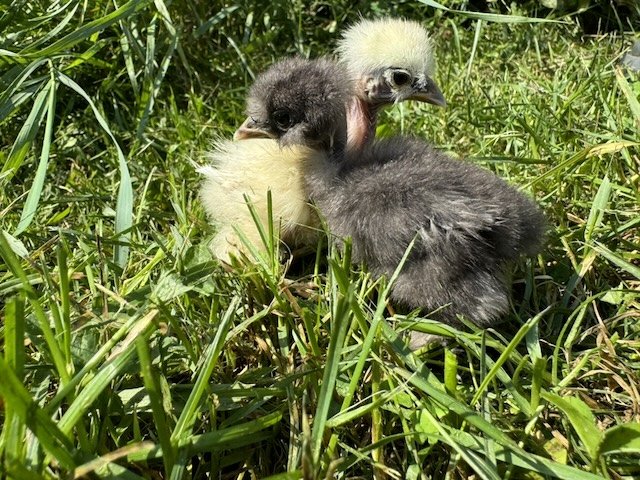
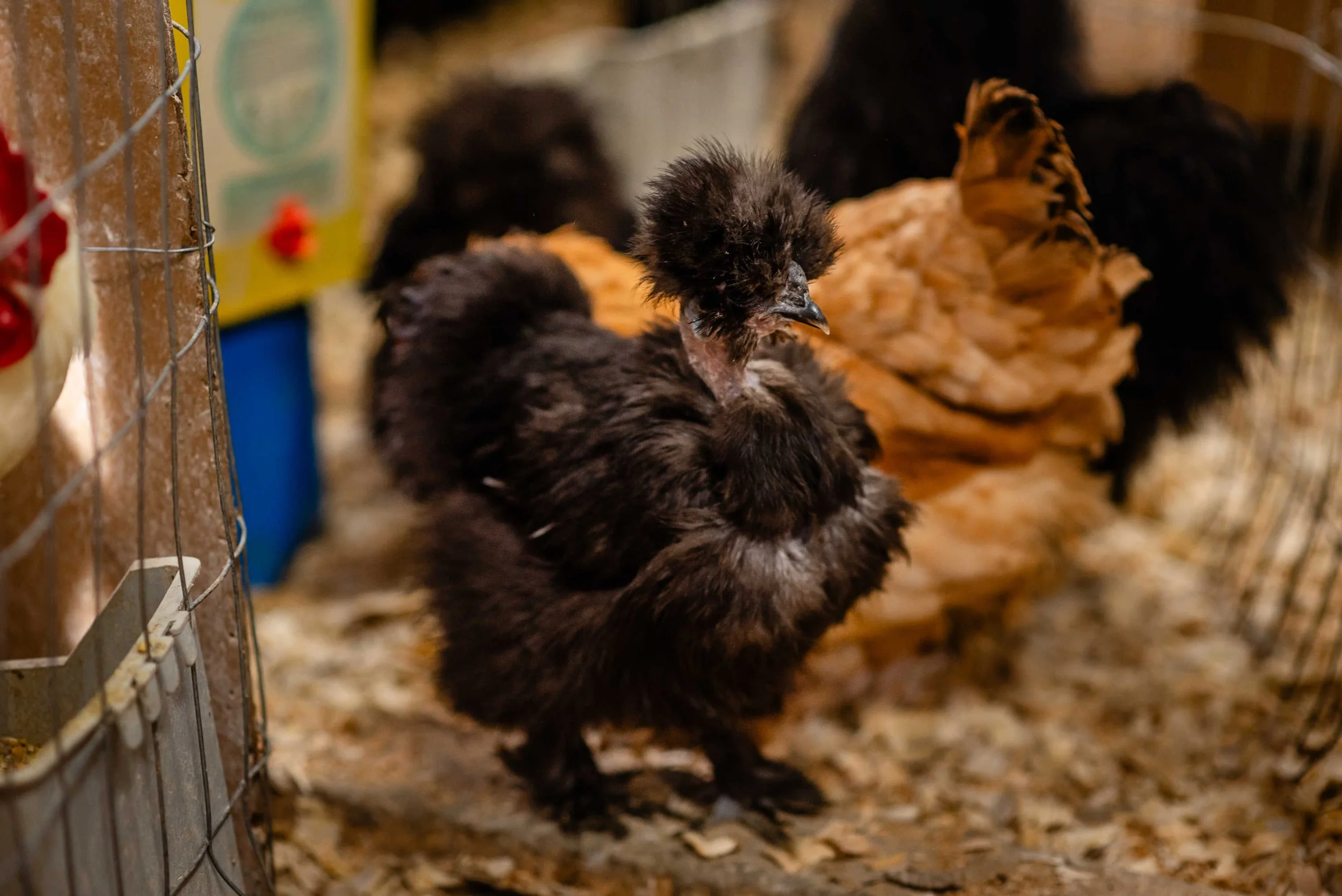
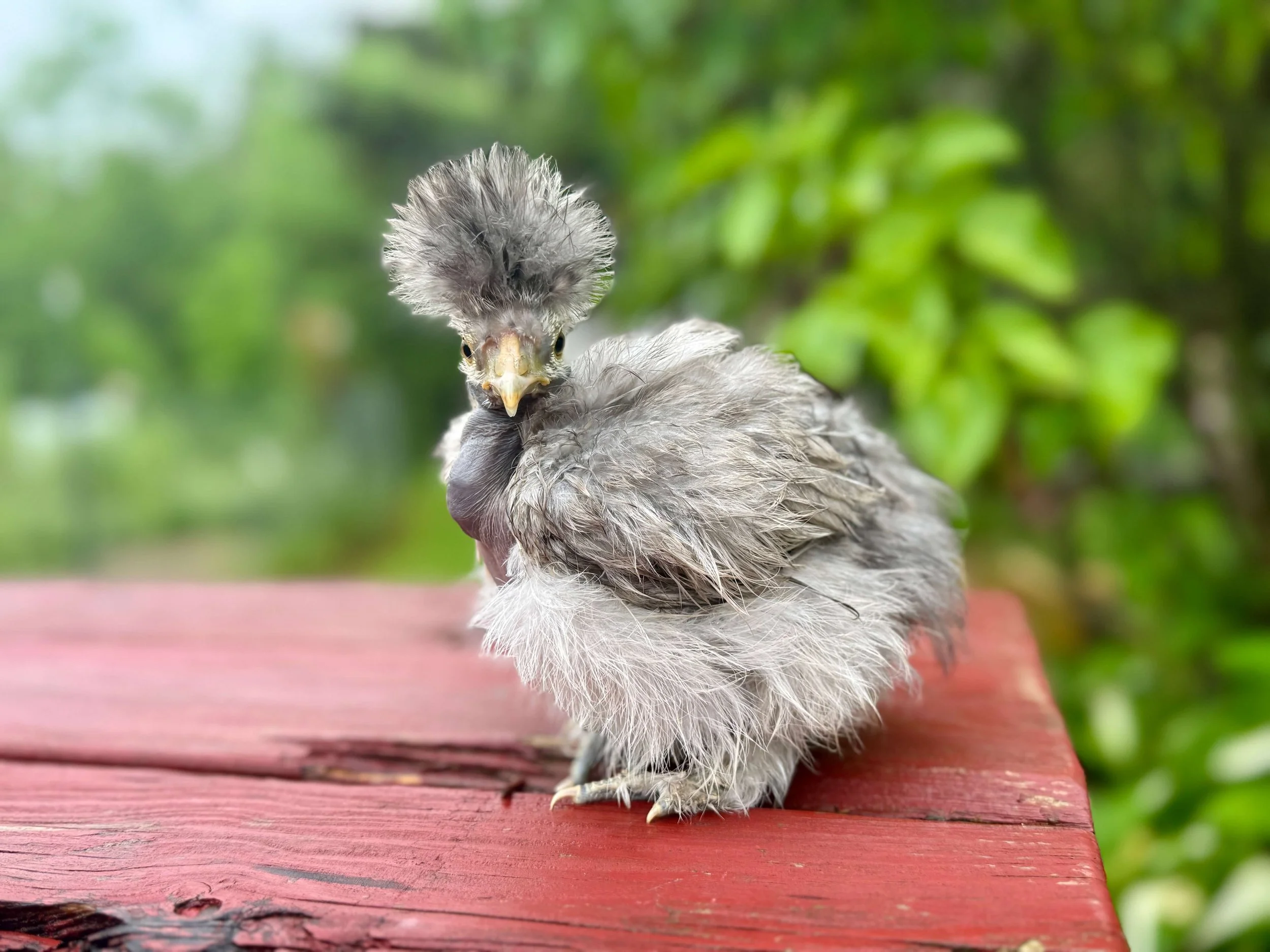
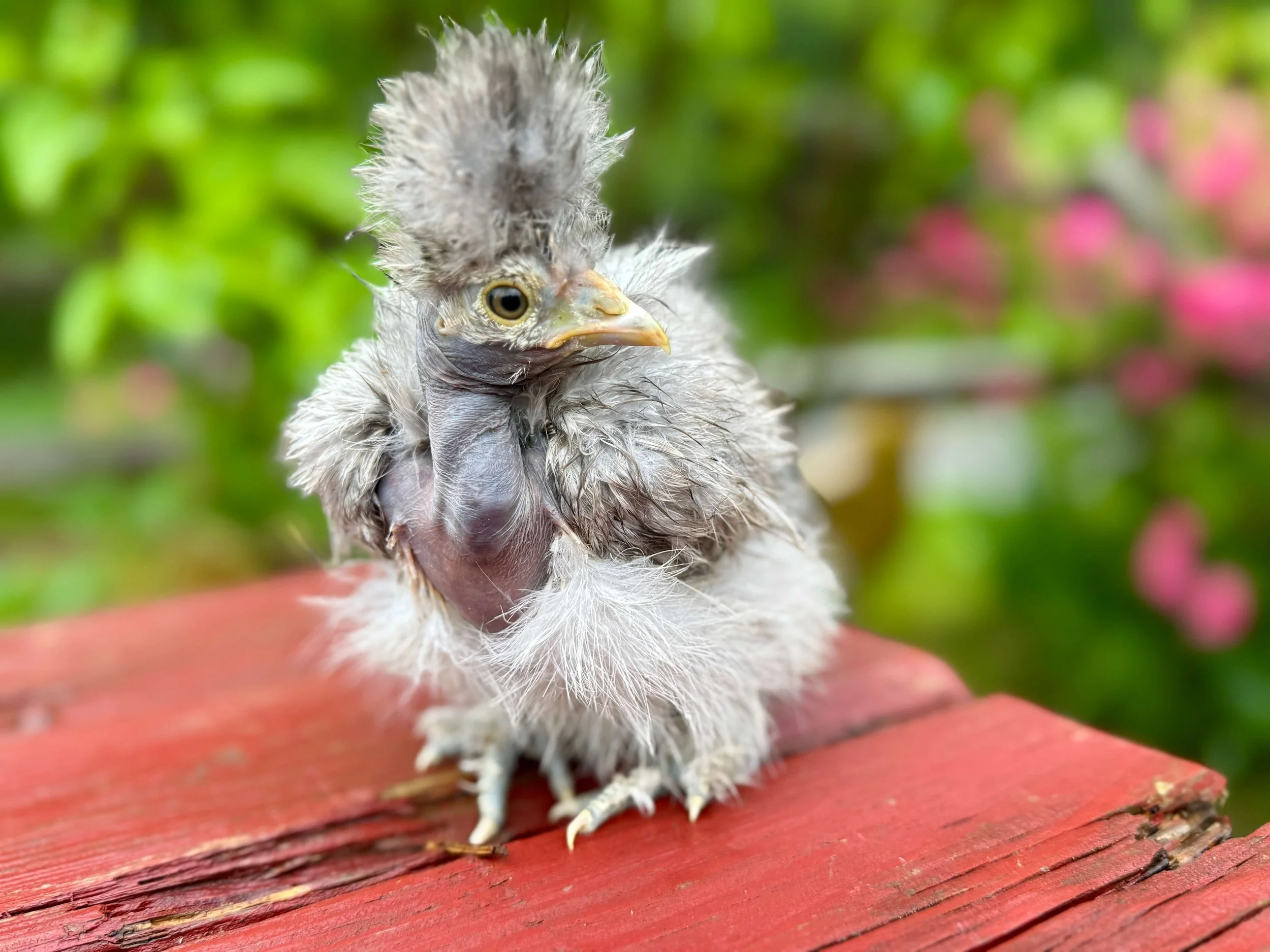
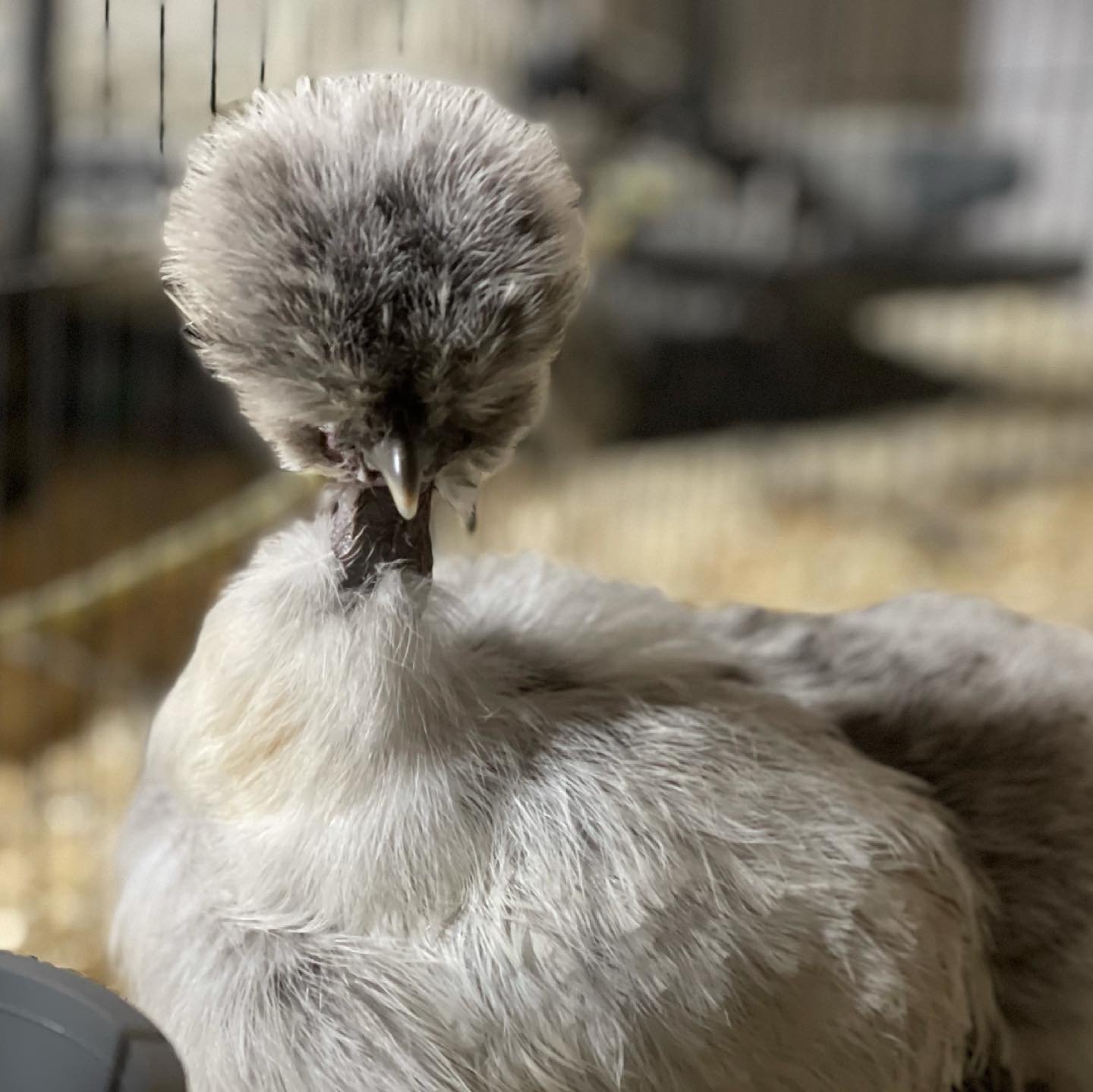
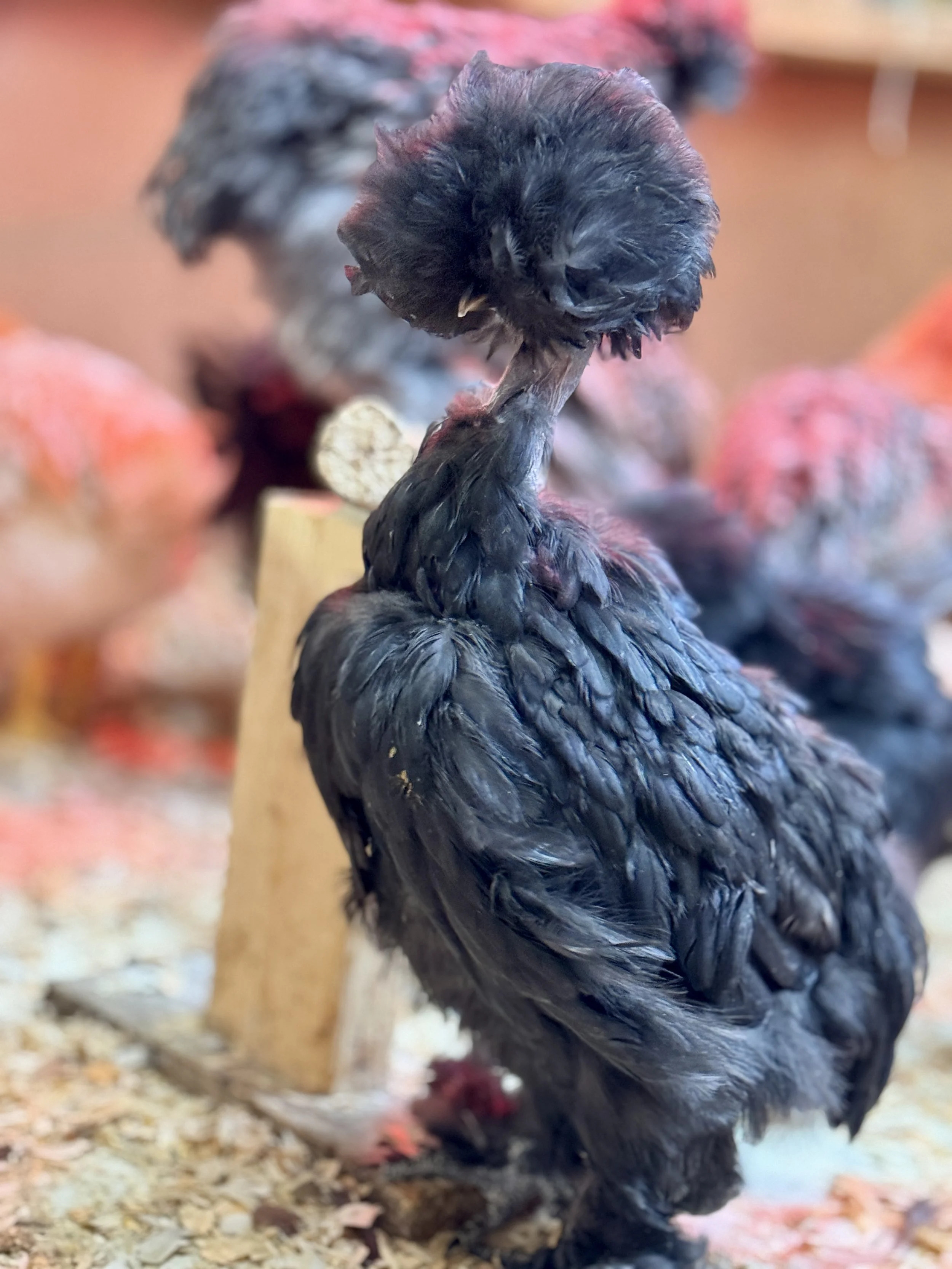
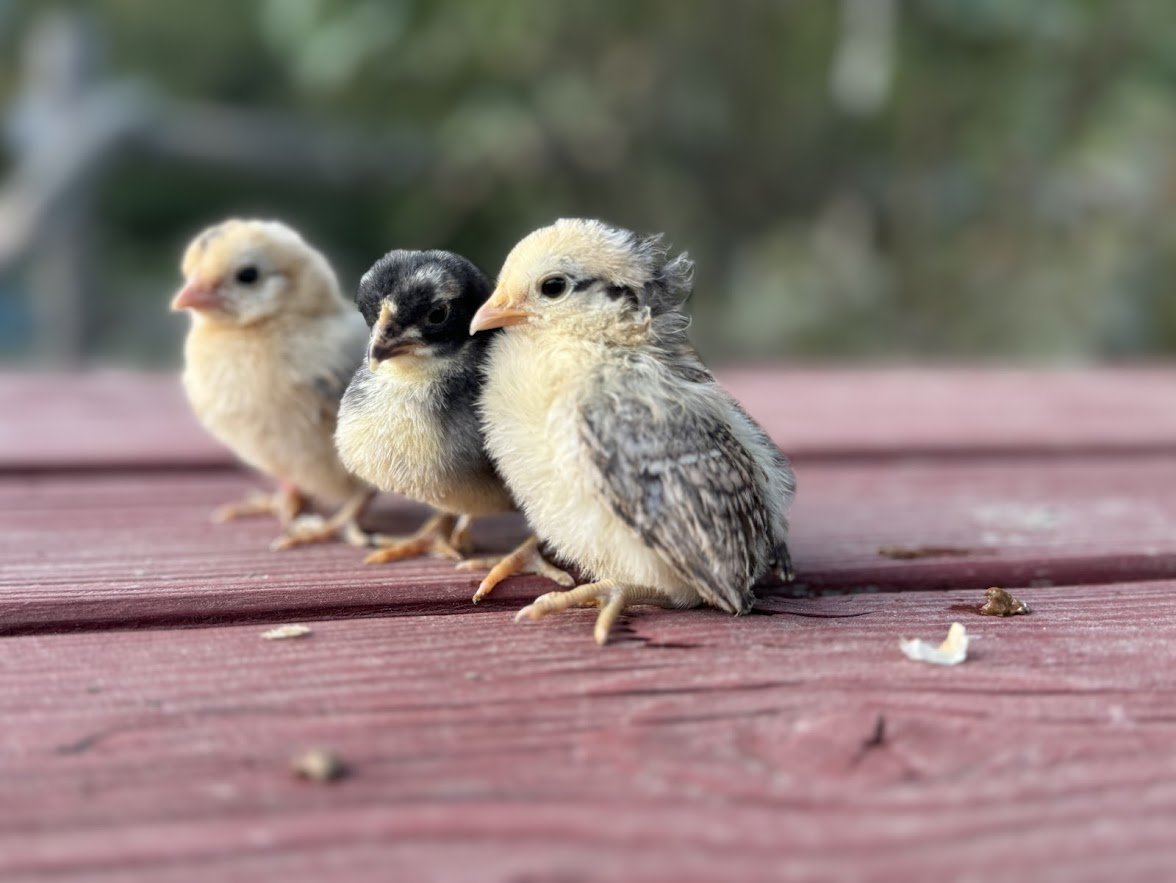
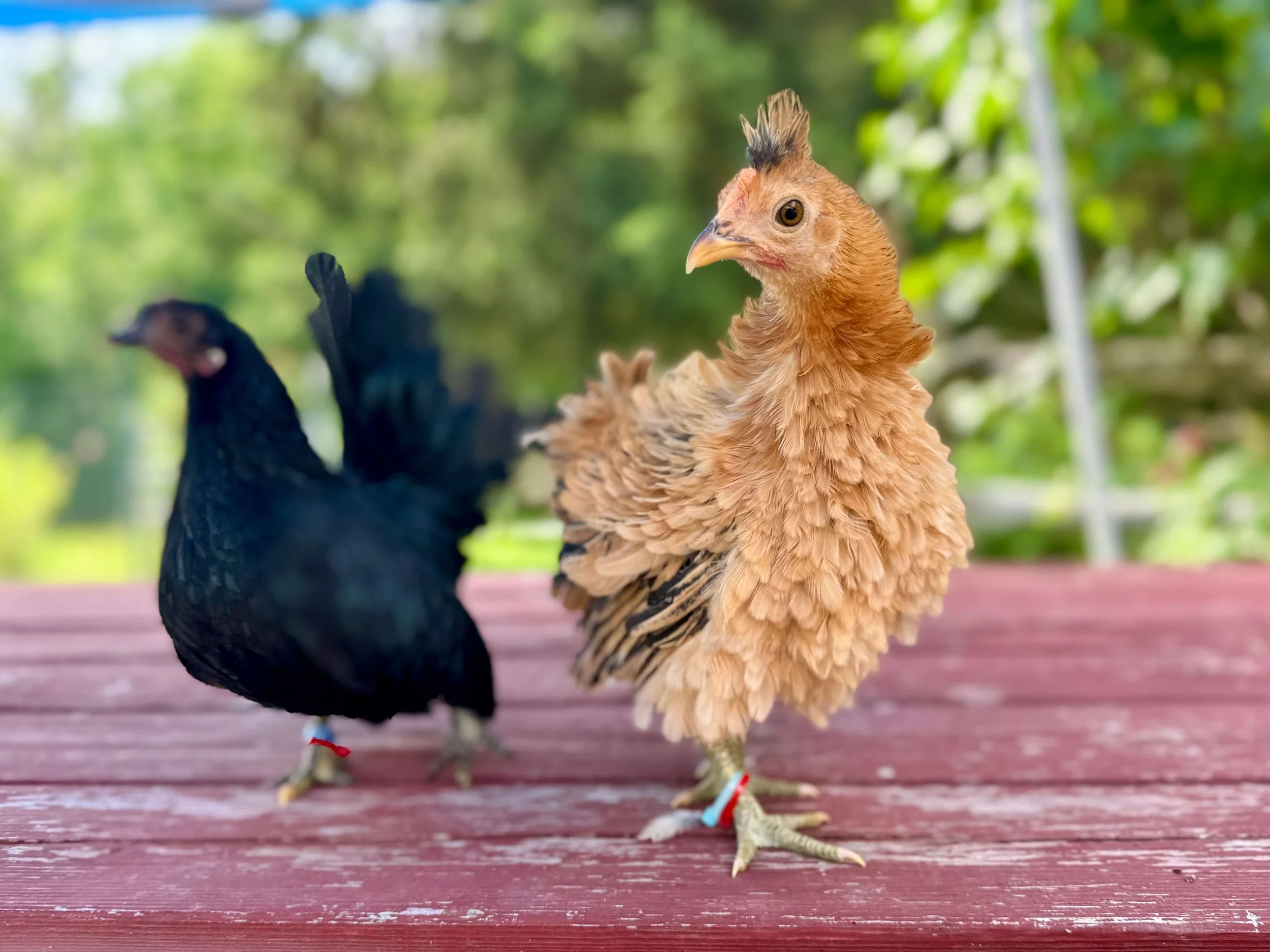
Hmong chicks grow into hardy, intelligent landrace chickens known for their blue-black skin, dark meat, excellent foraging ability, and strong natural instincts.
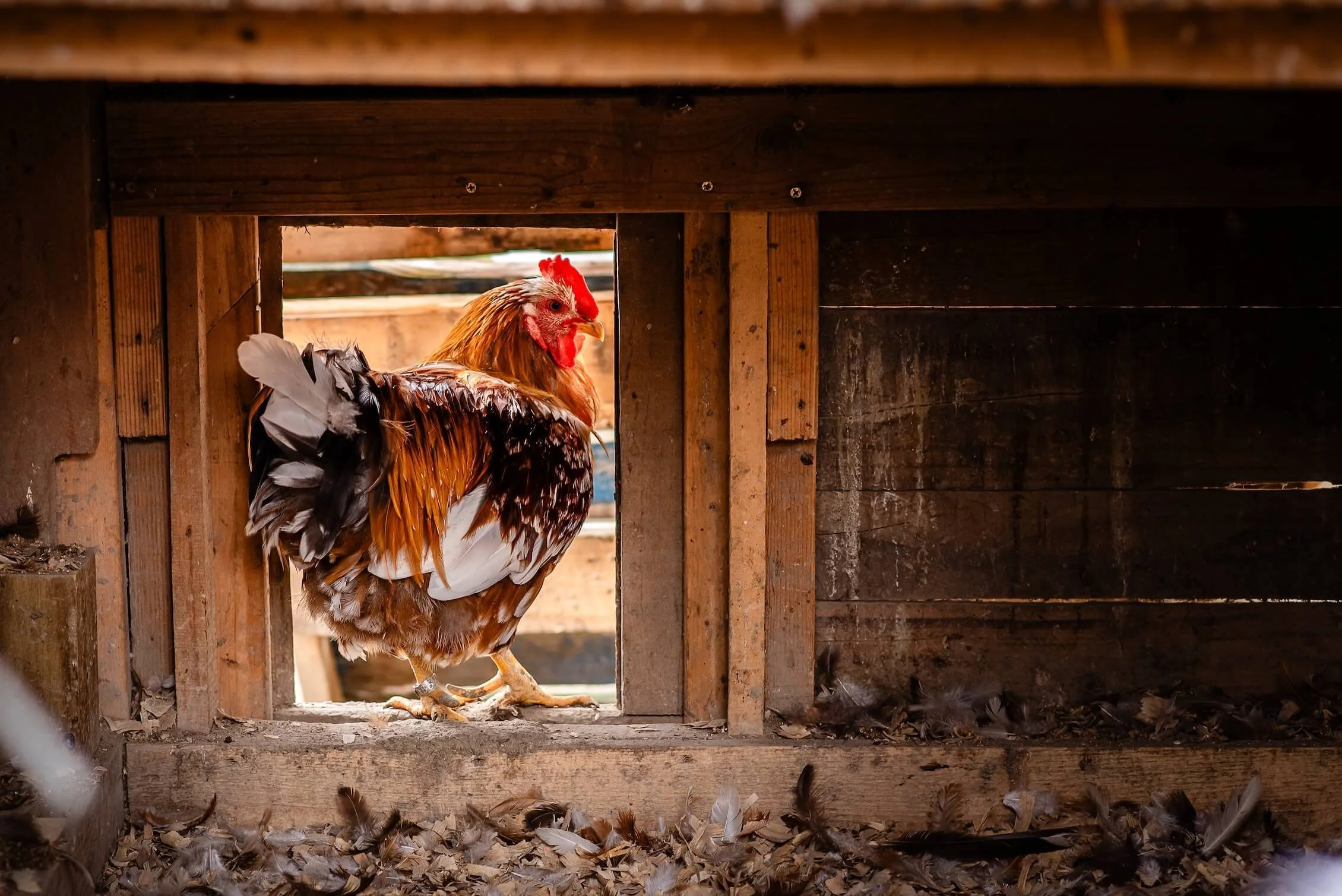
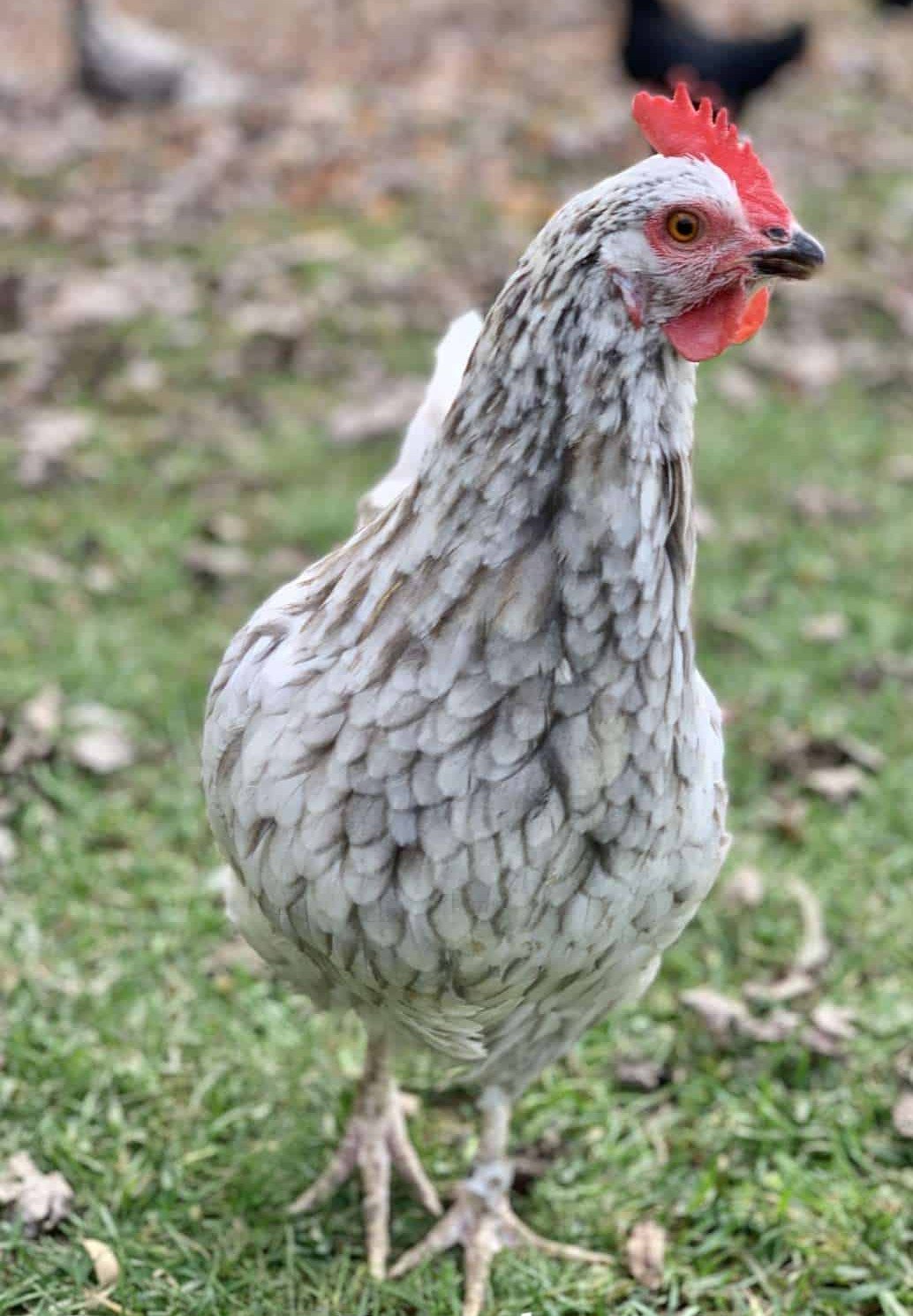
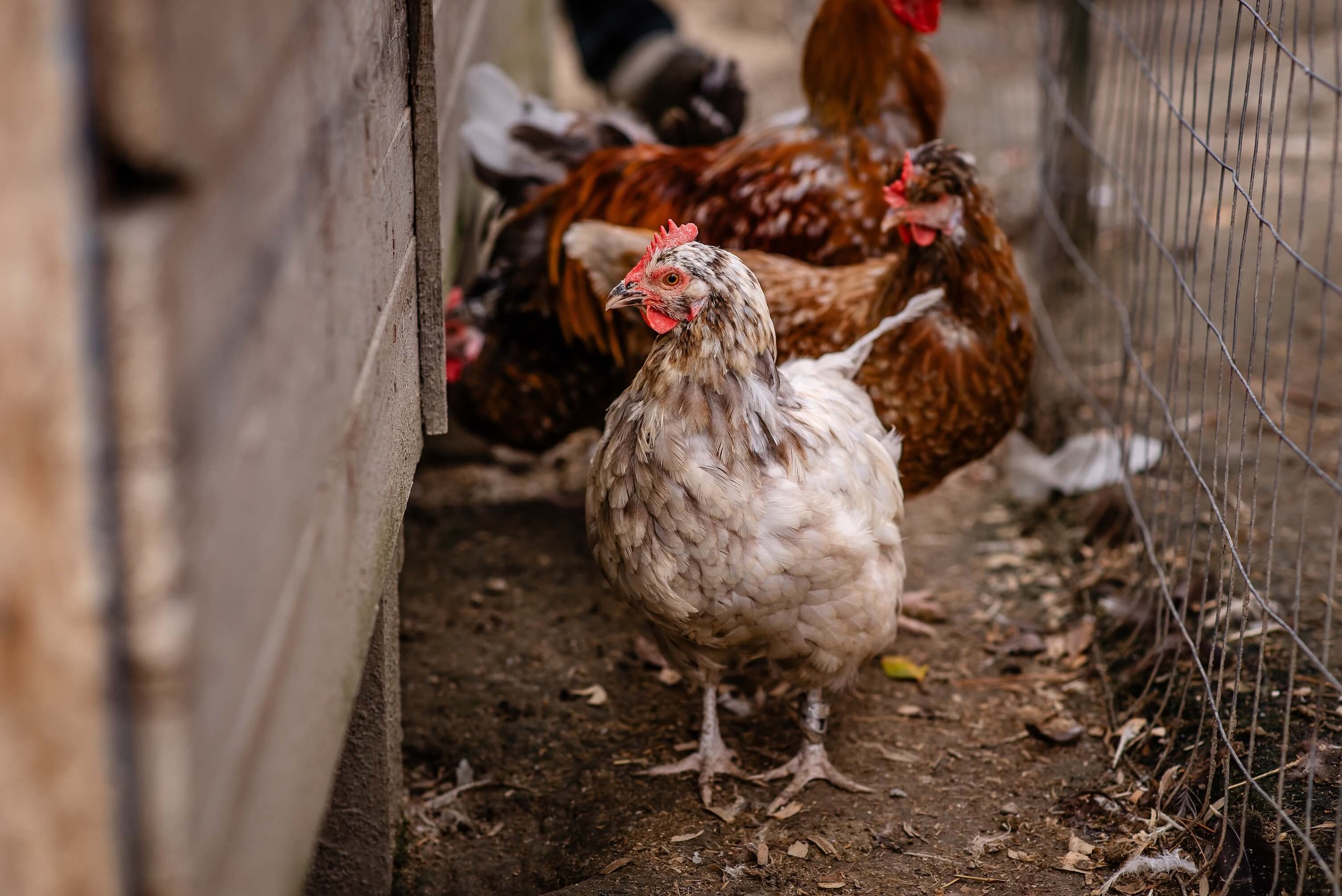
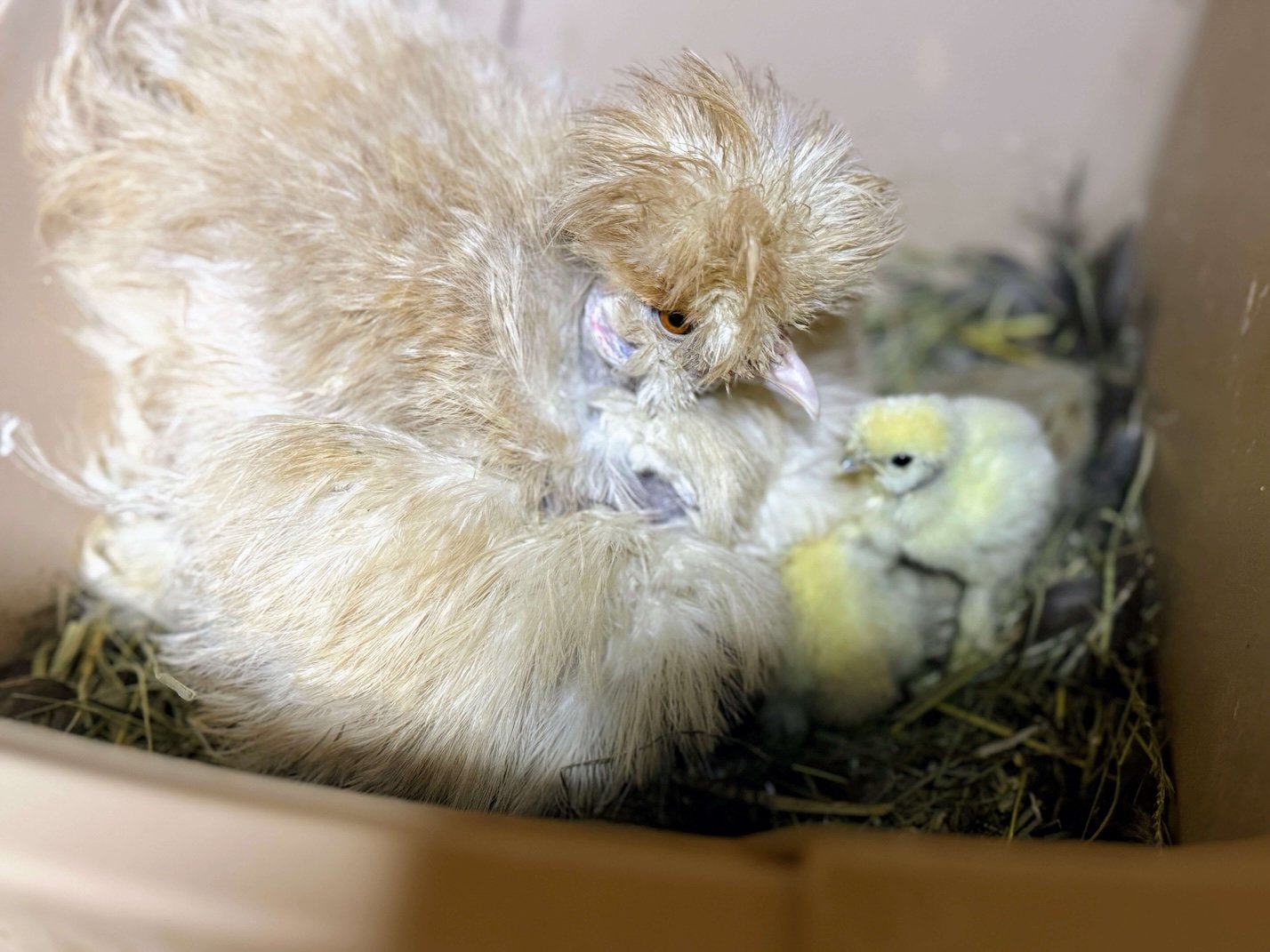
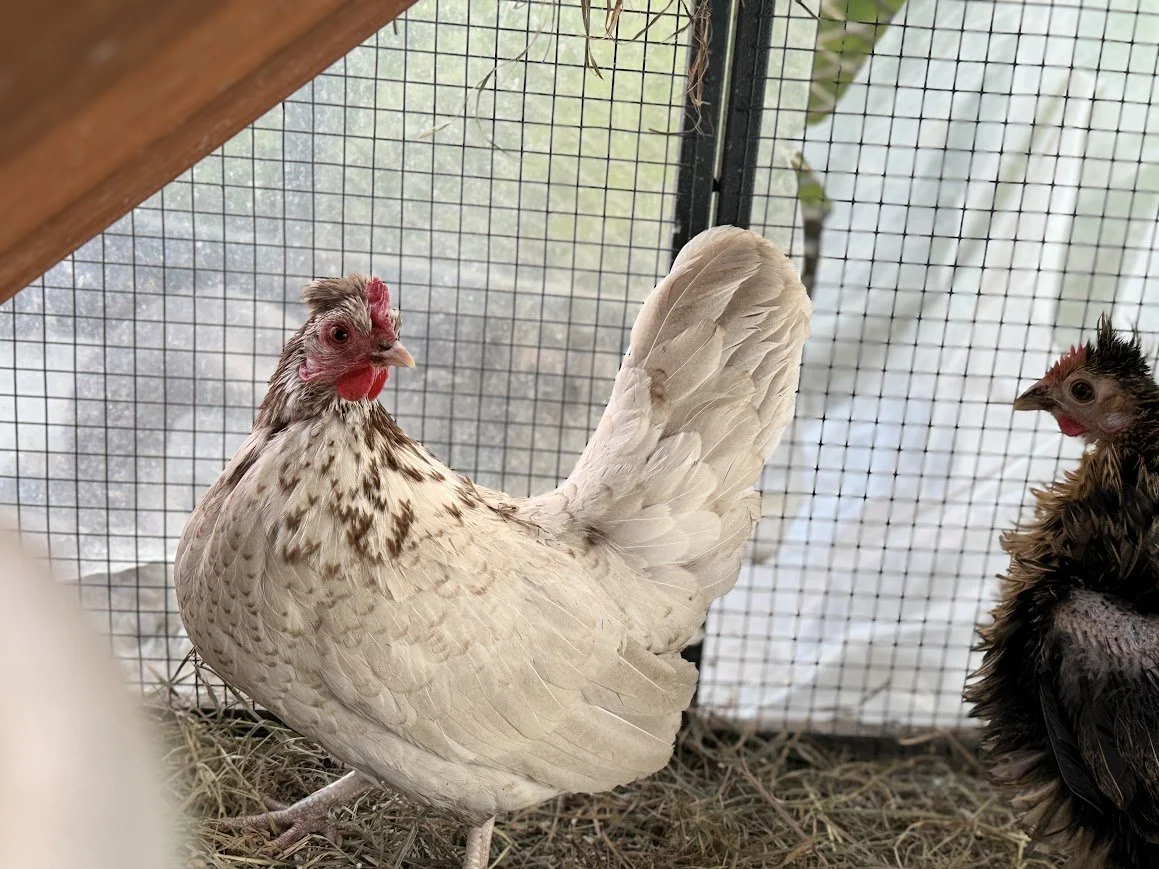
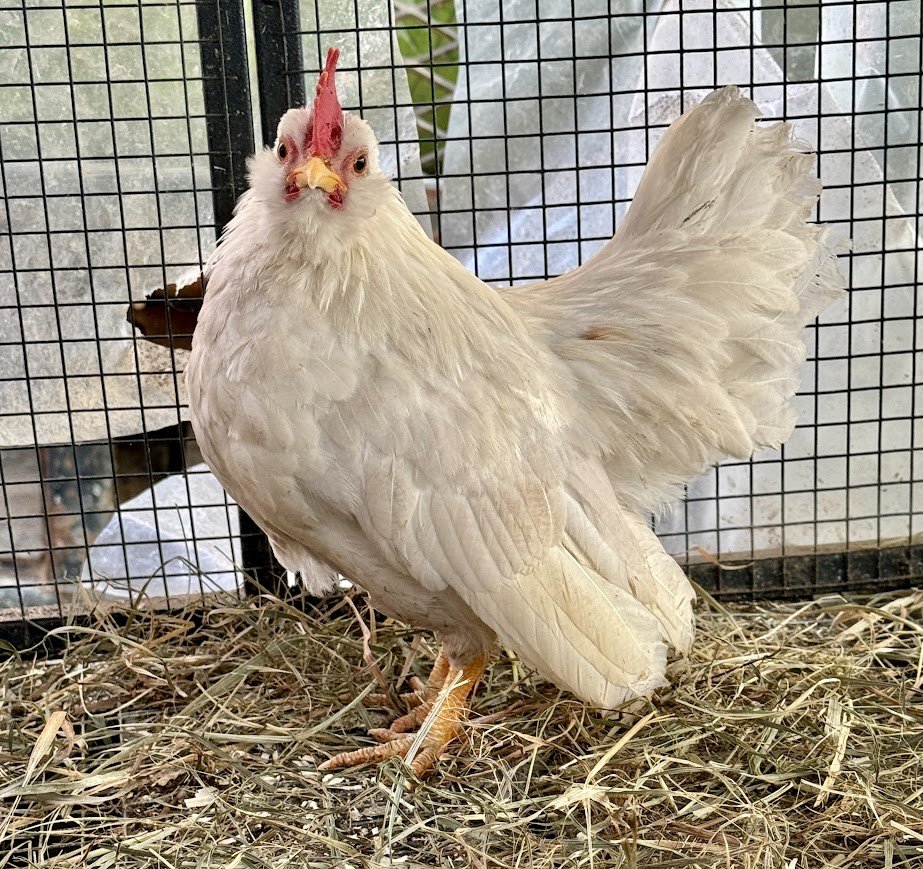
These birds are one of the most underrated breeds we raise at Sugar Feather Farm. As adults, they are dependable broodies, attentive mothers, moderate seasonal layers, and capable free-range birds with an even-tempered but independent personality.
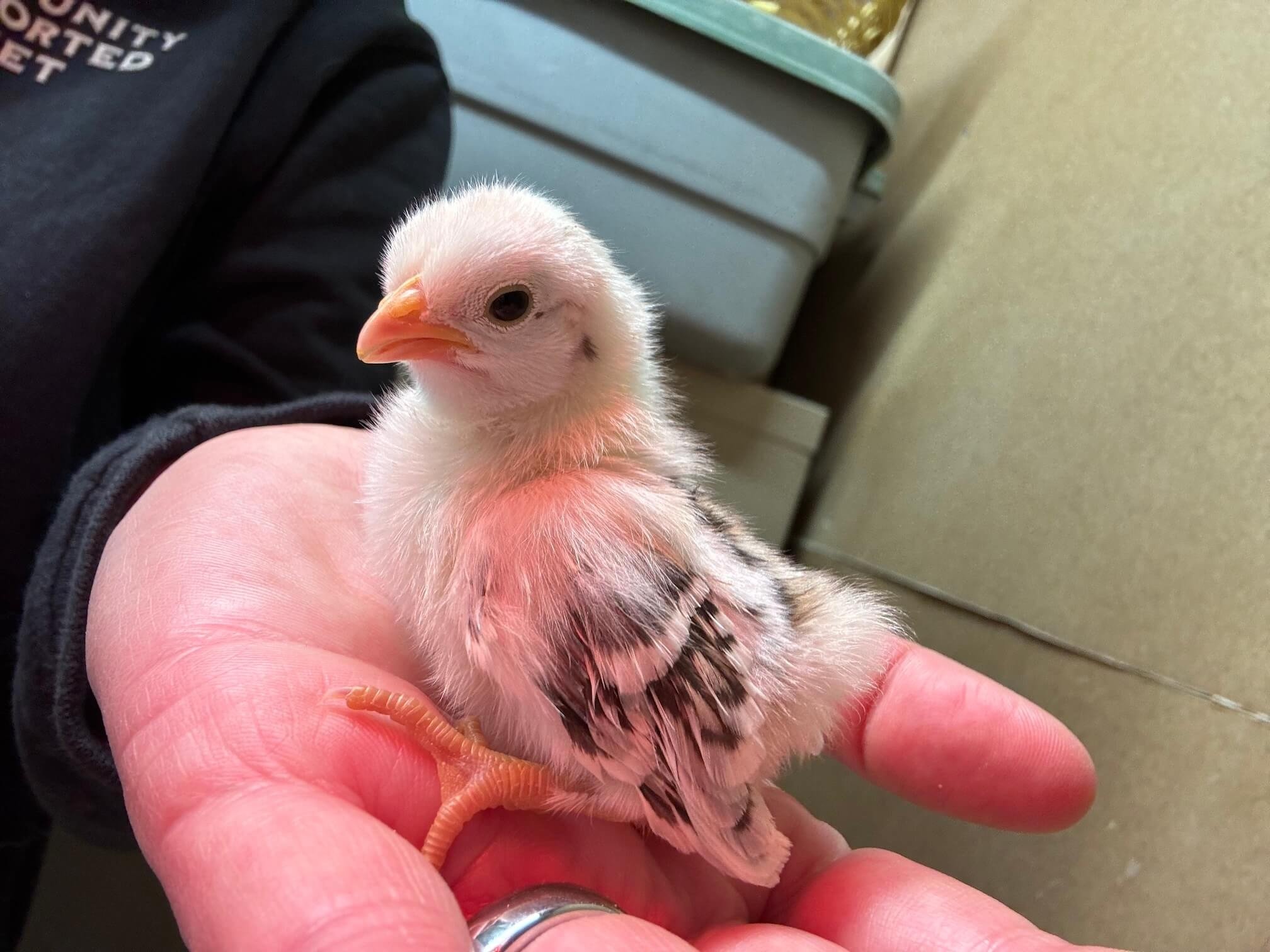
Because this is a landrace rather than a standardized commercial breed, individual chicks may develop differences in feather color, comb type, skin pigmentation, size, and overall appearance. This natural variation is expected and is part of the genetic diversity we work to preserve.
Our chicks are raised with care, fed a non-GMO diet, monitored closely, and given time to become strong and established before traveling. Our Hmong breeding groups are maintained as conservation stock and are not sourced from commercial hatchery production lines.
Looking for other options?
-
Hmong chickens have traditionally been raised by Hmong communities across southern China and mainland Southeast Asia, including Laos, Vietnam, and Thailand. More than simply utility poultry, these birds are connected with family food traditions, household self-sufficiency, and cultural continuity.
Hmong refugees began resettling in the United States during the mid-1970s following the wars in Laos. As Hmong American communities became established, families continued preserving their language, foodways, agricultural knowledge, and cultural traditions.
Known for their blue-black skin and flavorful dark meat, Hmong chickens have long been valued for traditional soups and nourishing meals. At Sugar Feather Farm, we respect the cultural history of these birds while helping preserve their rare genetics for future generations.
Hmong chickens have traditionally been raised by Hmong communities across southern China and mainland Southeast Asia, including Laos, Vietnam, and Thailand. More than simply utility poultry, these birds are connected with family food traditions, household self-sufficiency, and cultural continuity.
Hmong refugees began resettling in the United States during the mid-1970s following the wars in Laos. As Hmong American communities became established, families continued preserving their language, foodways, agricultural knowledge, and cultural traditions.
Known for their blue-black skin and flavorful dark meat, Hmong chickens have long been valued for traditional soups and nourishing meals. At Sugar Feather Farm, we respect the cultural history of these birds while helping preserve their rare genetics for future generations.
-
We recommend starting chicks on Sugar Feather Farm Non-GMO Chicken & Waterfowl Starter during their first three weeks, then gradually transitioning them to our Chicken & Waterfowl Grower as they mature.
Chicks should be kept in a clean, dry brooder with appropriate heat, fresh water, quality feed, good ventilation, and enough room to move comfortably. Avoid overcrowding, damp bedding, and drafts, especially during their first few weeks.
Hmong chicks are naturally active and inquisitive. As they grow, they benefit from additional space, enrichment, and opportunities to develop their strong natural foraging instincts. Outdoor access should only begin once they are sufficiently feathered and weather conditions are appropriate.
We recommend Oil of Oregano in their water as part of our regular digestive and nutritional support program. Vita Boost can be especially helpful during shipping, transition, weather changes, and other periods of stress.
Recommended Products & Resources:
Chicken & Waterfowl Starter Feed
Chicken & Waterfowl Grower Feed
Oil of Oregano
Vita Boost Kit
New Chick Care Guide
Shipping & Farm Pickup Process
Humane Steward™ Certified
This bird is raised under farmer-developed humane care standards focused on space, enrichment, respectful handling, and natural behaviors.