 Image 1 of 14
 Image 2 of 14
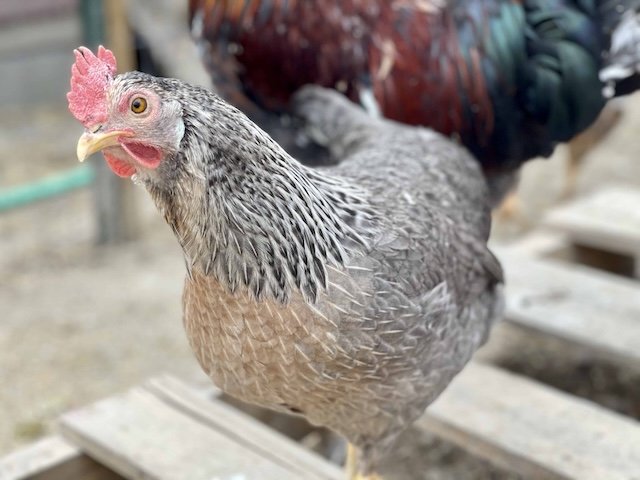 Image 3 of 14
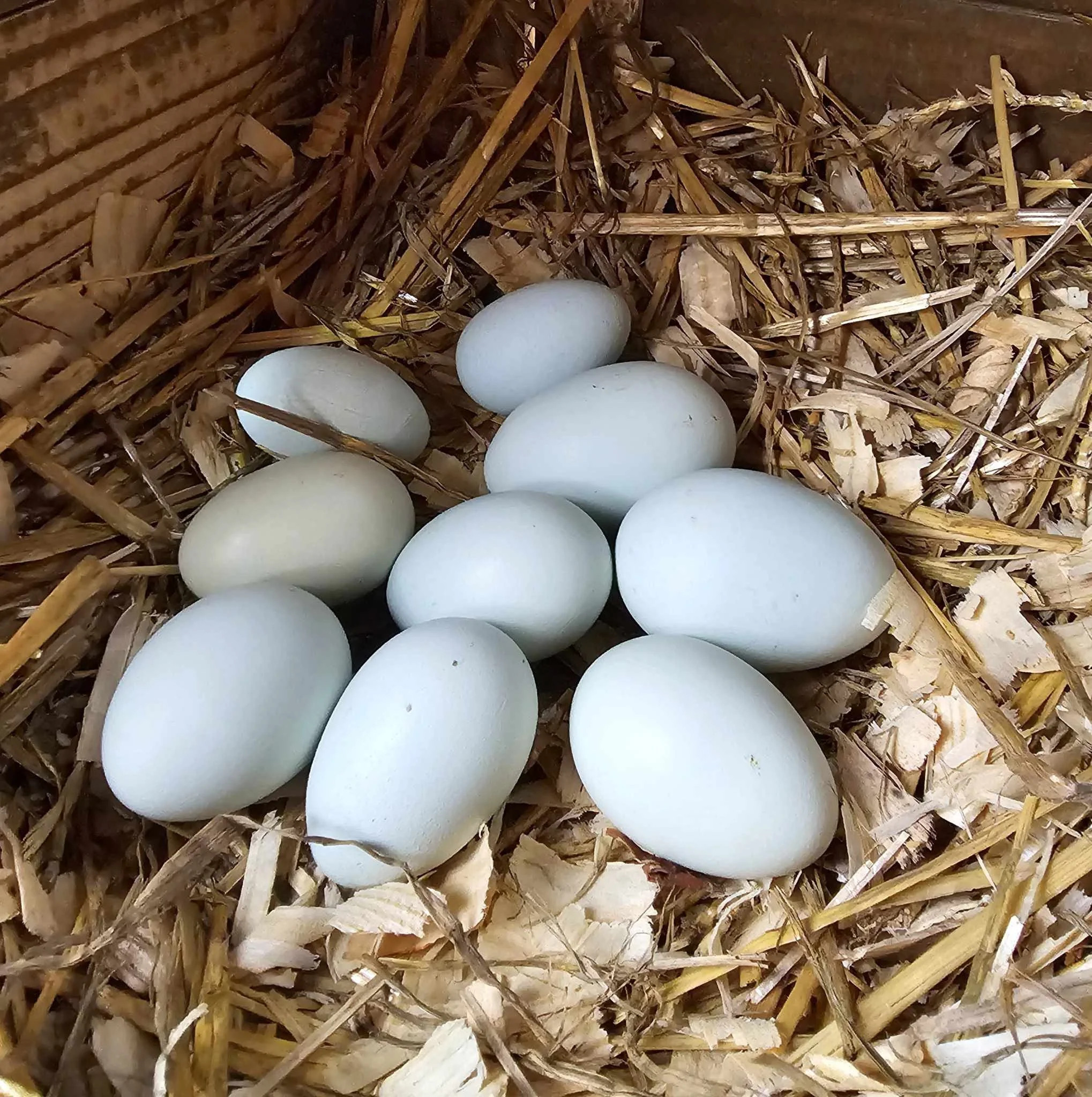 Image 4 of 14
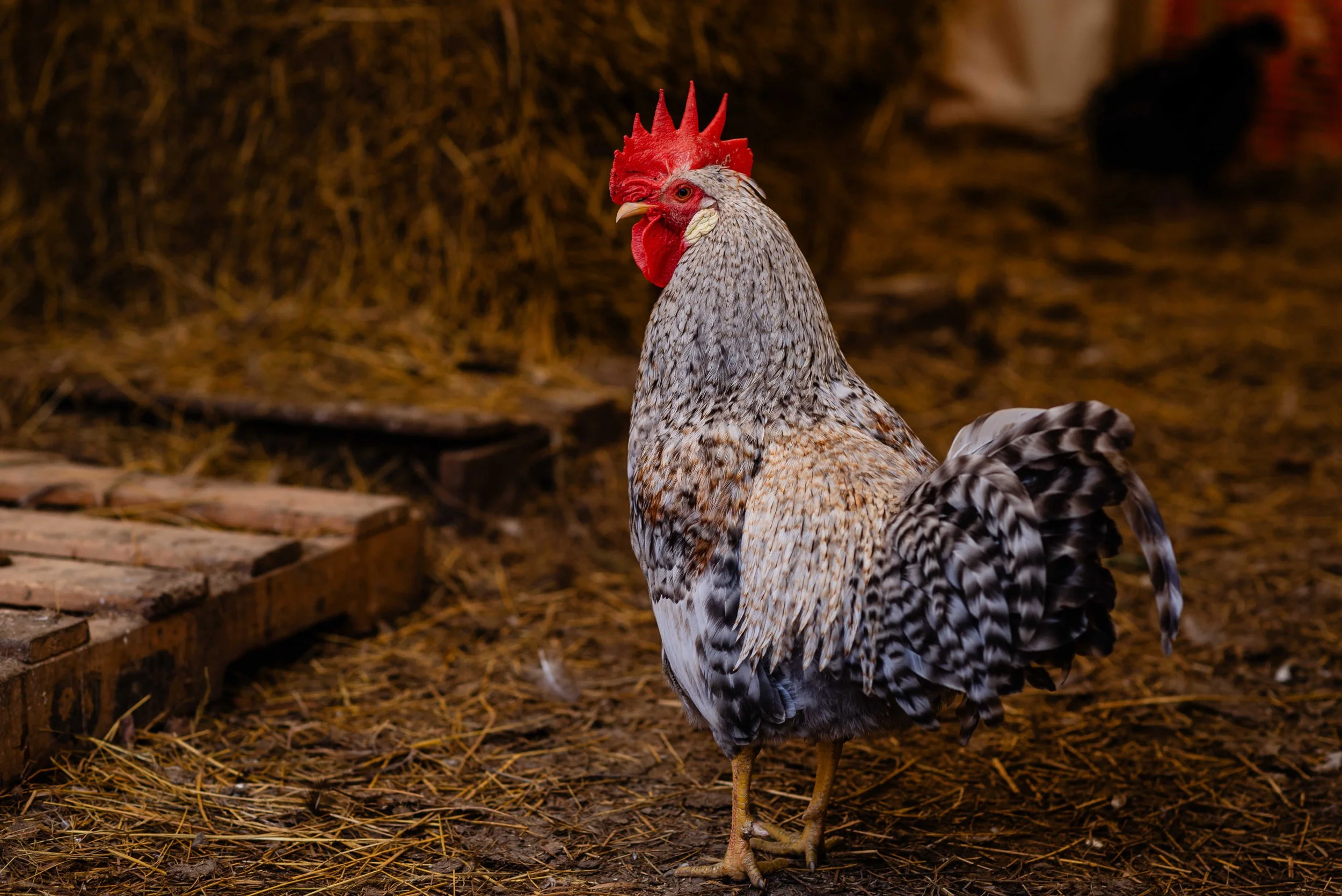 Image 5 of 14
 Image 6 of 14
 Image 7 of 14
 Image 8 of 14
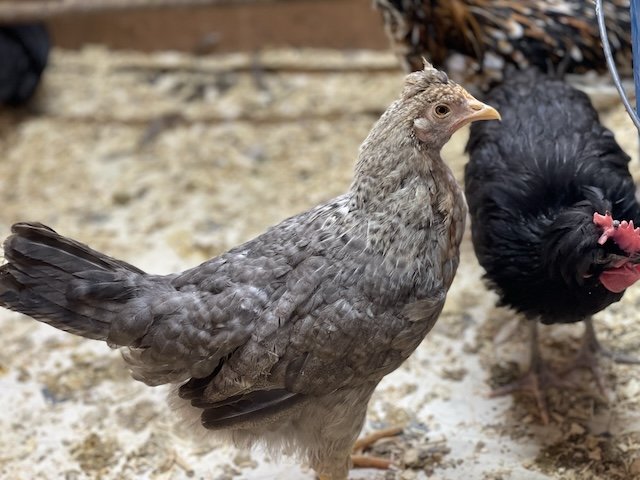 Image 9 of 14
 Image 10 of 14
 Image 11 of 14
 Image 12 of 14
 Image 13 of 14
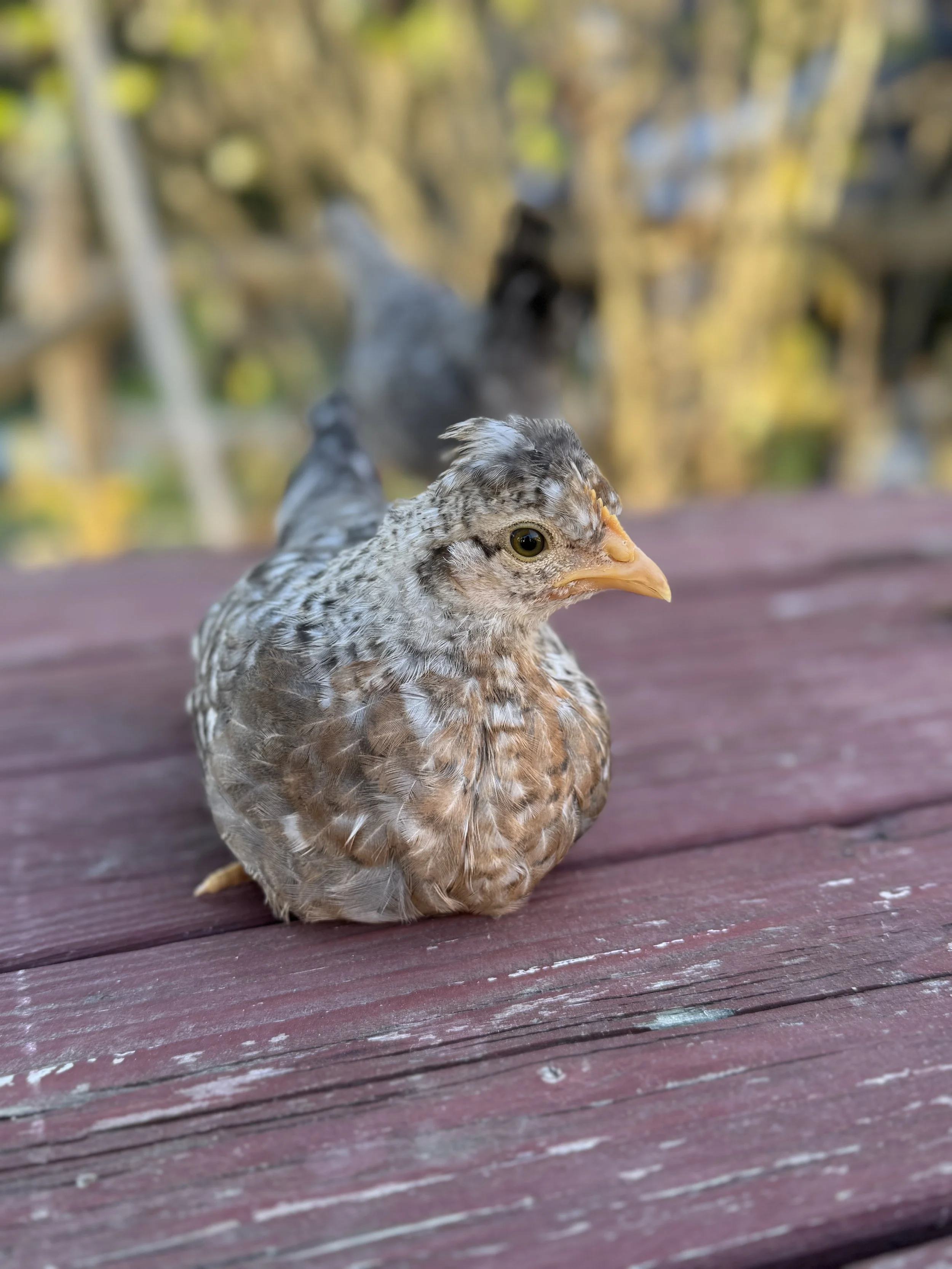 Image 14 of 14
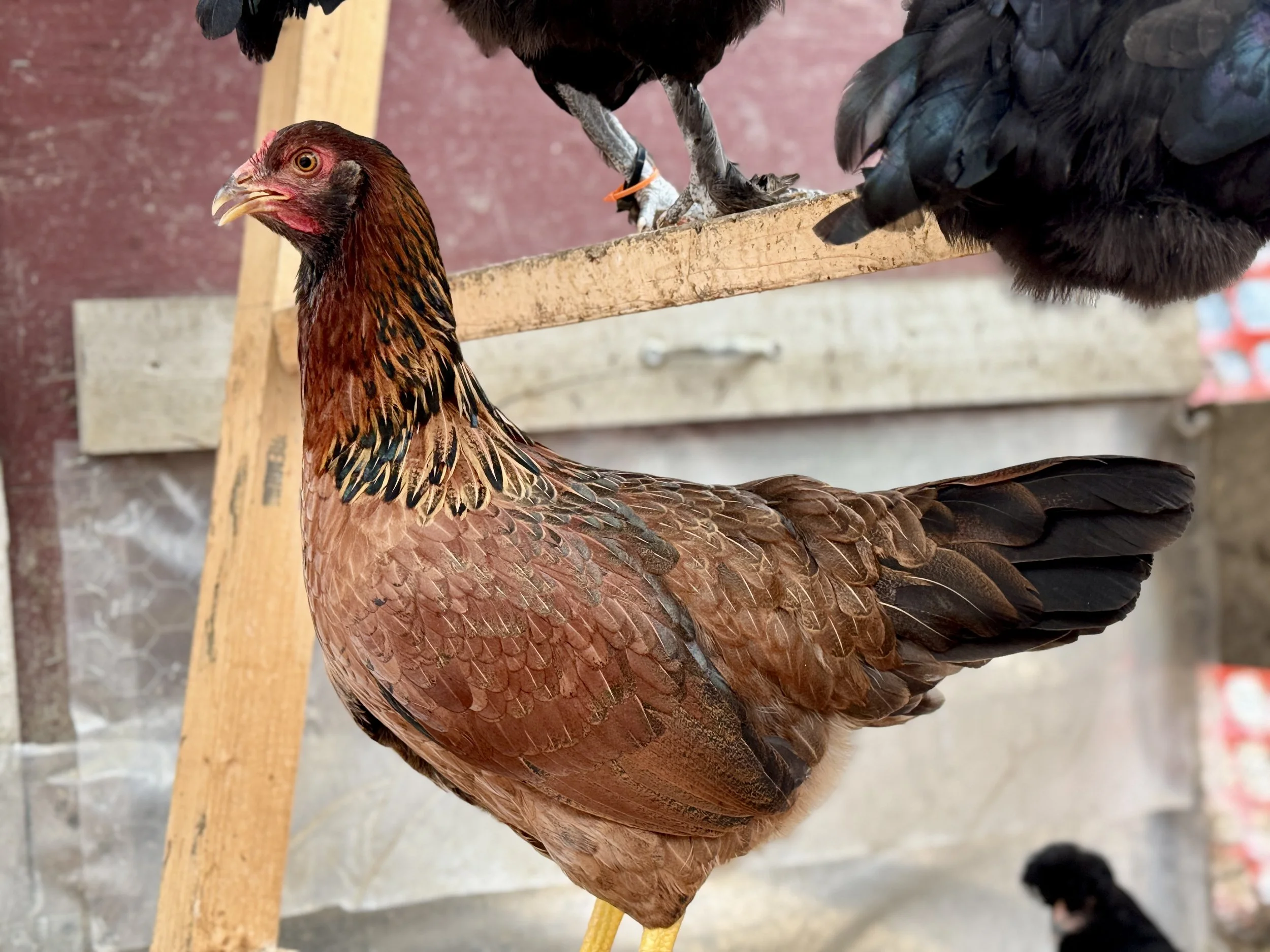
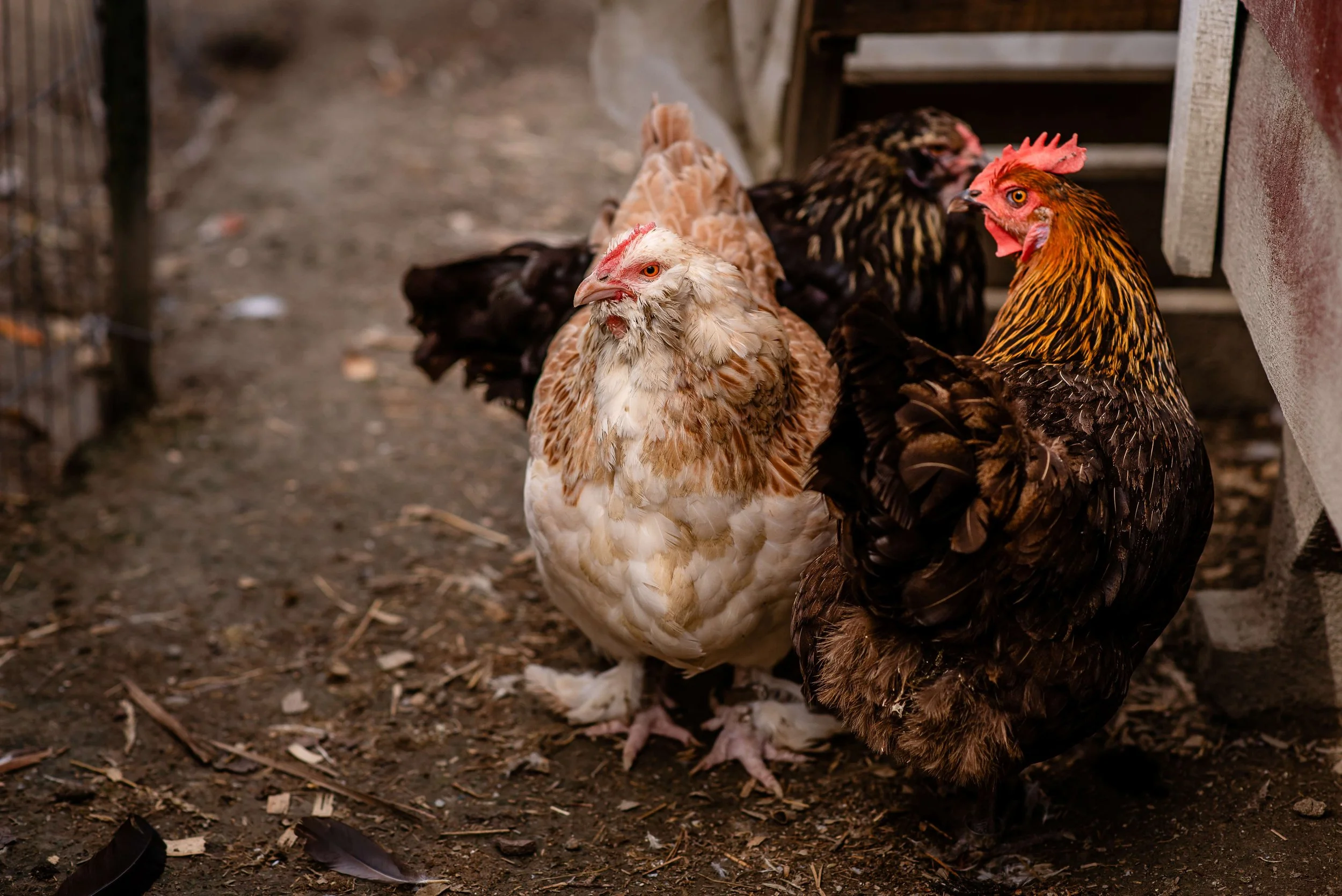
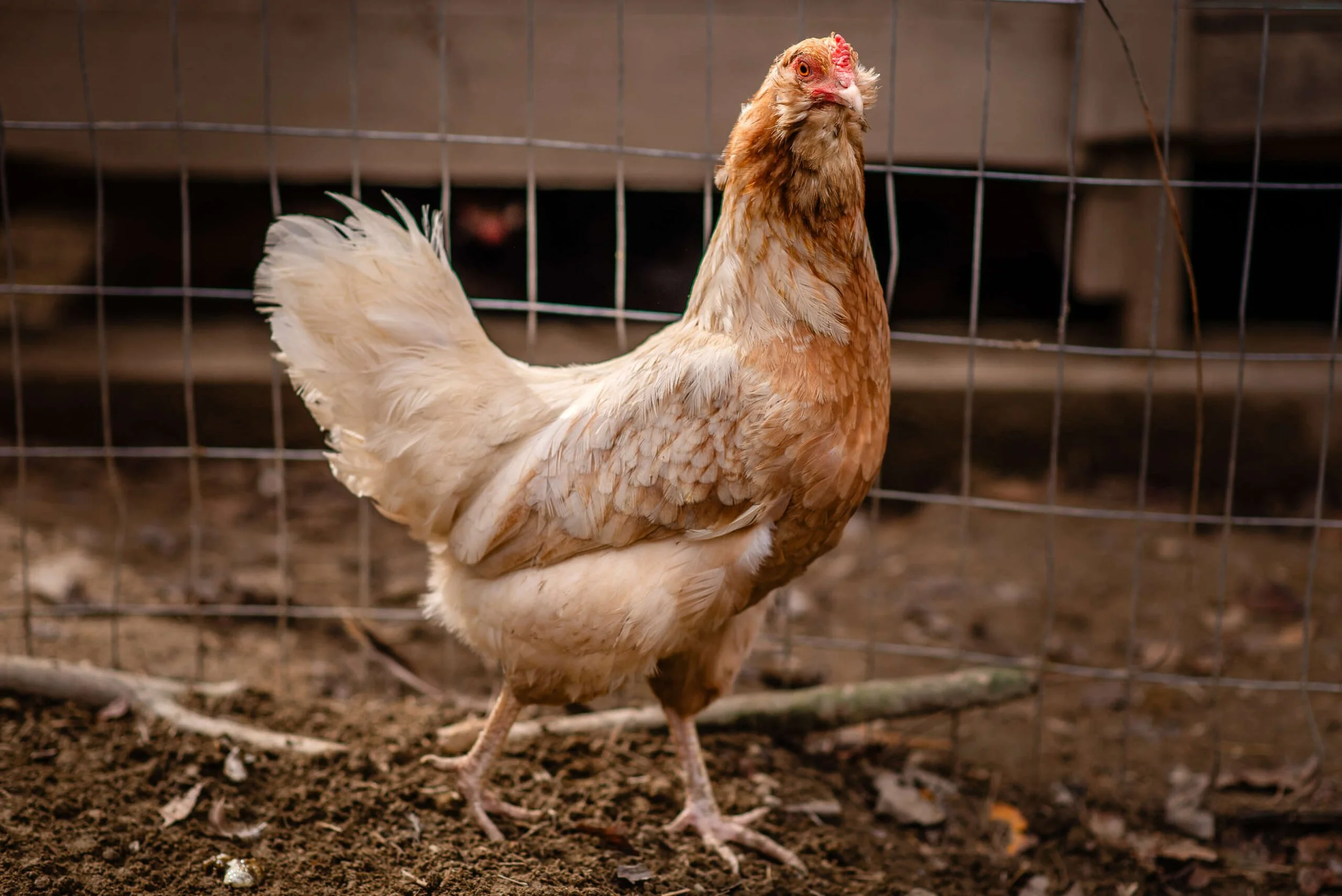
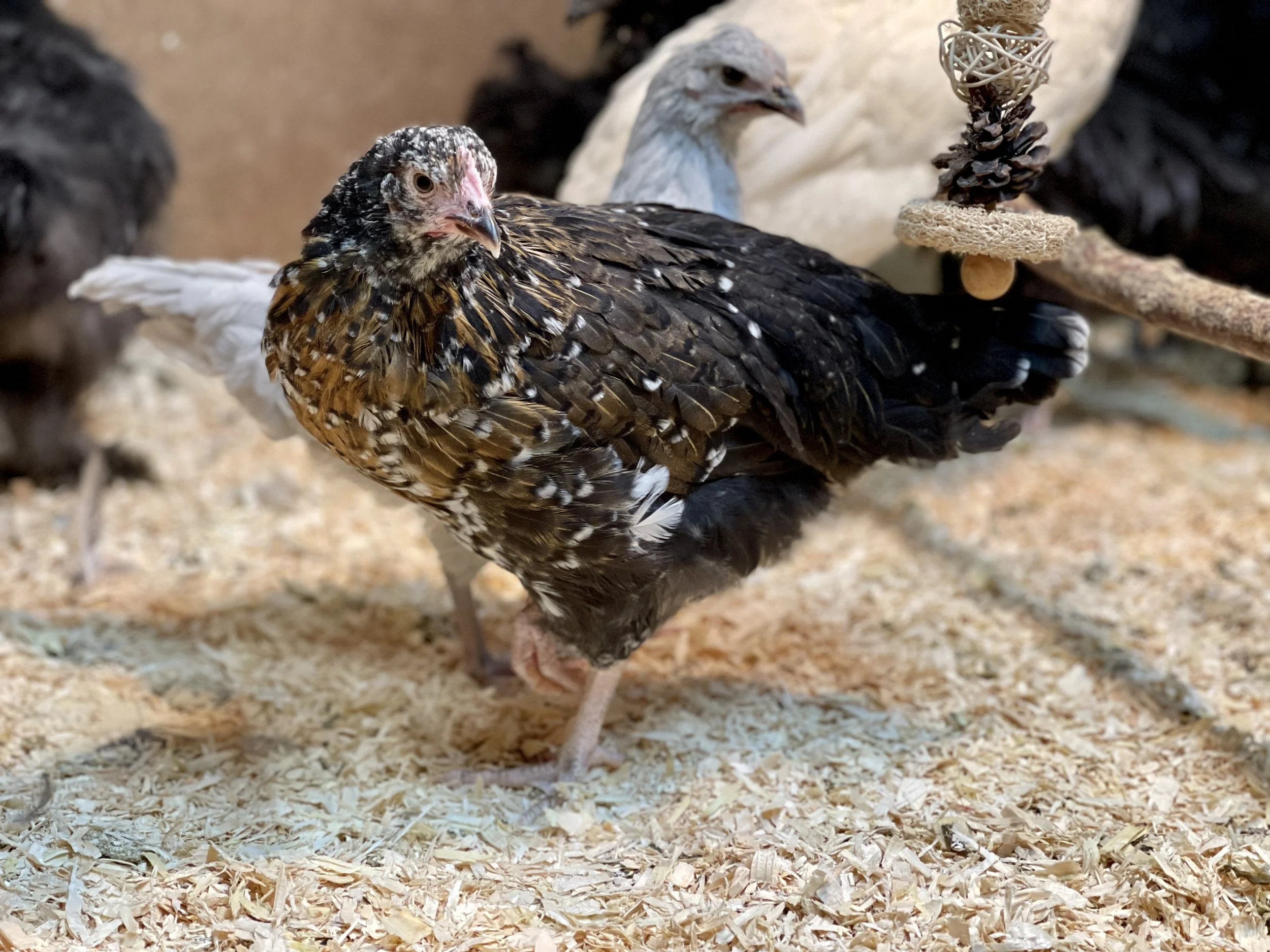
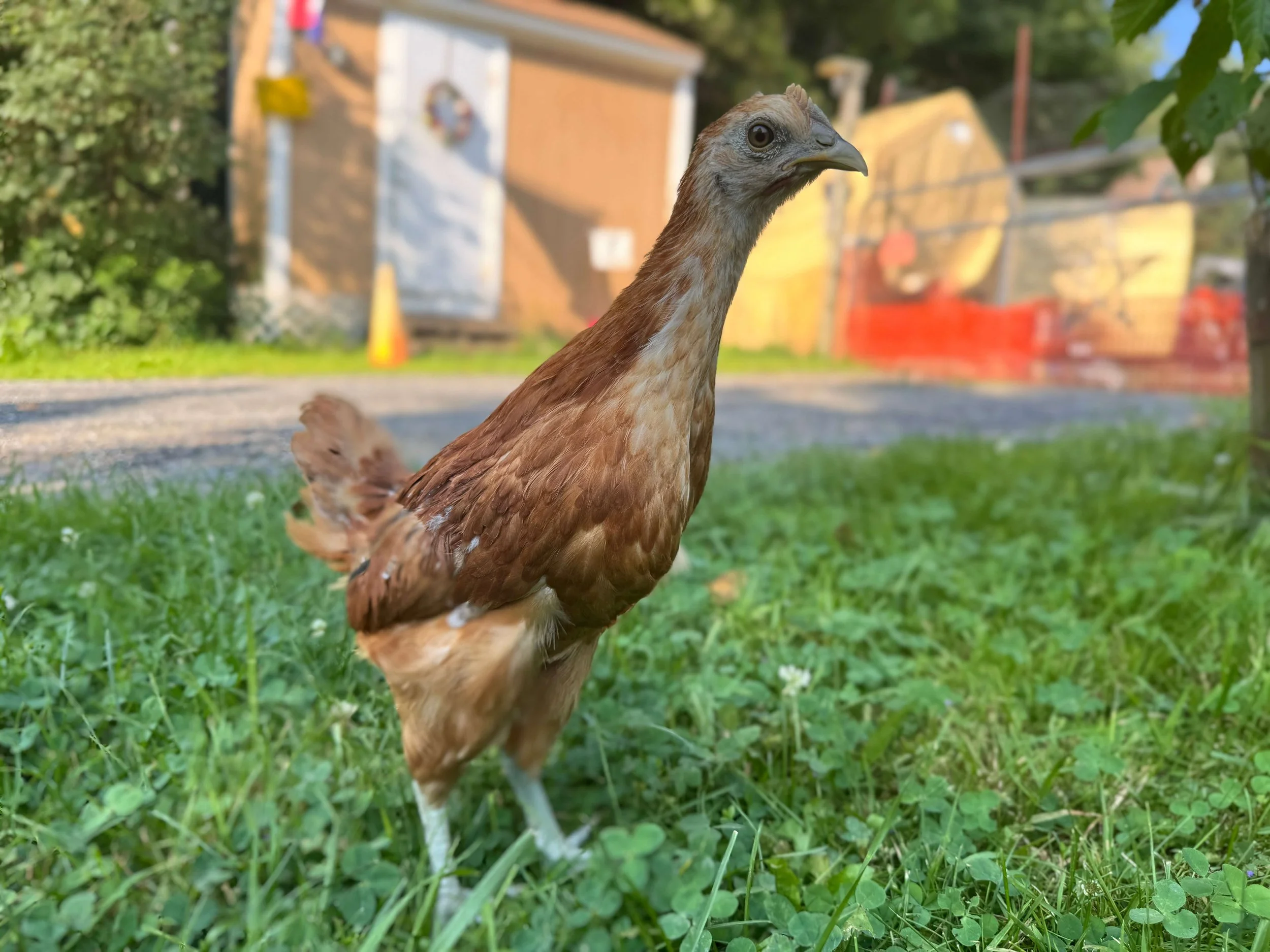
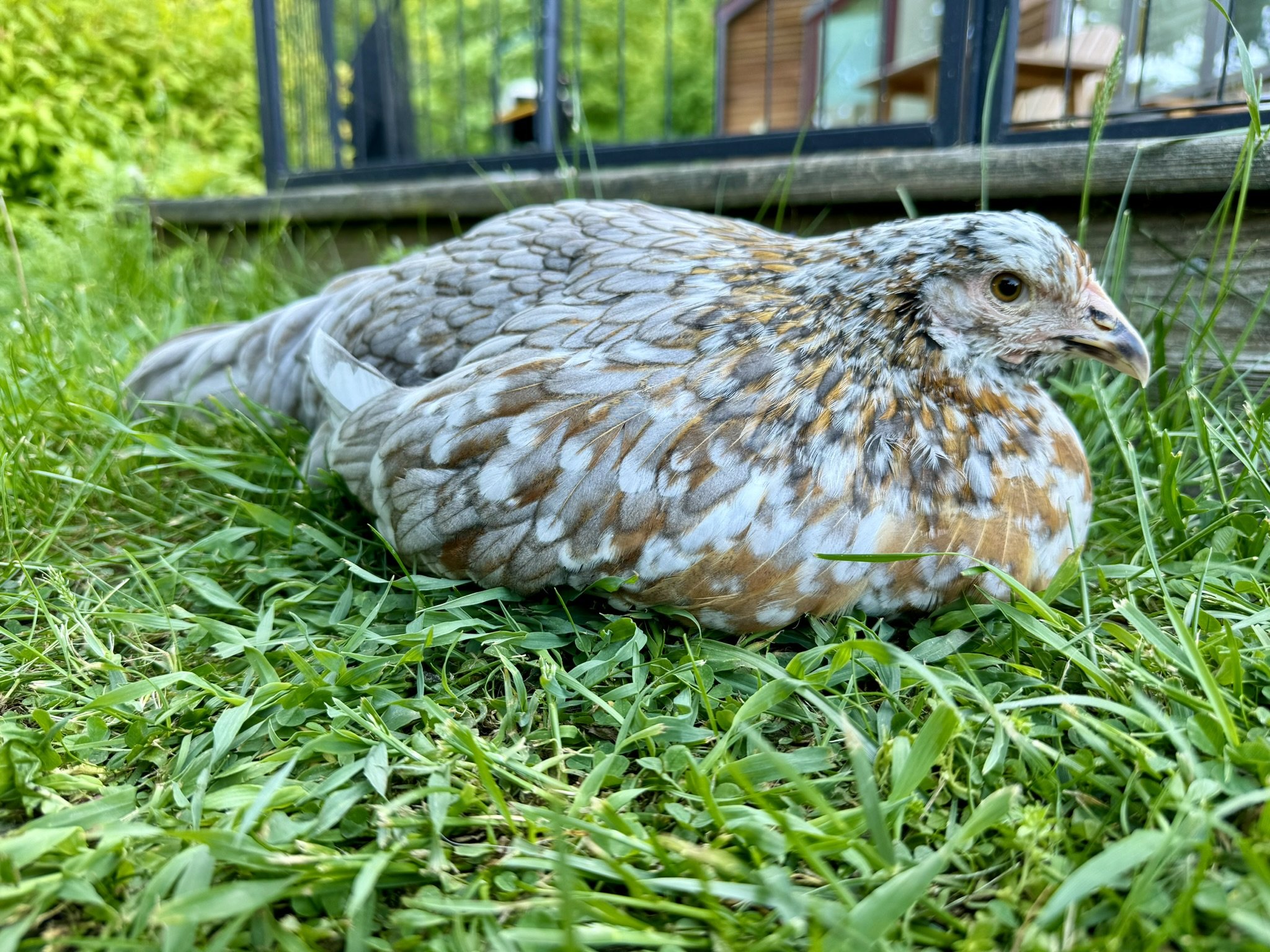
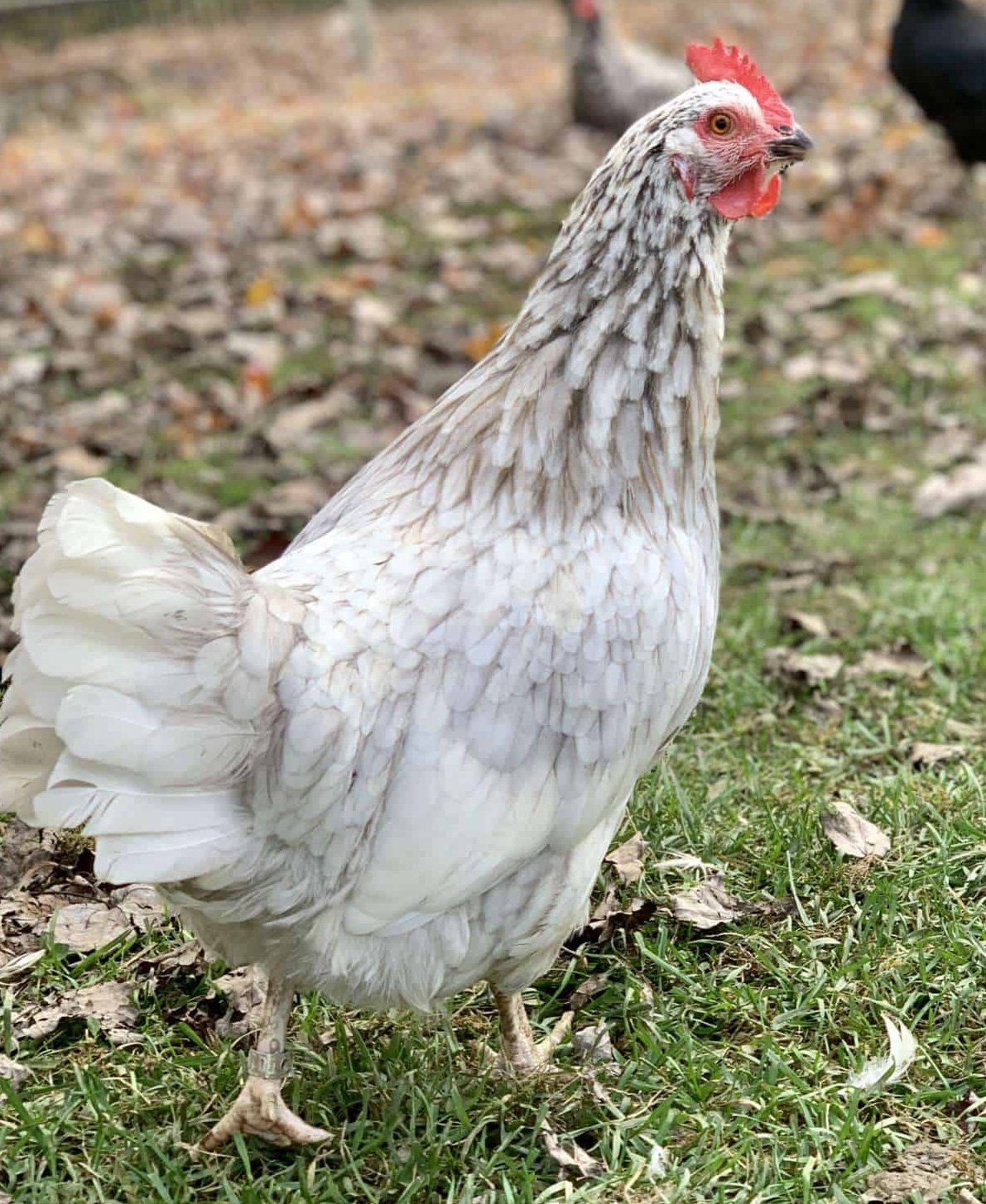
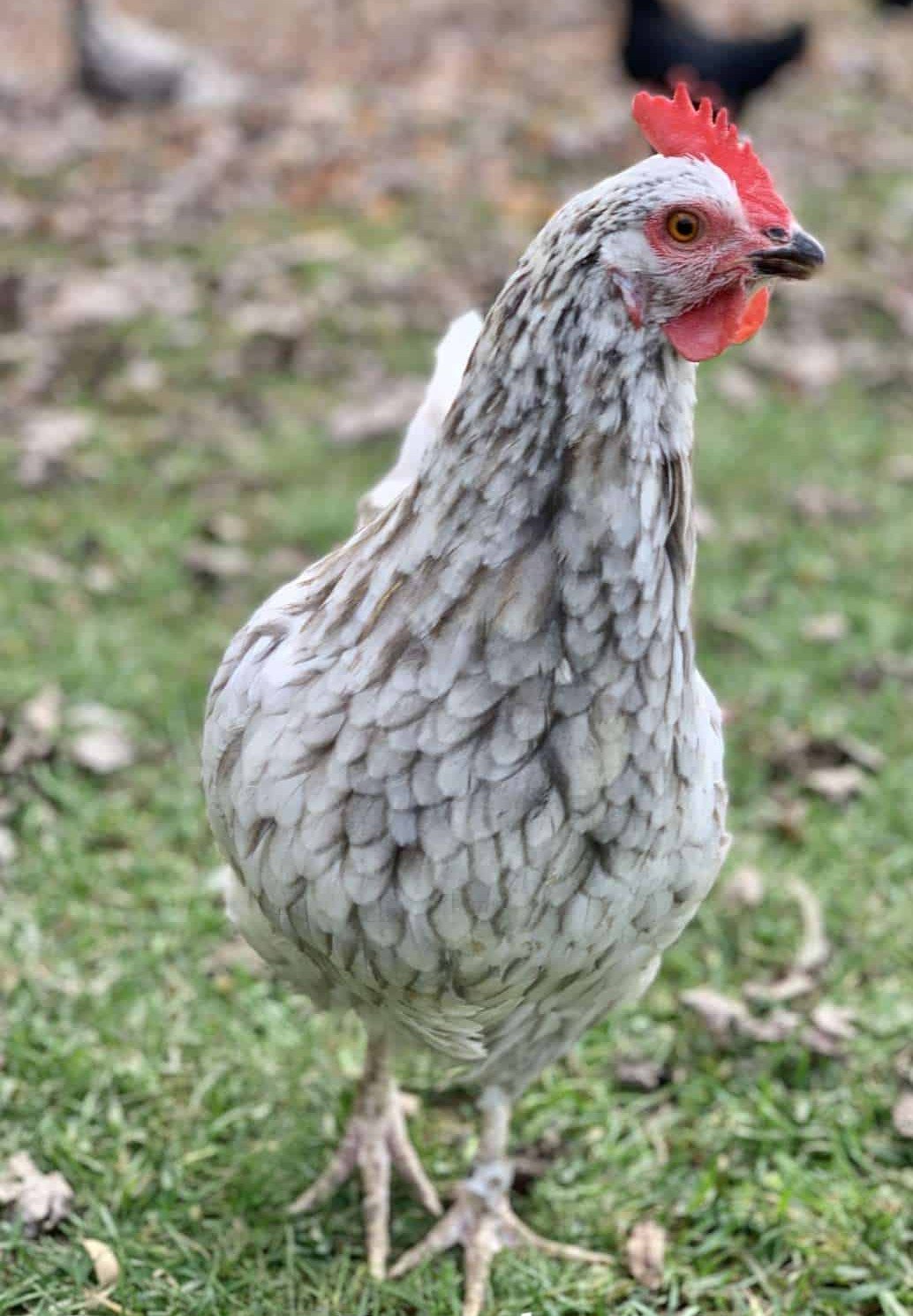
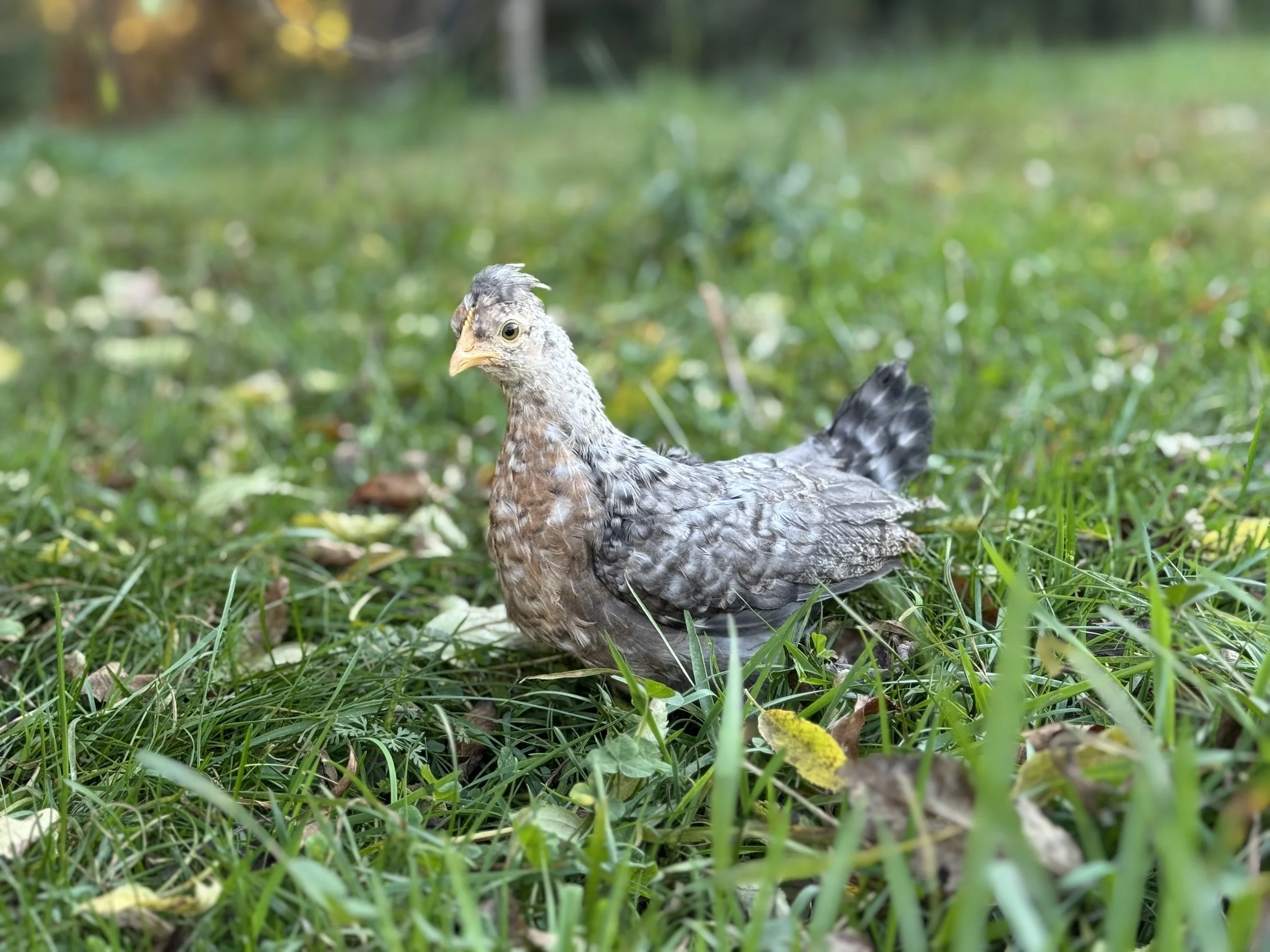
Cream Legbar Starter Pullet


-
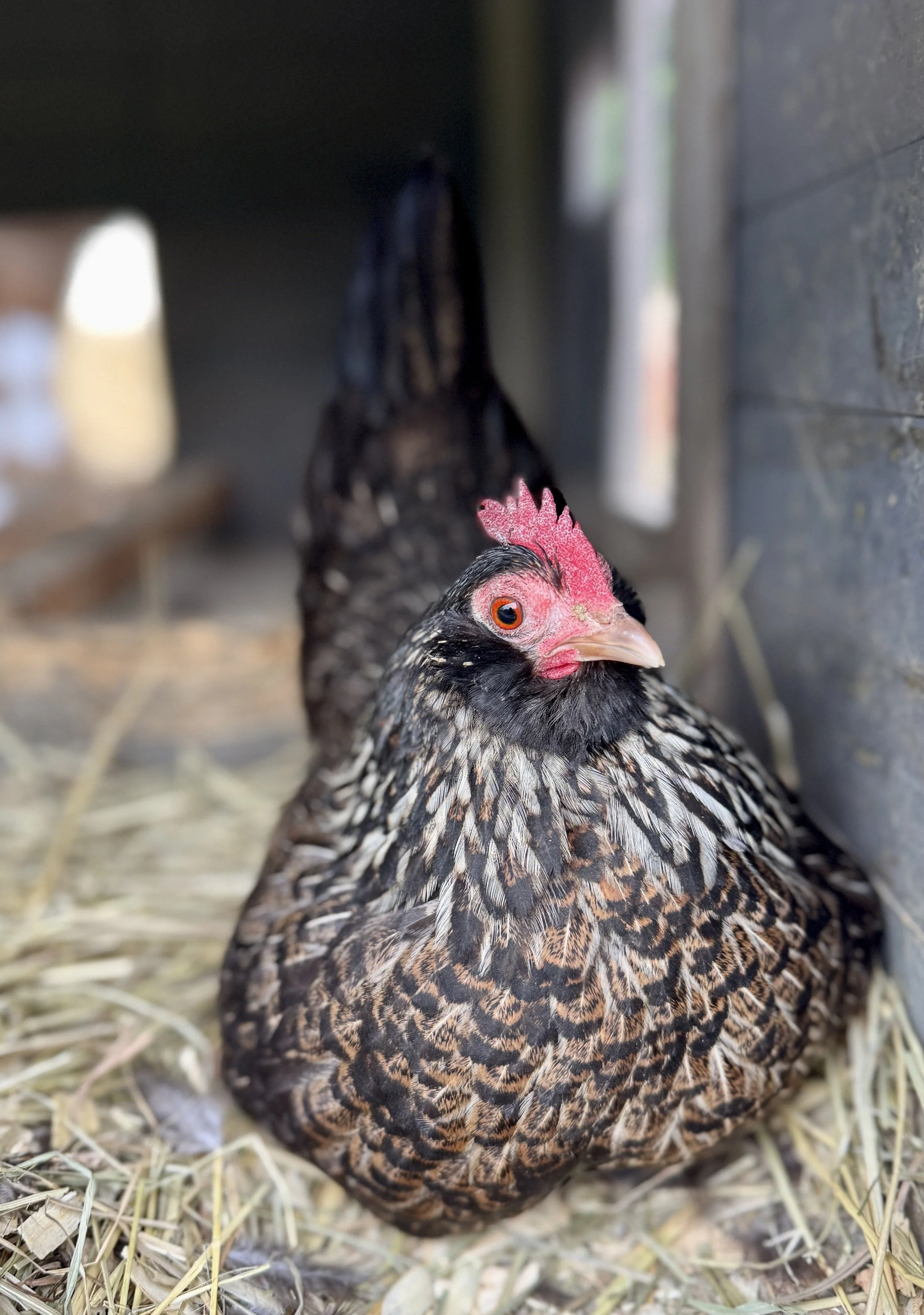
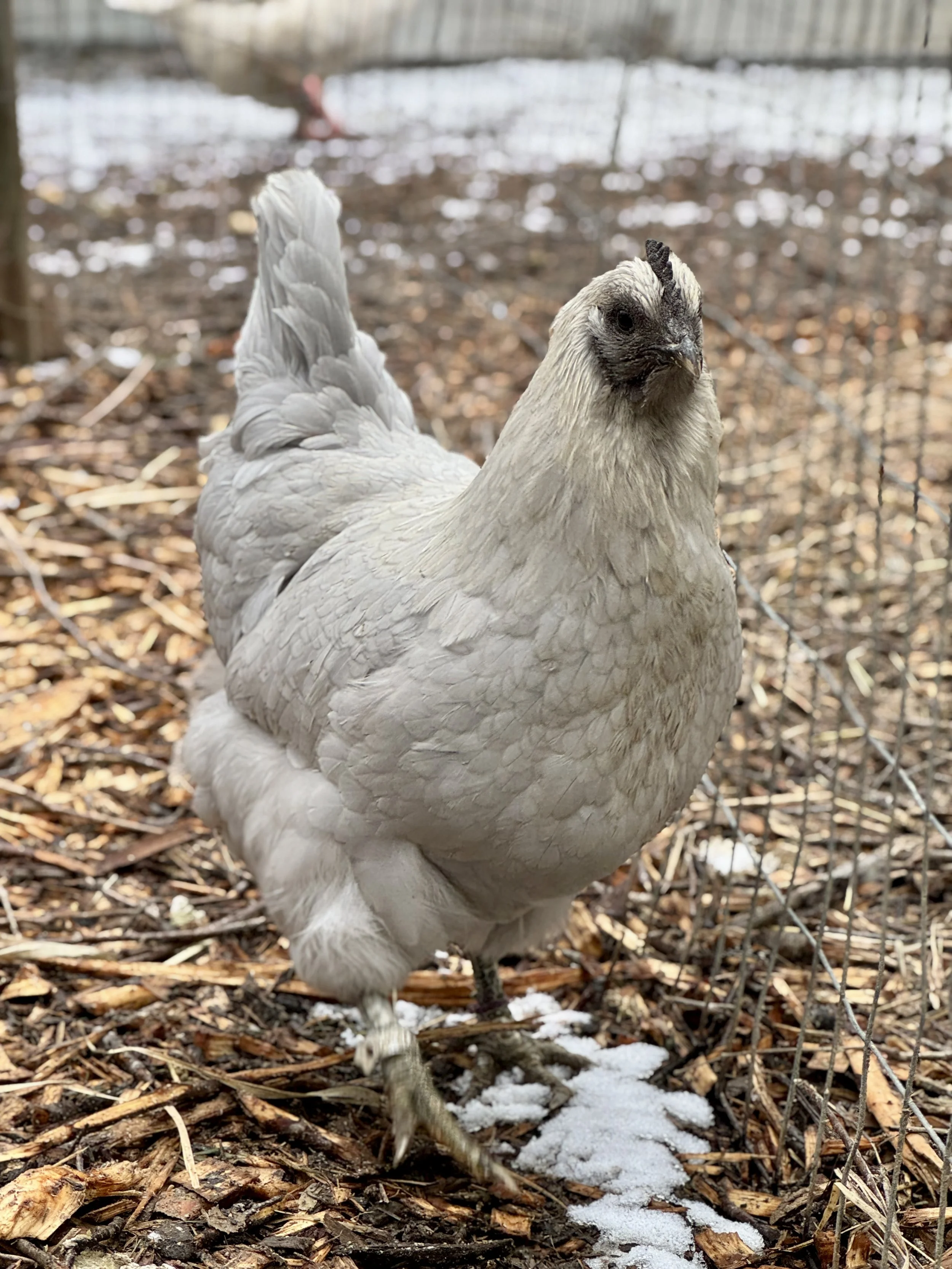
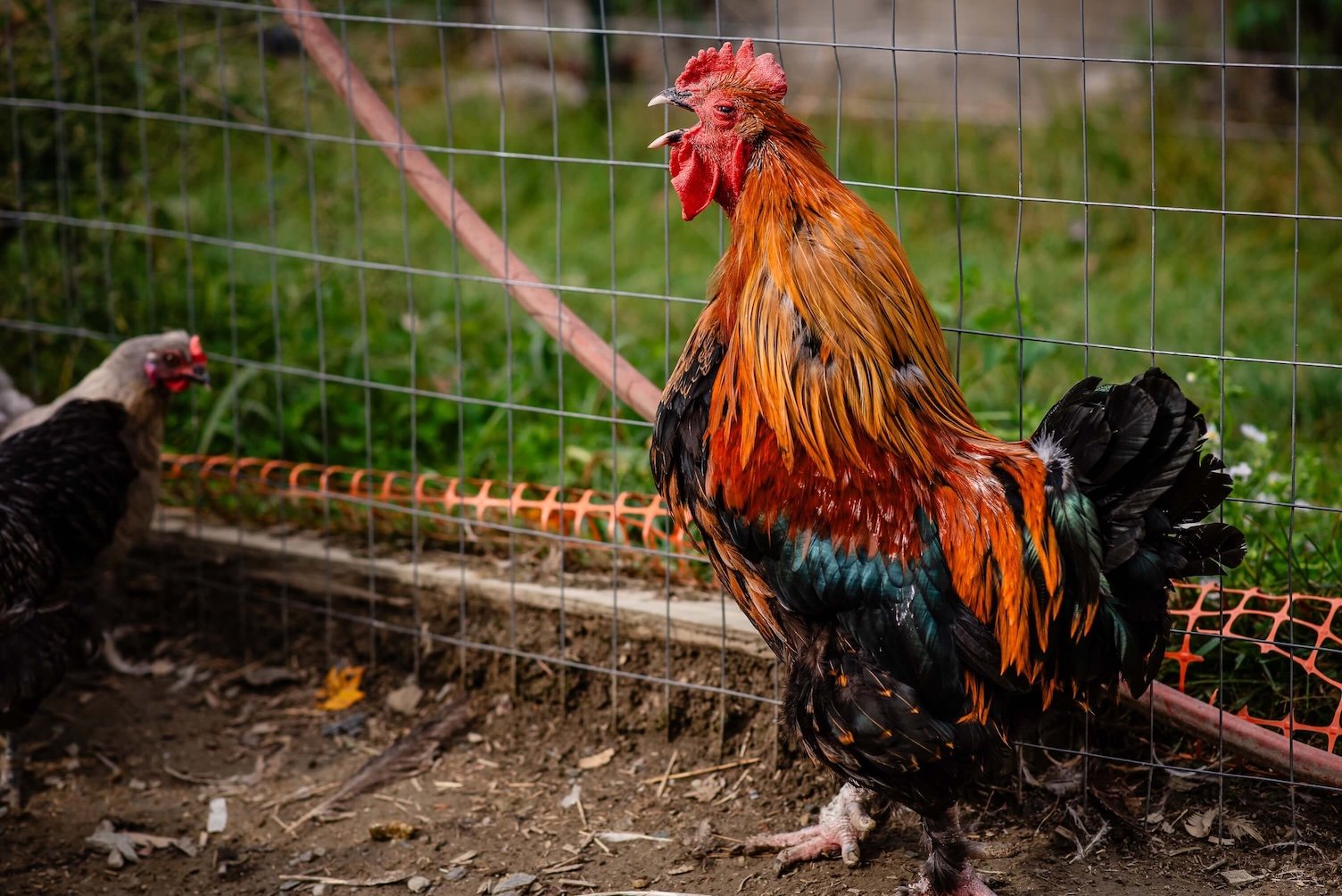
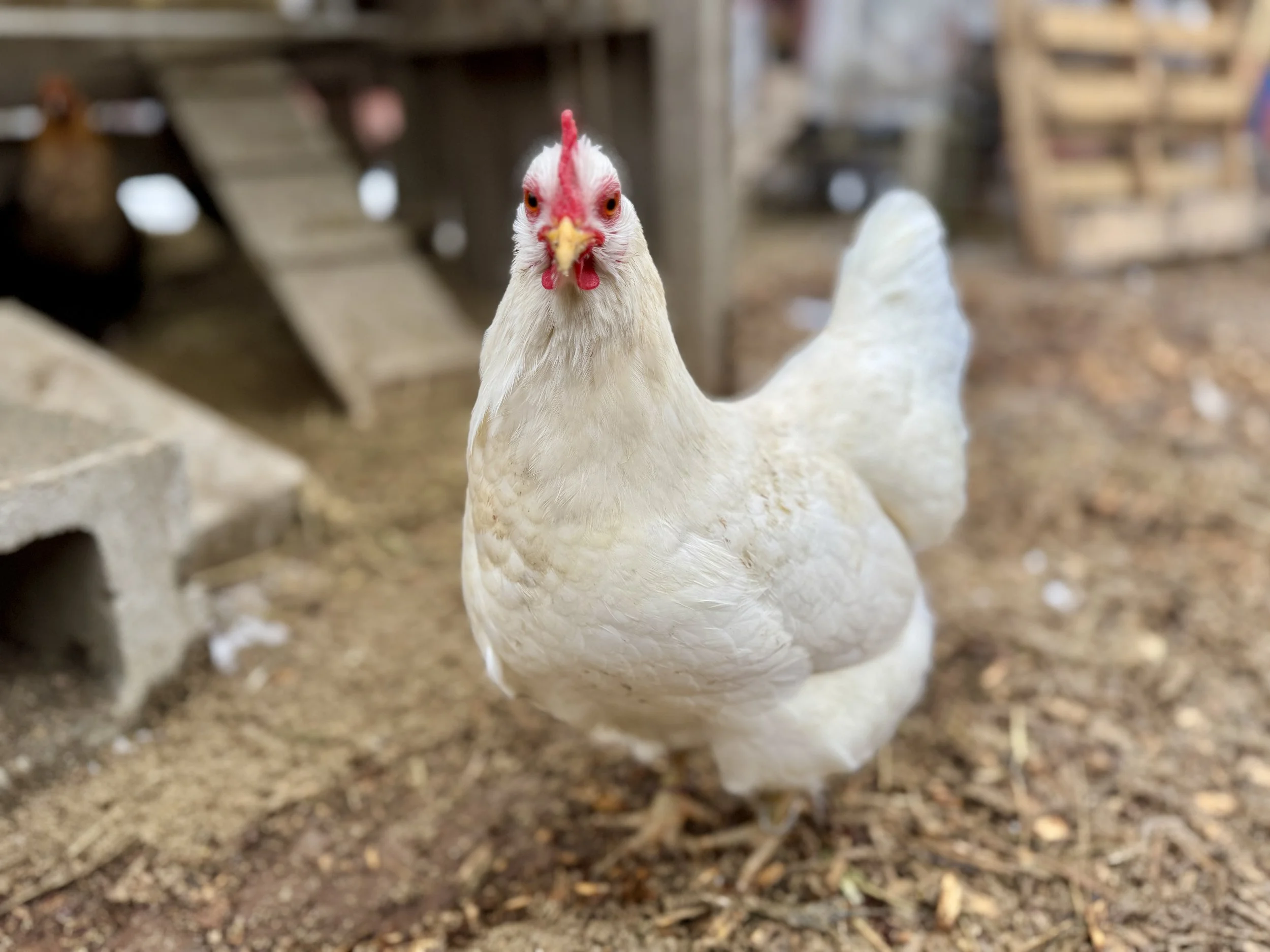
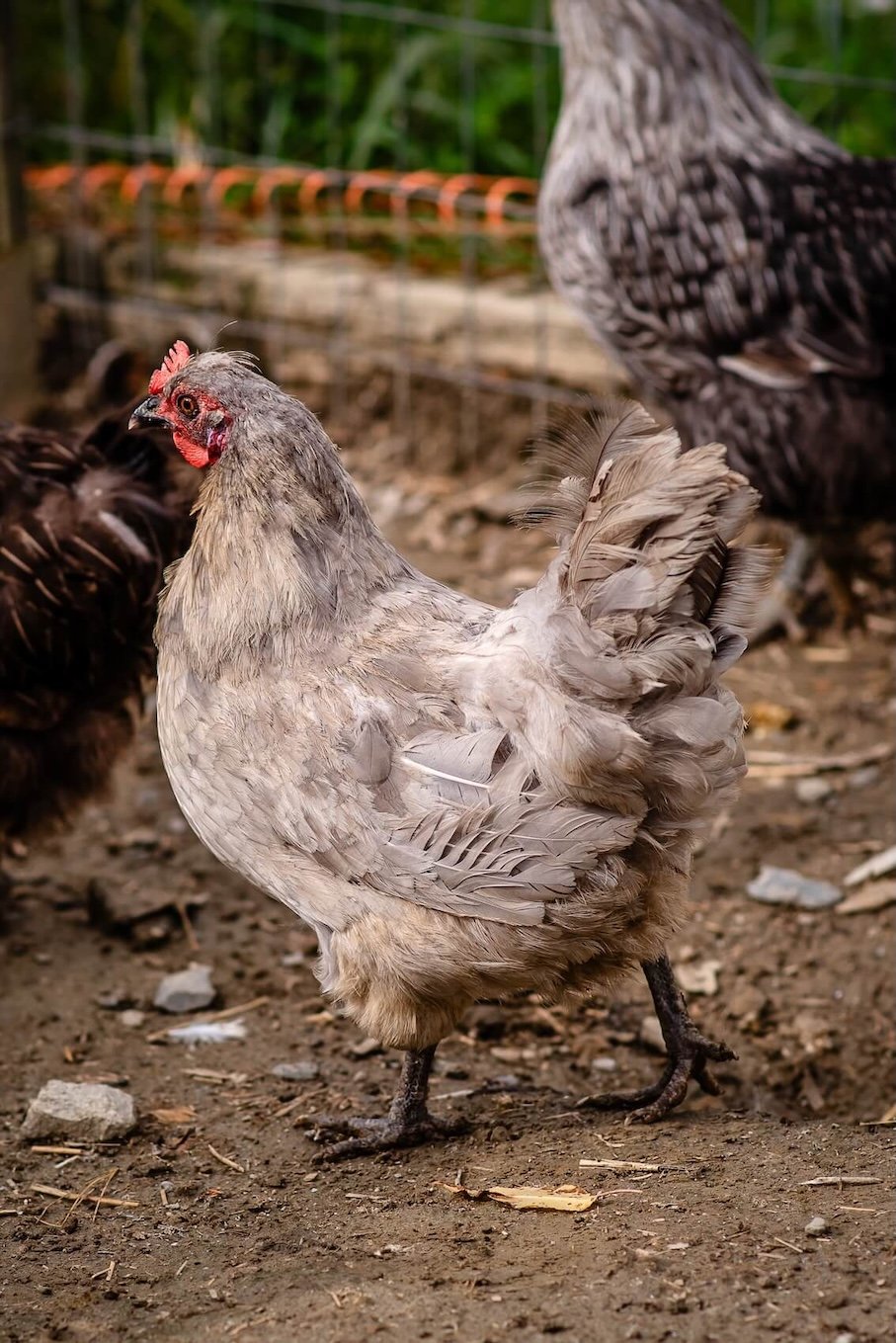
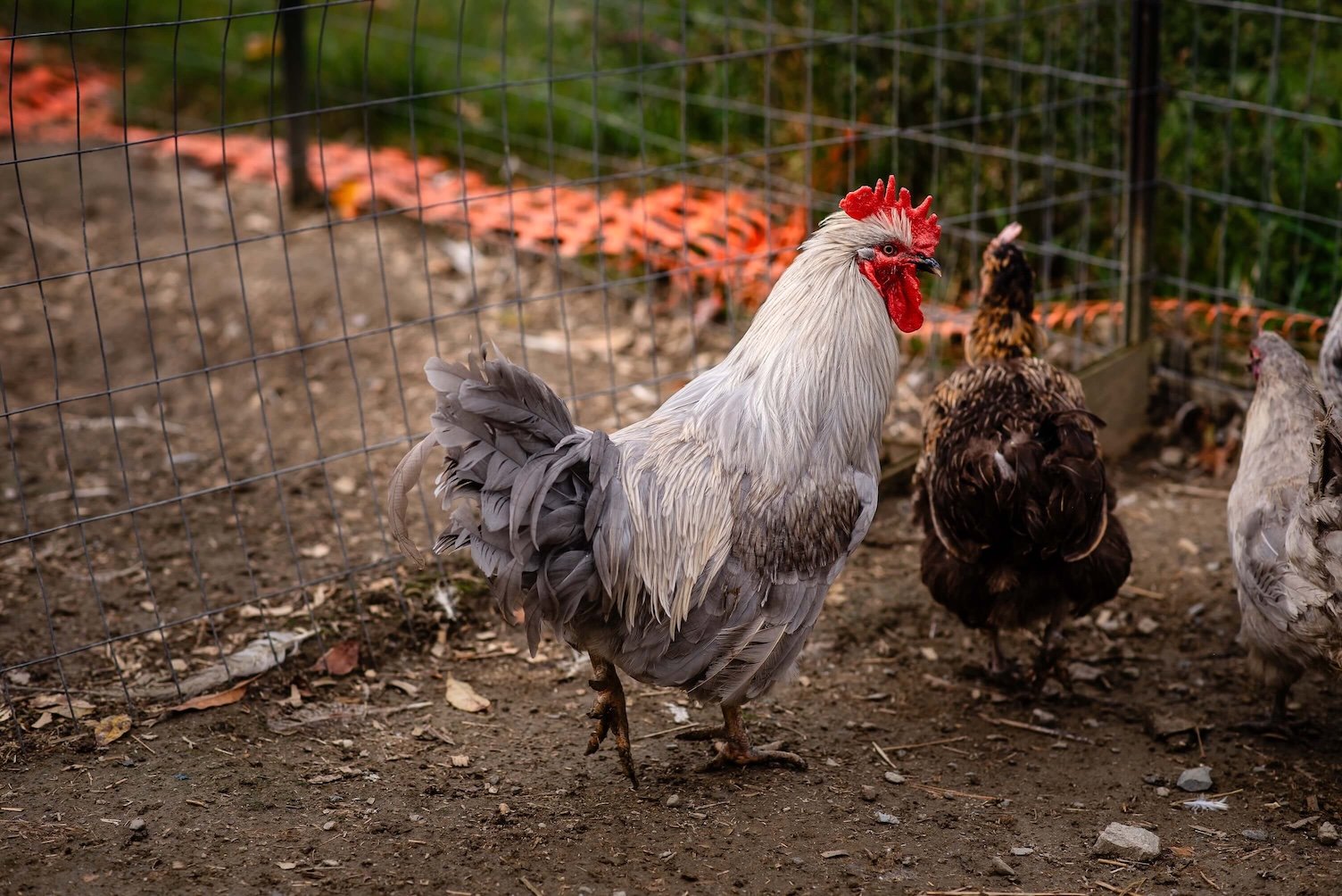
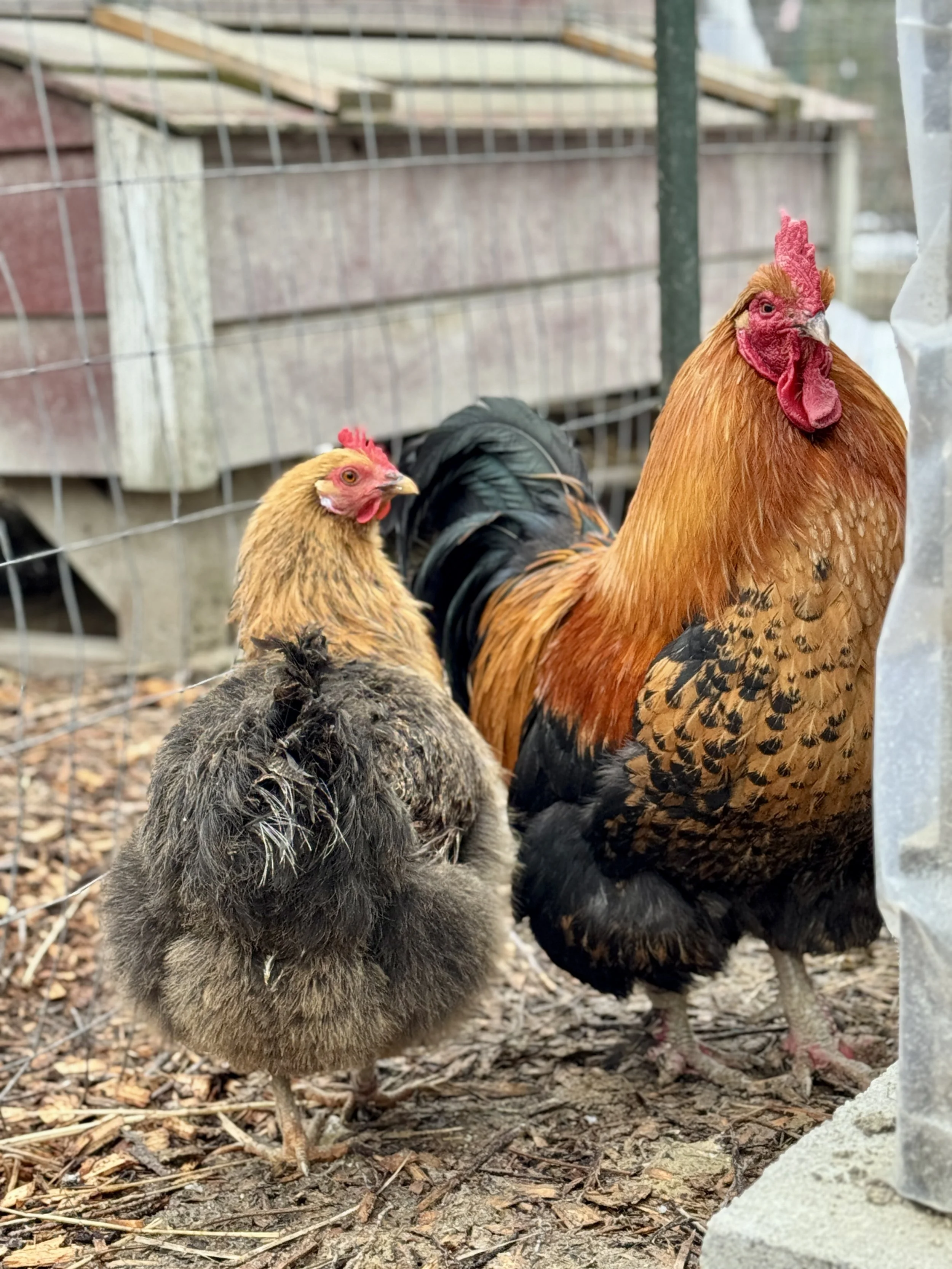
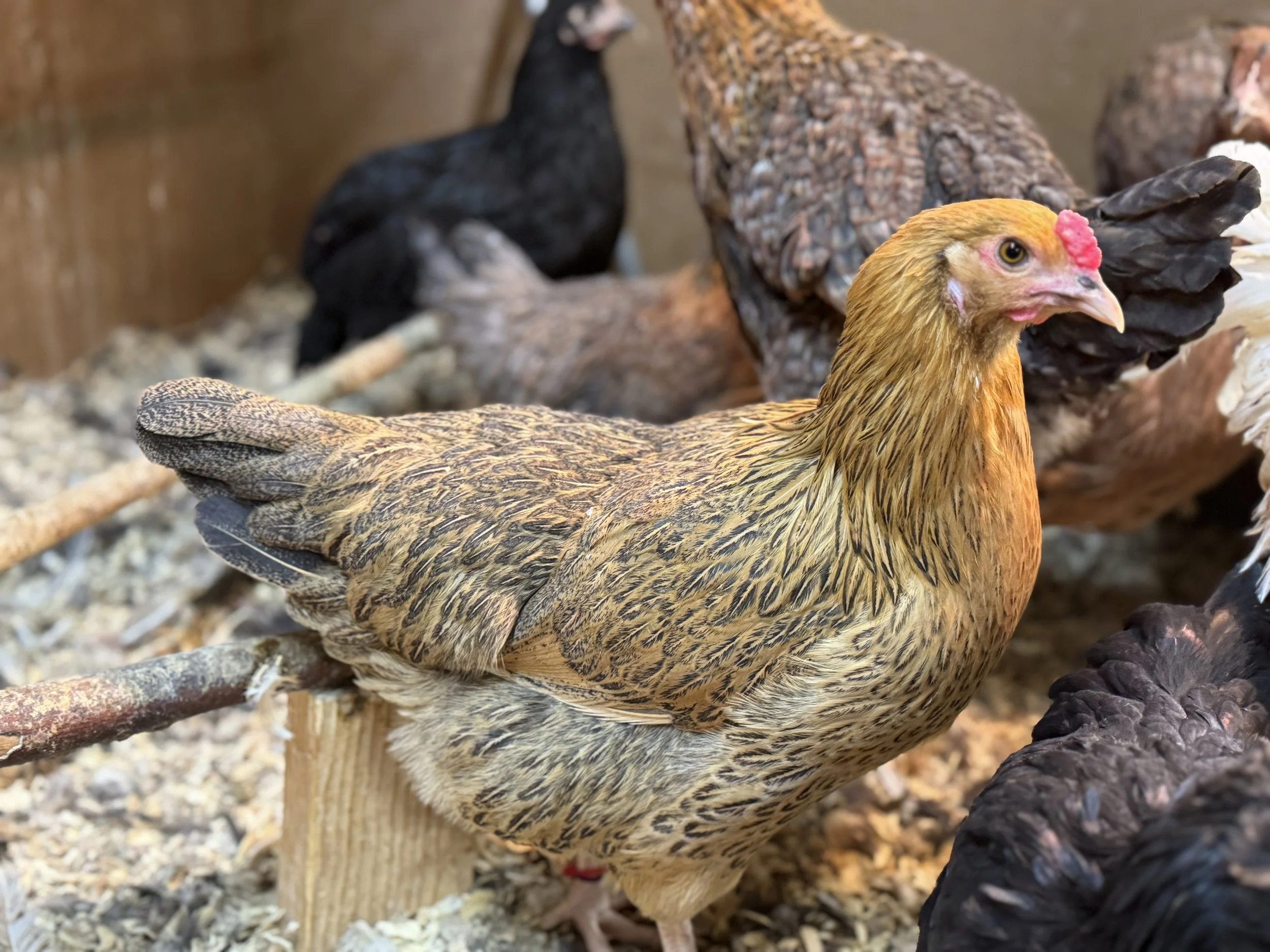
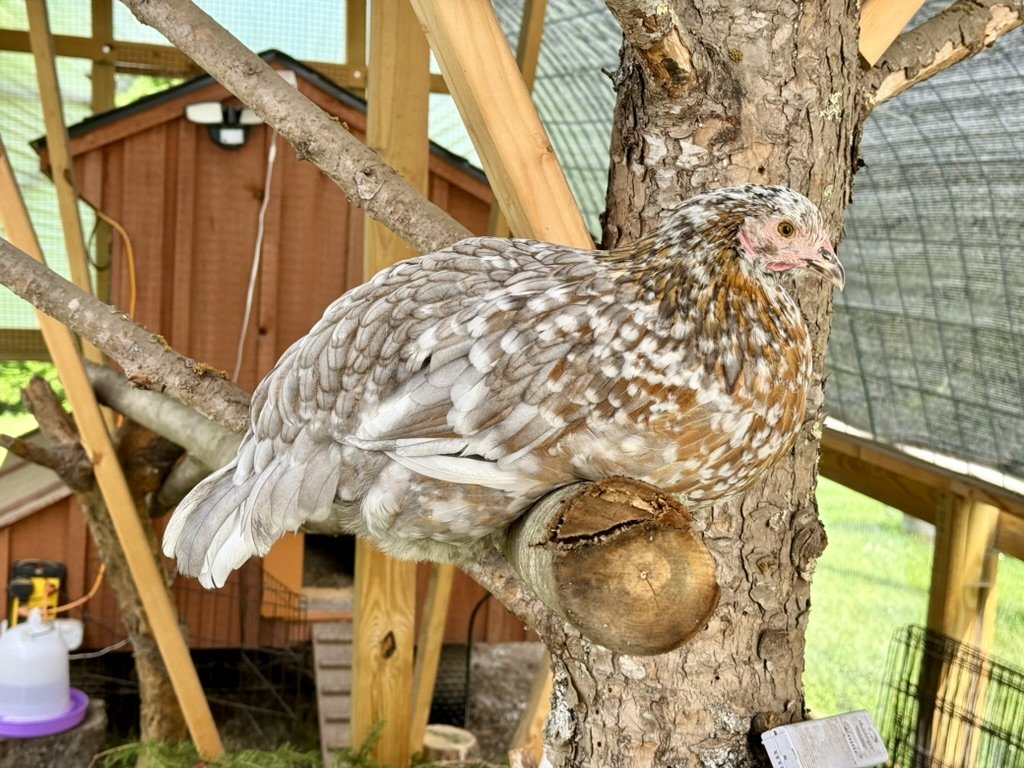
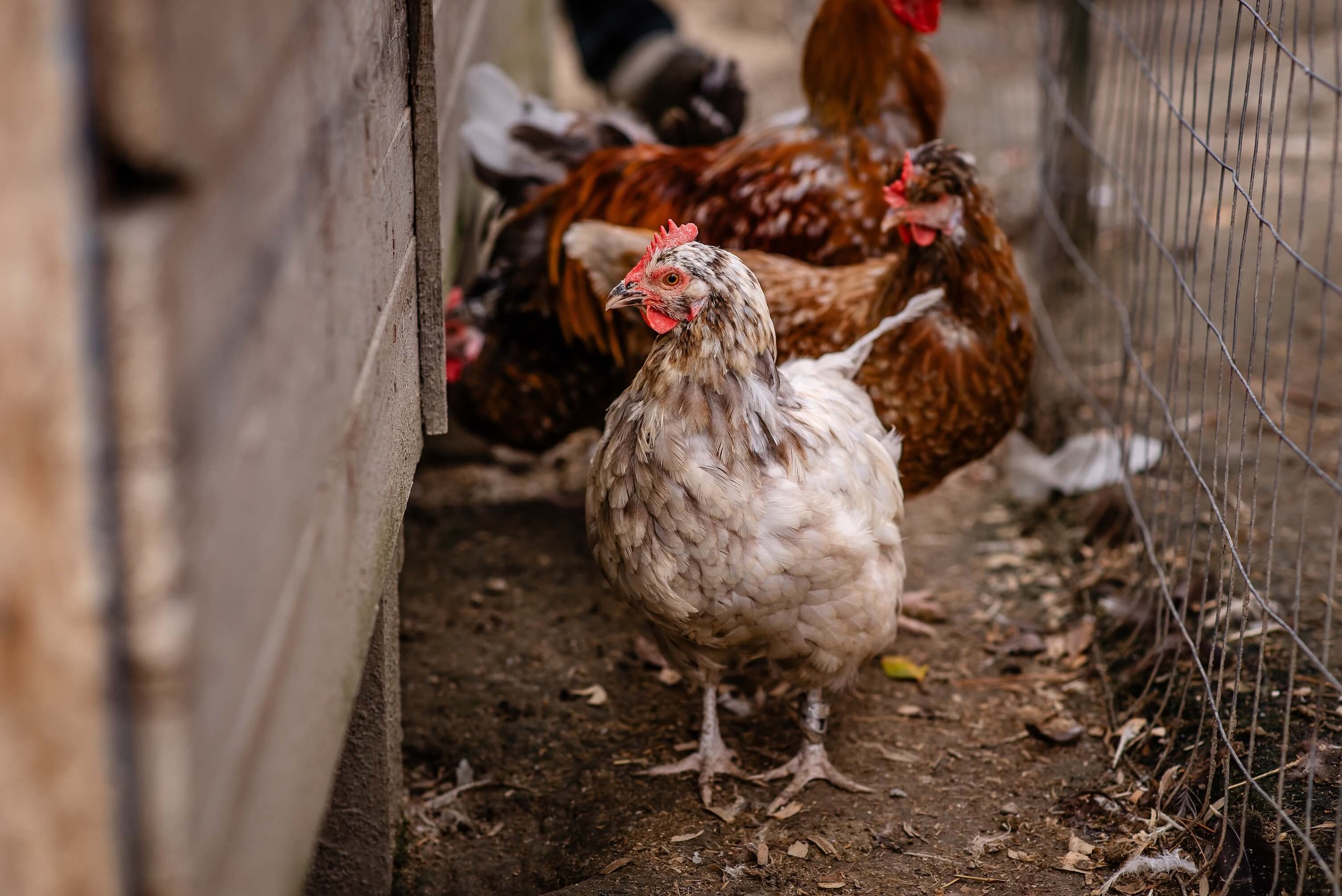
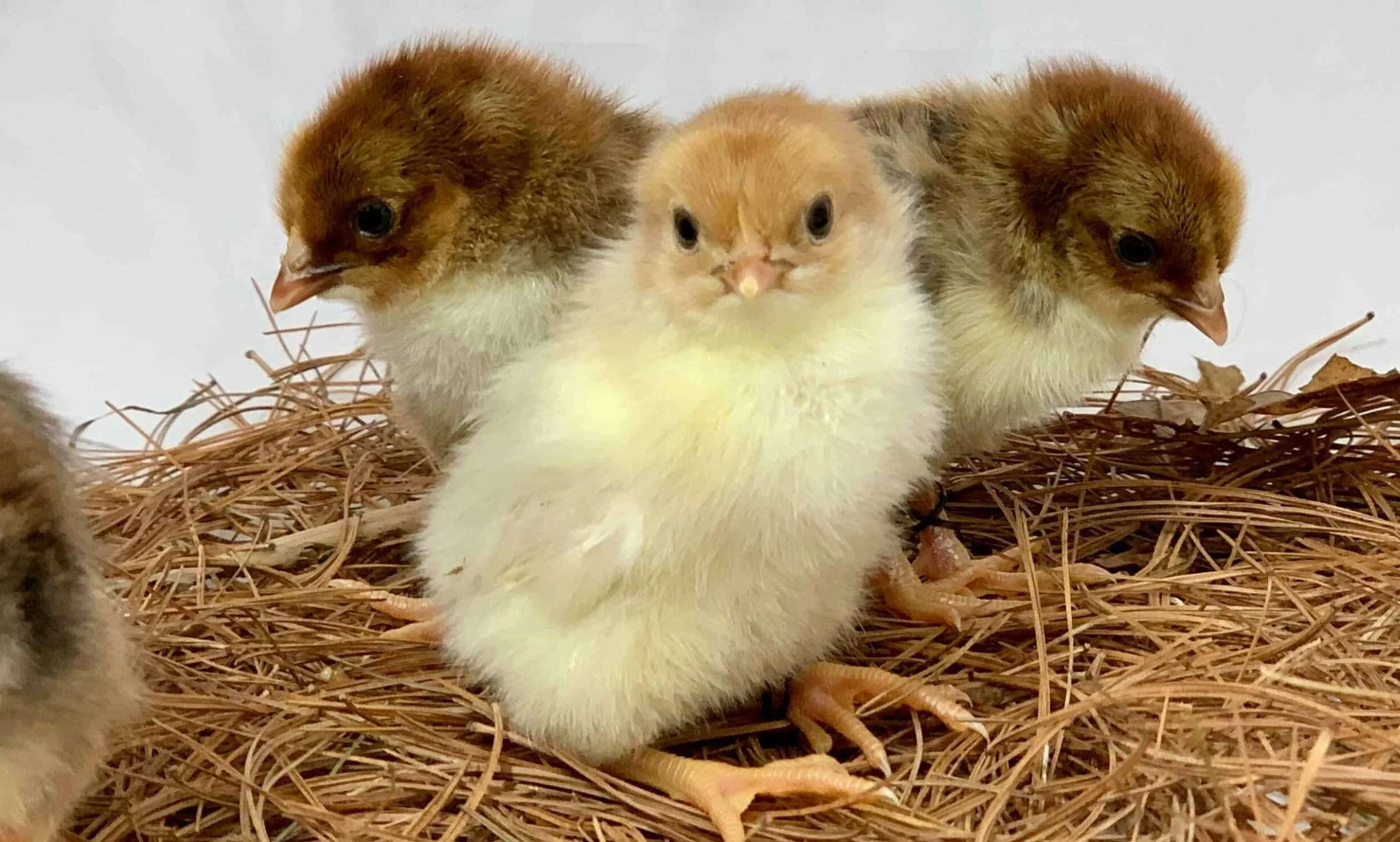
The Legbar Chicken is a rare and sought-after breed known for its unique traits and charm. Crested and autosexing, Legbars carry the blue-egg gene and produce beautiful blue eggs. They are friendly, excellent foragers, and adapt well to both free-range environments and small yards or runs. What makes them especially appealing is their ability to be sexed at birth, making them ideal for a self-sustaining flock.
Some hens may go broody, and they are excellent mothers, perfect for naturally hatching and raising chicks.
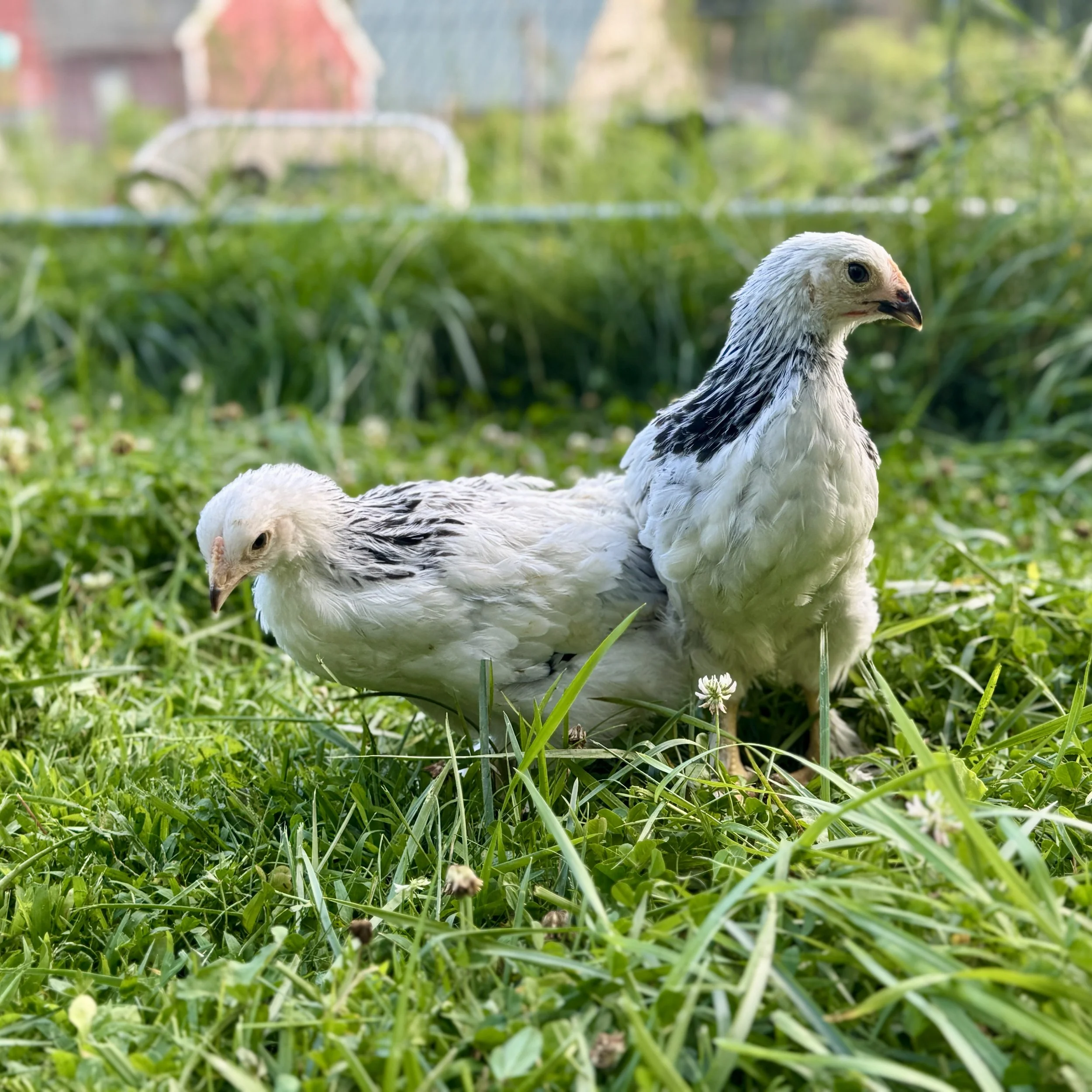
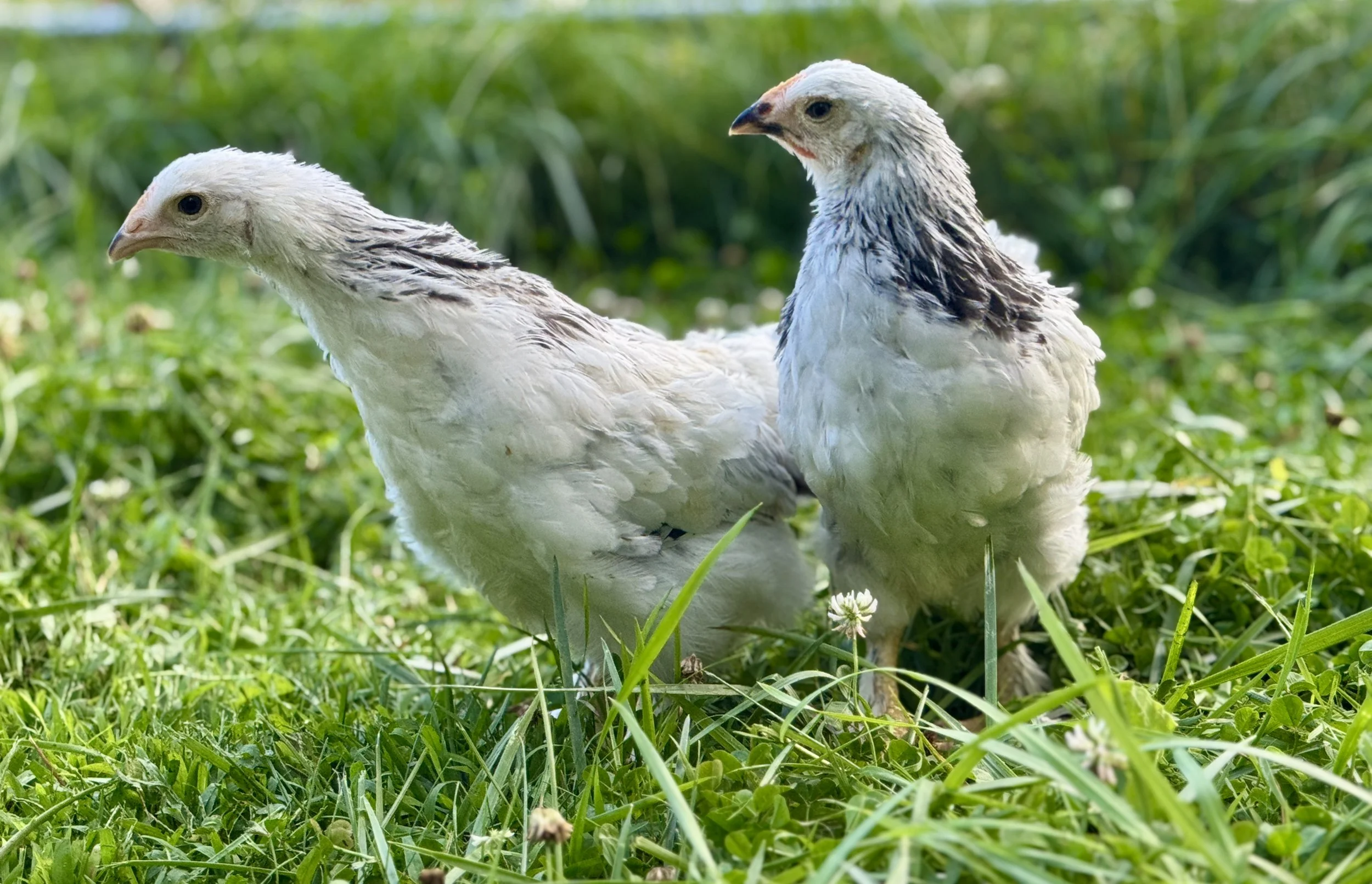
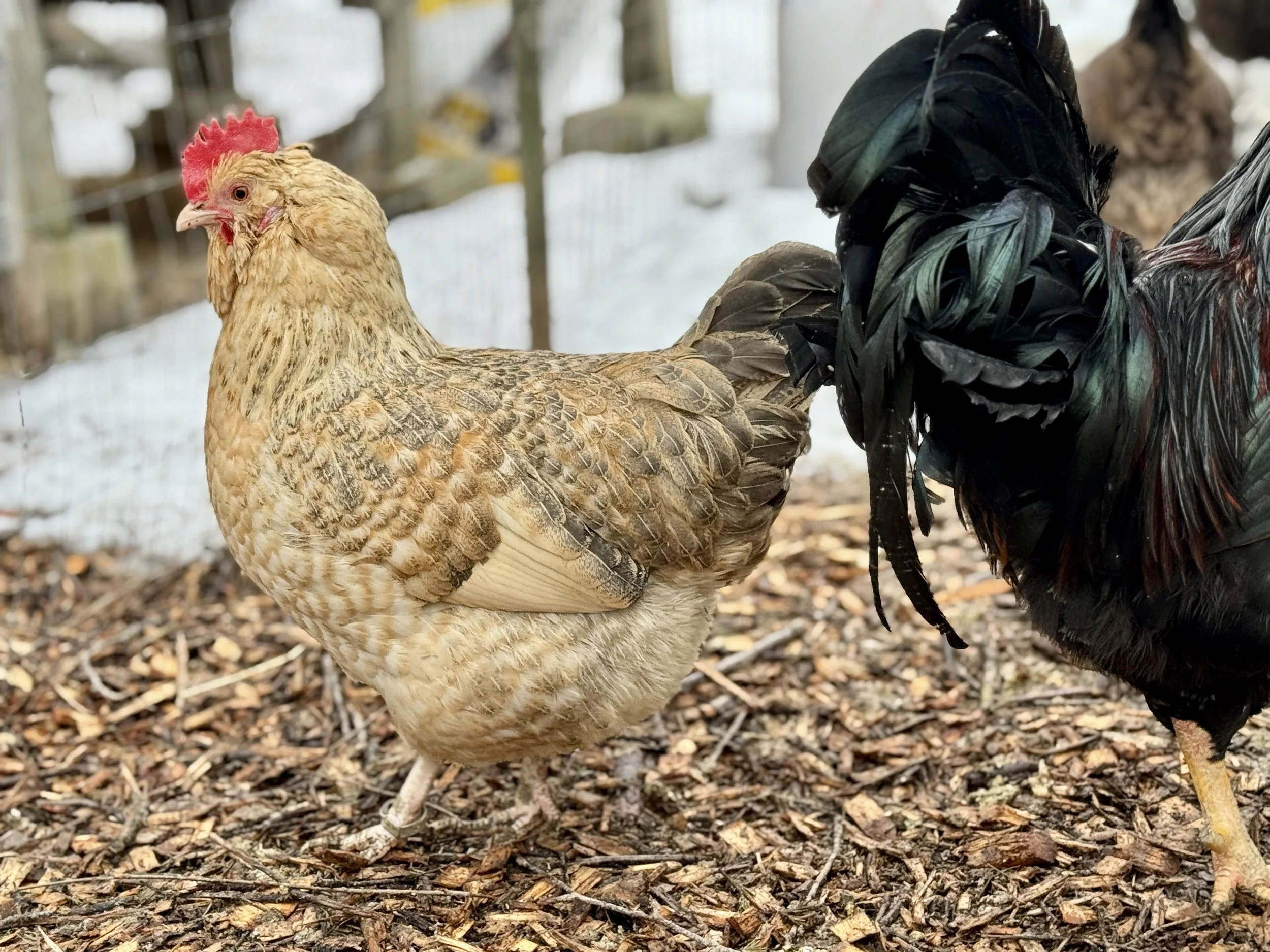
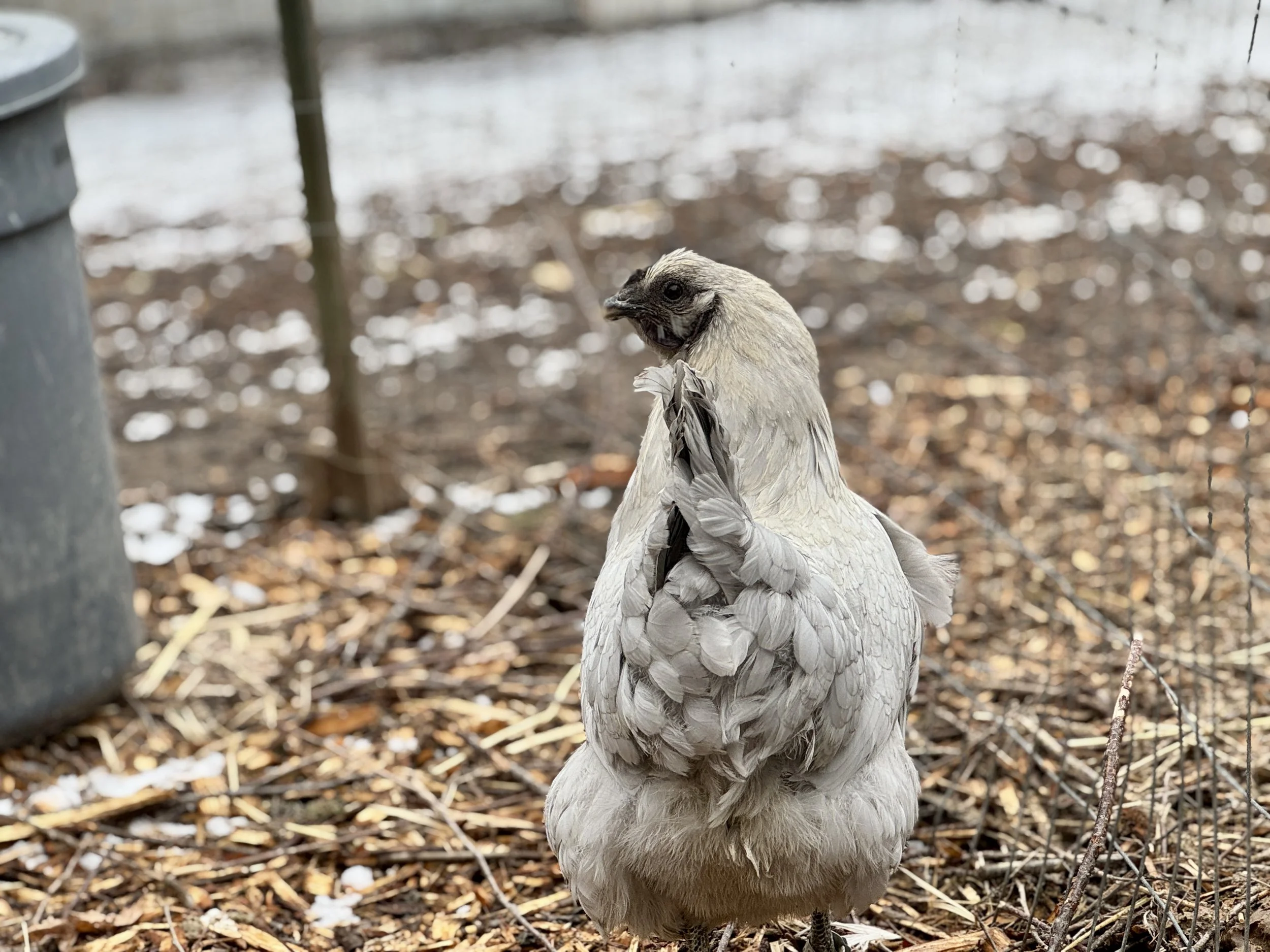
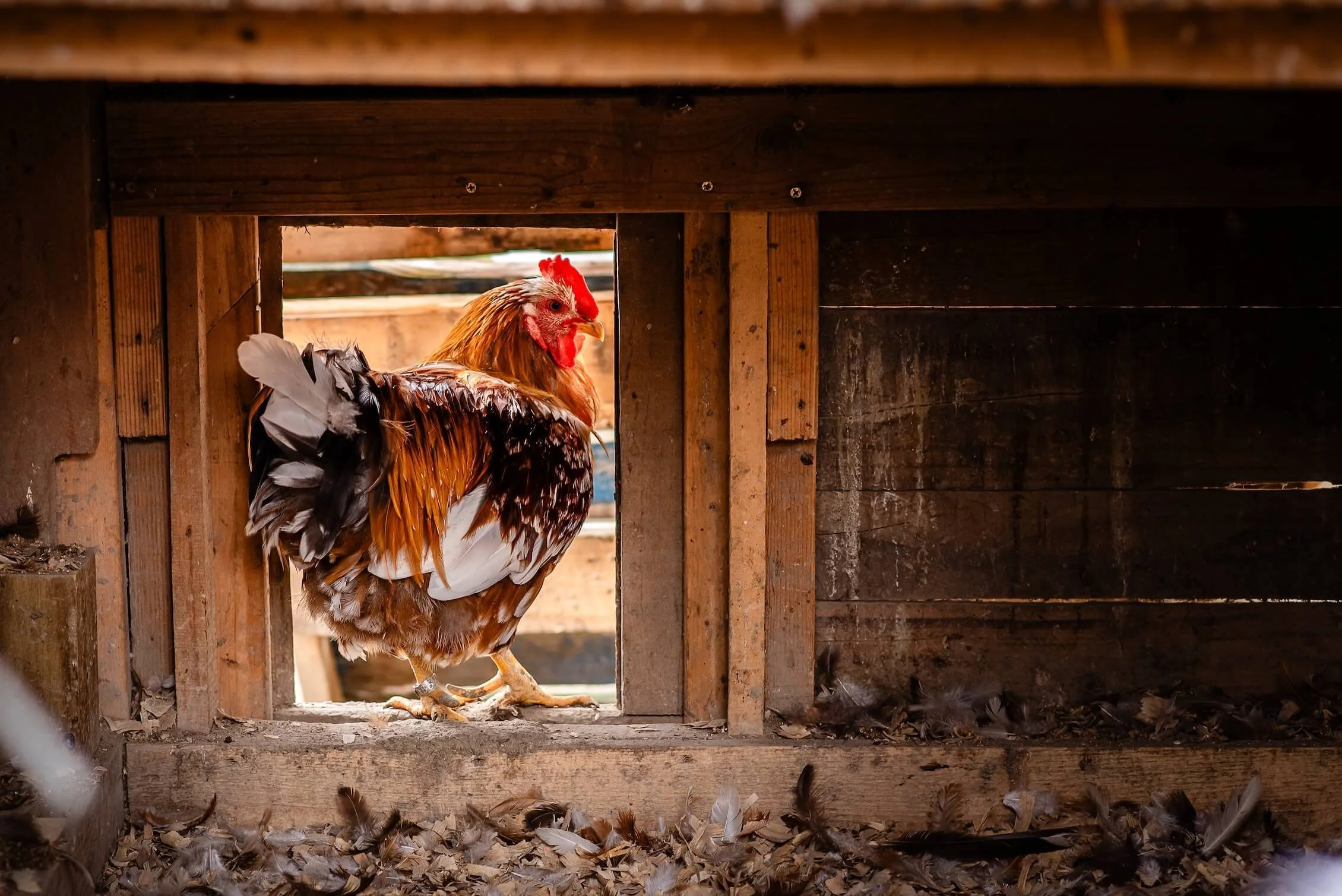
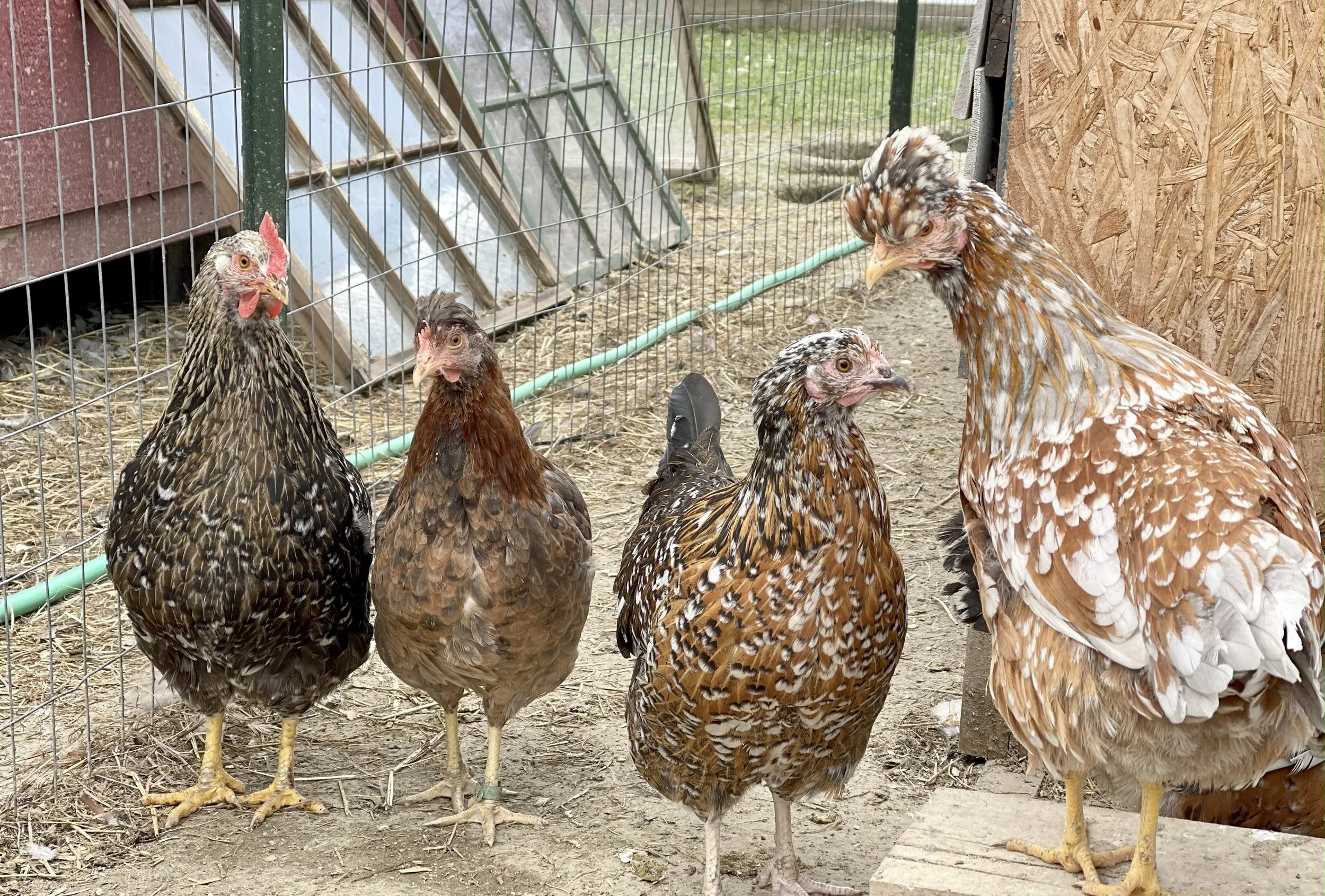
Medium-sized with crests and floppy combs, Legbars have a striking crele feather pattern that adds to their appeal. Roosters are equally stunning, with vibrant plumage and a protective nature. Legbars come in several color varieties, including Cream, Golden Crele, and White.
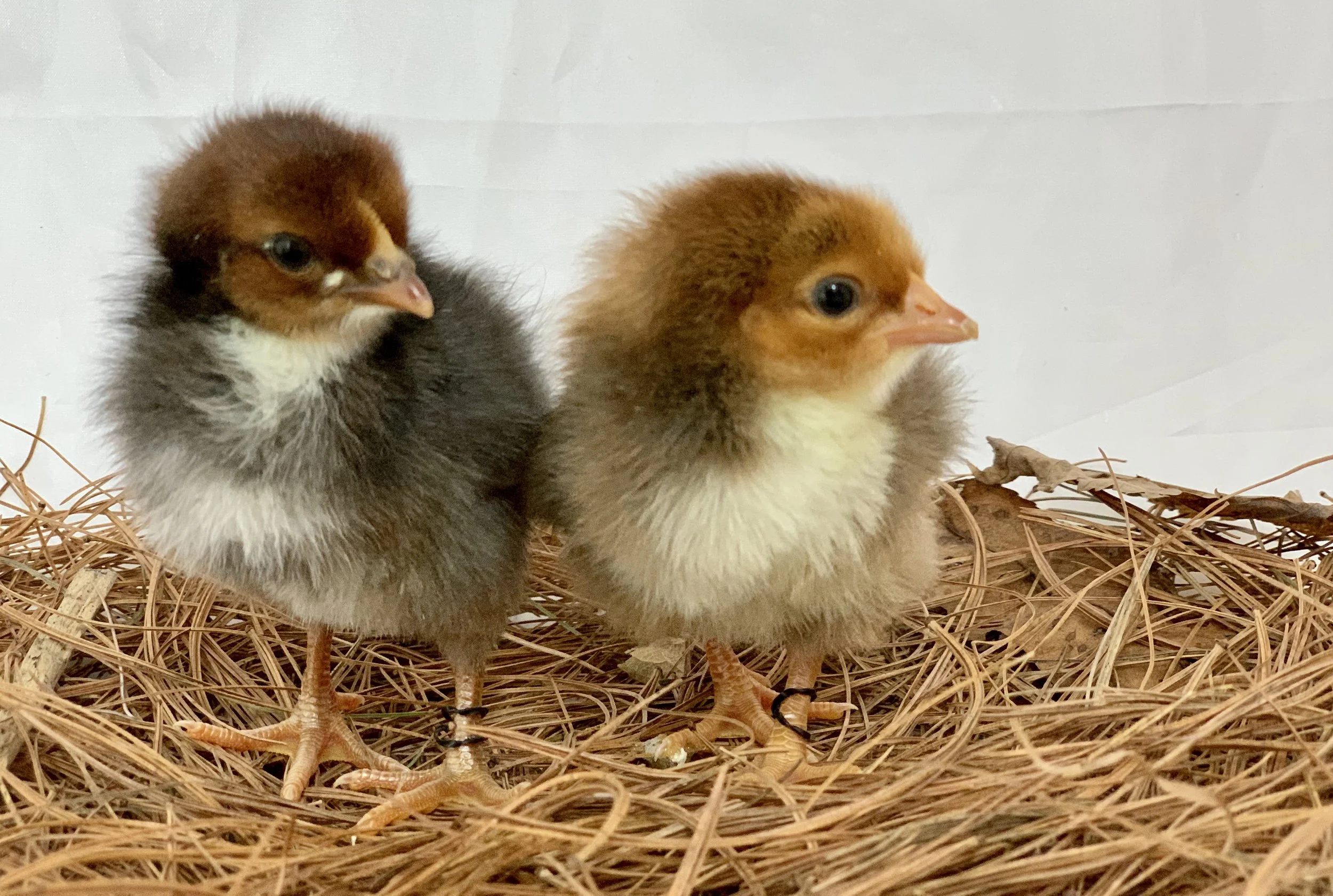
Legbars offer a significant advantage over sex-linked chickens. While sex-linked birds lose their visual sexing ability after the first generation, Legbars can produce sexed chicks for generations, allowing you to maintain a self-sustaining flock. Their great feed-to-egg production ratio and beautiful appearance make them both practical and delightful for chicken enthusiasts.
-
Cream Legbars are a popular choice for customers looking for colorful eggs without sacrificing productivity.
Breed highlights include:
Consistent blue egg production
Hardy in both cold and warm climates
Excellent free-range and foraging ability
Generally friendly and manageable temperament
Low broodiness compared to some other breeds
They integrate well into mixed flocks of standard-size chickens.
-
The Cream Legbar was presented at the 1947 London Dairy Show as a new breed of cream colored autosexing chicken, friendly in temperament, and prolific layer of blue eggs. The recessive nature of the cream color, the dominate blue egg color, and the crest which sets this breed apart from its similar Legbar relations was discovered in genetic experimentation performed by Professors R.C. Punnett and Michael Pease.
Professor Punnett received blue egg laying crested Chilean hens from botanist Clarence Elliott in 1929. One of these hens led to Professor Punnett’s monumental discovery of the recessive cream color in poultry in 1931. Professor Punnett experimented with these birds at the University of Cambridge to create crested blue egg layers with the heartiness, production, plumage pattern, and type of the Danish Brown Leghorns he used, except with cream replacing the gold coloring.
Later Professor Pease performed his own breeding experiments using Gold Legbars and an inbred UK type White Leghorn from Reaseheath College in Cheshire, England, which also resulted in a number of cream colored birds.
Professors Pease and Punnett bred their cream birds together to see if they had stumbled upon the same cream gene, proving it upon the hatching of all cream offspring. Descendants of these birds were selected for straight single combs, crests, production blue egg laying, and the remarkable autosexing feature that allowed the sexes to be identified at hatch. These qualities were stabilized by 1947, and The Poultry Club of Great Britain adopted a written standard in May 1958.
-
Our Cream Legbar starter pullets are raised on our Non-GMO diet formulated to support steady growth and long-term health.
We recommend:
A quality Non-GMO grower feed until point of lay
Transitioning to a balanced layer feed once egg production begins
Free-choice grit for digestion
Clean, fresh water at all times
Optional supplements such as oil of oregano immune support may be used during periods of stress or transition.
Humane Steward™ Certified
This bird is raised under farmer-developed humane care standards focused on space, enrichment, respectful handling, and natural behaviors.