Image 1 of 12
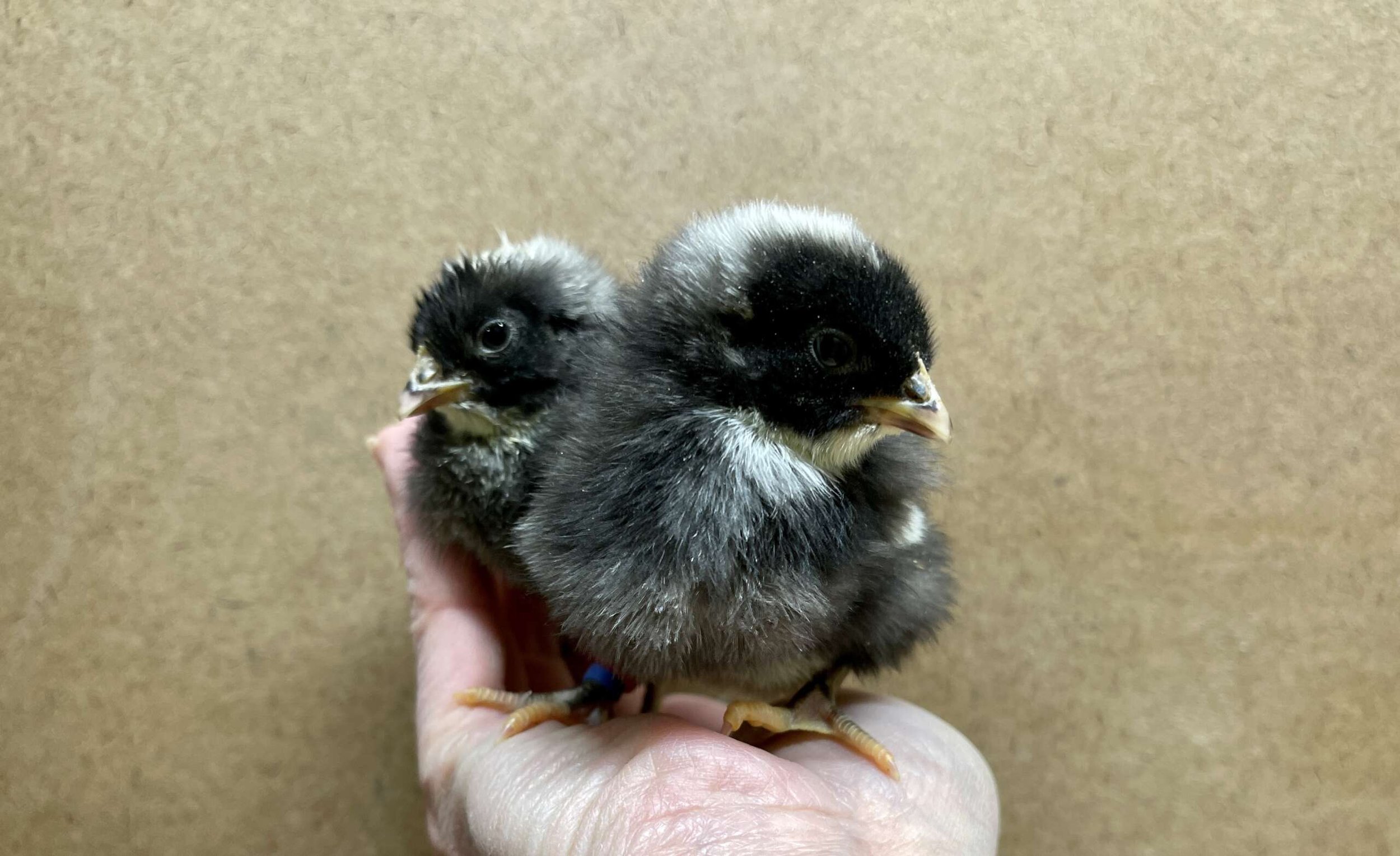 Image 2 of 12
 Image 3 of 12
 Image 4 of 12
 Image 5 of 12
 Image 6 of 12
 Image 7 of 12
 Image 8 of 12
 Image 9 of 12
Image 10 of 12
Image 9 of 12
Image 10 of 12
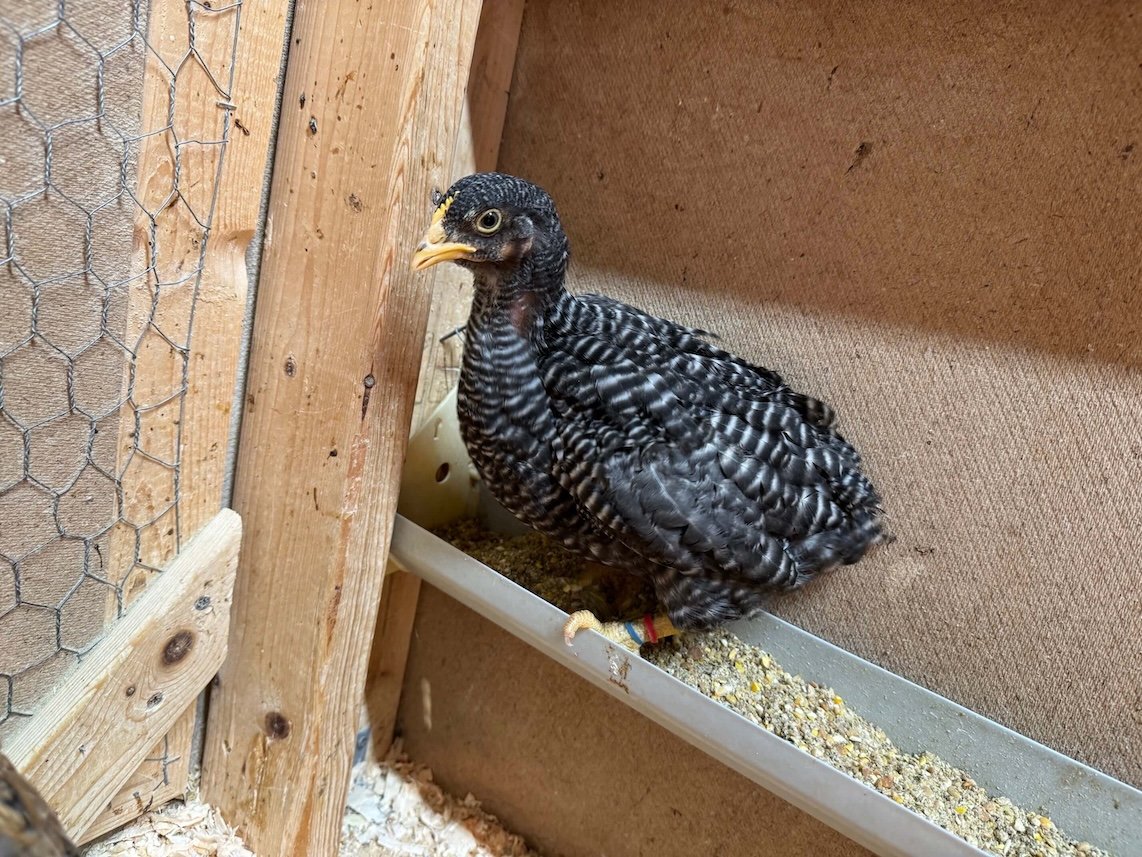 Image 11 of 12
 Image 12 of 12
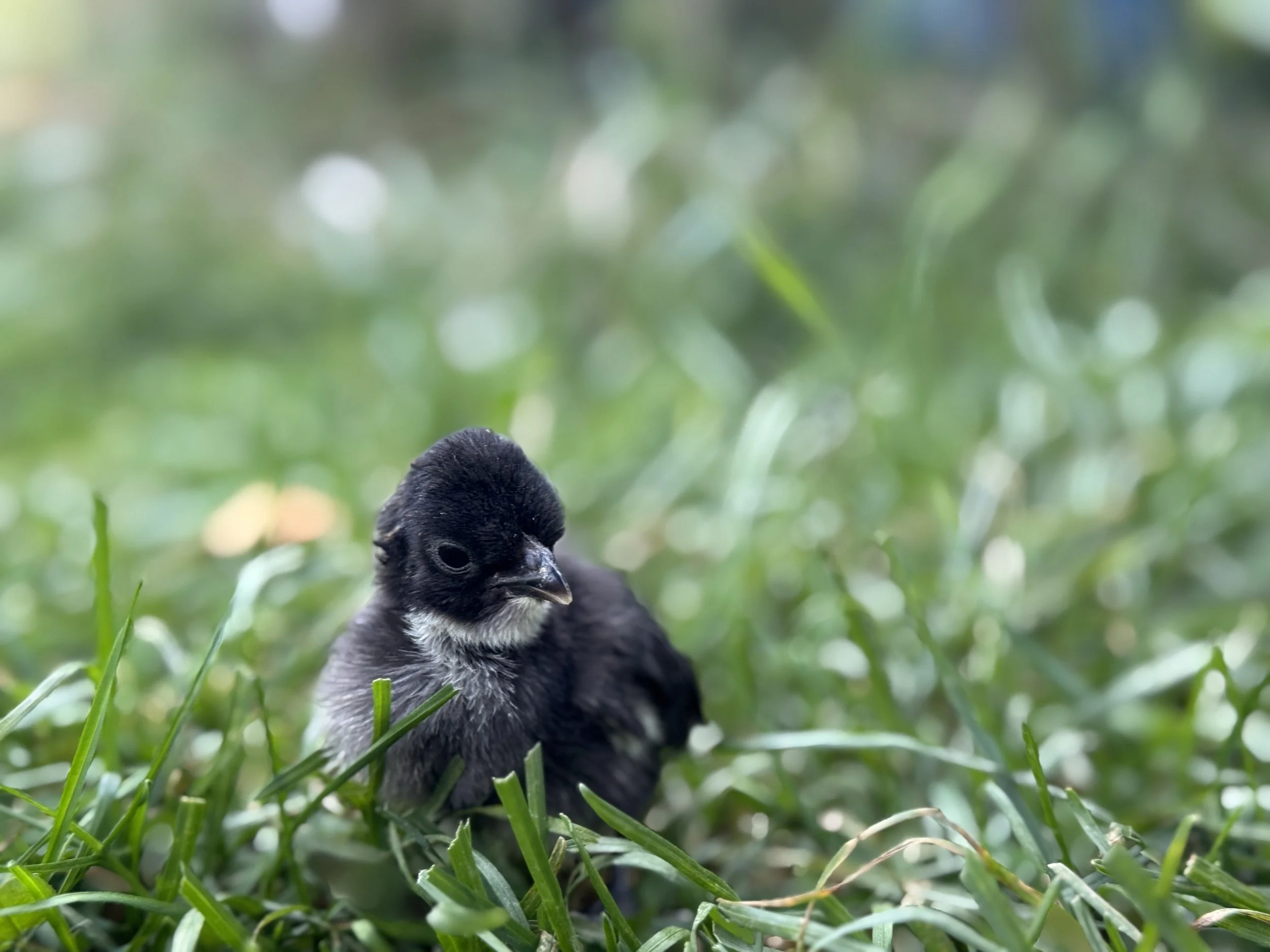
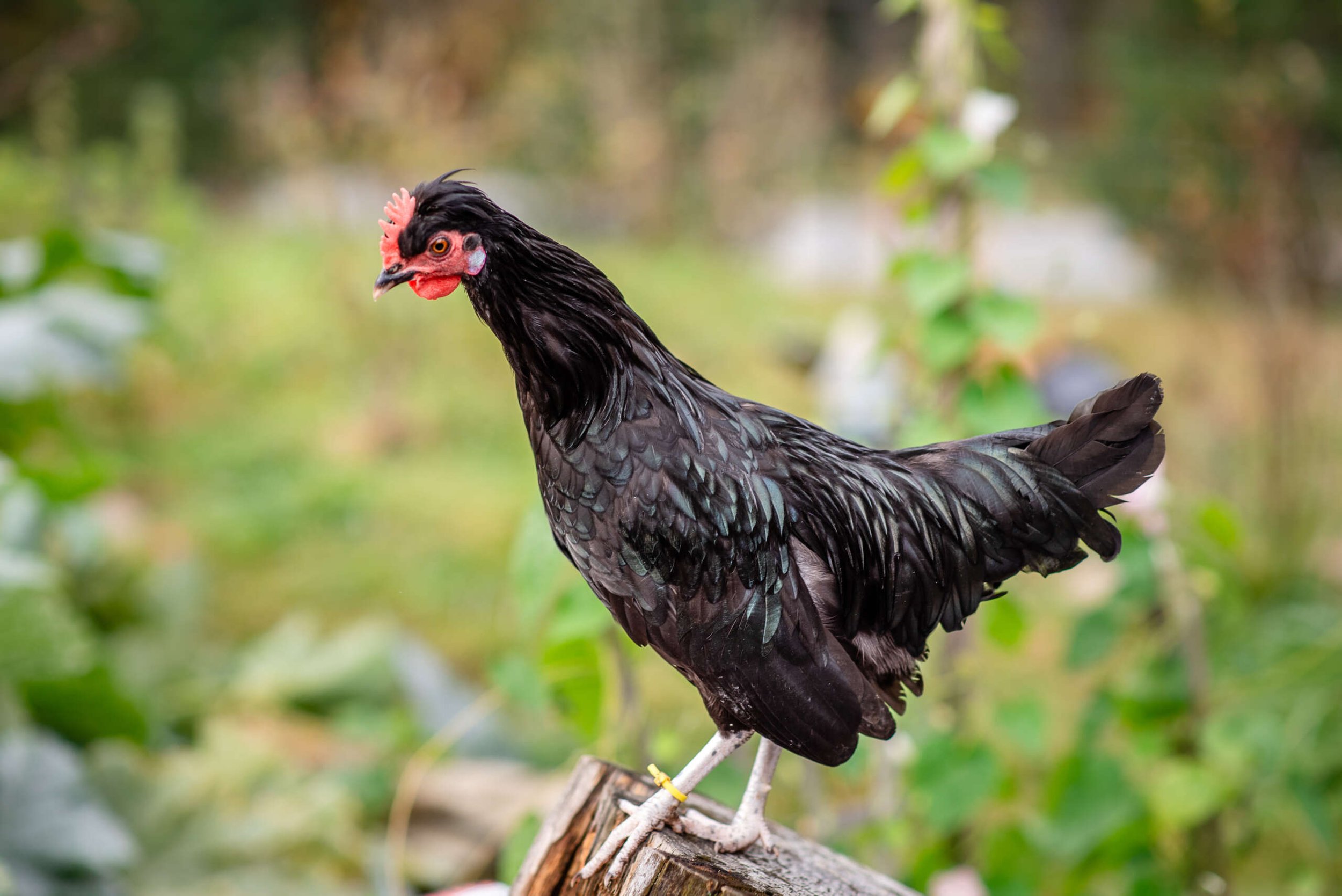
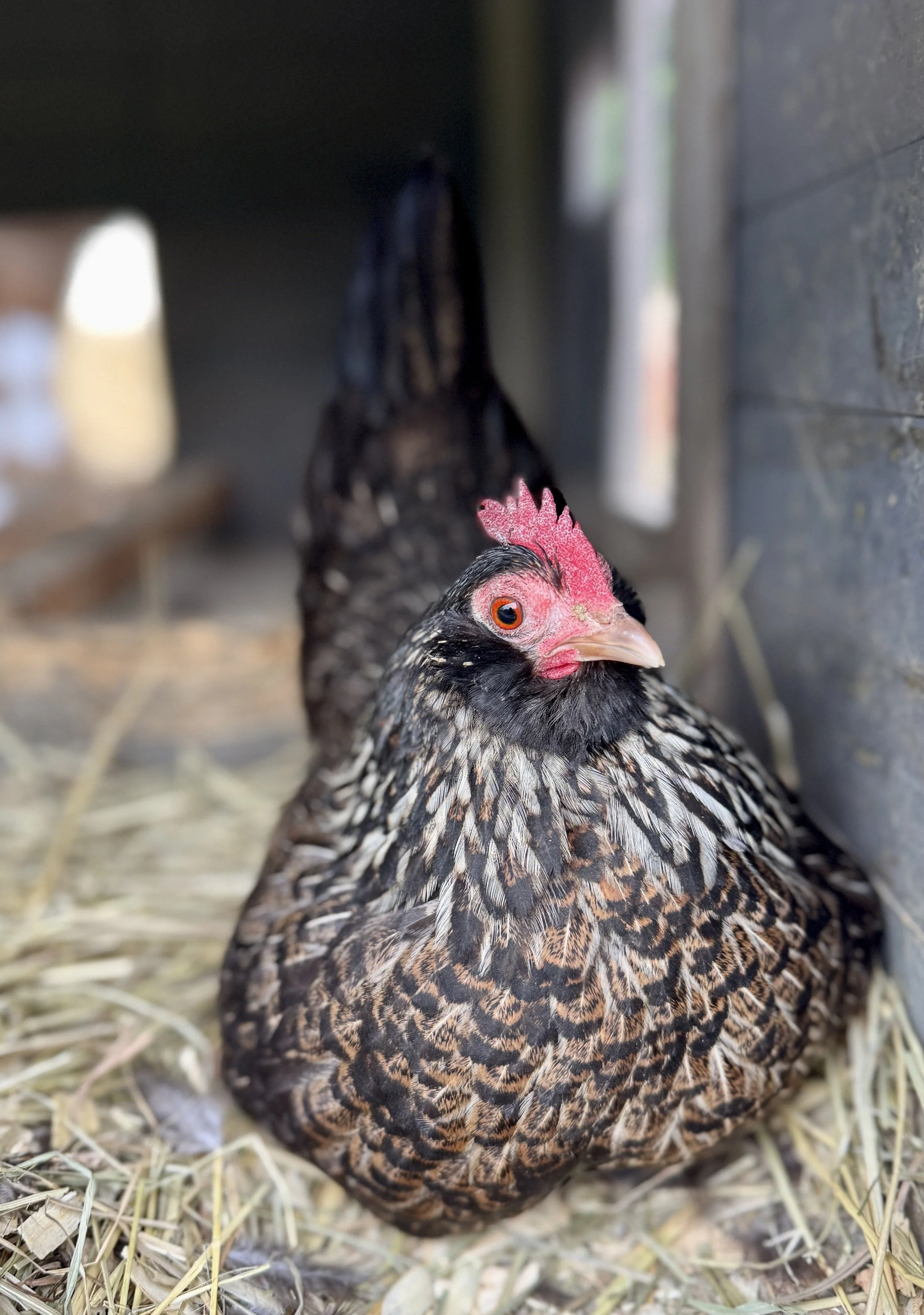
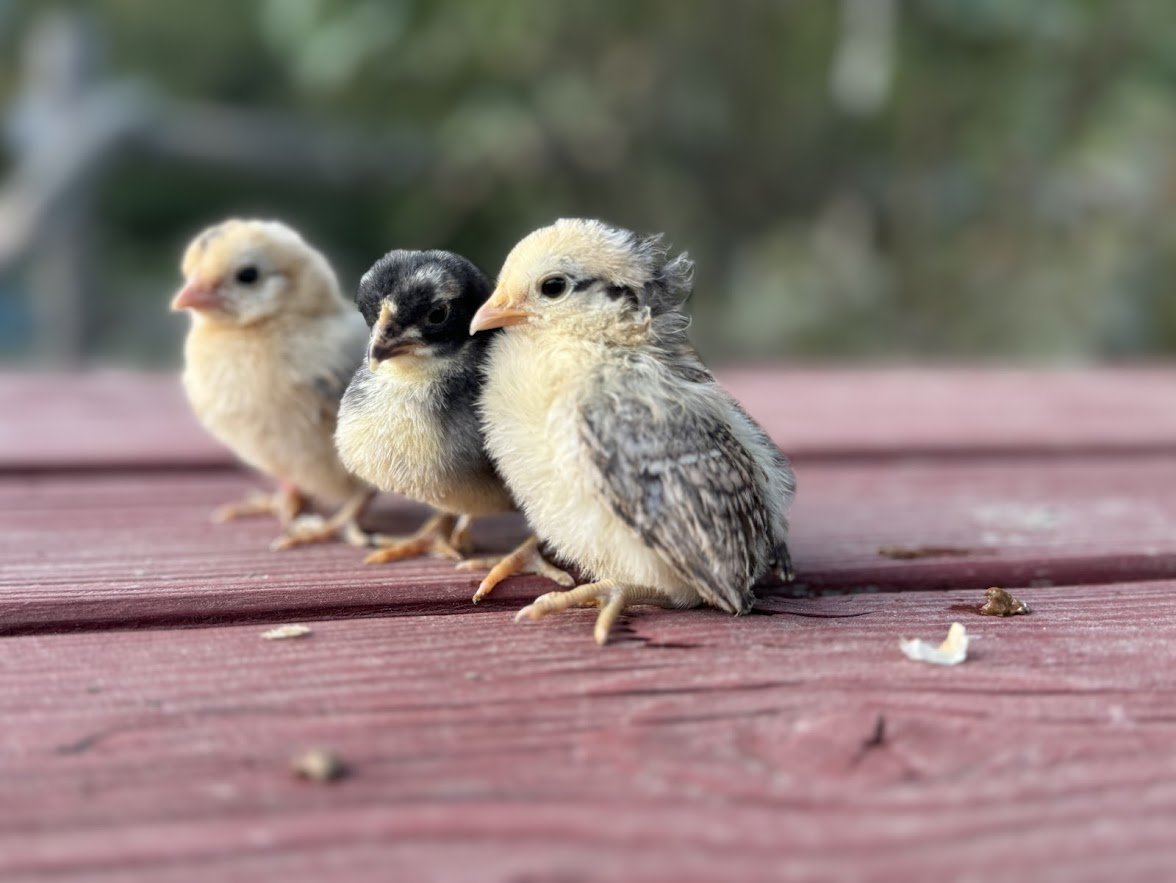
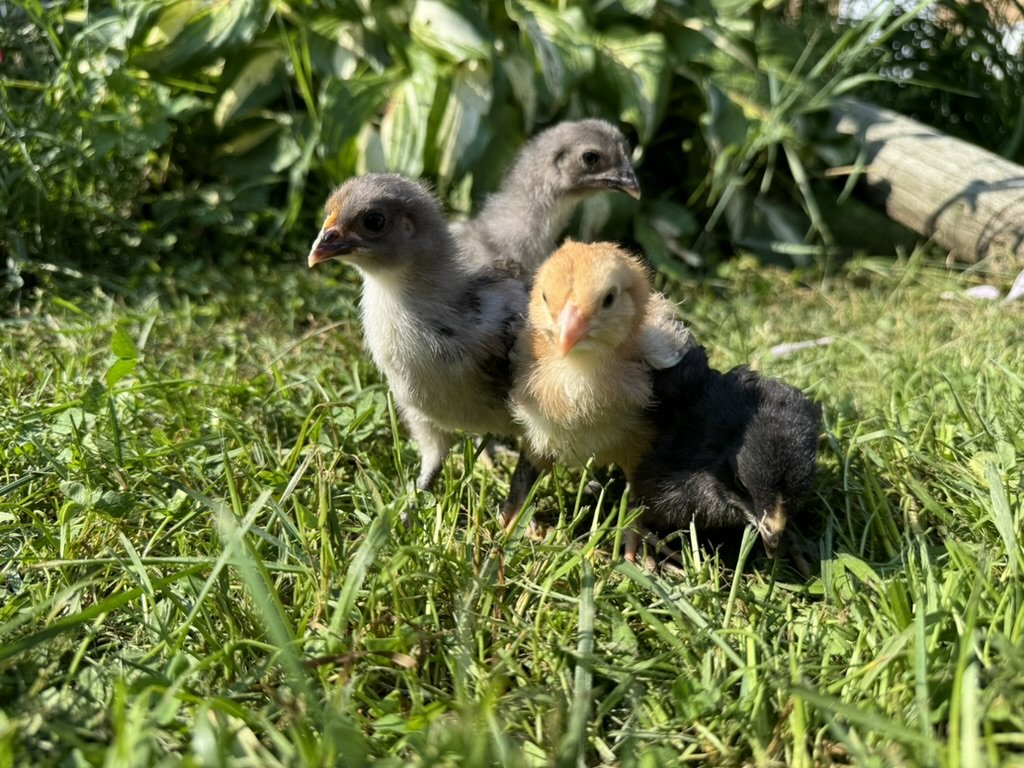
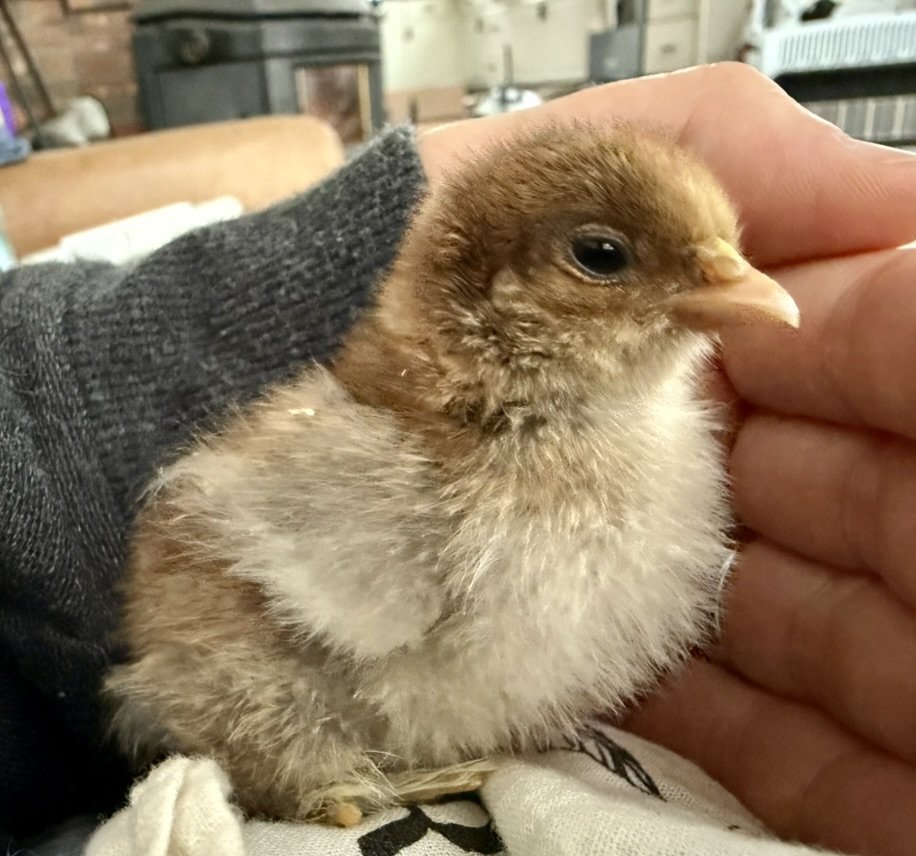
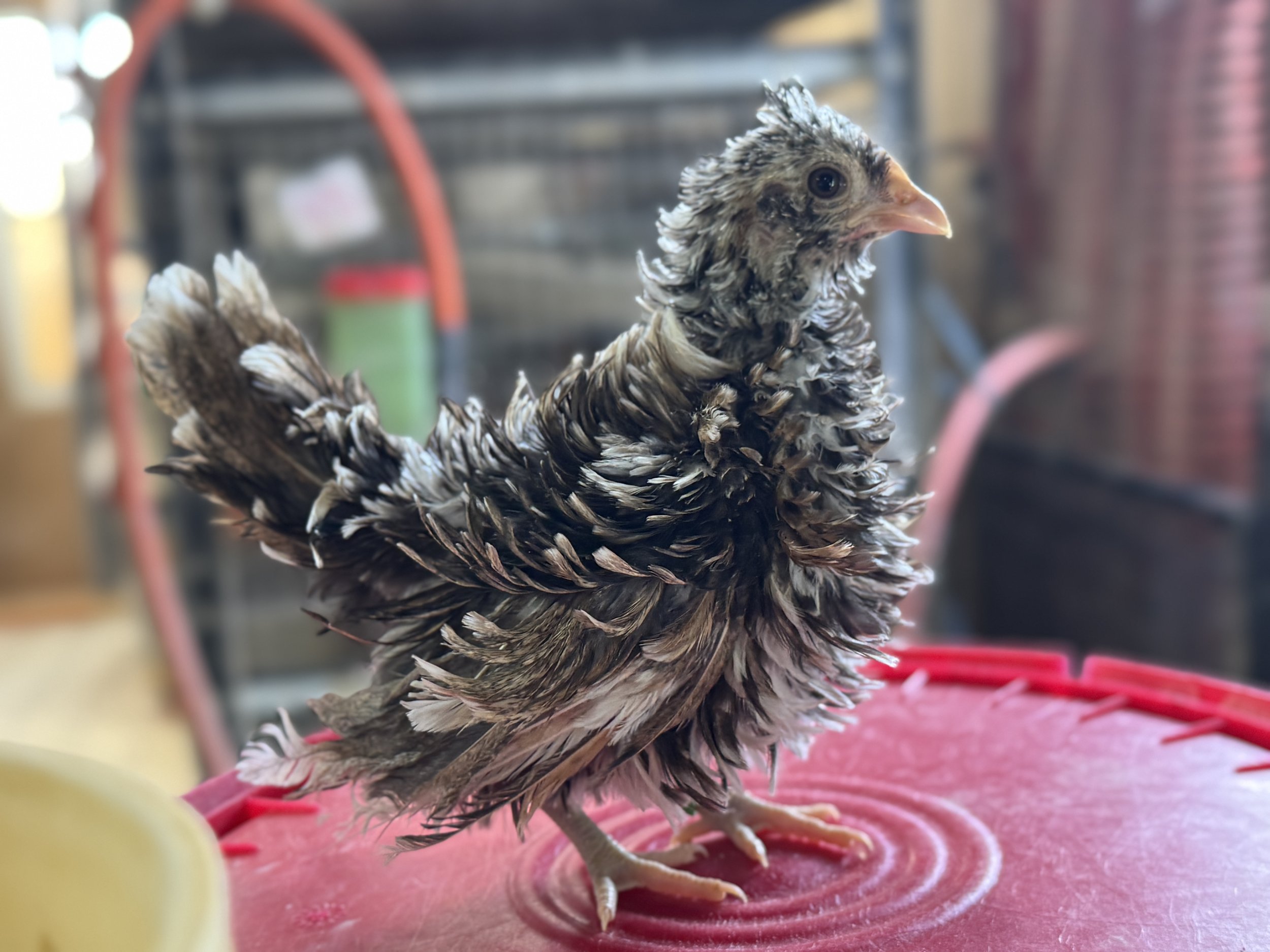
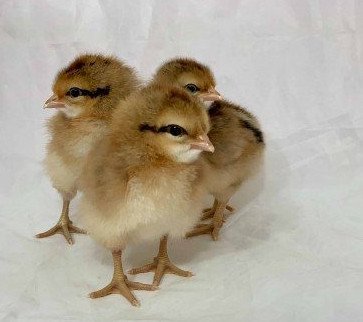
Plymouth Barred Rock Chicks


-
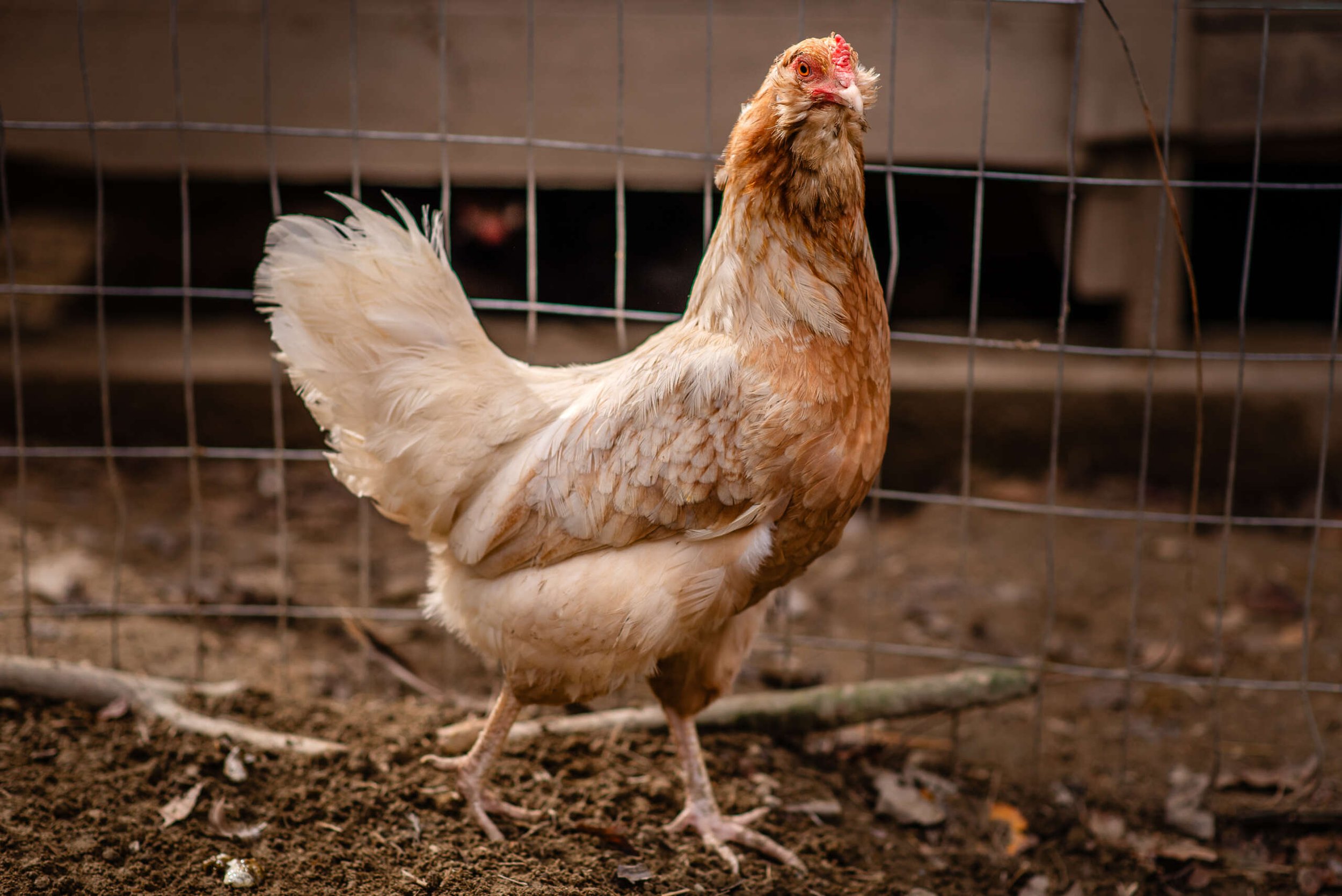
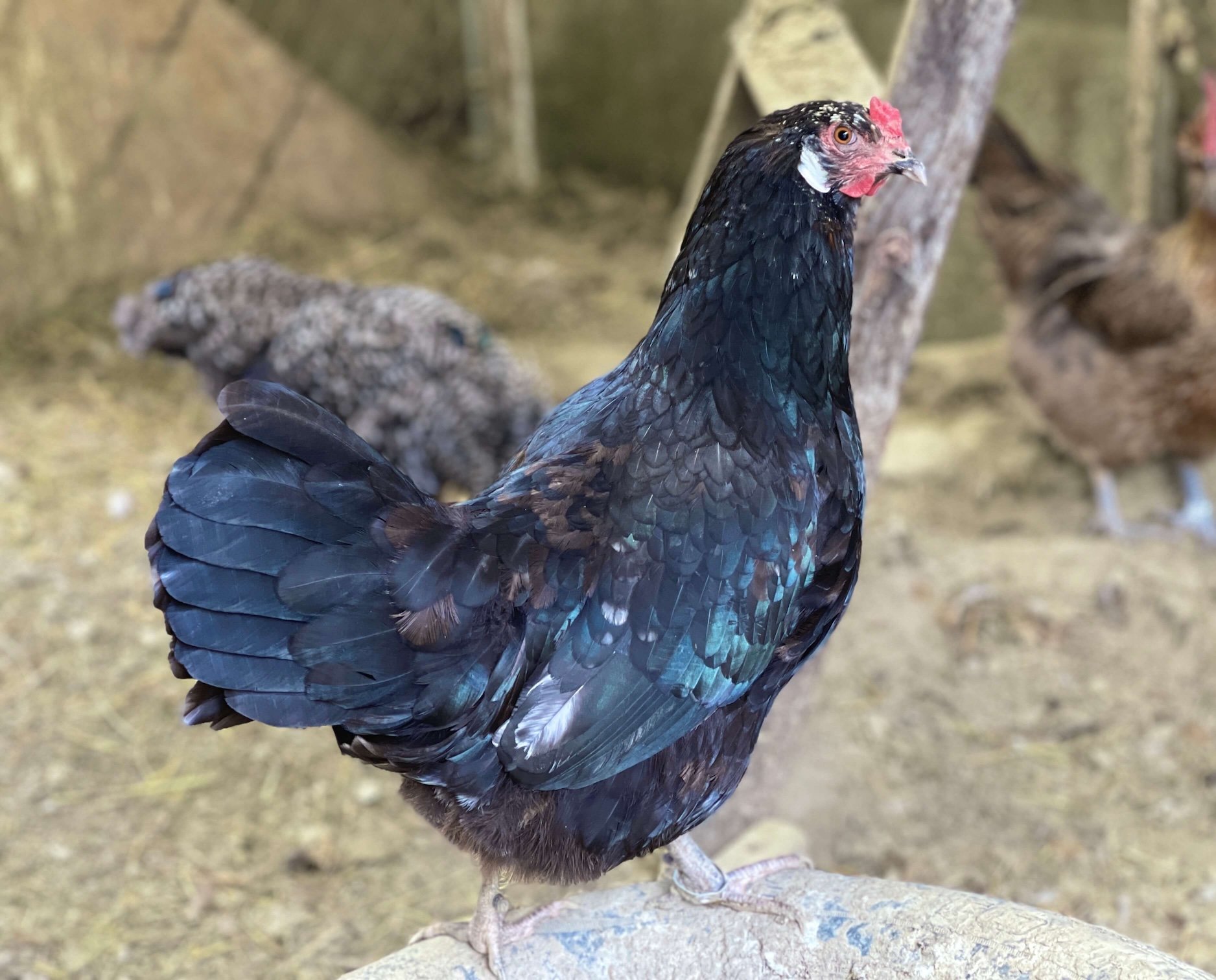
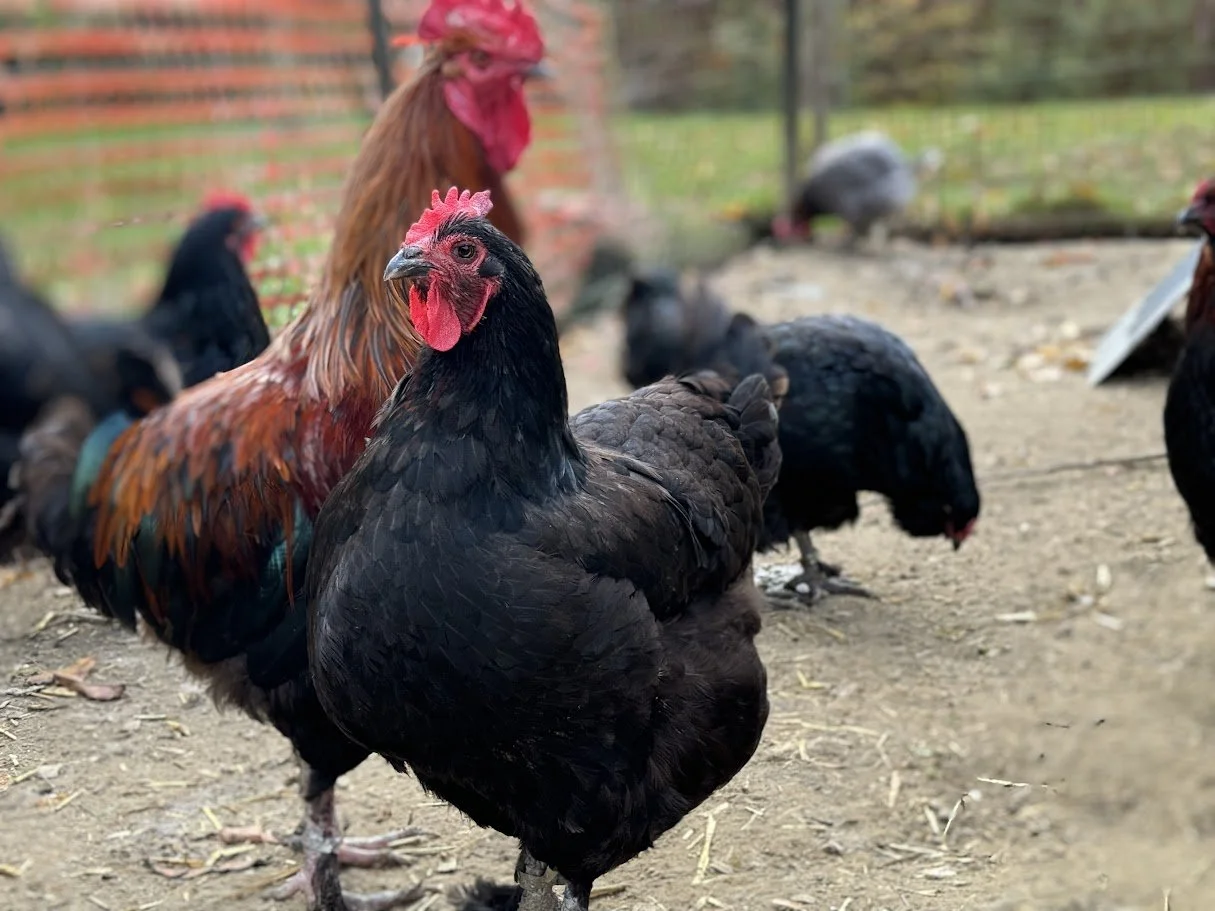
Heritage Plymouth Rock chicks are a wonderful choice for families, homesteads, and small farms looking for hardy, practical, classic American chickens. Known for their steady temperament, reliable laying, and strong build, Plymouth Rocks are one of those breeds that simply earns its keep. These are sturdy, dependable birds with a classic charm.
Our chicks are raised with care at Sugar Feather Farm, fed a non-GMO diet, monitored closely, and given the best possible start before heading to their new homes.
Our Plymouth Rock lineage is maintained as a heritage breeding line and is not sourced from commercial hatchery stock. We carefully select our breeding groups for health, temperament, hardiness, and breed quality.
Looking for other options?
-
The Plymouth Rock was developed in America in the middle of the 19th century and was first exhibited in Boston, Massachusetts as a breed in 1849. These first specimens seemed to “lose their identity” and the breed disappeared for two decades until it reappeared at another poultry show in Worchester, Massachusetts in 1869. These later birds are considered the progenitors of the Plymouth Rocks we know today.
-
We recommend starting chicks on our Sugar Feather Farm Non-GMO Chick Starter during their early growth stage, then gradually transitioning to our Chicken Grower Feed as they mature.
Chicks should be kept in a clean, dry brooder with proper heat, fresh water, quality feed, and good ventilation. Avoid overcrowding and drafts, especially during the first few weeks.
As active, fast-growing birds, Plymouth Rocks benefit from plenty of space to explore and develop naturally. Once fully feathered and weather appropriate, supervised outdoor time can help encourage strong foraging behavior and healthy development.
For additional digestive and nutritional support, we recommend our Oil of Oregano and Vita Boost during periods of stress, shipping, transition, or other times when chicks may benefit from additional support.
Recommended Products & Resources
Humane Steward™ Certified
This bird is raised under farmer-developed humane care standards focused on space, enrichment, respectful handling, and natural behaviors.