

 Image 1 of 12
 Image 2 of 12
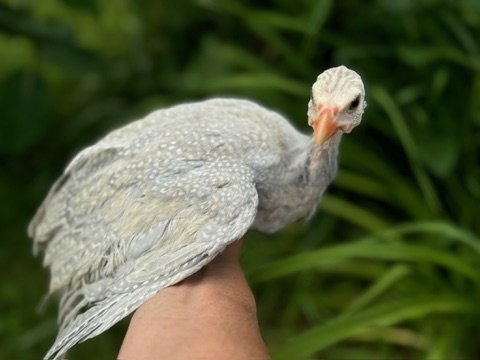 Image 3 of 12
 Image 4 of 12
 Image 5 of 12
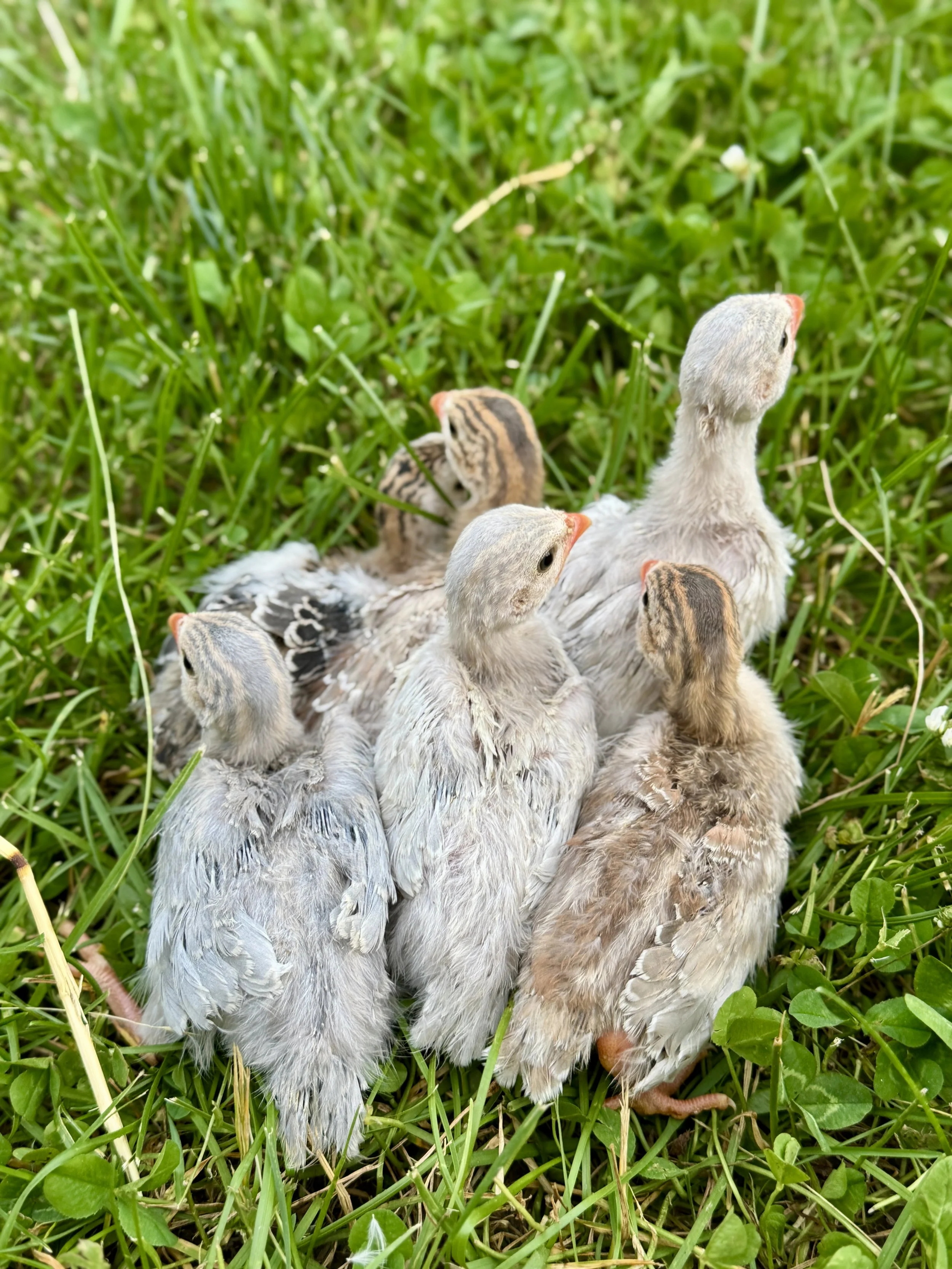 Image 6 of 12
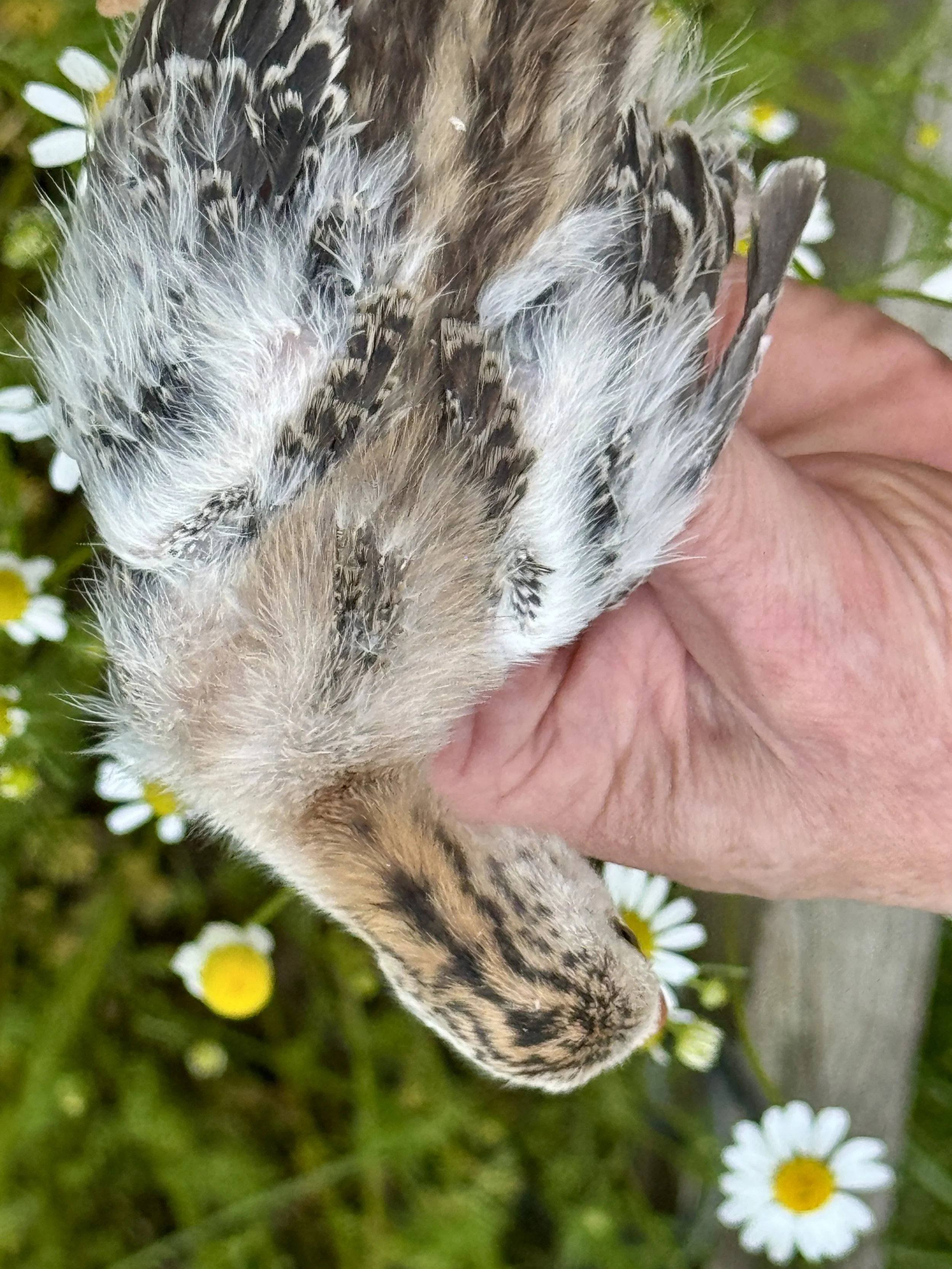 Image 7 of 12
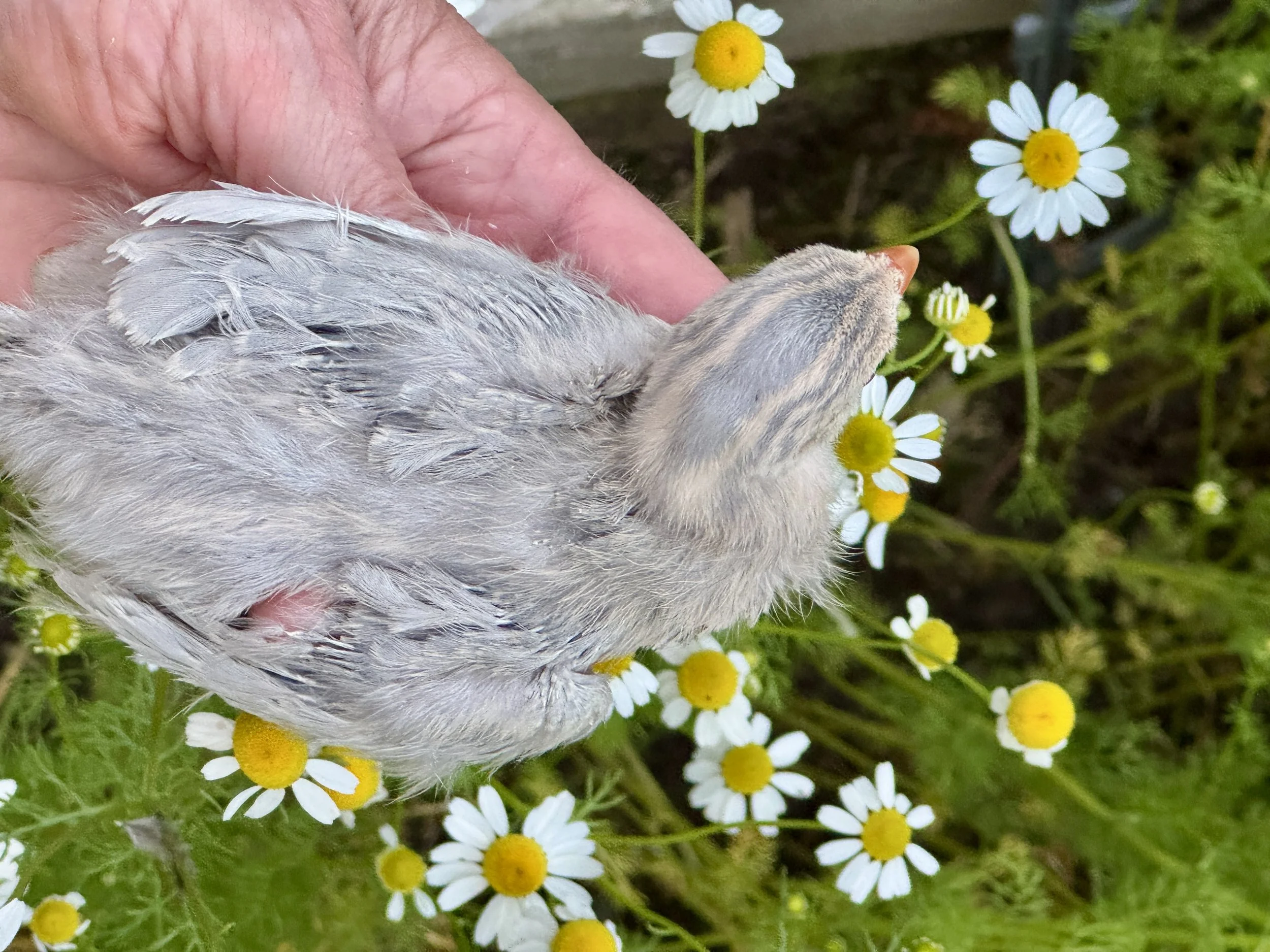 Image 8 of 12
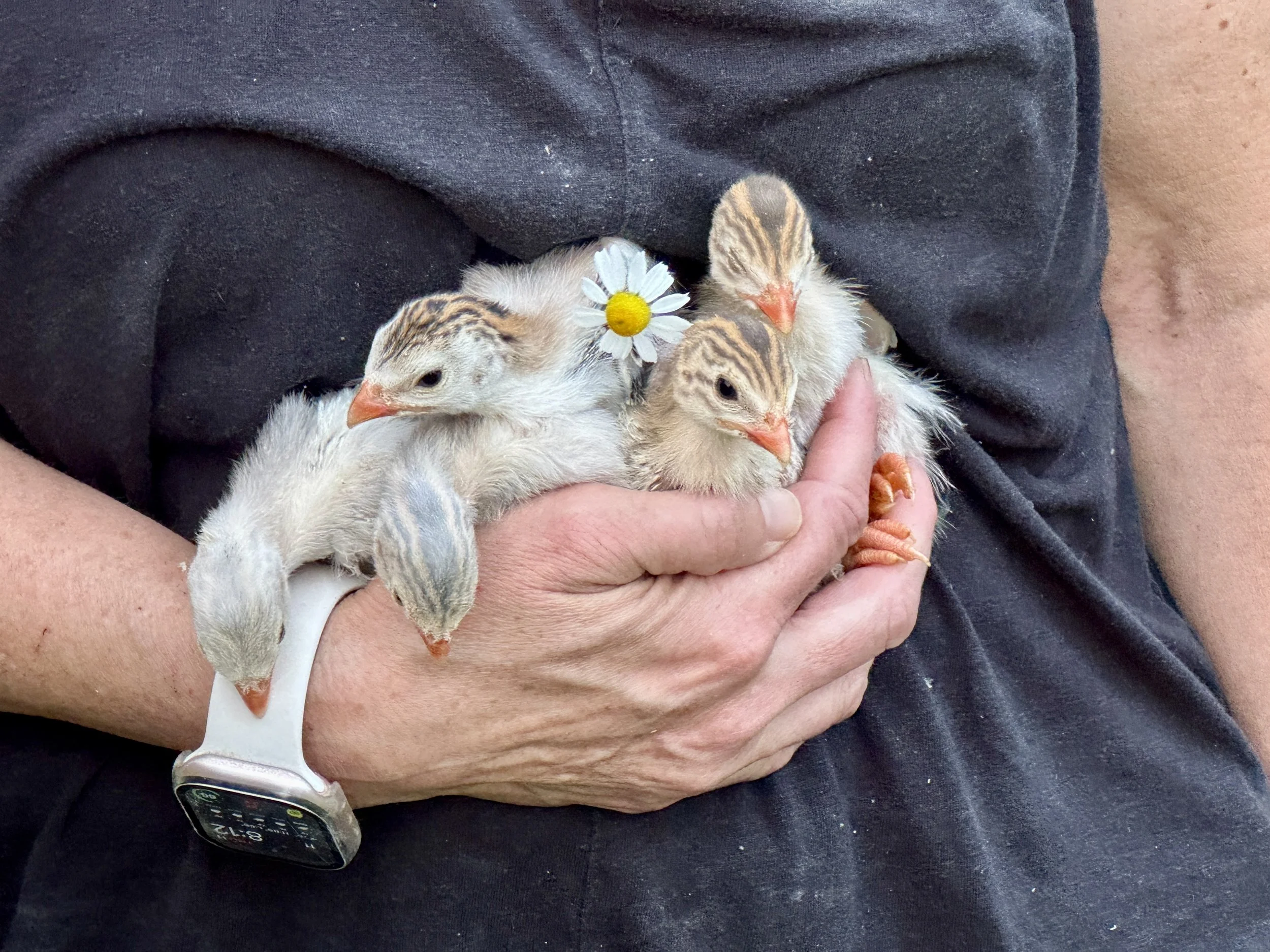 Image 9 of 12
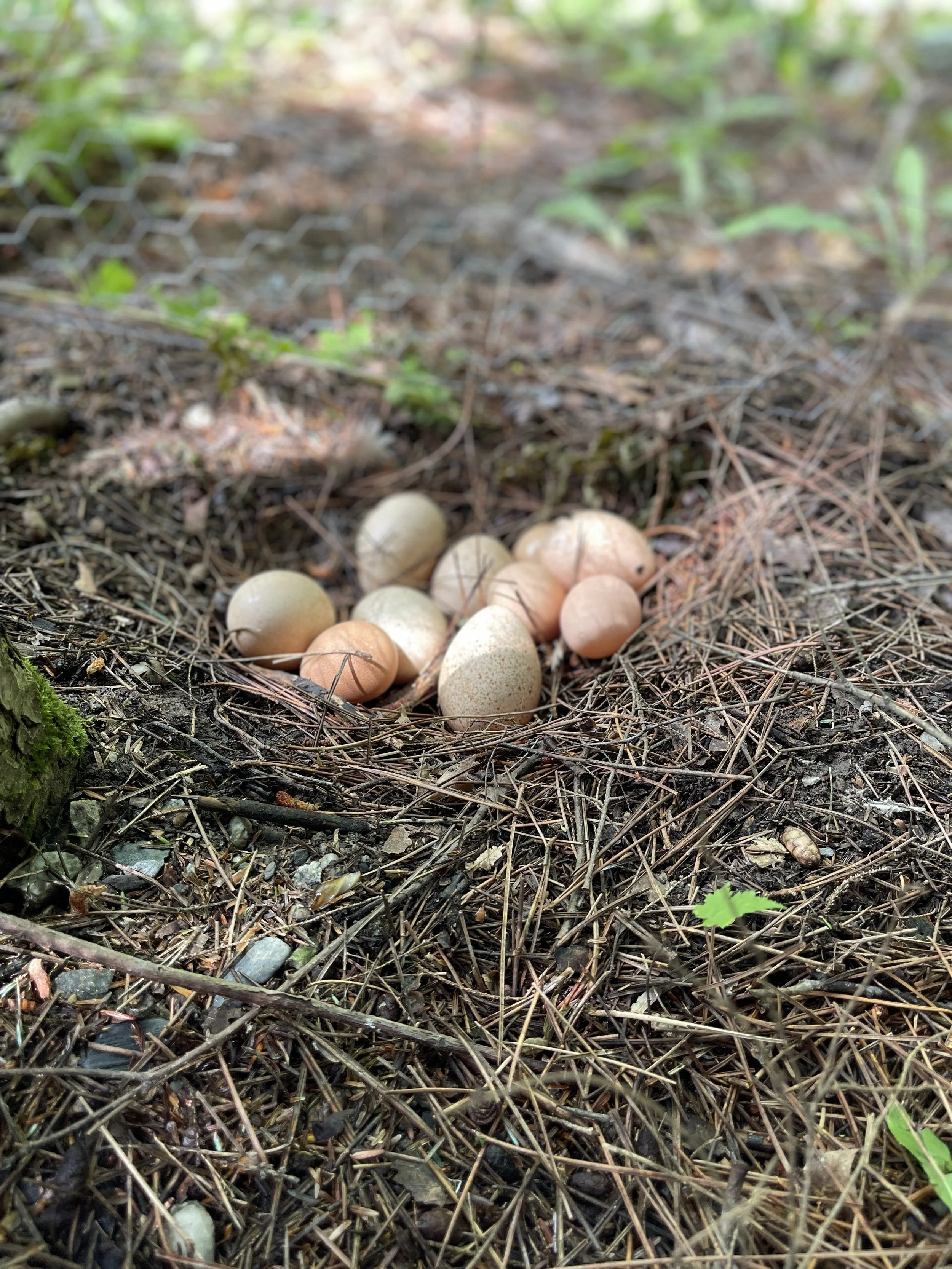 Image 10 of 12
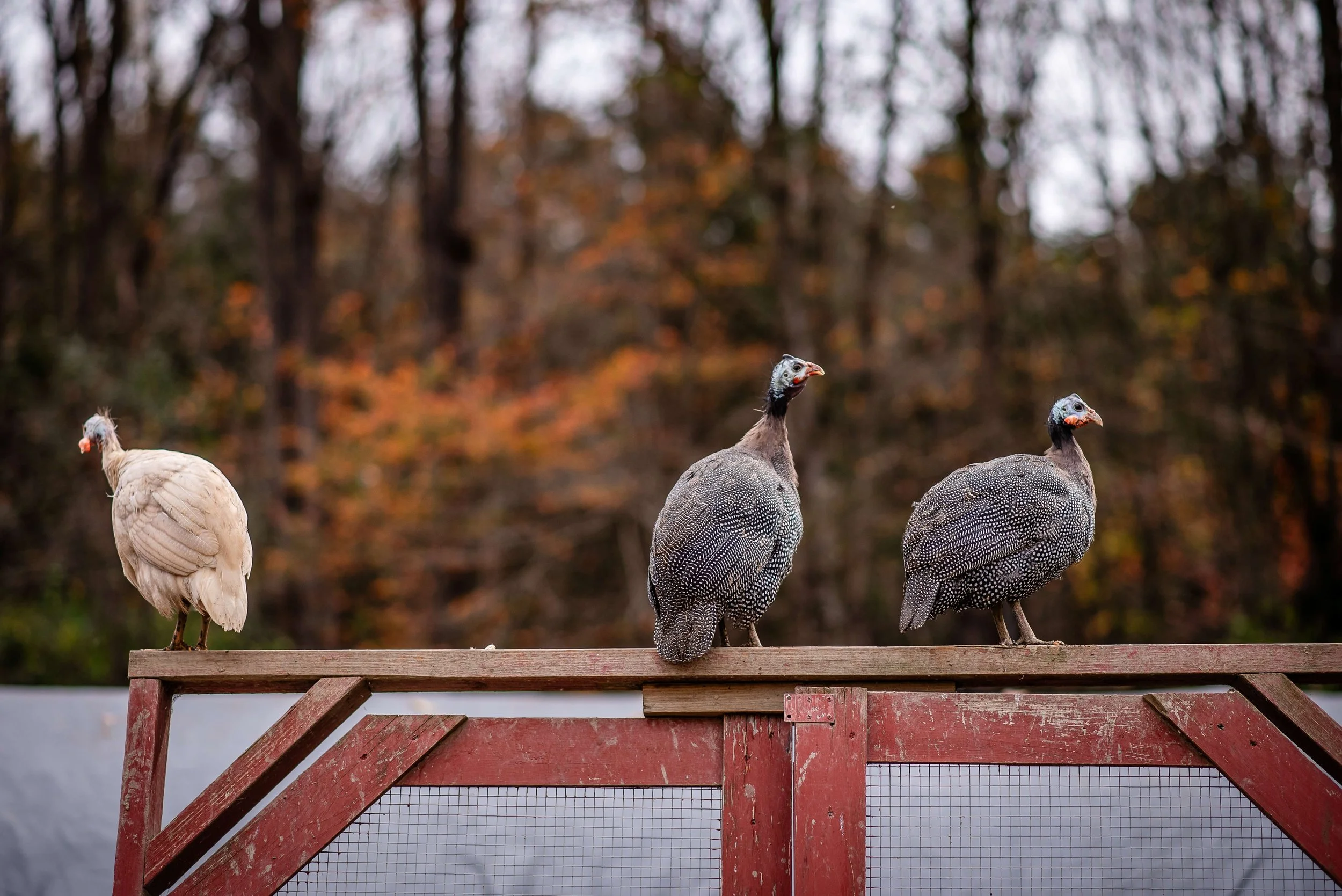 Image 11 of 12
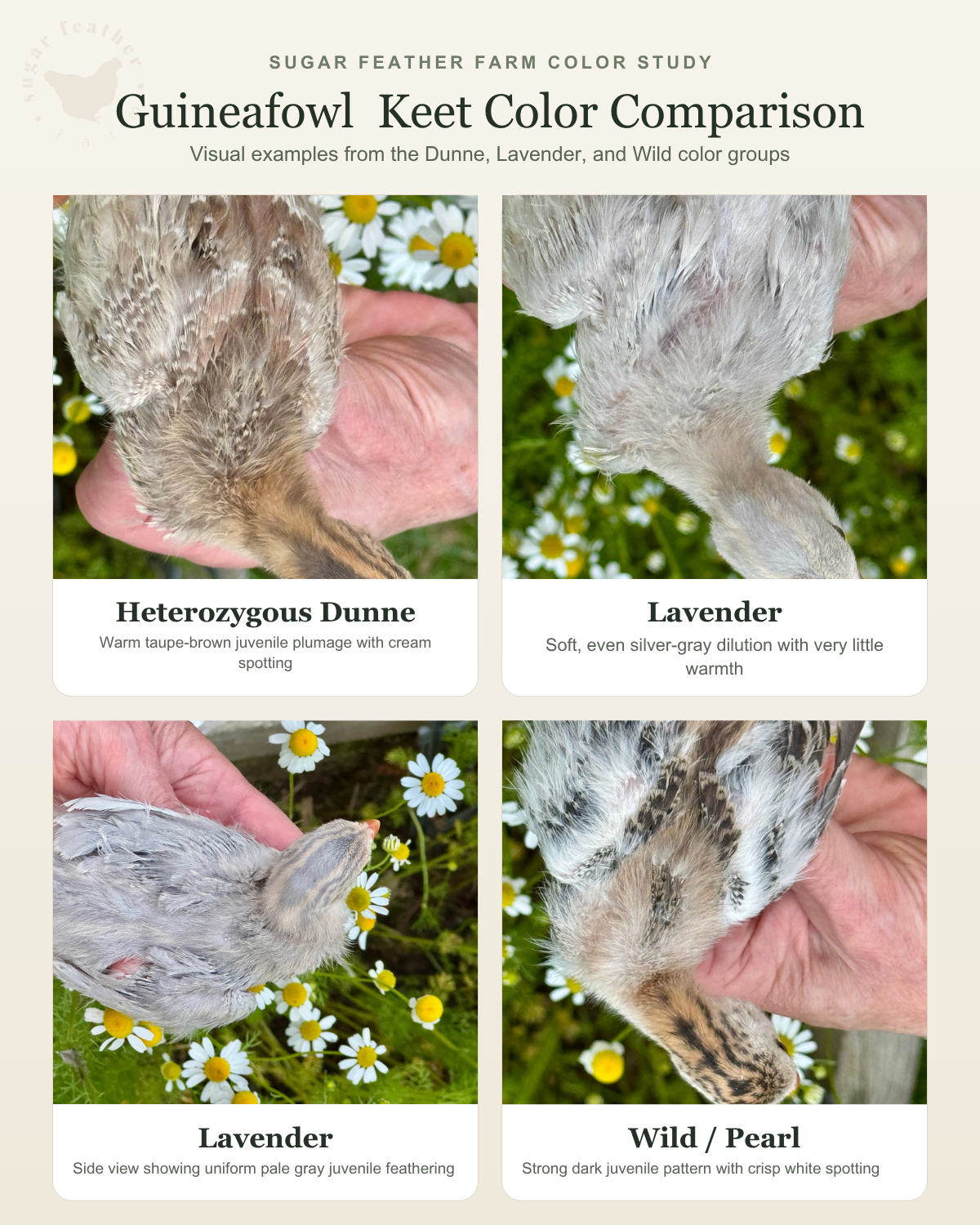 Image 12 of 12
Guinea Keet


-
Our Guinea Fowl are raised on our Vermont farm as part of our conservation-focused breeding program. Unlike large commercial hatcheries, our birds are raised in small groups with daily hands-on care, a Non-GMO feed program, and an emphasis on health, vigor, and natural behaviors.
Guinea Fowl are highly active, semi-intelligent birds known for their exceptional foraging ability and strong flock instincts. They spend much of their day searching for insects, seeds, and vegetation while remaining alert to activity around the farm.
Many homesteaders and small farms choose Guinea Fowl for their ability to help manage ticks and other insects naturally. They are also valued for their watchful nature and distinctive alarm calls, often alerting flock owners to predators, wildlife, or unusual activity.
While not as people-oriented as many chicken breeds, Guinea Fowl are hardy, entertaining birds that thrive when given space to roam and express their natural behaviors.
Color Varieties
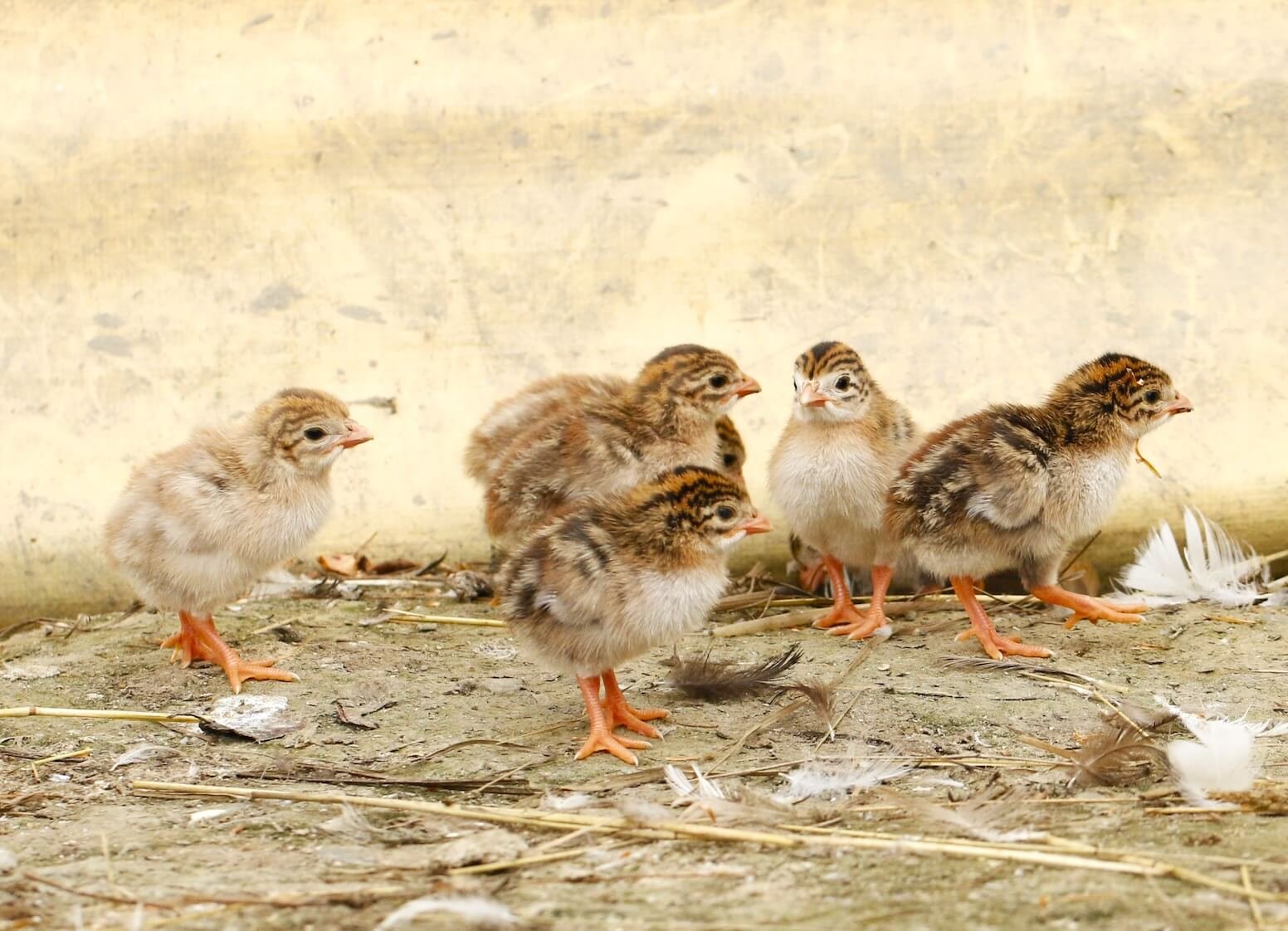
One of the joys of raising Guinea Fowl is the diversity of colors found within the species. Depending on the breeding group, our keets may hatch in a variety of color patterns including Pearl, Royal Purple, Coral Blue, Lavender, White, Pied, and other unique variations.
Because color availability changes throughout the season, specific colors cannot always be guaranteed unless otherwise noted.
-
• Guinea Keets should be raised in a warm, draft-free brooder with constant access to fresh feed and water.
• Guinea Fowl are highly social and do best when raised in groups.
• Allow young birds time to establish their home location before free ranging.
• Guinea Fowl are naturally active birds and thrive with access to larger runs, pasture, or free-range environments.
• Expect Guinea Fowl to be more vocal, independent, and adventurous than traditional backyard chickens.
• Protect young birds from predators until they are fully feathered and established.
• Guinea Fowl can coexist with chickens and other poultry but often maintain their own flock hierarchy and behaviors.
-
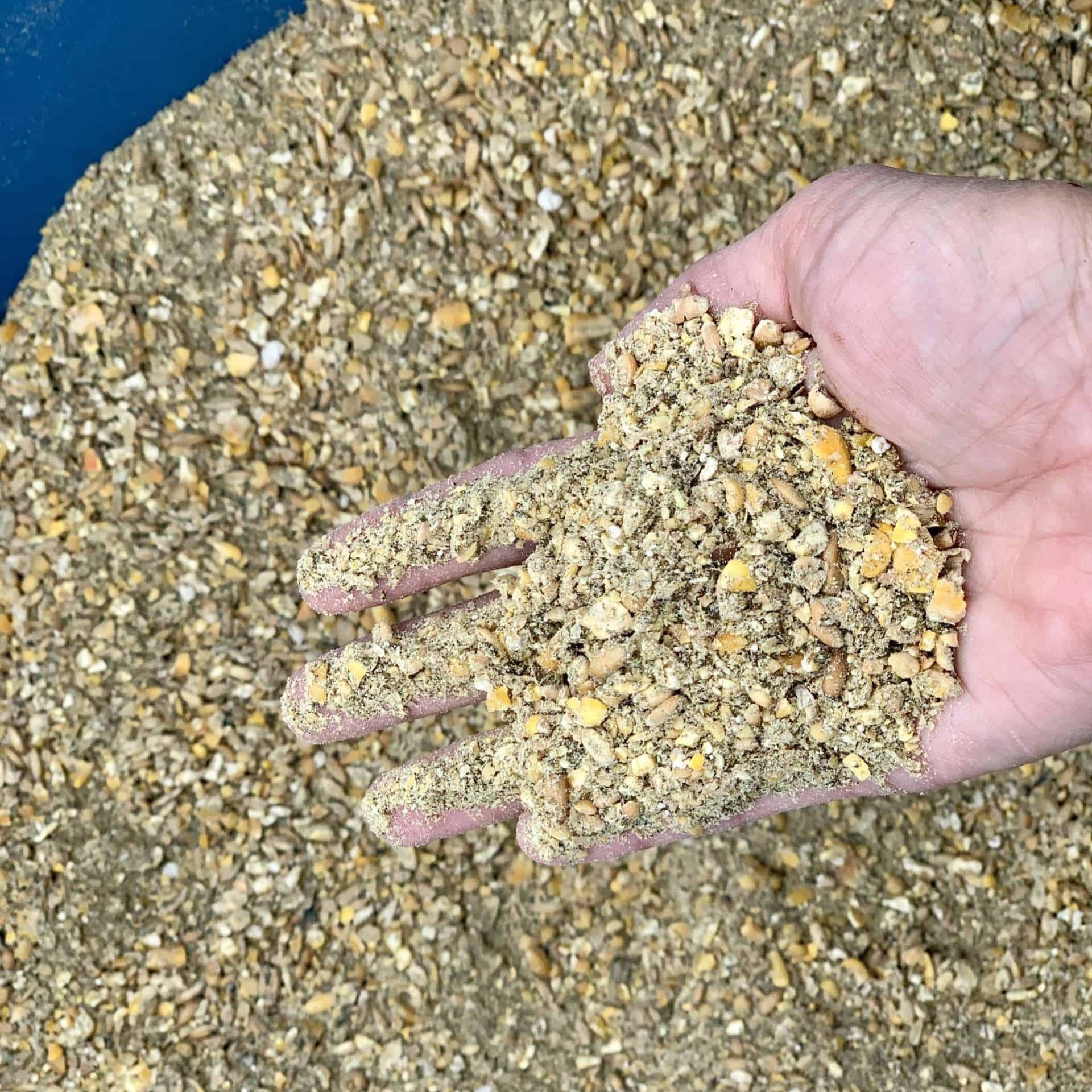
We recommend starting Guinea Keets on our Sugar Feather Farm Gamebird Starter Feed, formulated to support the rapid growth and development of gamebirds and other active poultry species.
As your birds mature, transition them to our Sugar Feather Farm Gamebird Grower Feed. Adult Guinea Fowl benefit from access to pasture and natural forage but should still be offered a balanced feed appropriate for their age and production stage.
For additional support, many customers add our Oil of Oregano to drinking water and utilize our Vita Boost supplements during times of stress, transition, shipping, or seasonal changes.
Recommended Products:
-
Guinea Fowl are seasonal layers and typically begin laying in late spring as daylight hours increase. Their laying season generally continues through summer and into early fall, depending on weather and environmental conditions.
Guinea eggs are smaller than chicken eggs but contain a higher yolk-to-white ratio, making them especially popular for baking and rich culinary dishes. Many enthusiasts describe guinea eggs as having a richer flavor and creamier texture than traditional chicken eggs.
The shells are extremely hard and durable, which helps protect fertility during incubation and contributes to excellent shelf life when properly stored.
During laying season, we may also offer fertile Guinea Fowl hatching eggs from our breeding groups.
Looking for hatching eggs?
👉 Browse our Guinea Fowl Hatching Eggs here
Humane Steward™ Certified
This bird is raised under farmer-developed humane care standards focused on space, enrichment, respectful handling, and natural behaviors.
