 Image 1 of 12
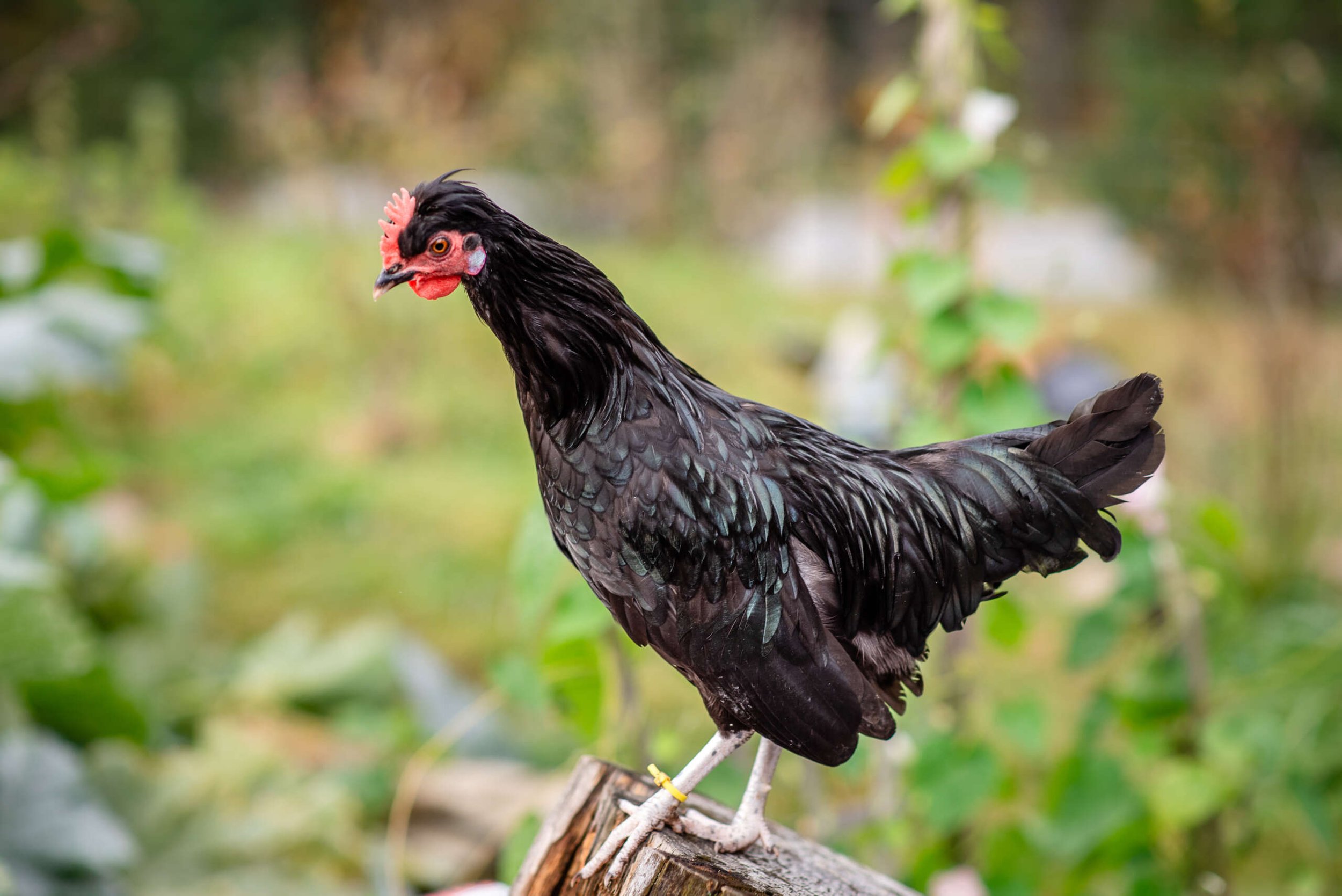 Image 2 of 12
 Image 3 of 12
 Image 4 of 12
 Image 5 of 12
 Image 6 of 12
 Image 7 of 12
 Image 8 of 12
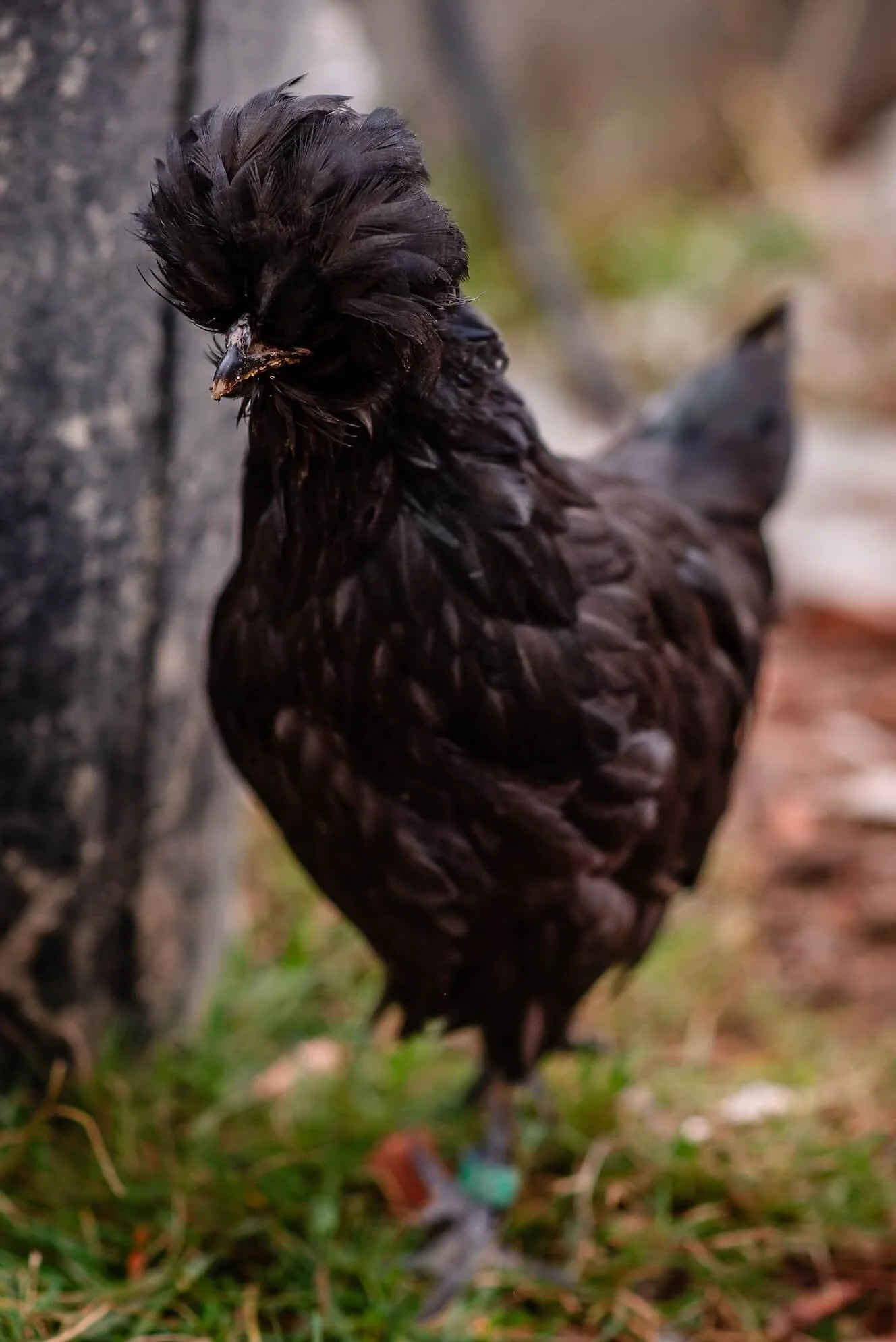 Image 9 of 12
 Image 10 of 12
Image 11 of 12
Image 10 of 12
Image 11 of 12
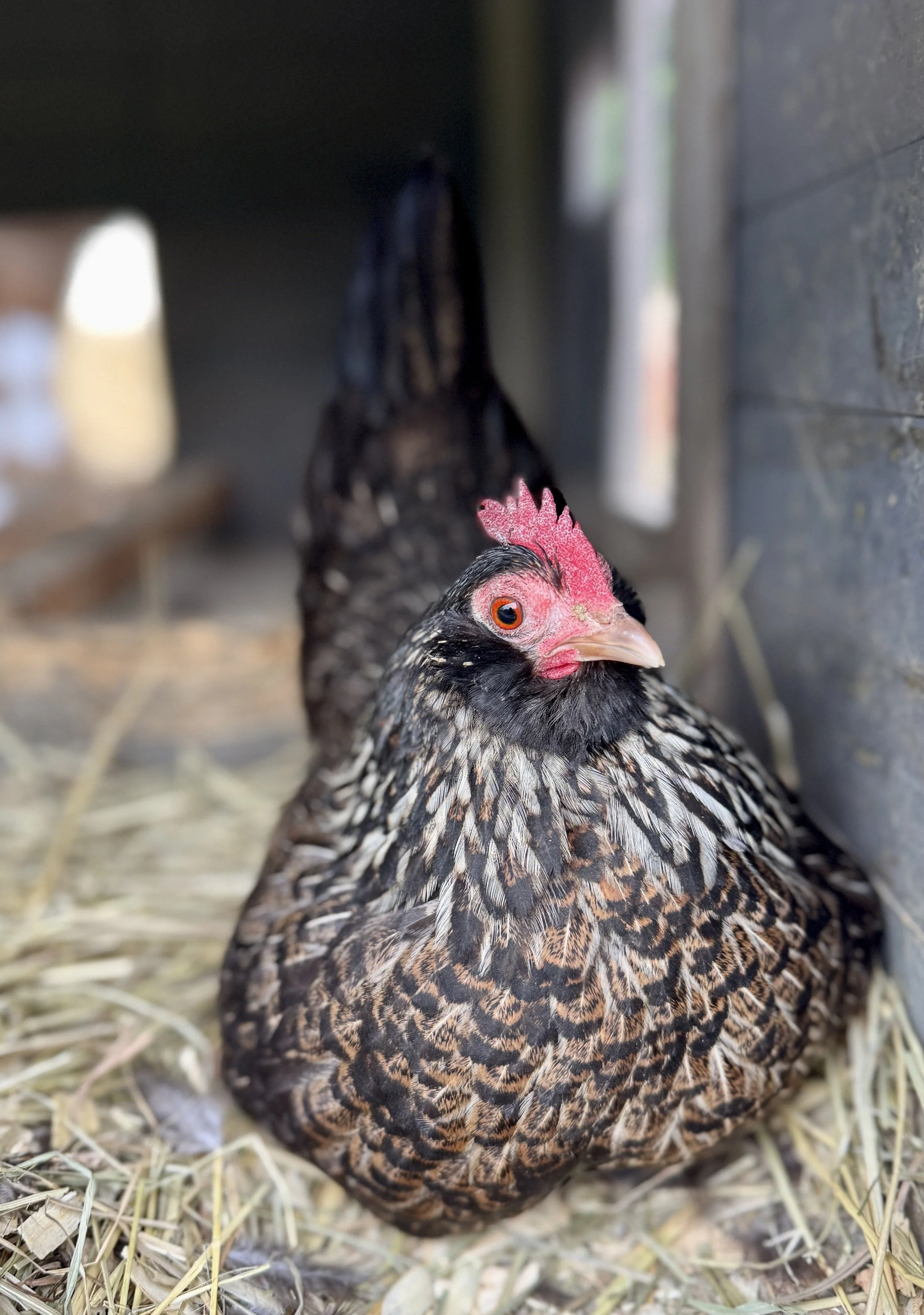 Image 12 of 12
Bantam Lyonnaise Chicks


-
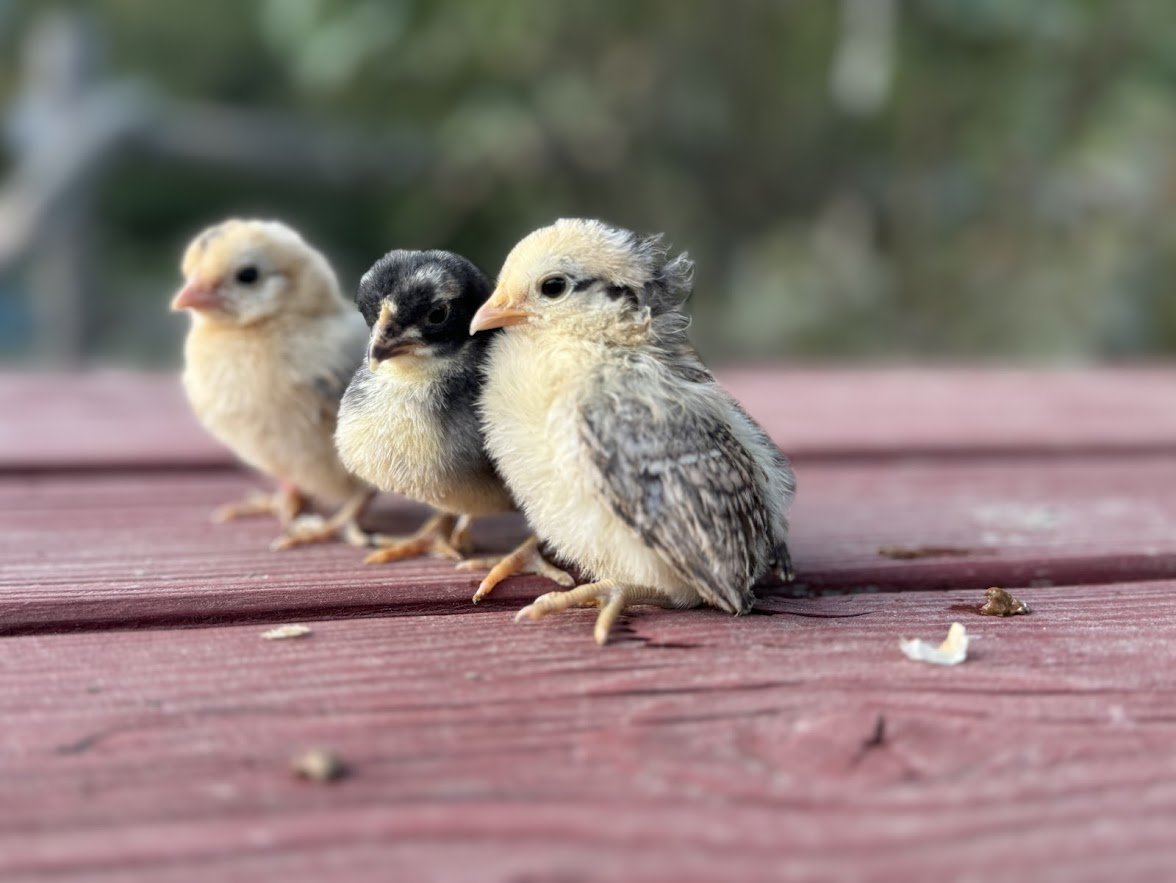
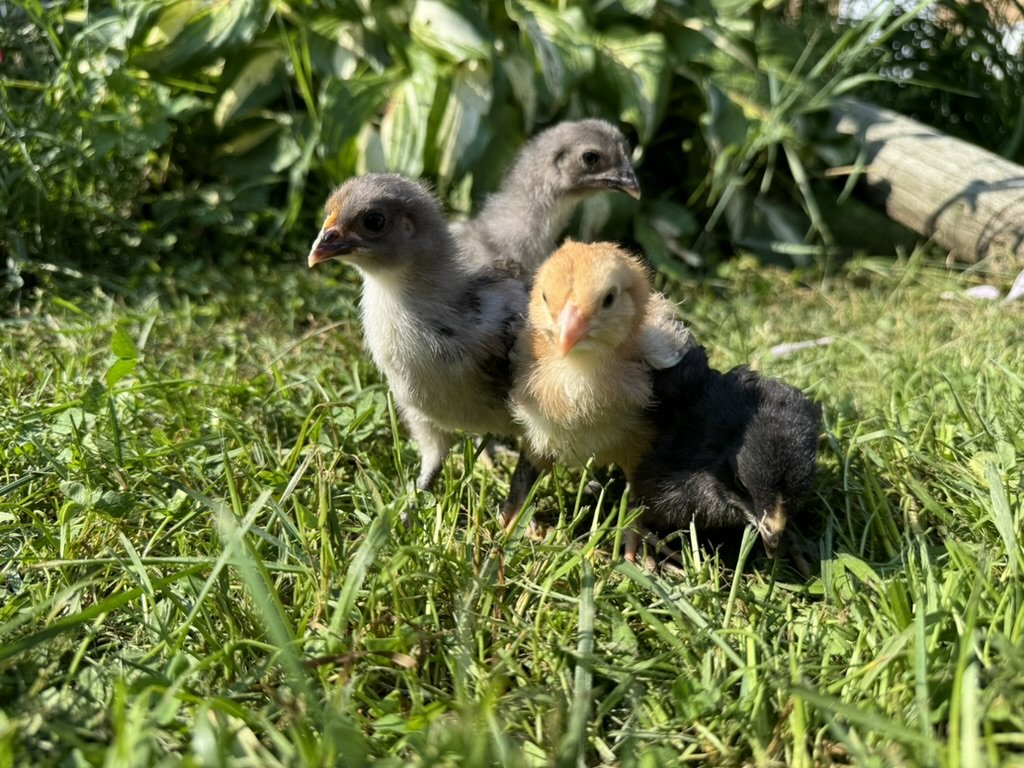
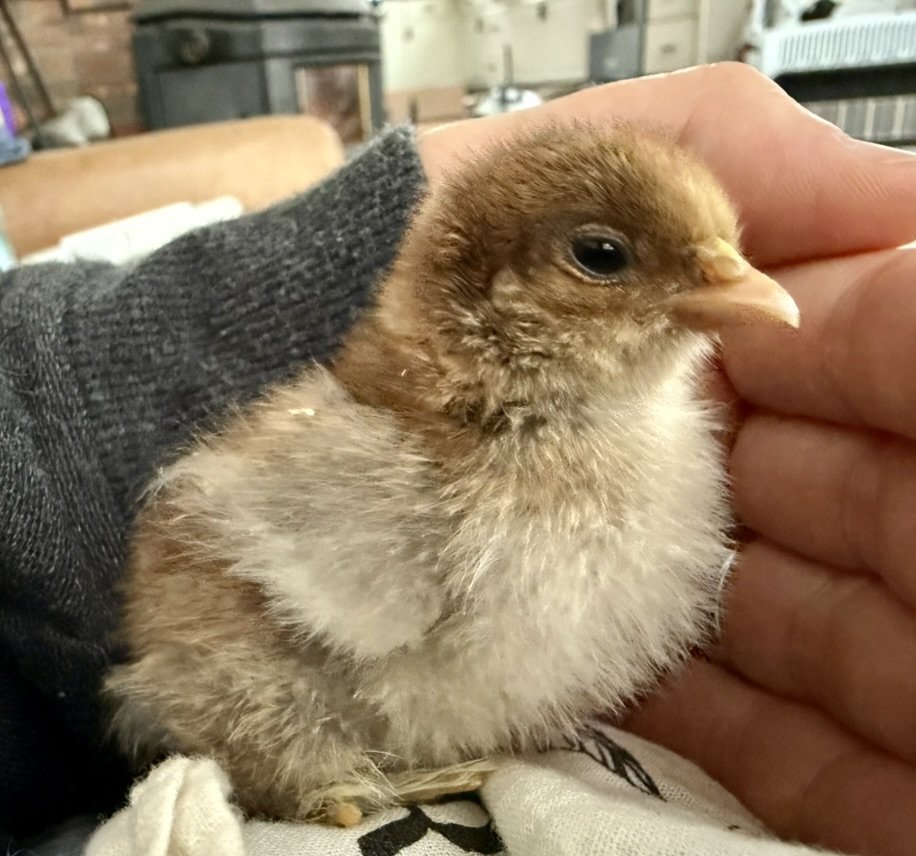
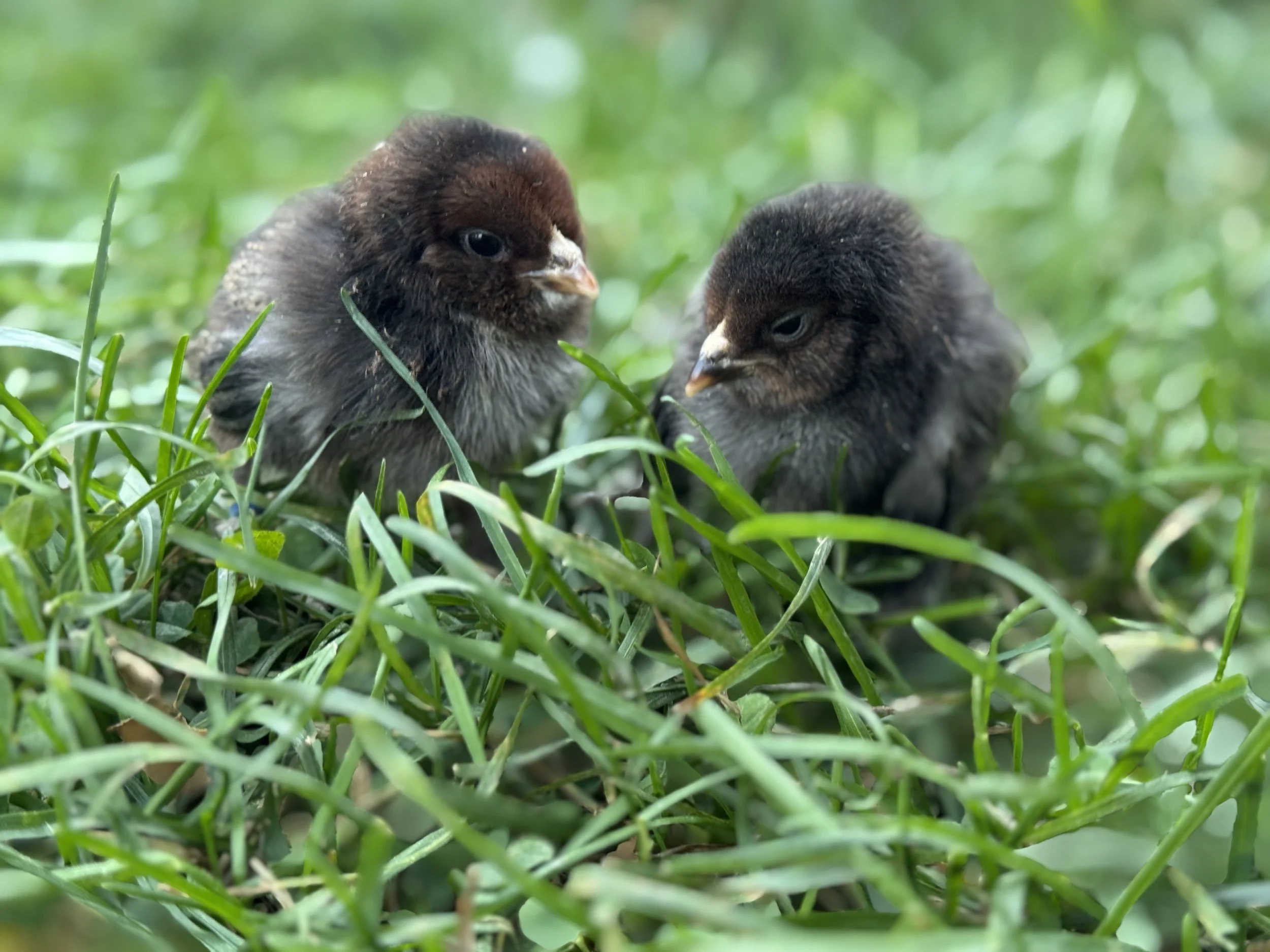
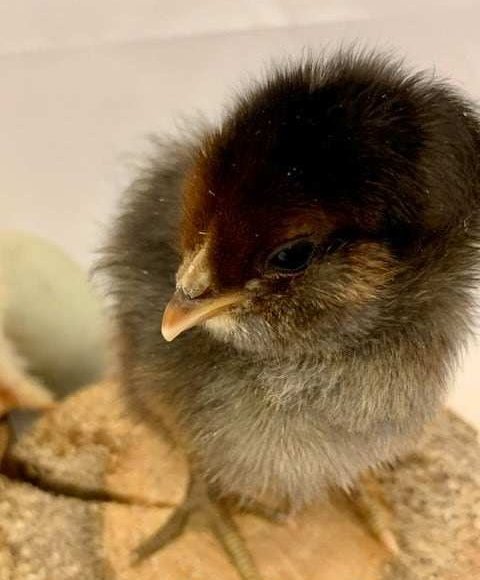
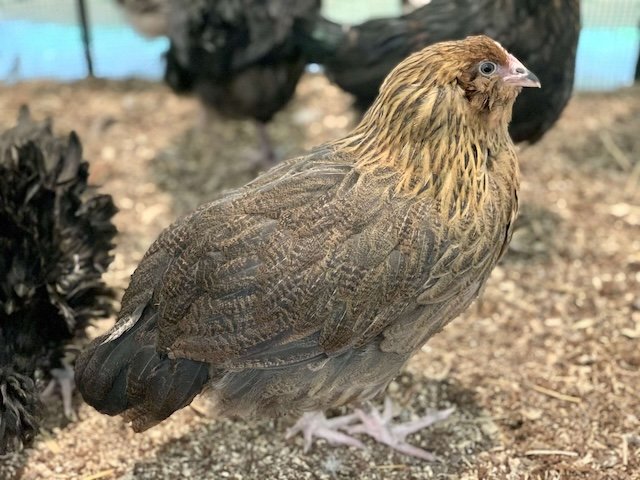
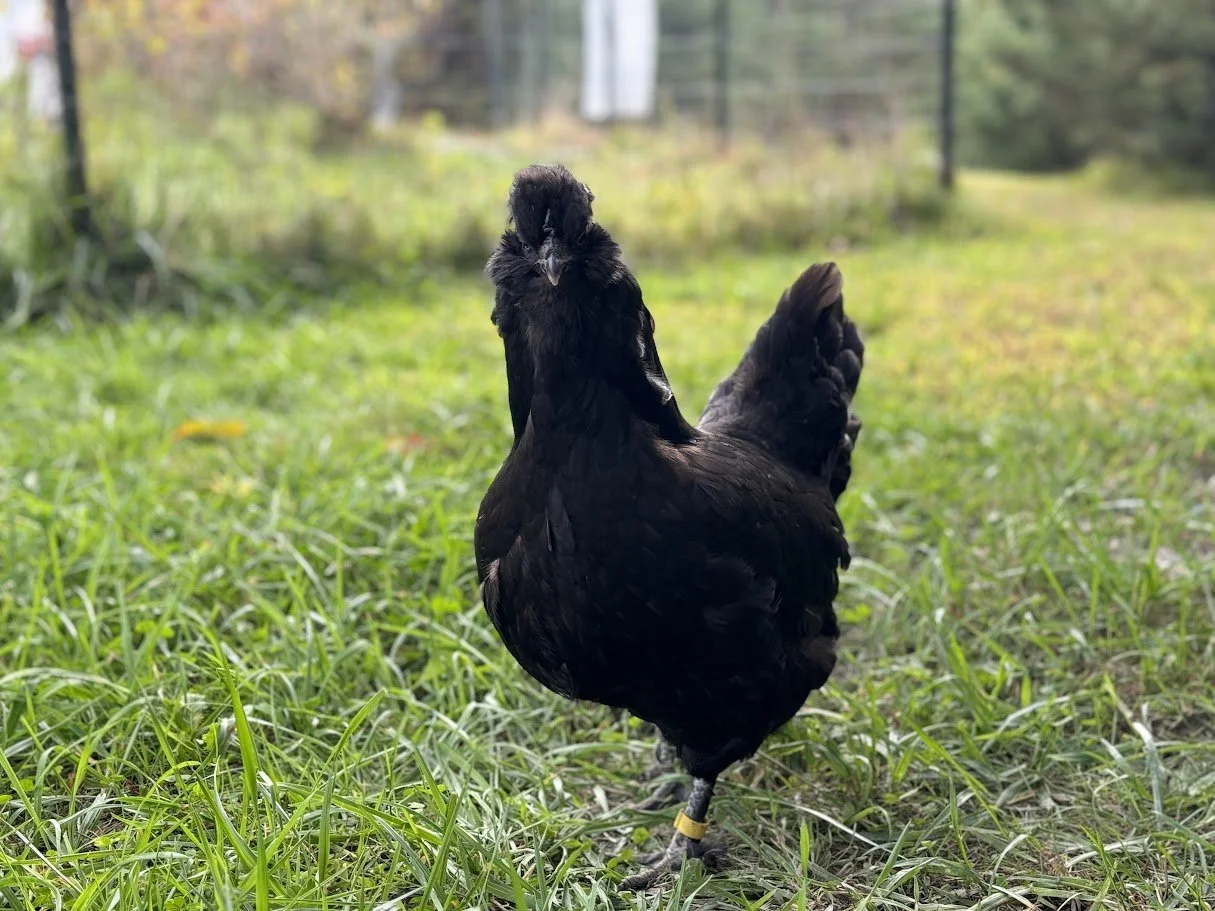
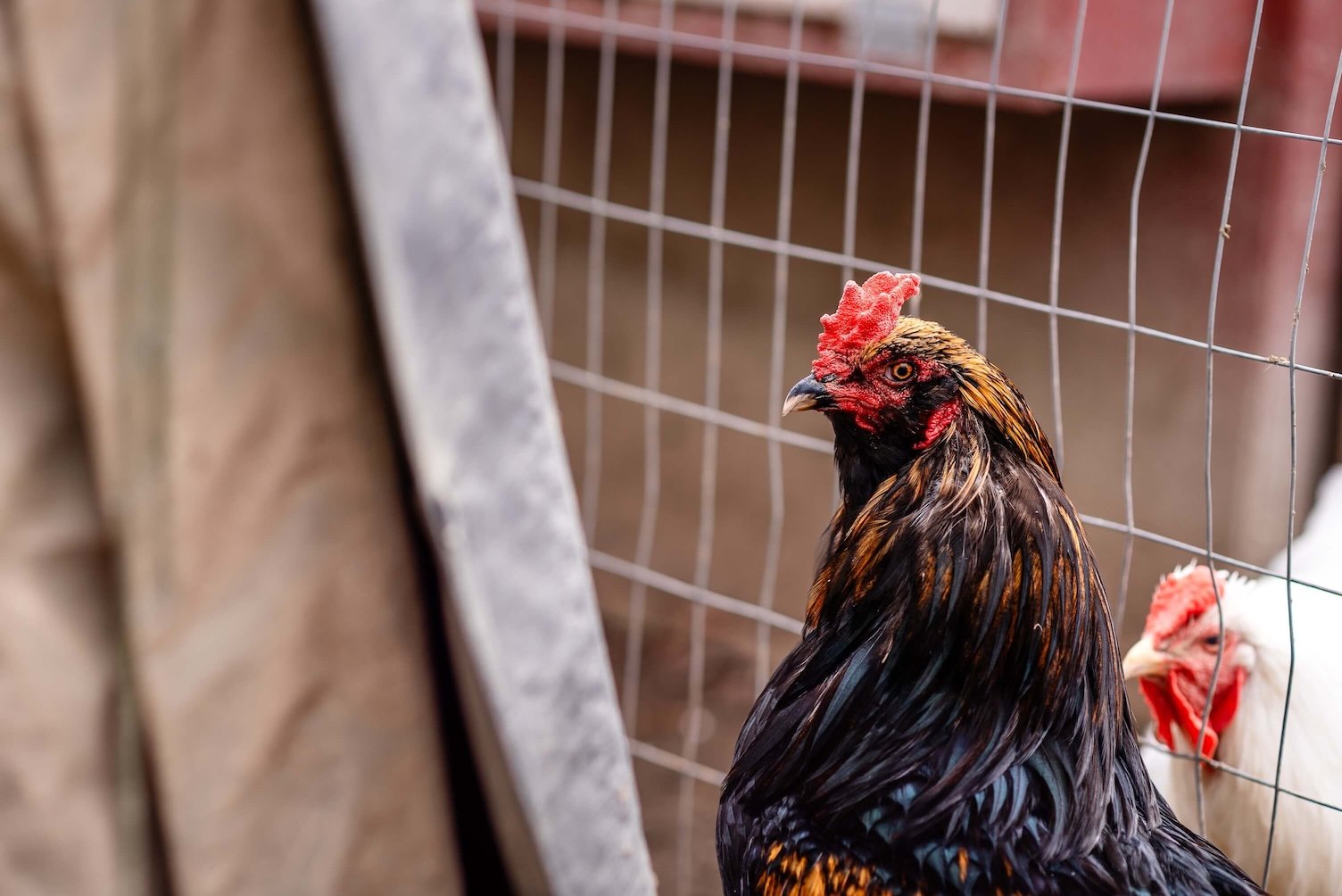
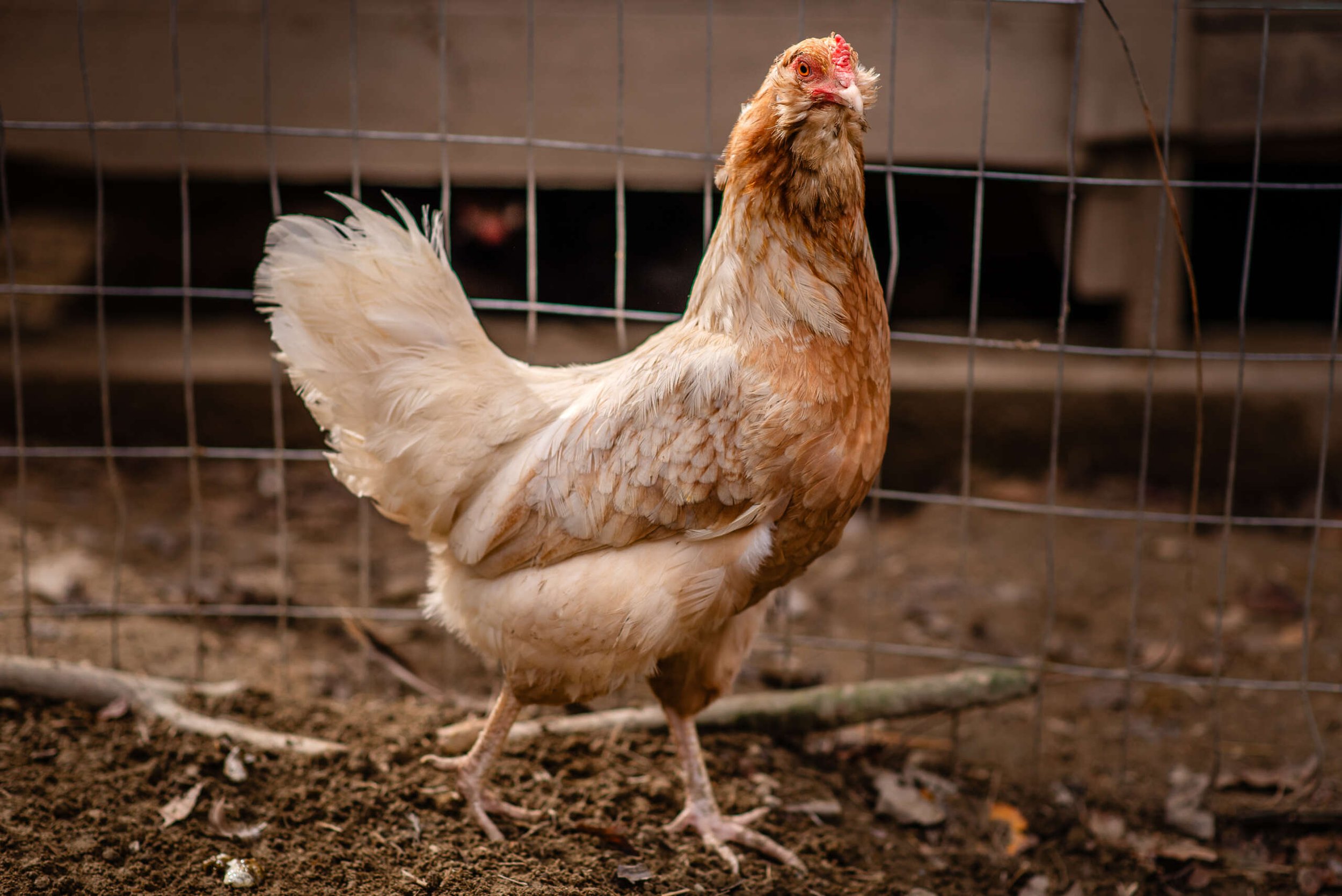
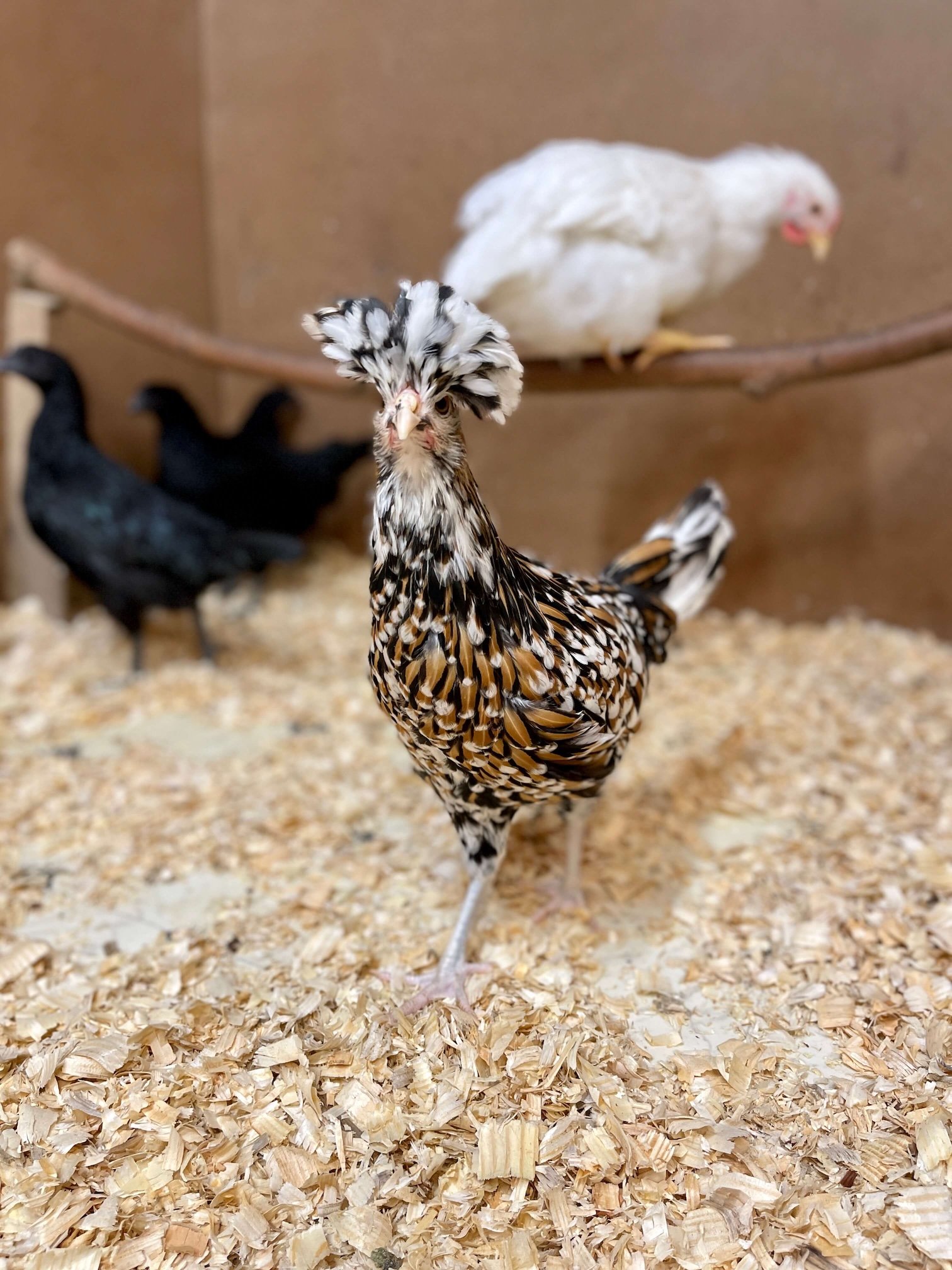
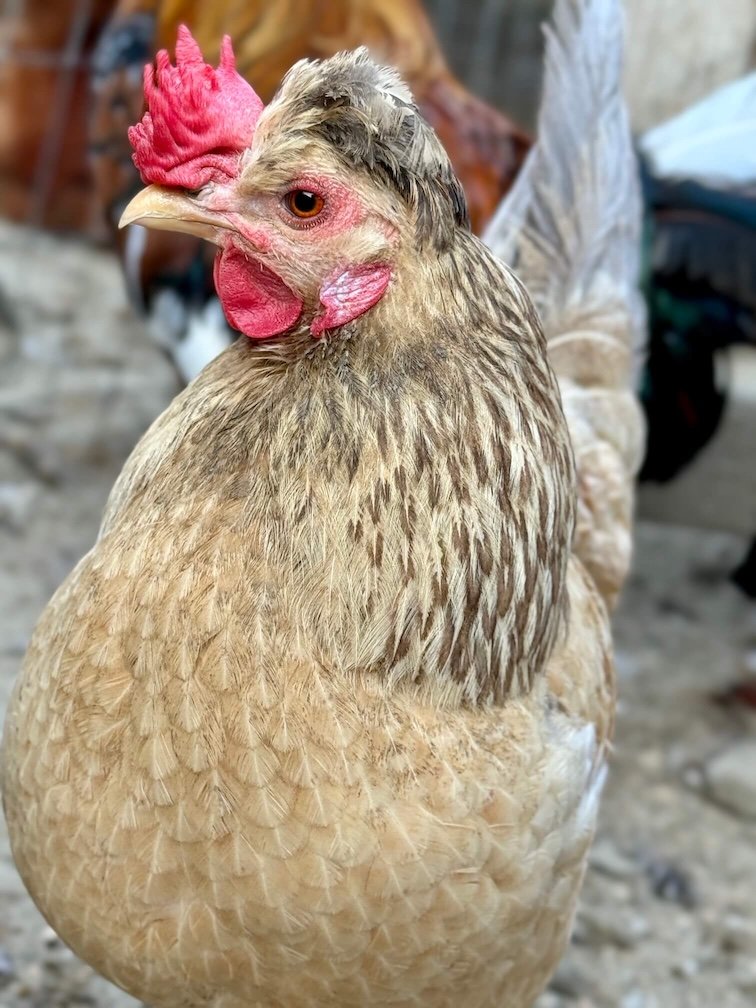
The Bantam Lyonnaise is one of the rarest French heritage bantam breeds available in North America — refined, elegant, and historically rooted in European poultry tradition.
Compact in size yet striking in presence, these birds are known for their balanced body type,strong immunity, and adaptability. They bring both beauty and heritage value to a flock.
Because we focus on preservation breeding, you may see:
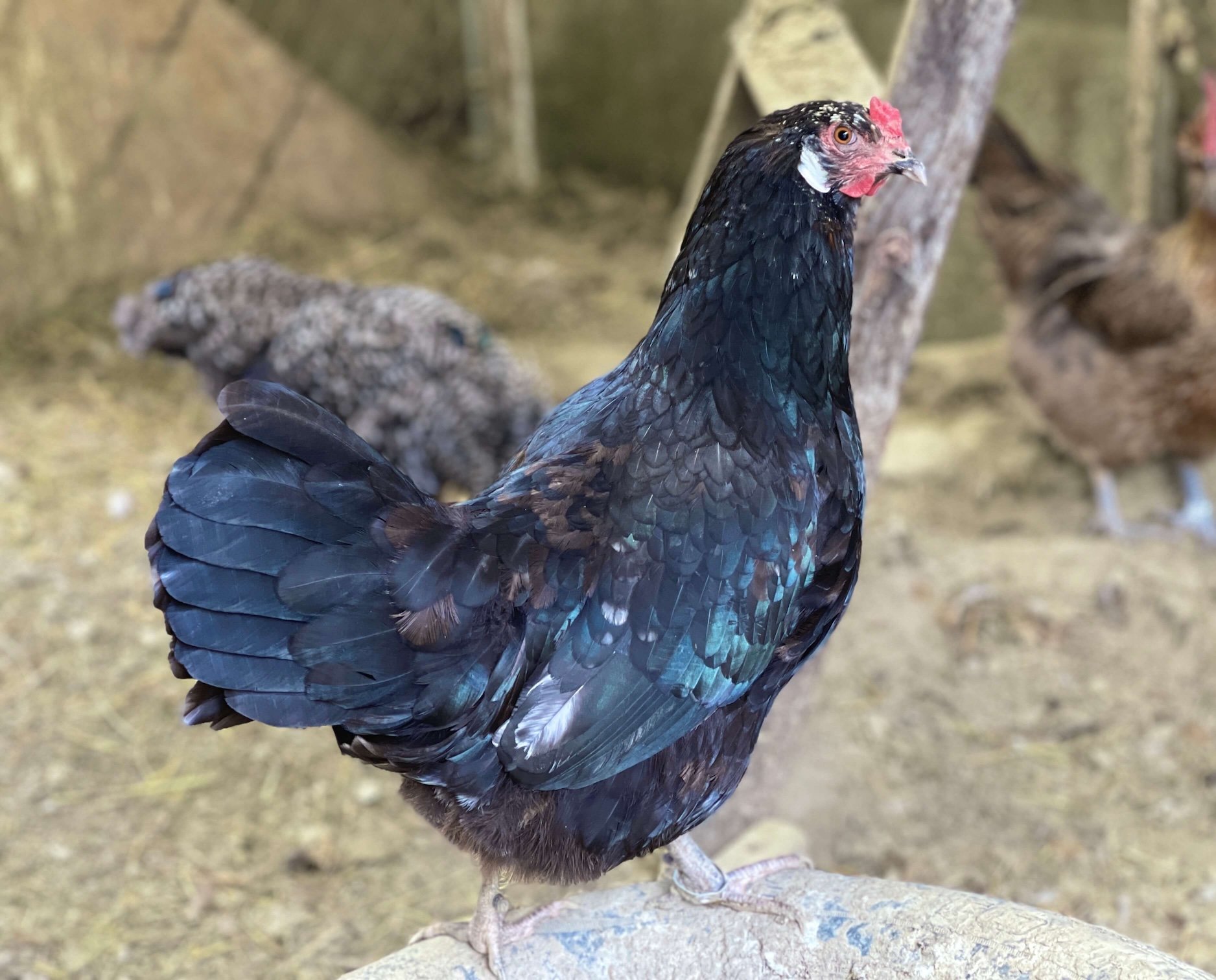
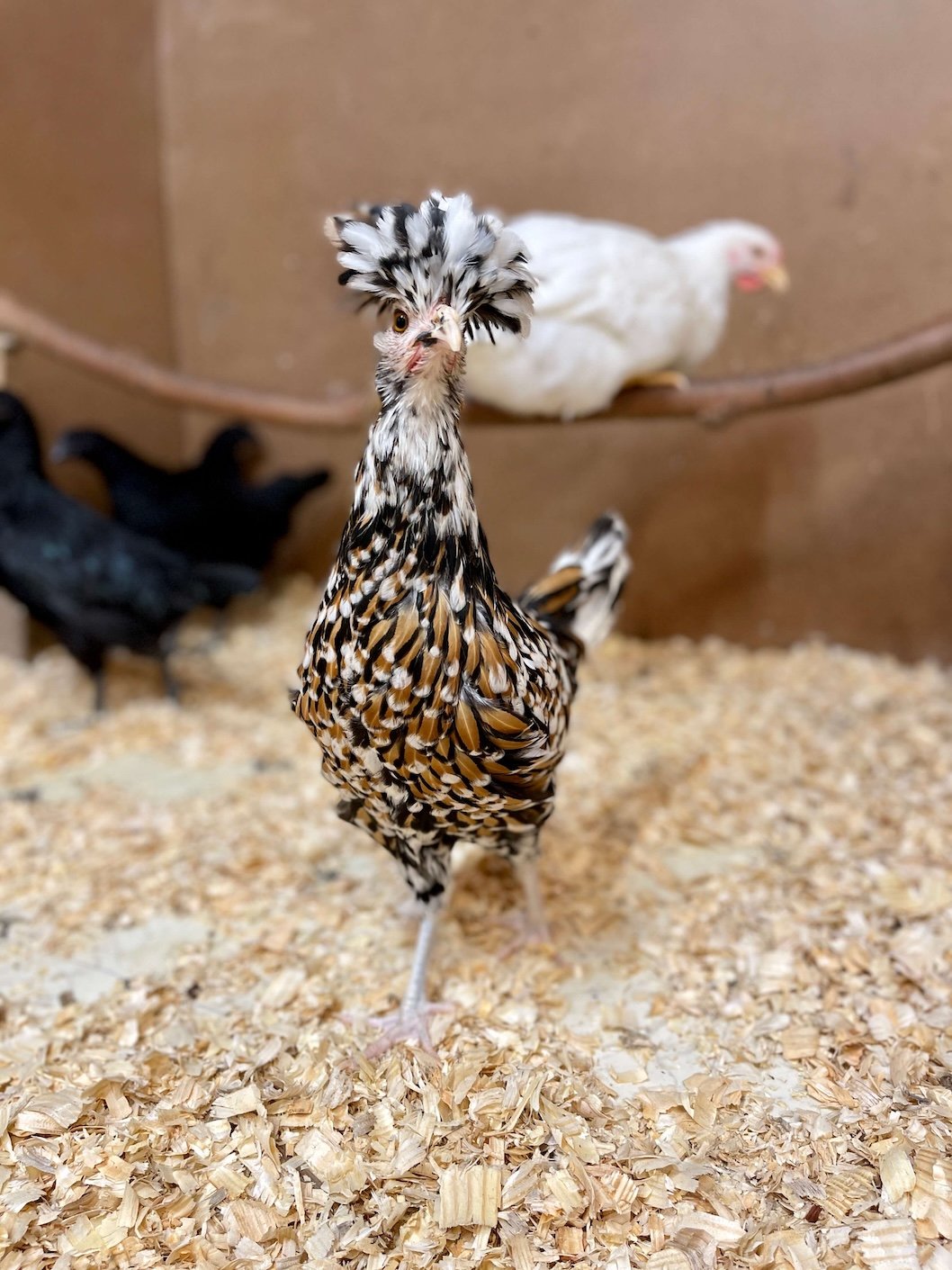
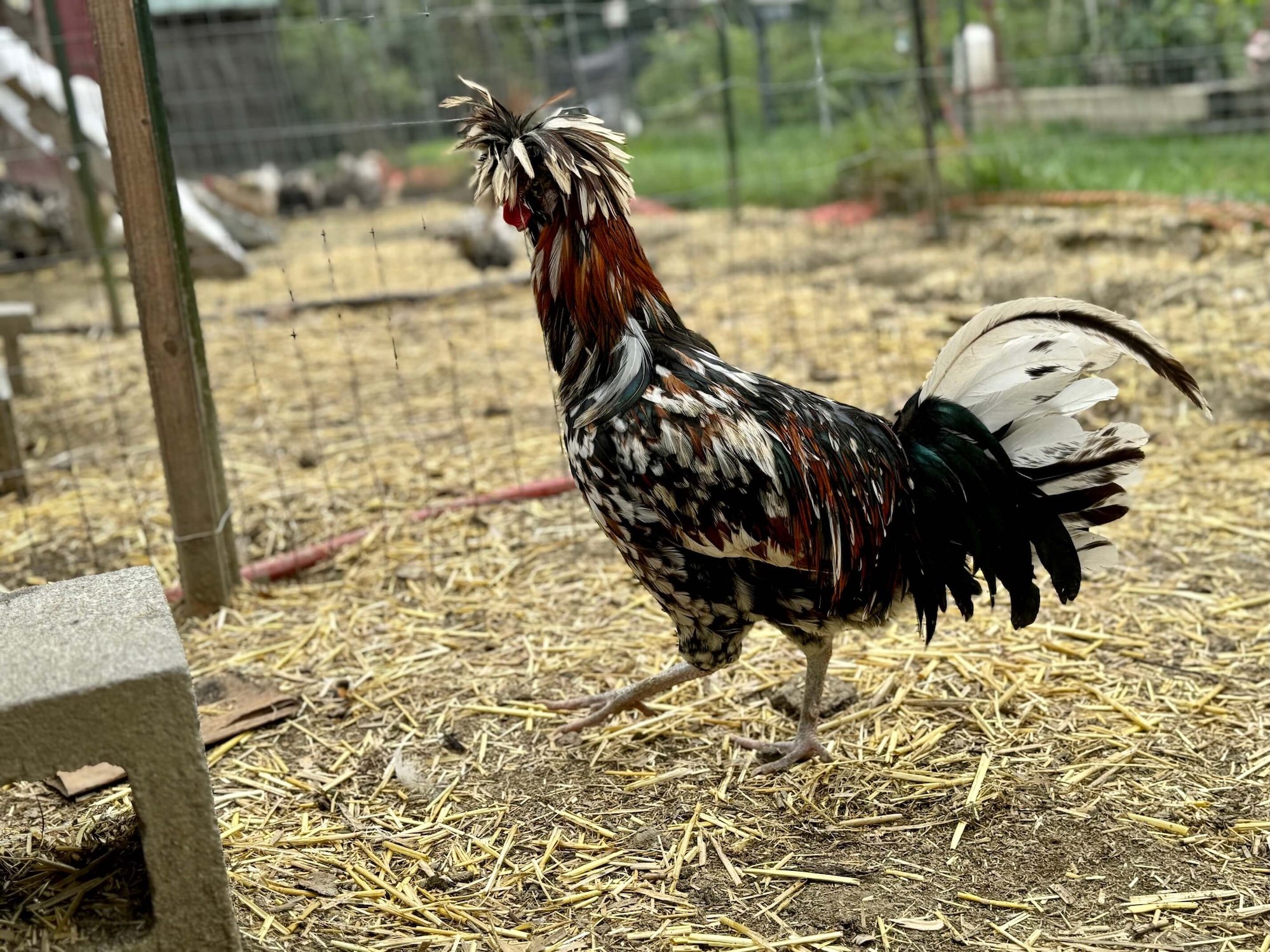
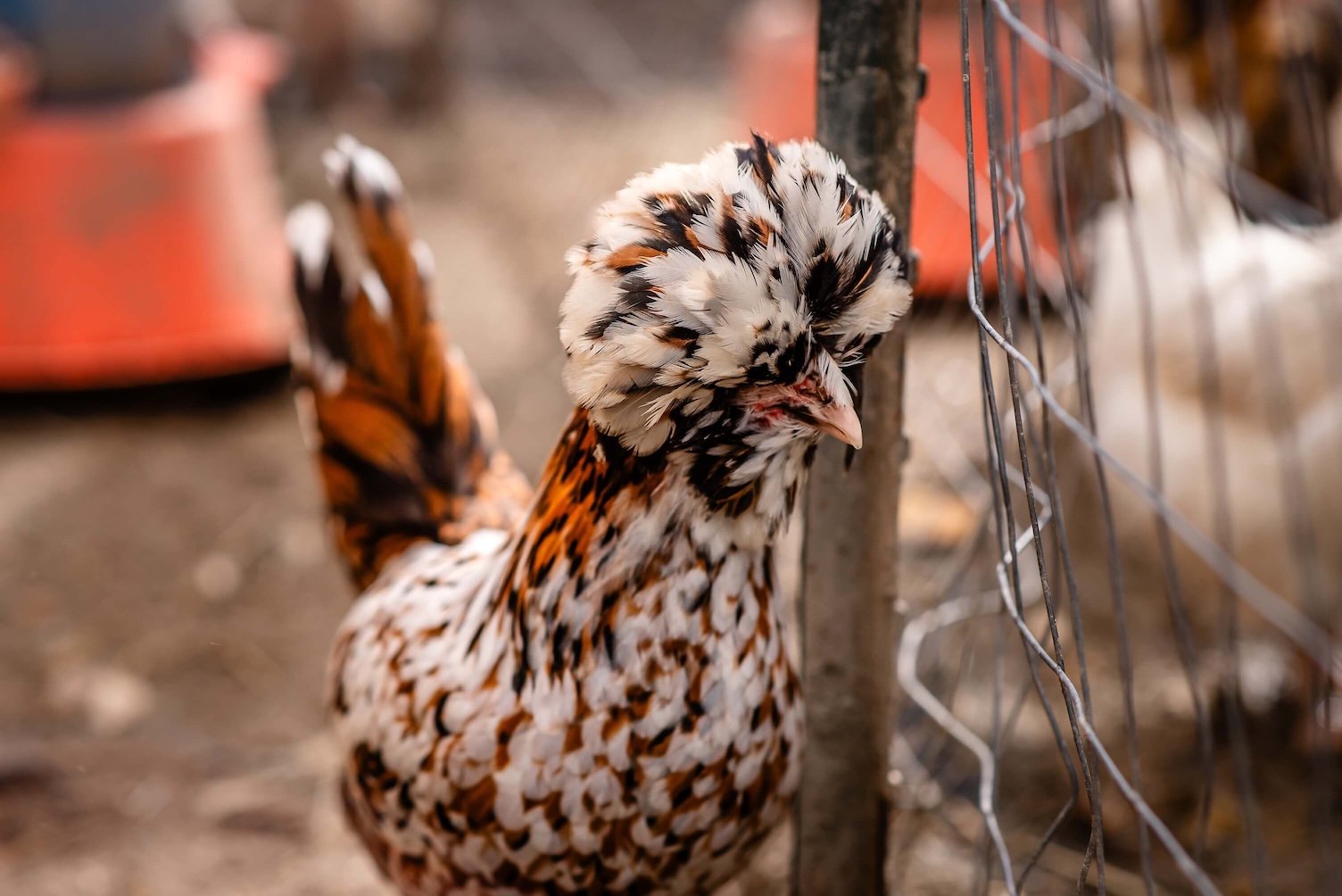
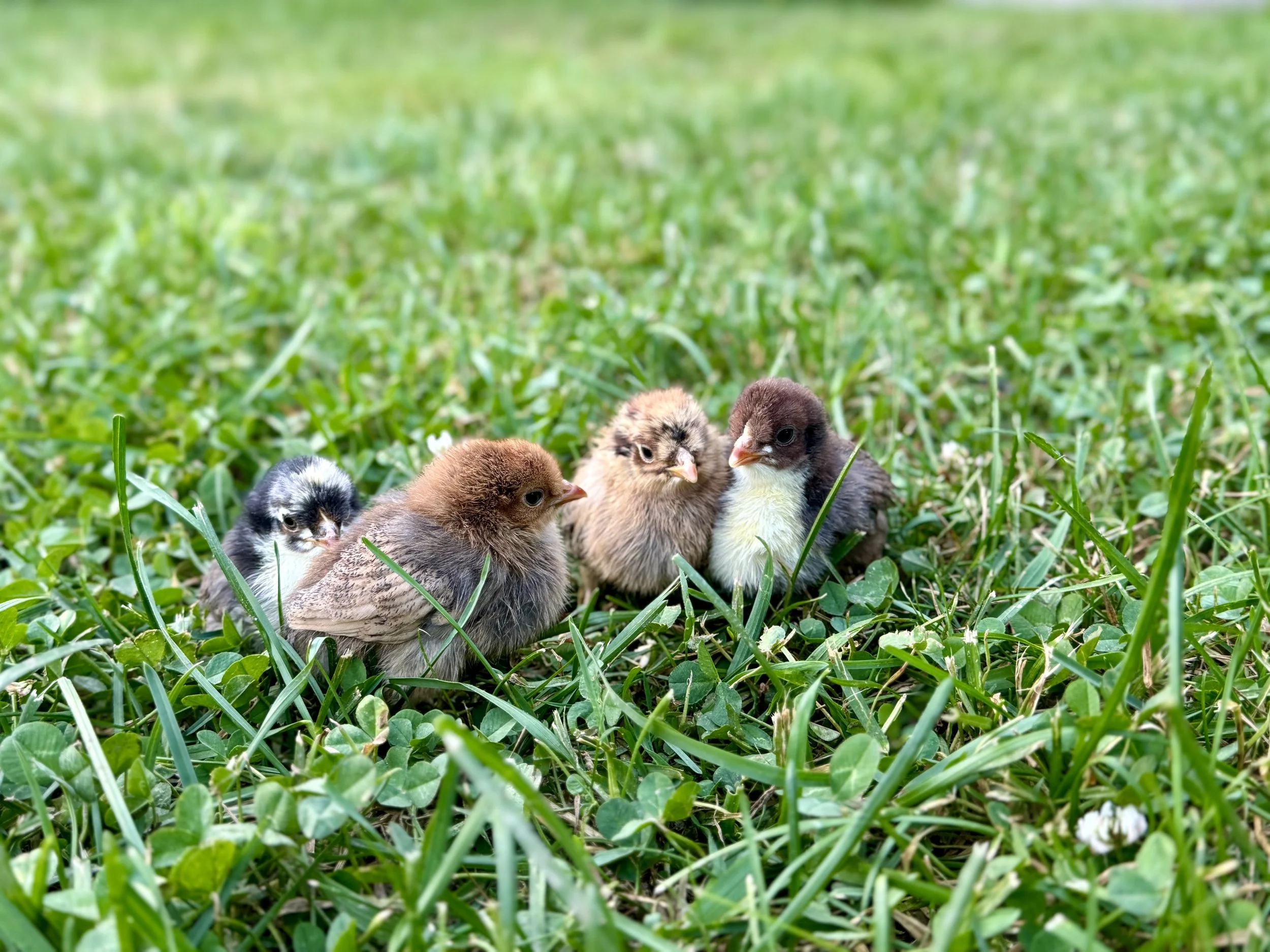
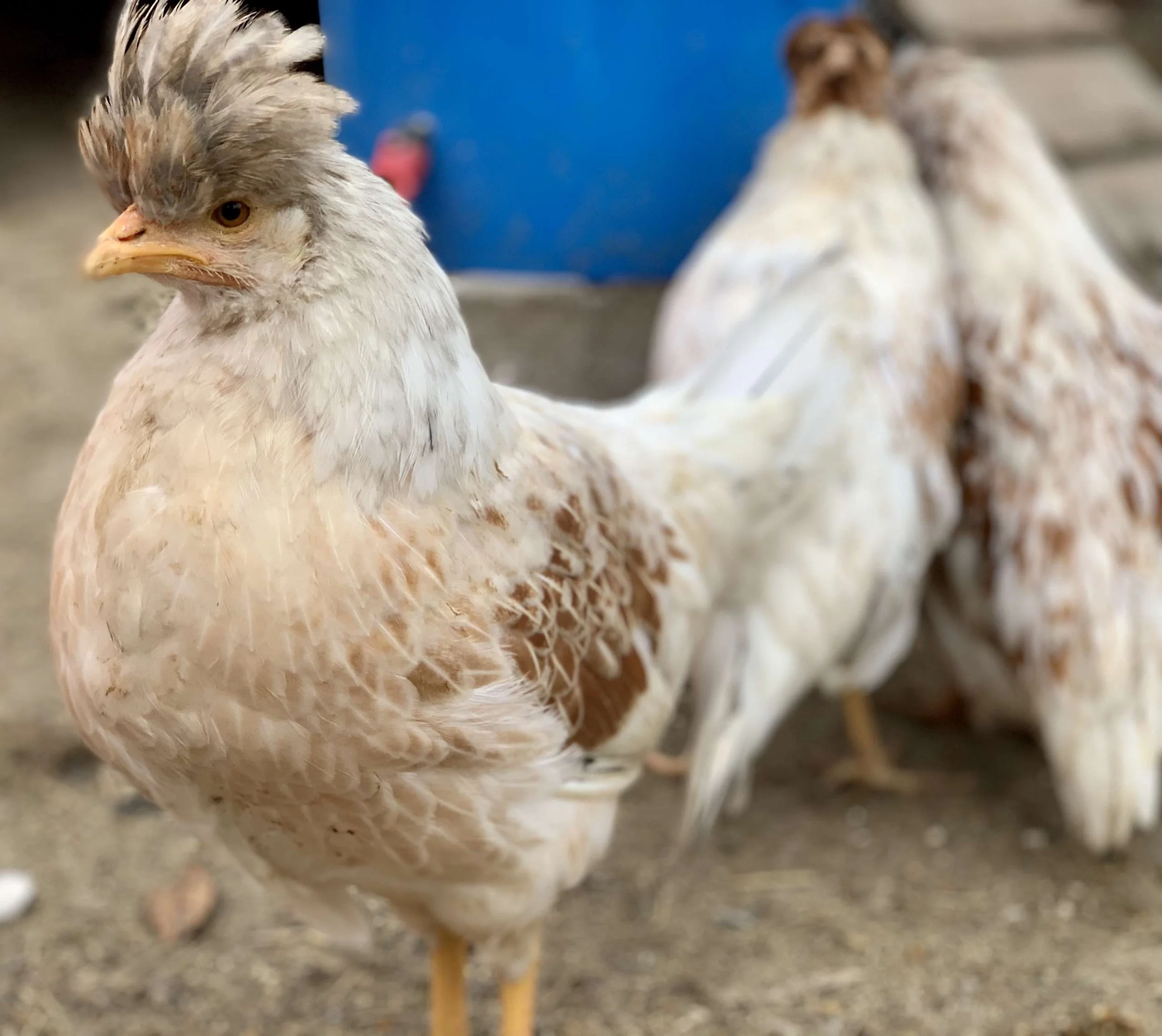
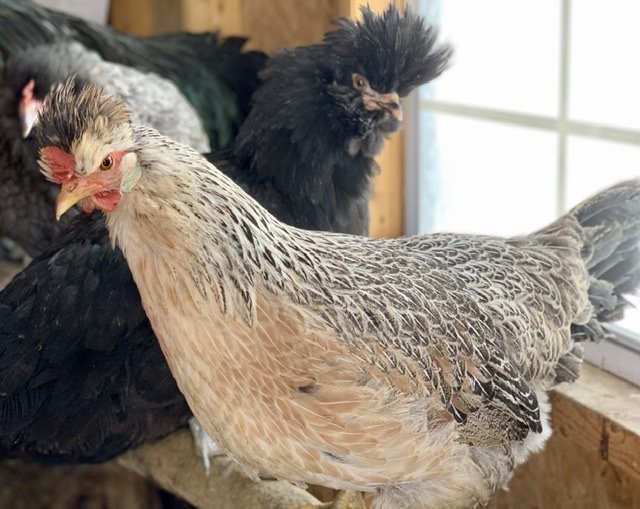
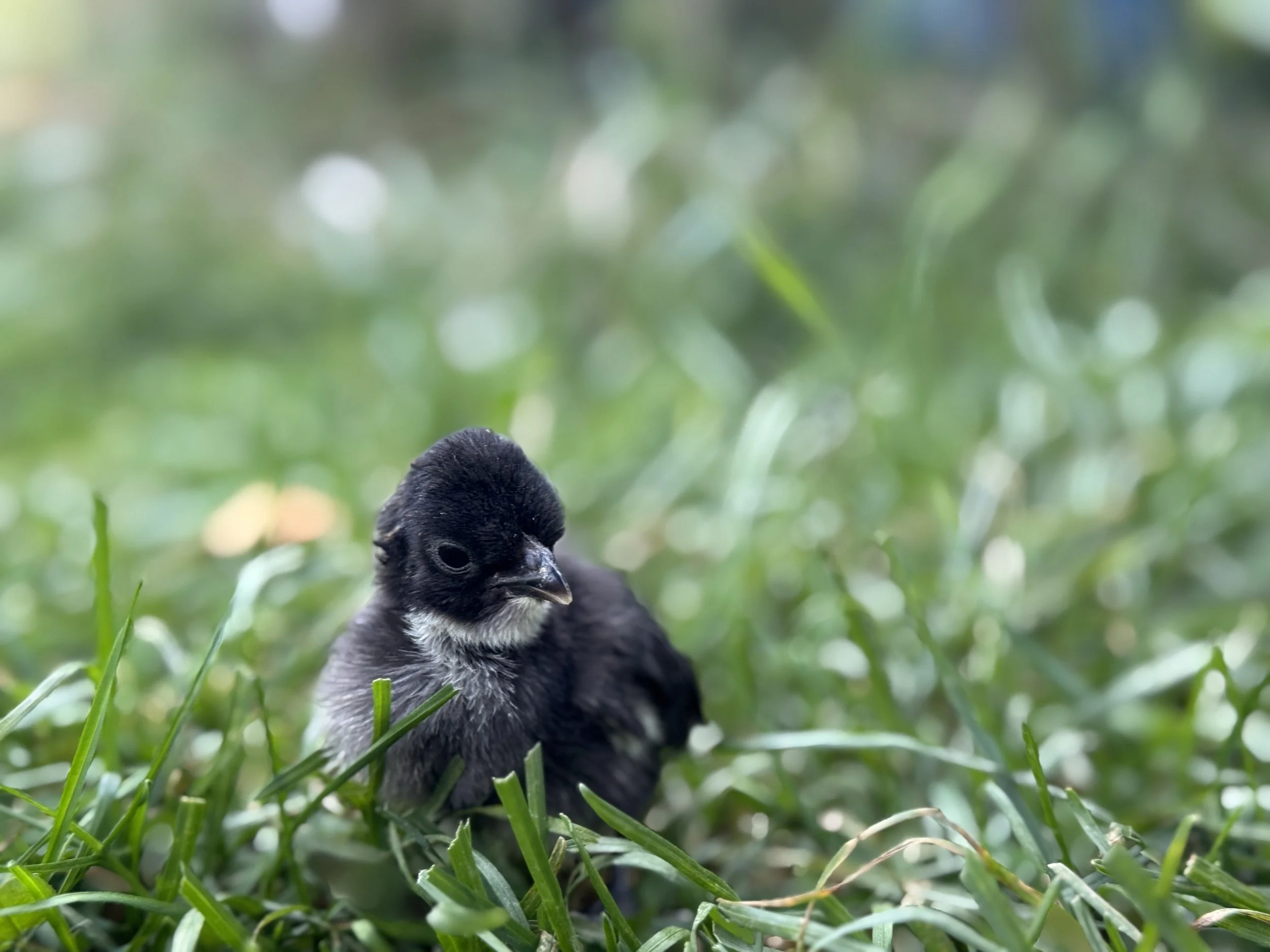
A range of natural feather color expressions
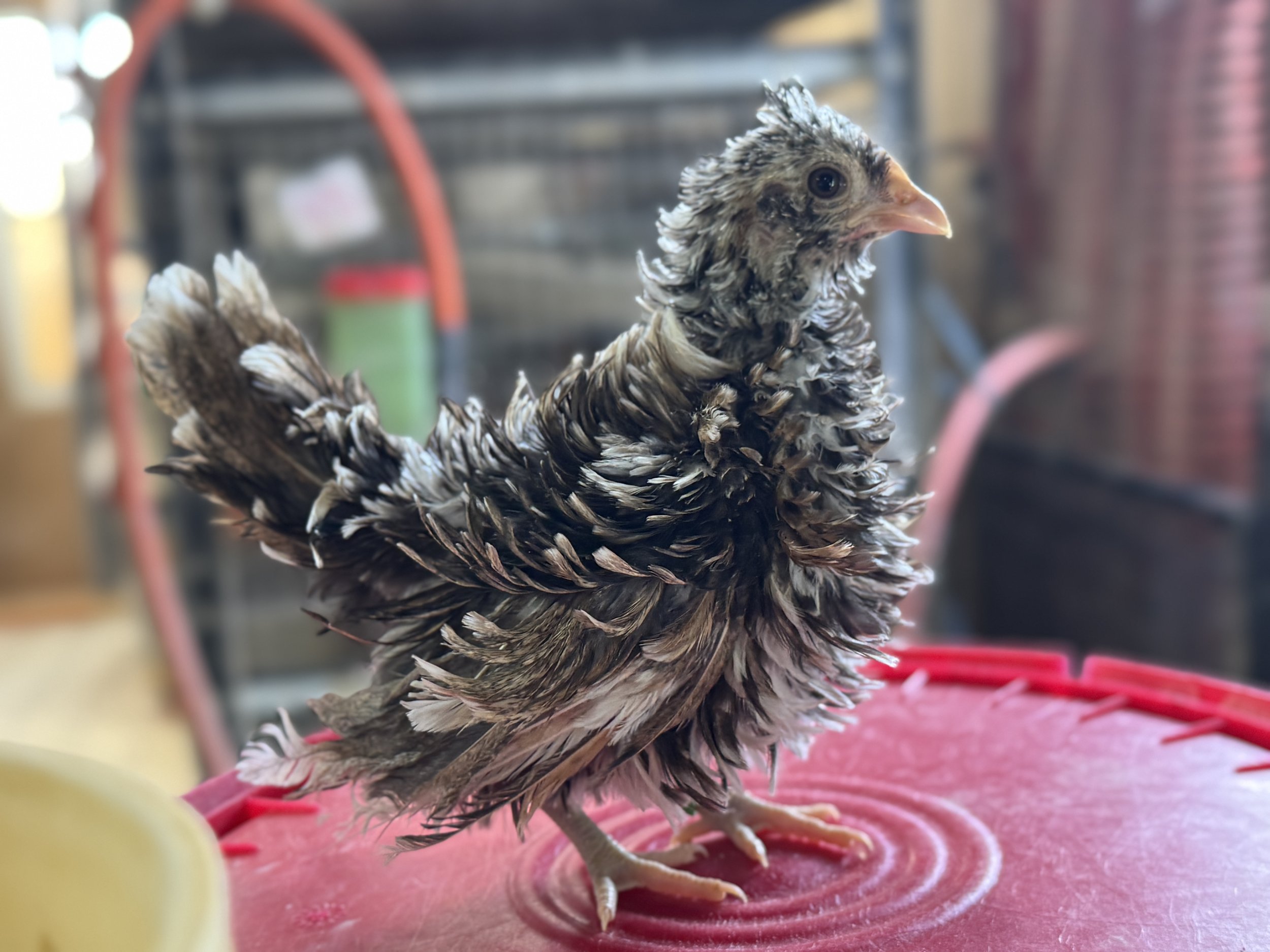
Smooth or frizzled feathering
Strong, active bantams with excellent structure and adaptability
These are not commercial production birds — they are thoughtfully raised heritage bantams for keepers who value rarity, genetics, and long-term breed stewardship.
If you're searching for Bantam Lyonnaise for sale, this is your opportunity to secure a hard-to-find French bantam from an intentional breeding program.
-
True Bantam – compact and refined
Rare French heritage genetics
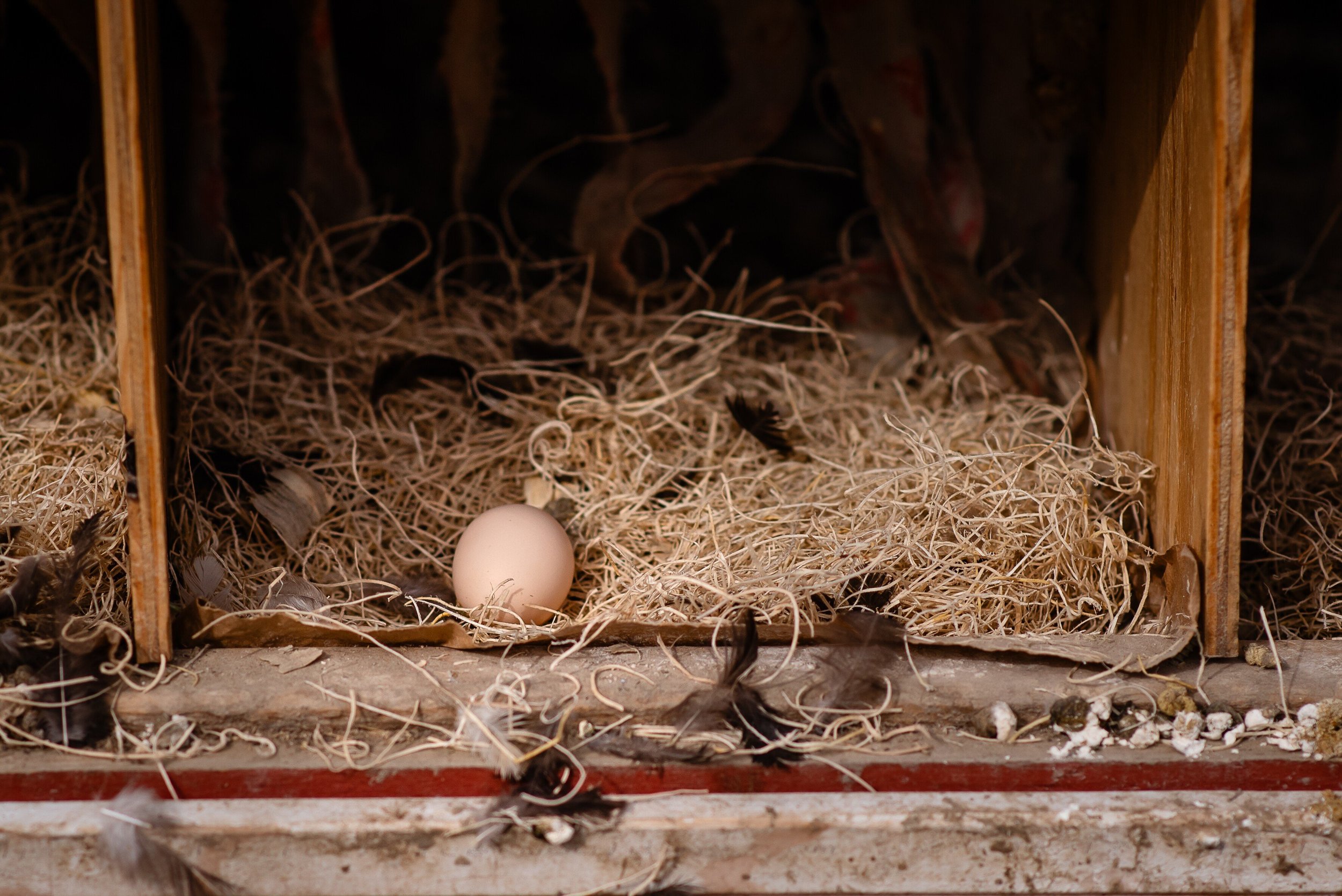
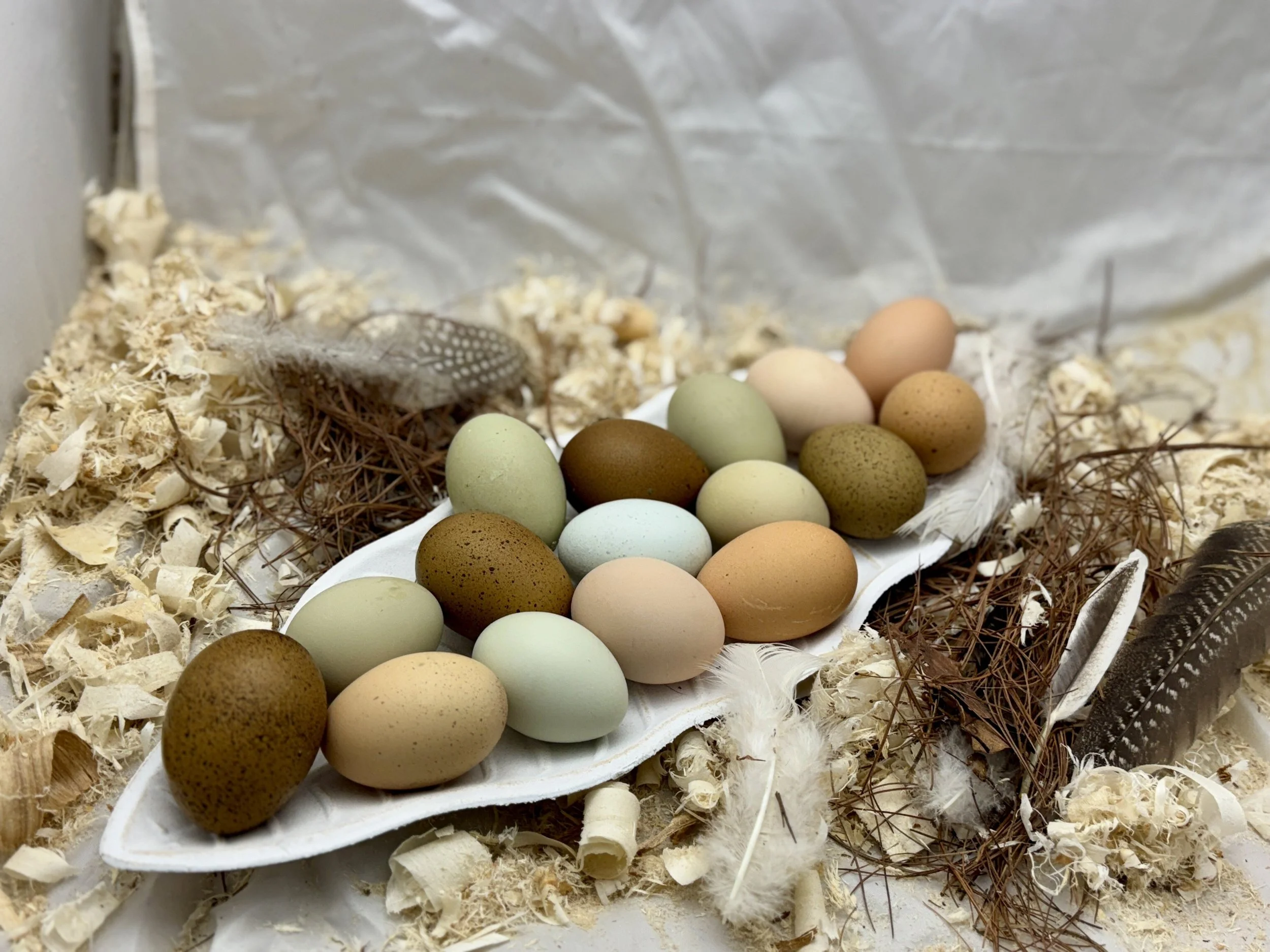
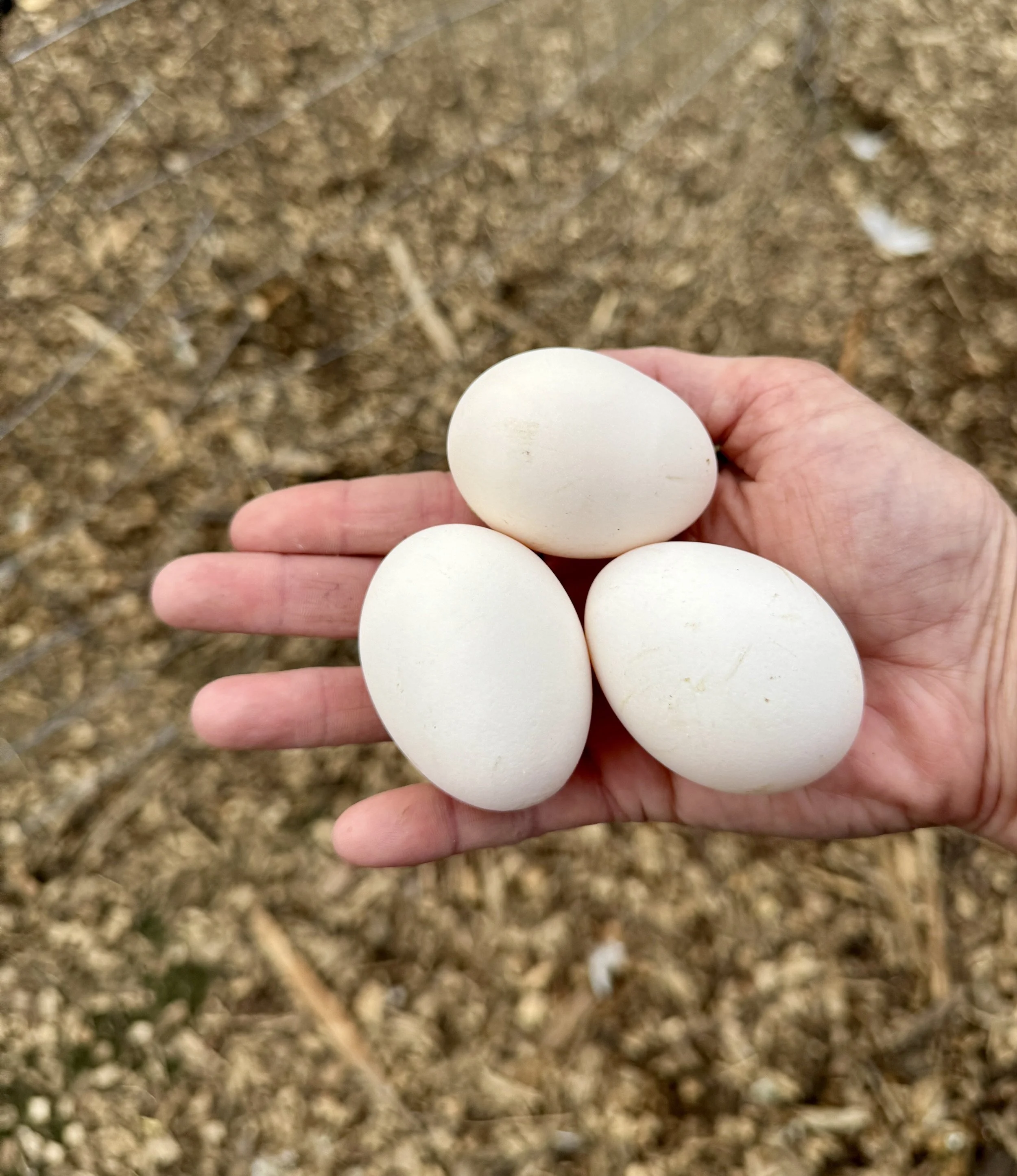
Moderate cream egg production
Active and alert temperament
Smooth or frizzled feathering possible
Excellent for preservation breeding programs
Limited availability each season
-
The Lyonnaise originates from the Lyon region of France, where poultry breeding was historically tied to culinary excellence and careful selection.
While the large fowl variety became known for table quality, the bantam version developed as a refined miniature counterpart. Over time, the breed declined in numbers, and today it remains extremely uncommon in North America.
Maintaining this bantam line requires intentional selection and responsible breeding practices. Without active preservation efforts, rare European breeds like the Bantam Lyonnaise risk disappearing quietly.
Lyonnaise are virtually unknown outside of their native France, and they are so rare that even in the erudite Aviculture Europe this fascinating chicken is listed under “Unknown Breeds.” Lyonnaise were created by breeder Mr. Etienne Tamburini of Lyon, France, in the 1950s, and it was almost two decades before this bird was formally recognized as a breed. To develop the breed he crossed a white Silkie and a bantam Dutch rooster with a bare neck and frizzled feathers. These offspring were then crossed to a white-crested Dutch, and Black Hamburg. After, fourteen years of work, the breed was recognized in 1969.
-
Because Bantam Lyonnaise are smaller-bodied birds, proper nutrition is essential for maintaining feather quality, egg production, and long-term vitality.
We recommend:
A balanced Non-GMO starter feed during chick development then a Non-GMO grower feed
Transition to a quality Non-GMO layer feed once laying begins
Access to grit and calcium supplementation
Herbal immune support during seasonal stress
Our birds are raised on our structured Non-GMO feed program to support strong feather development and reproductive health.
For mixed flocks, ensure larger breeds do not outcompete bantams at feeders.
We highly recommend using the Oil of Oregano in their water daily as a supplement to aid with digestion and overall health.
Humane Steward™ Certified
This bird is raised under farmer-developed humane care standards focused on space, enrichment, respectful handling, and natural behaviors.