Coccidiosis in Chickens Part 1: How it Spreads & Why Immunity Matters
Coccidiosis is one of the least understood of all Avian Diseases, most common and most overreacted to conditions in poultry. If you raise chickens long enough, you will encounter coccidia.
The goal is balance.
What is Coccidiosis?
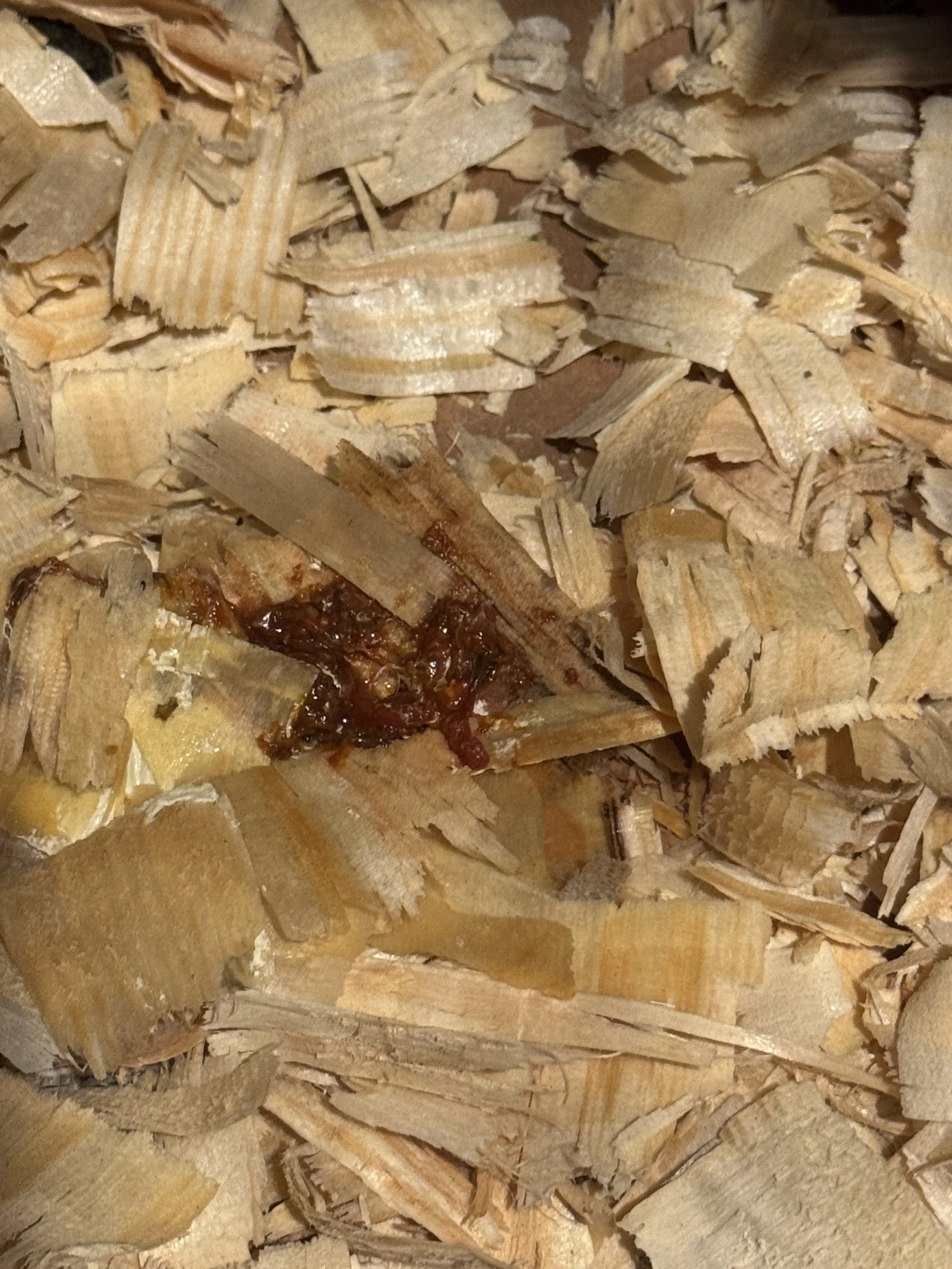
picture of chicken droppings
Coccidiosis is caused by, a Protozoa (a single celled organism)in the Eimeria family. The parasites live and reproduce in the intestanal tract, where they damage the cells responsible for nutrient absorbtson. There are at least nine species of Coccidia known to infect Chickens. Every animal is affected by some species of Coccidia (yes even dogs and cats). All species of Coccidia are host specific.
When the lining is damaged, birds can show:
Diarrhea (sometimes bloody)
weight loss
poor growth
lethargy
reduced feed intake
Yound birds (especially 3-8 weeks old) are more succeptable.
But here is the part thats easily missed:
Coccidia are always present in flocks (mike drop)…… The disease occurs when exposure overwhelms immunity.
Where Coccidia Thrive
wet litter/bedding
heavy manure buildup
overcrowded brooders
muddy runs or pasture areas
They multiply under warm and moist conditions. Good sanitation, dry bedding, proper nutrition and density control reduce the severity but do not eliminate the organizm. Eliminating all the exposure is actually not good and can backfire. Fact: chickens need controled exposure to develop resistance. So lets explore how.
How Coccidiosis is Spread
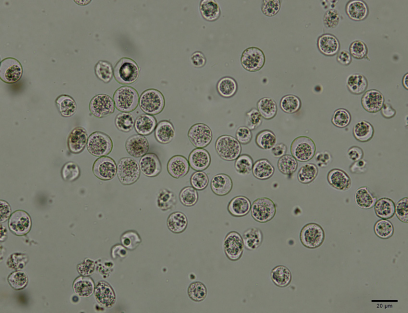
Coccidia are microscopic, but the damage they cause is real
Coccidiosis spreads through infected droppings, contaminated feed, litter, equipment, shoes, and even free-flying birds. The chicken itself is usually the main source. Infected birds shed oocysts in their droppings, and under the right conditions those oocysts become infective. They can survive in soil or litter for long periods, especially in damp conditions.A few key points matter here:
warm, wet environments increase risk
the life cycle can move quickly
immunity requires repeated, manageable exposure
immunity is not permanent in a totally exposure-free environment
immunity is species-specific, not one-size-fits-all
That means birds may build resistance to the coccidia present in their environment, but that does not make them invincible to every strain or every situation.
Immunity is Built, not Bought
Chickens raised on litter or pasture are exposed gradually over time, which helps them build resistance. Birds raised in overly sterile conditions may not develop that same resilience. That is why a bird can look fine in one setup and then struggle badly when moved into a different environment.
At Sugar Feather Farm, we focus on:
dry, managed litter
avoiding overcrowding
gradual exposure in young birds
rotating high-traffic areas
reducing mud and moisture buildup
supporting strong gut health
That is a much smarter long game than pretending cocci does not exist.
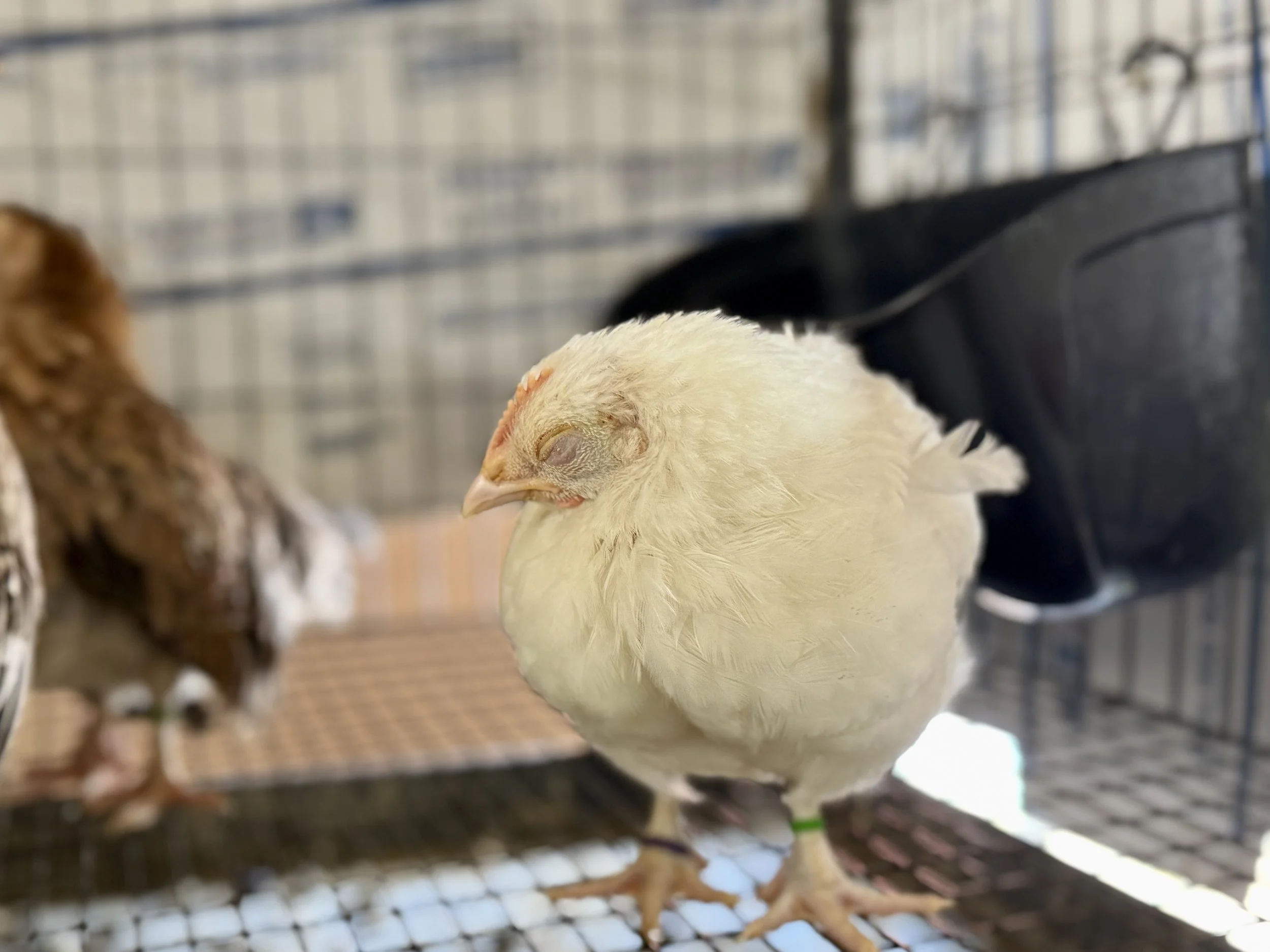
Chicken not feeling well
Final Thoughts
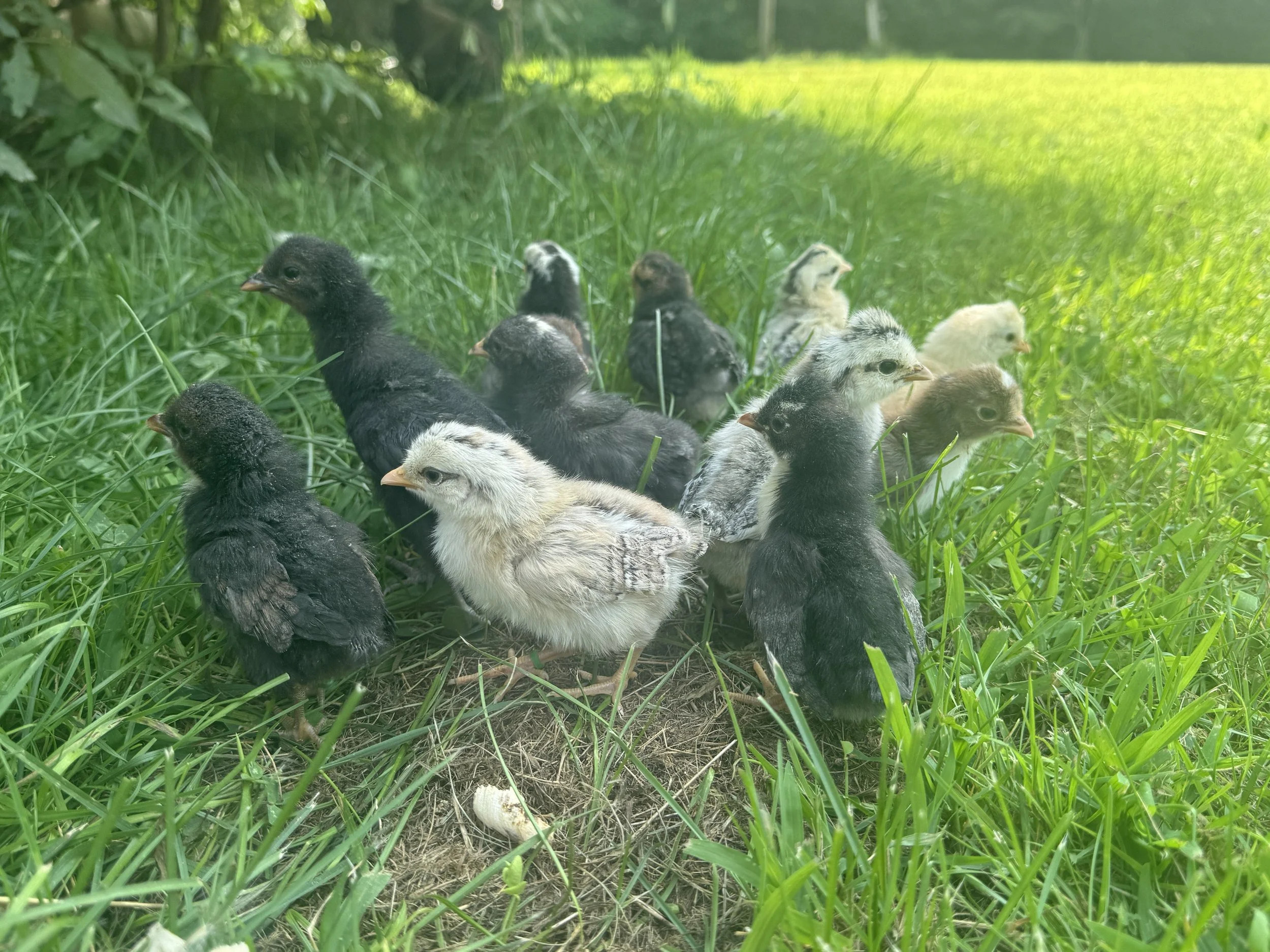
Baby chicks are very succeptable to coccidiosis
Coccidiosis is not rare. It is not automatically a sign that you have failed. It is a management challenge that every poultry keeper needs to understand.
The strongest flocks are not raised in a fantasy bubble. They are raised with smart exposure, solid management, good nutrition, and fast action when needed.
That is how you build birds with real resilience.
Read Next
In Part 2, I cover what to watch for, when to worry, and how to respond when you think coccidiosis may be affecting your flock.
Frequently Asked Questions
-
Chicks between 3 to 8 weeks old are the most susceptible because their immune systems are still developing and they haven’t built resistance yet.
-
Yes, mild cases can resolve as chickens build natural immunity. However, severe infections—especially in young birds—often require treatment to prevent serious health issues or death.
-
No, blood in droppings can be a sign of coccidiosis, but not all cases show blood. Waiting for bloody droppings before taking action can delay treatment and worsen outcomes.