Icelandic Chickens: The Viking Landrace for Modern Homesteads

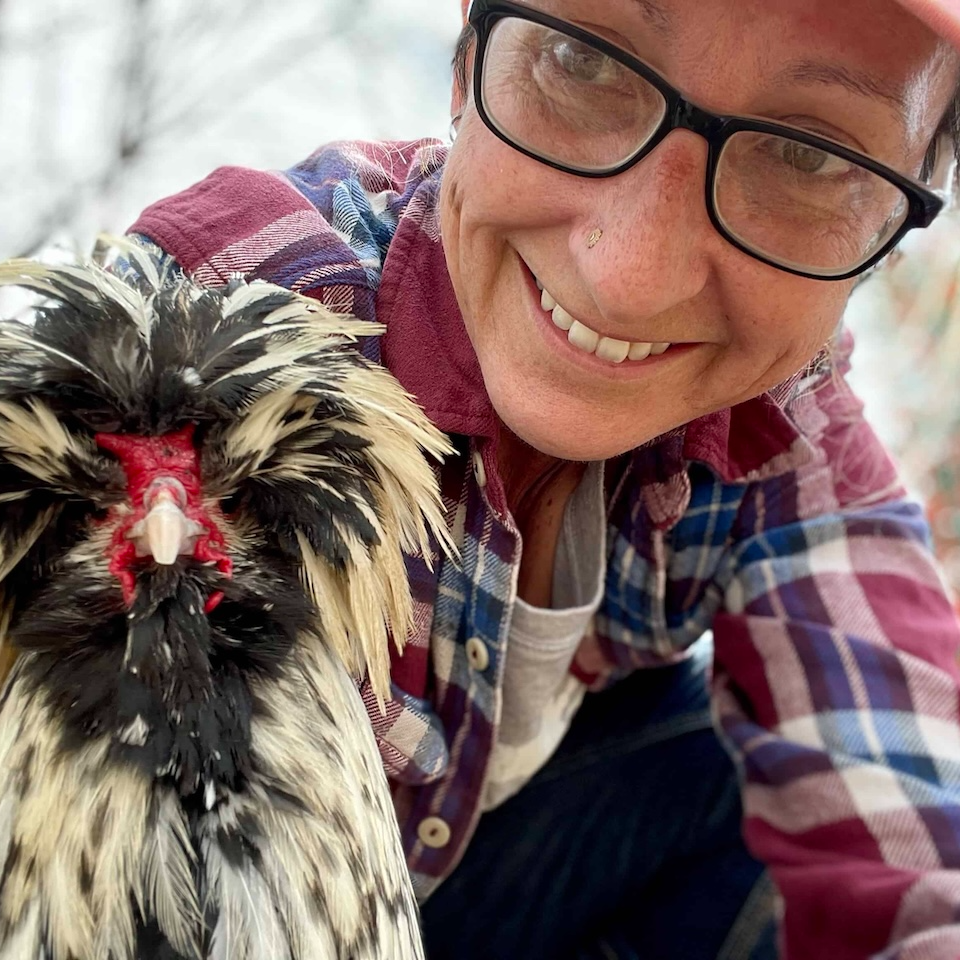
One of our Icelandic Roosters From Husatoftir Icelandic Lines
A Thousand-Year-Old Heritage Bird
The Icelandic Chicken, also known as Íslenska landnámshænan (Icelandic Settlement Hen), is one of the world’s most fascinating landrace poultry breeds. Brought by Norse settlers in the 10th century, these birds have been naturally shaped by the rugged climate and farm families of Iceland for over a thousand years. Unlike standardized breeds, Icelandics are a true landrace—meaning they were never selectively bred to a rigid “look,” but instead evolved for hardiness, fertility, and survival.
What Makes Icelandic Chickens Unique?
Resilience in All Seasons
Icelandics are masters of survival. They thrive in both hot and cold conditions, forage exceptionally well, and maintain excellent fertility. Whether facing snow, rain, or summer heat, these birds are dependable.
Endless Variety

Icelandic Hen from Sigrid Lines of Iceland
No two Icelandic chickens are the same! According to the official breed description:
Plumage can be any color or pattern.
Combs range from single (straight or lopped) to rosecombs..
Leg colors vary widely.
This genetic diversity is their strength, keeping the breed healthy and adaptable.
Steady Egg Layers
Icelandic hens are productive, laying around 180 medium white-to-cream eggs per year. Many continue laying through winter when other breeds slow down—making them a homesteader’s treasure.
Natural Mothers
Hens are known for strong broodiness and mothering instincts, happily hatching and raising chicks without human help. This makes them ideal for sustainable, closed-loop flocks.
Personality & Intelligence
Friendly yet independent, Icelandics are curious, active, and quick to evade predators. With early handling, they become personable flock members that children and adults alike can enjoy.
Why Icelandics Matter Today
The Livestock Conservancy lists Icelandics as a Threatened Breed. Every flock that raises them contributes to their survival. By choosing Icelandics, you’re helping conserve vital genetic diversity and preserving a living piece of Viking history.
At Sugar Feather Farm, we maintain closed, carefully managed lines to keep these birds true to their heritage while ensuring strong, healthy flocks for the future.

Icelandic Hen from Husatoftir Icelandic Lines
Care & Management Tips
Space to Roam: Icelandics excel on pasture and free-range systems.
Secure Housing: They are alert but still need protection from aerial and ground predators.
Feed: A high-quality, feed (like our custom blends) keeps them thriving. Supplement with forage, herbs, and probiotics for maximum health.
Flock Harmony: Icelandics are independent but integrate well with other heritage breeds when given space.
Rooster Ratios: We find you can have multiple roosters in the flock.
Final Thoughts
If you’re looking for a bird that is hardy, diverse, productive, and historically significant, the Icelandic chicken may be the perfect fit. These landrace beauties bring color and vitality to the flock while giving back in eggs, meat, and preservation of an ancient lineage.
Explore our Icelandic Starter Pullets and start your own chapter in this thousand-year-old story.