Coccidiosis in Chickens Part 2: What to Watch For and How to Respond
If you missed Part 1 of this series, that is where I break down what coccidiosis is, how it spreads and why immunity matters. This blog is about the real-life side of it: what to watch for, when to worry, and how to respond without panicking or waiting too long.
What to Watch For
One of the hardest parts about coccidiosis is that the first signs can be subtle.
A bird may simply look “off” before you ever see obvious droppings or major decline. By the time a flock owner notices blood, the intestines may already be under significant stress.
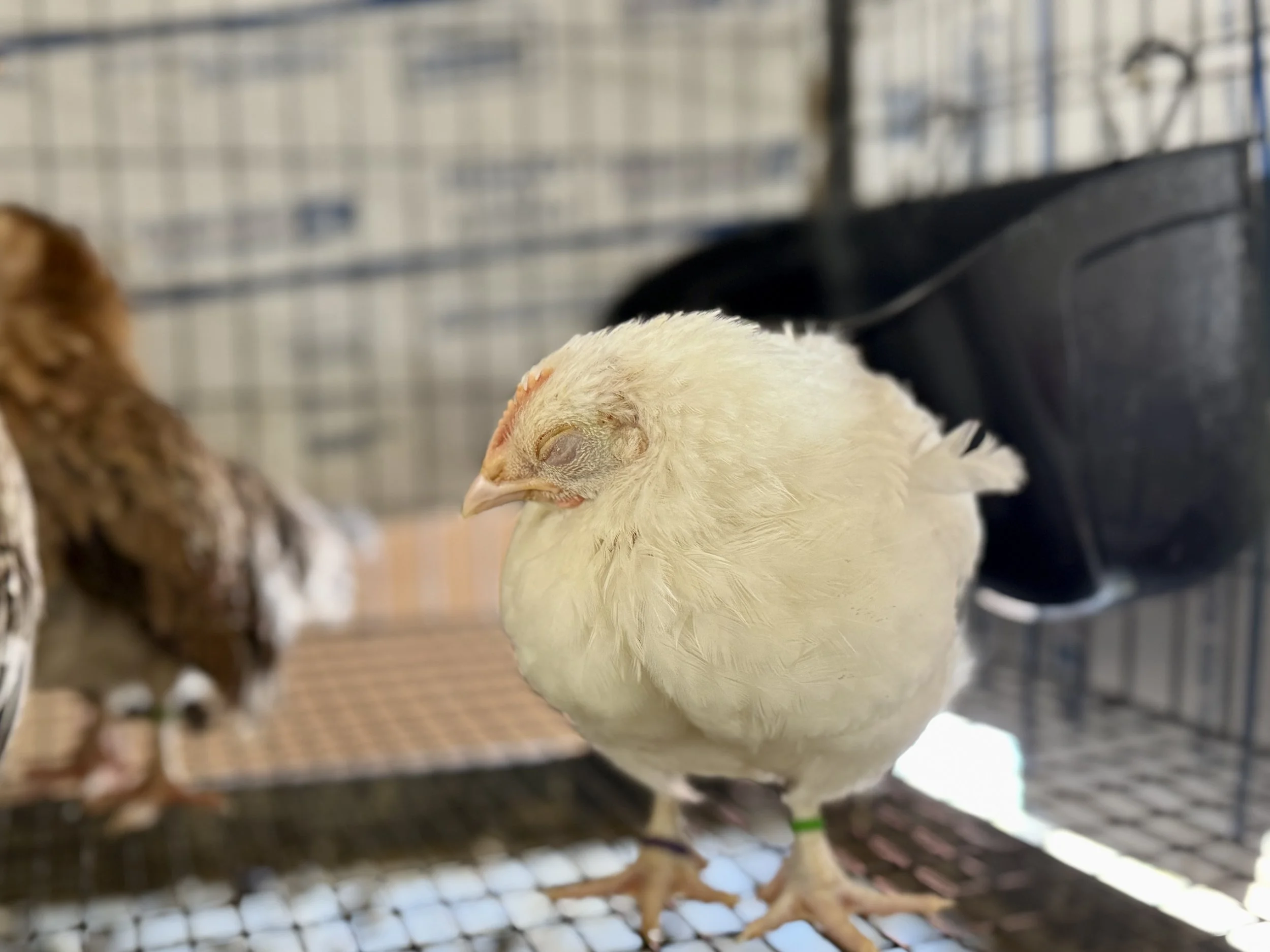
chicken not feeling well
Some signs to watch for include:
ruffled or puffed-up feathers
droopy, sleepy, or dull appearance
lethargy
reluctance to move
reduced appetite
weight loss or poor growth
wings held down
hunched or chilled posture
watery droppings
bloody droppings in some cases
unsteady gait or weakness
mortality in more severe outbreaks
Not every bird will show every sign. And not every case includes blood.
That’s why it pays to know your birds well and trust your gut when something feels off.
Why young Birds Are So Susceptable
Baby chicks and growing birds are usually the most at risk because they have not built enough resistance yet. that is why brooder conditions matter so much. Wet litter, crowding, stress, dirty waters and poor nutrition can all make things worse fast.
How to Respond
If you think you are dealing with coccidiosis, do not just wait and hope it passes.
Start by looking at:
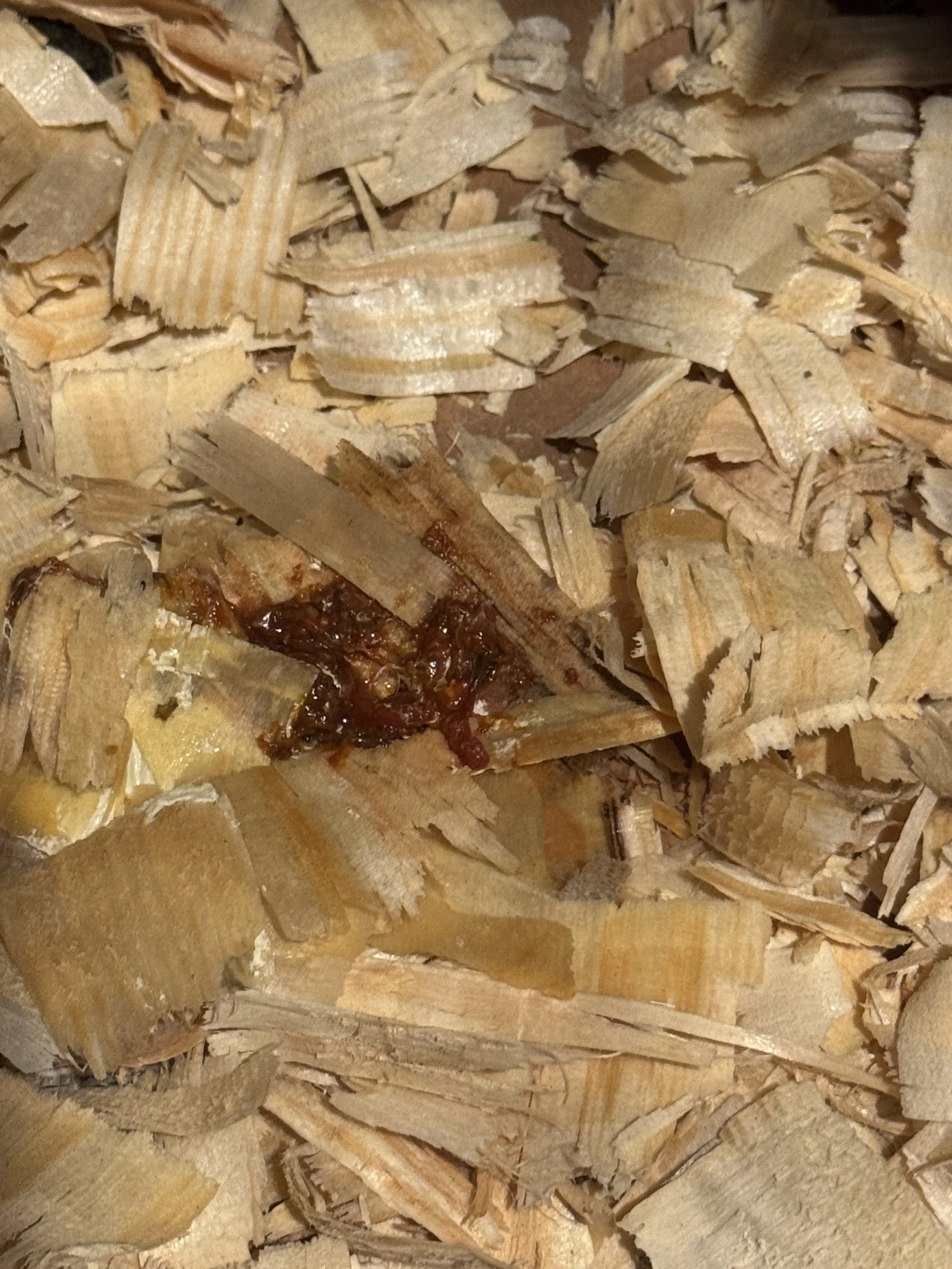
Bloody Chicken droppings - indication of Coccidiosis
the age of the birds
droppings
litter moisture
crowding
stress levels
whether more than one bird is affected
Fix the environment first. Dry things out, clean up water spills, reduce stress, and support intake.
Then decide if supportive care is enough or if medication is needed.
Medication has a Place
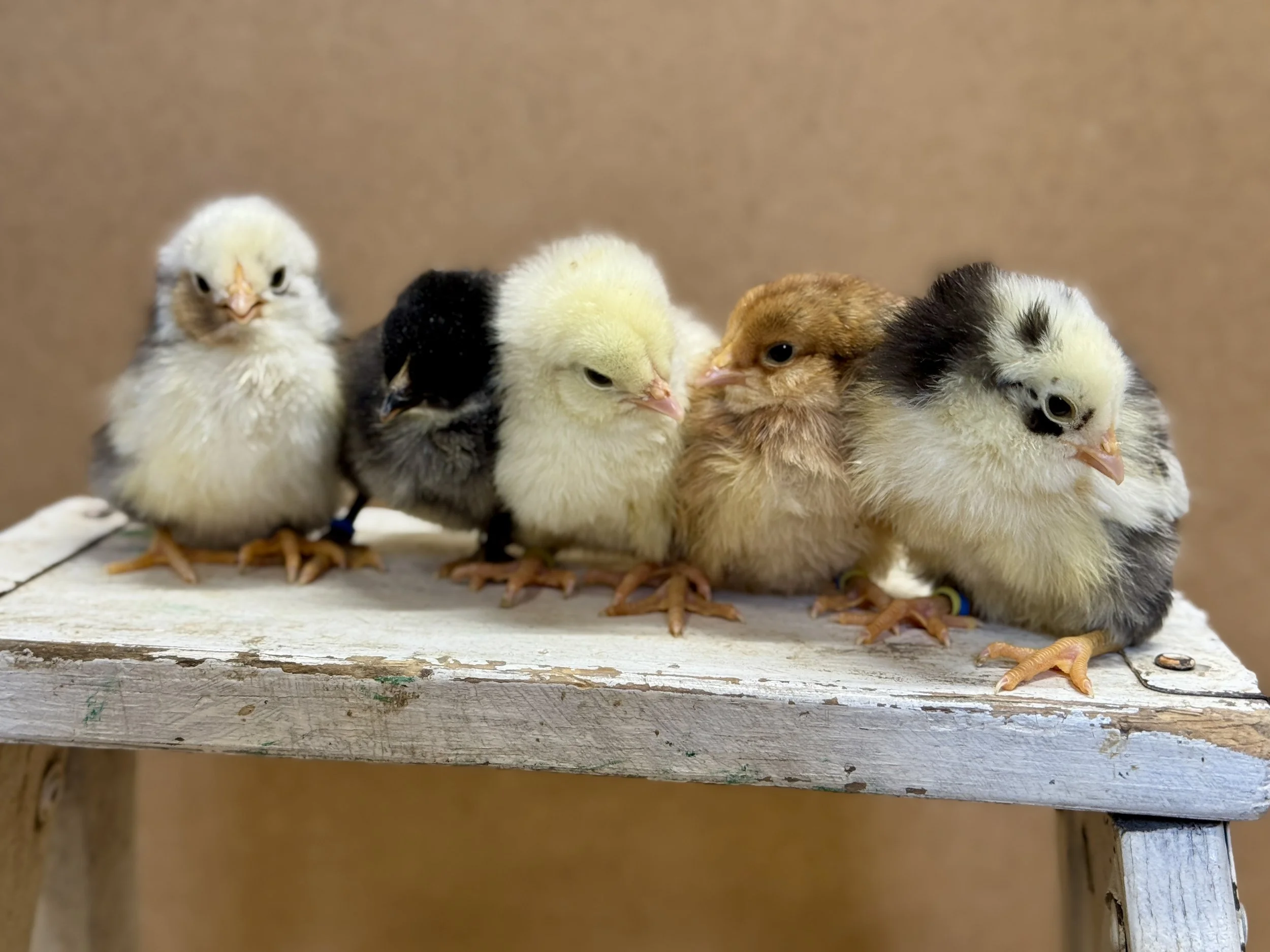
healthy and happy chicks
I am a big believer in prevention and building resilient birds with strong immunity, but medication can have its place.
Some options include:
Amprolium (liquid or powder)
Sulfadimethoxine
Toltrazuril in some programs
Each has a place, and each comes with its own considerations.
The goal is not to throw everything at the flock blindly. The goal is to use the right tool at the right time, while continuing to address the conditions that allowed the outbreak to take hold in the first place.
Whenever possible, work with a poultry-savvy veterinarian for diagnosis, dosage, and withdrawal guidance. You can also check out First State Vet Supply for many of these solutions.
What about Natural Remedies?
We love natural supports and they are our go to first. This would be our first line of use if the outbreak is in the early stages.
Supportive tools may help:
Raw or whole milk
Probiotics
Vitamin E
Oregano support
These can help the gut, recovery and overall resilience. At Sugar Feather Farm we use all these methods in our wellness plan.
Need More Help?
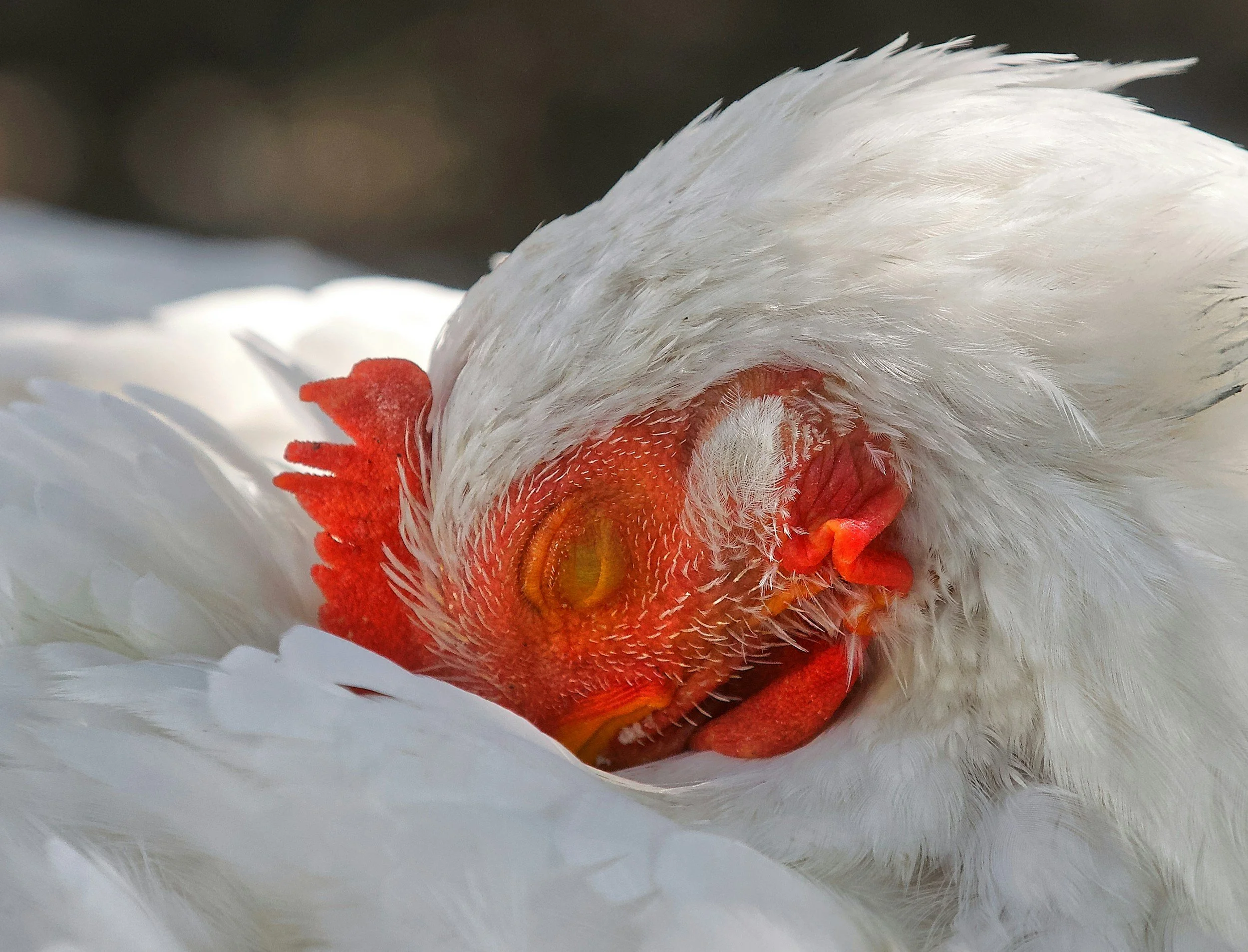
chickens can decline quickly without intervention
If you are dealing with recurring issues, fast decline, or just are not sure what you are looking at, getting experienced help can save you a lot of trouble.
You can book a Fowl Guru consult for practical flock help, or a Chicken Doc consult if you need another layer of poultry health support.
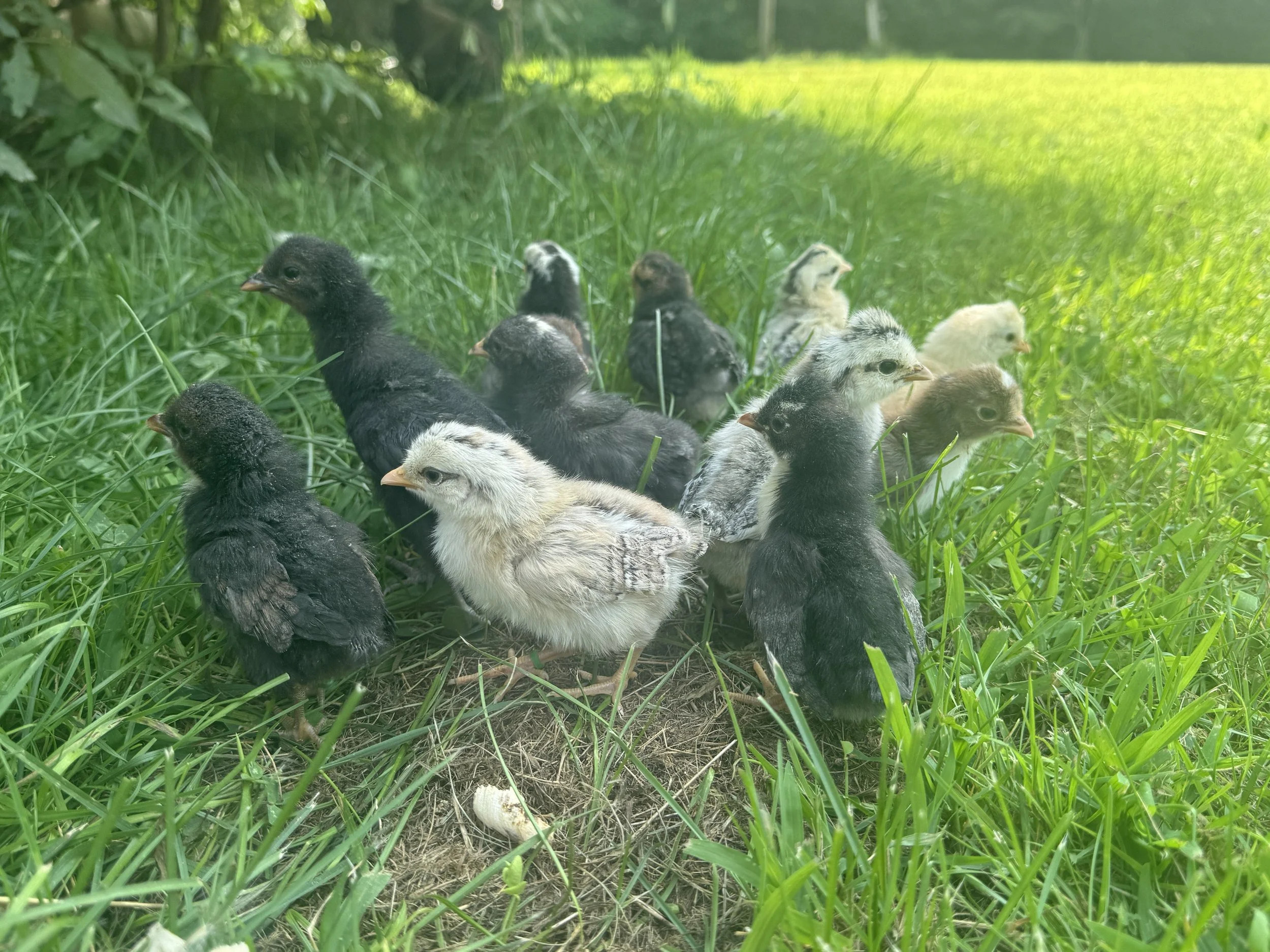
Baby chicks are very succeptable to coccidiosis
Final Thoughts
Coccidiosis is common and in most species of animals. Watch your birds closely, mamage your environment, support the gut and step in early when needed. So stay ahead of it. If you need help, dont be afraid to reach out to an expert, that is what we are here for.
Read Next
In Part 3, I cover recovery, prevention, and how to build a stronger flock after a coccidiosis issue
-
Are natural remedies enough to treat coccidiosis?
Natural remedies like probiotics or apple cider vinegar can support gut health, but they do not cure coccidiosis on their own. They are best used alongside proper management and, when needed, medication.How does coccidiosis spread between chickens?
It spreads through ingestion of infected droppings, contaminated feed, water, bedding, equipment, or soil. Moist, warm conditions increase the risk of transmission.When should I treat my flock for coccidiosis?
Treatment should begin when birds show clear symptoms such as lethargy, reduced appetite, weight loss, or abnormal droppings. Early intervention is especially important for young chicks.